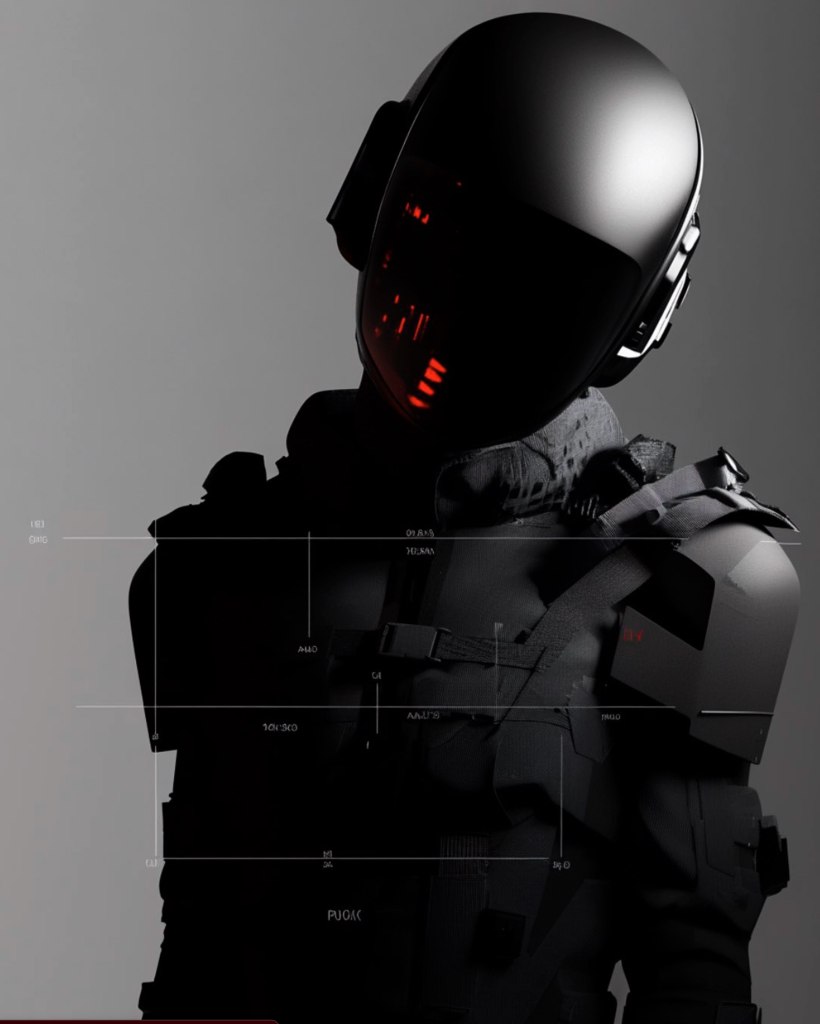
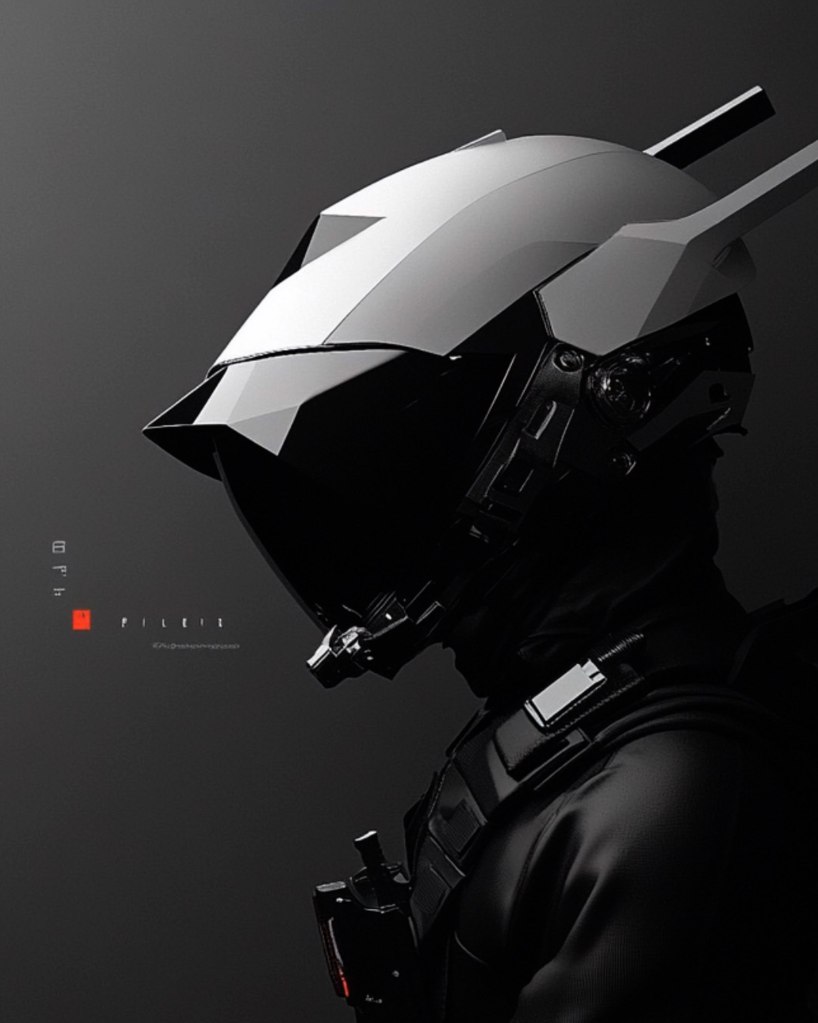
In the heart of Oslo, Norway, Keith Aylmore AKA Kwano—a British product designer—is crafting a bold, futuristic design language that redefines the boundaries of minimalism and technology. Through a unique combination of monochromatic palettes, cybernetic themes, and geometric precision, Kwano’s work challenges conventional aesthetics, presenting an immersive narrative that feels both cutting-edge and thought-provoking.
In this blog post, we’ll dive deep into Kwano’s style, inspiration, and techniques, exploring how this designer captures the essence of transhumanism and technological minimalism. If you’re fascinated by futuristic design or seeking inspiration for your next project, keep reading.

Key findings
- Kwano’s designs are rooted in monochromatic palettes, emphasizing contrast, depth, and sleek textures.
- They explore themes like transhumanism, technological minimalism, and clean cyberpunk, merging human and machine aesthetics.
- Inspiration comes from sci-fi films like Blade Runner 2049 and Ghost in the Shell, as well as modern artists and designers like Beeple and Philippe Starck.
- Techniques include leveraging AI generators, 3D tools, and realistic textures to craft an immersive futuristic world.
Kwano’s Design Philosophy: Minimalism Meets Futurism
1. Monochromatic Palettes: The Power of Black and White
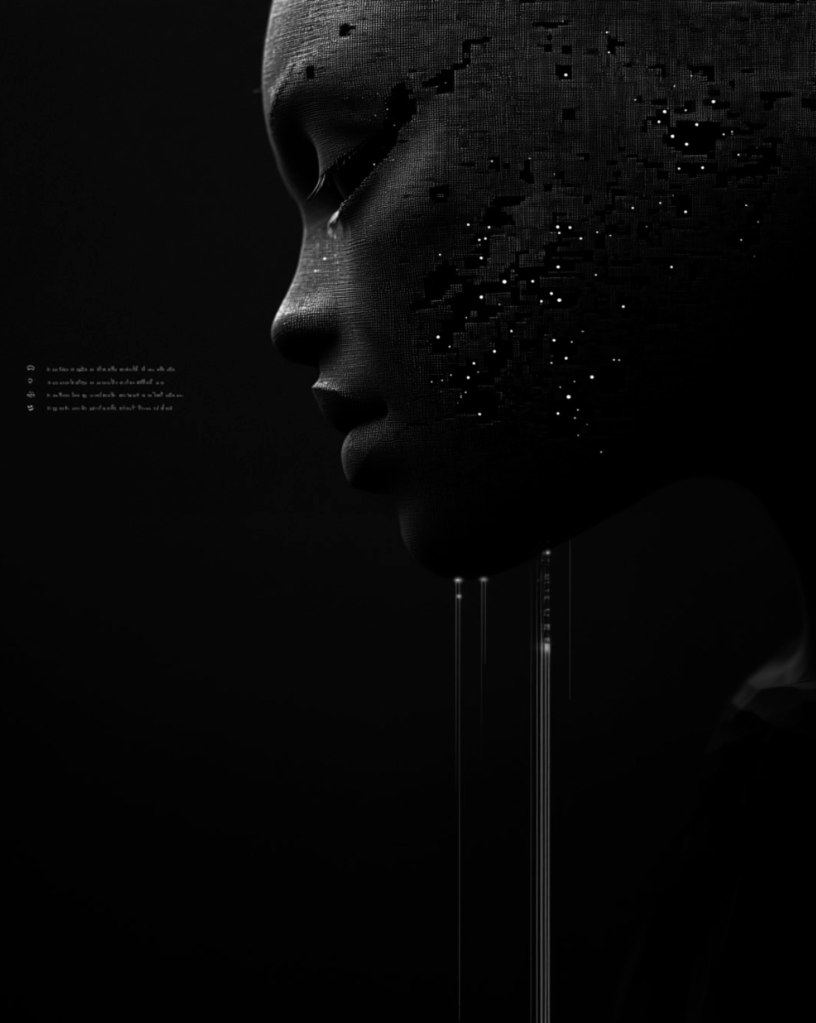
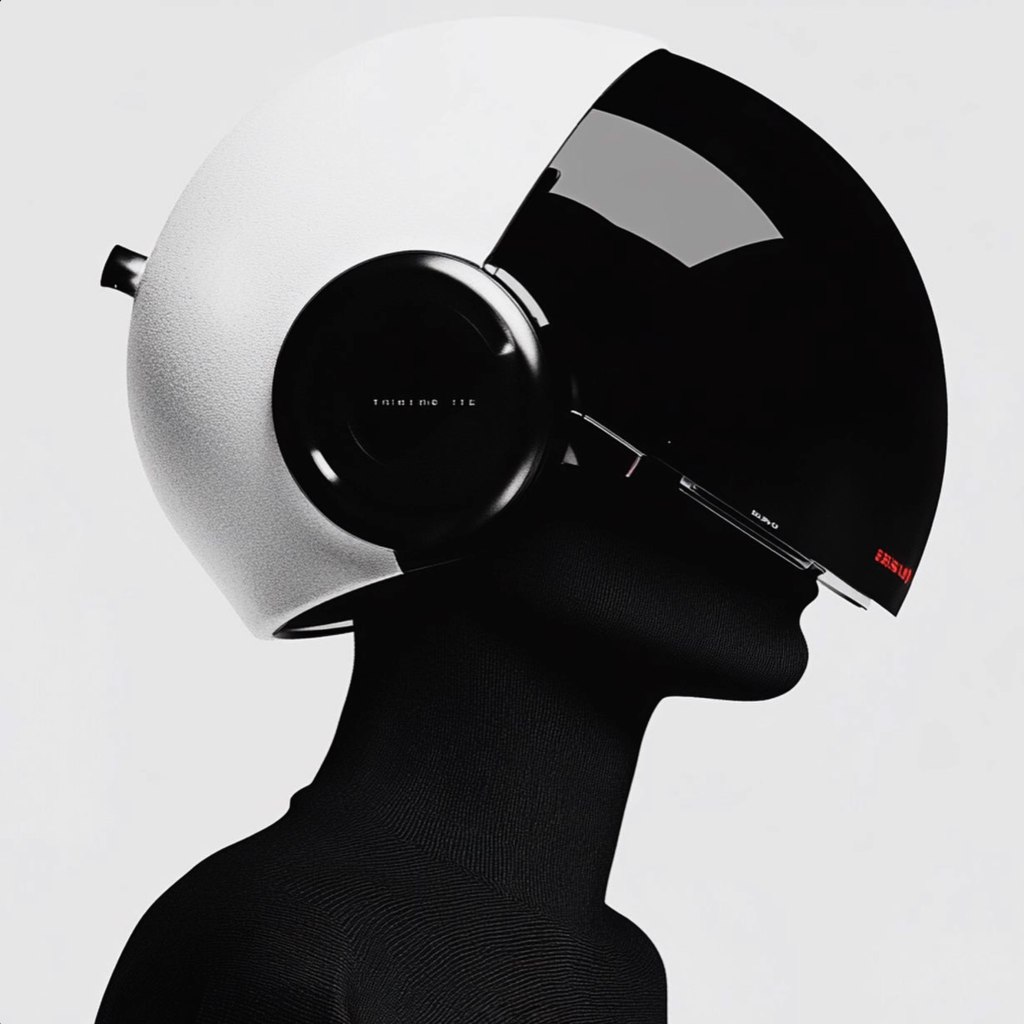
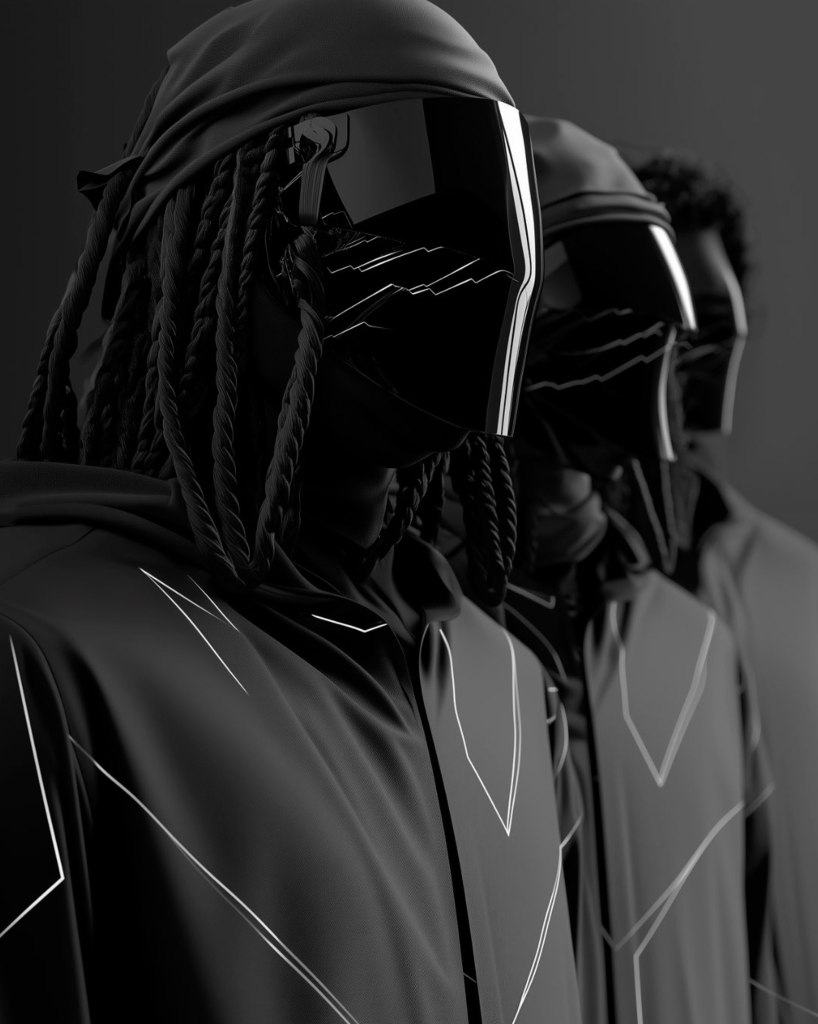
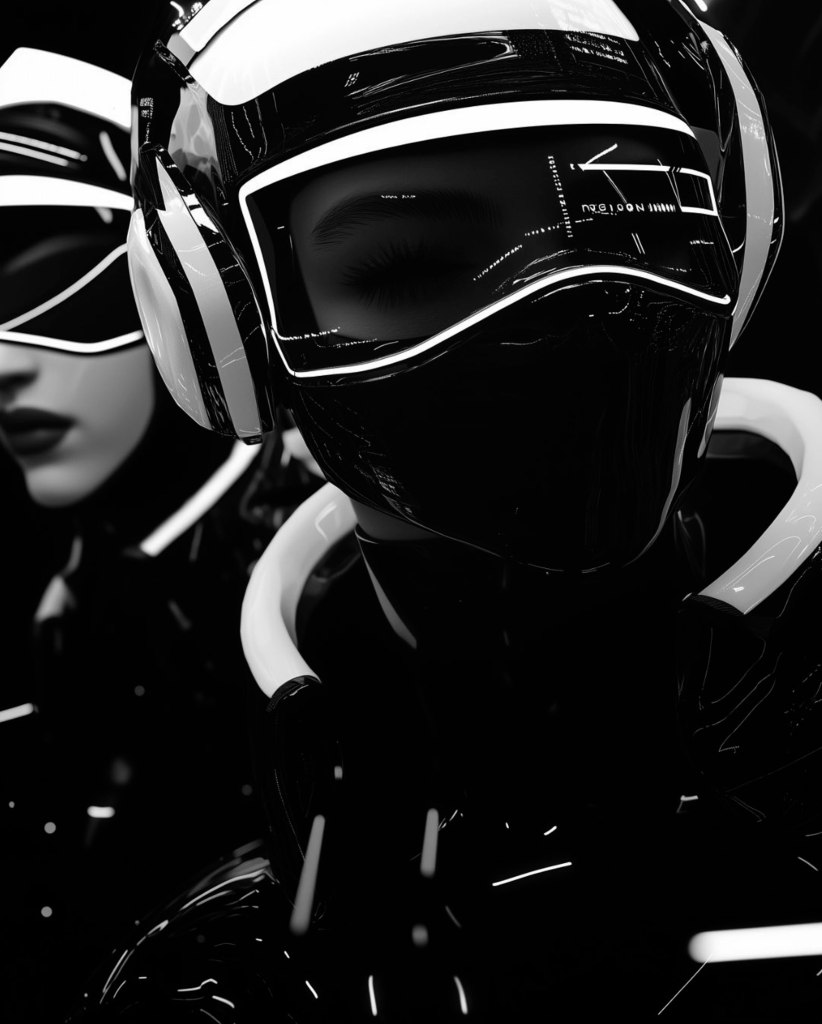
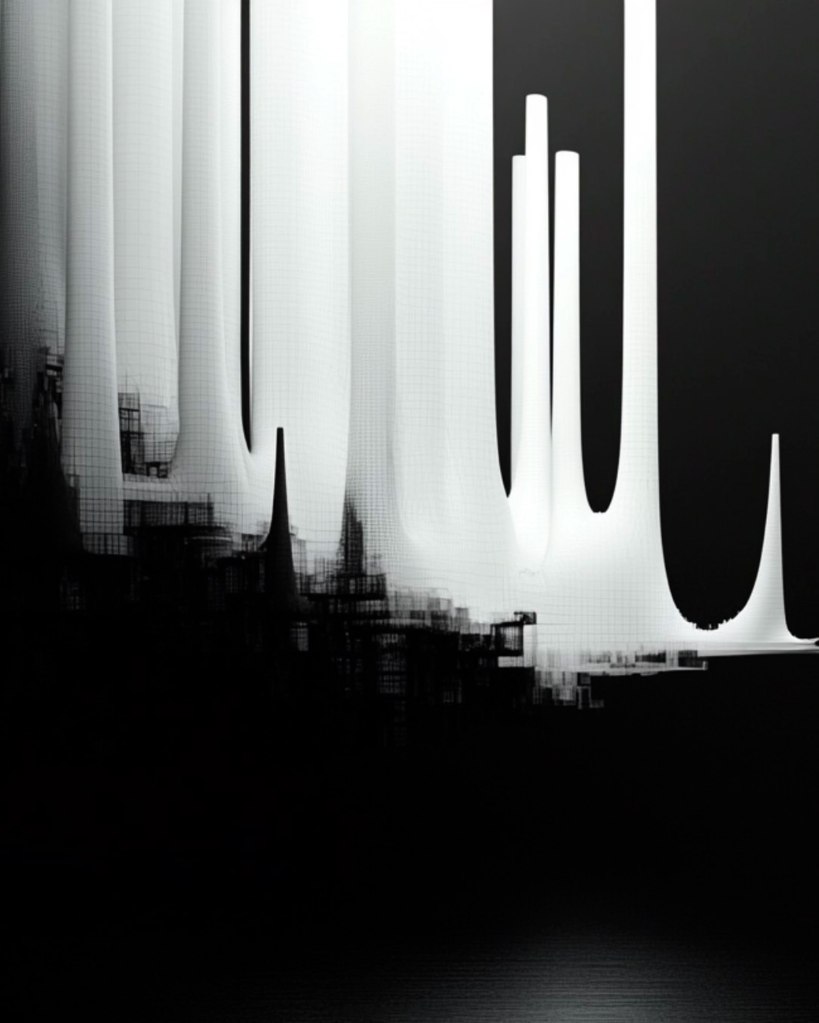
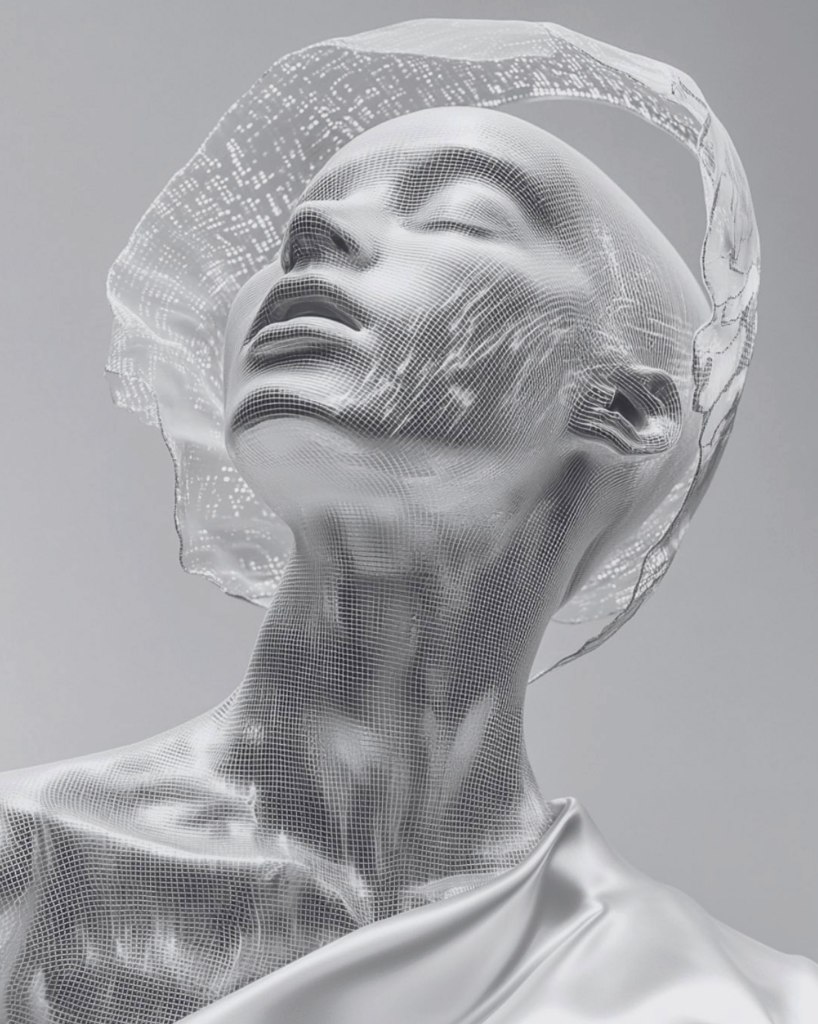
Kwano’s work thrives on a minimalist aesthetic, featuring black-and-white tones with sharp contrasts. This approach creates a clean, futuristic look while emphasizing textures such as matte and glossy surfaces. These visual cues evoke the sleek, high-tech feel of modern innovations.
How Monochromatic Designs Stand Out:
- Depth through contrasts: Glossy and matte finishes create layers of interest.
- Minimalist impact: By focusing on just two tones, Kwano’s designs avoid unnecessary distractions, reinforcing a sense of clarity and focus.
For designers seeking inspiration, monochromatic palettes also offer flexibility—they can adapt seamlessly across industries, from product design to fashion and architecture.
2. Futuristic/Cybernetic Themes: Beyond the Present
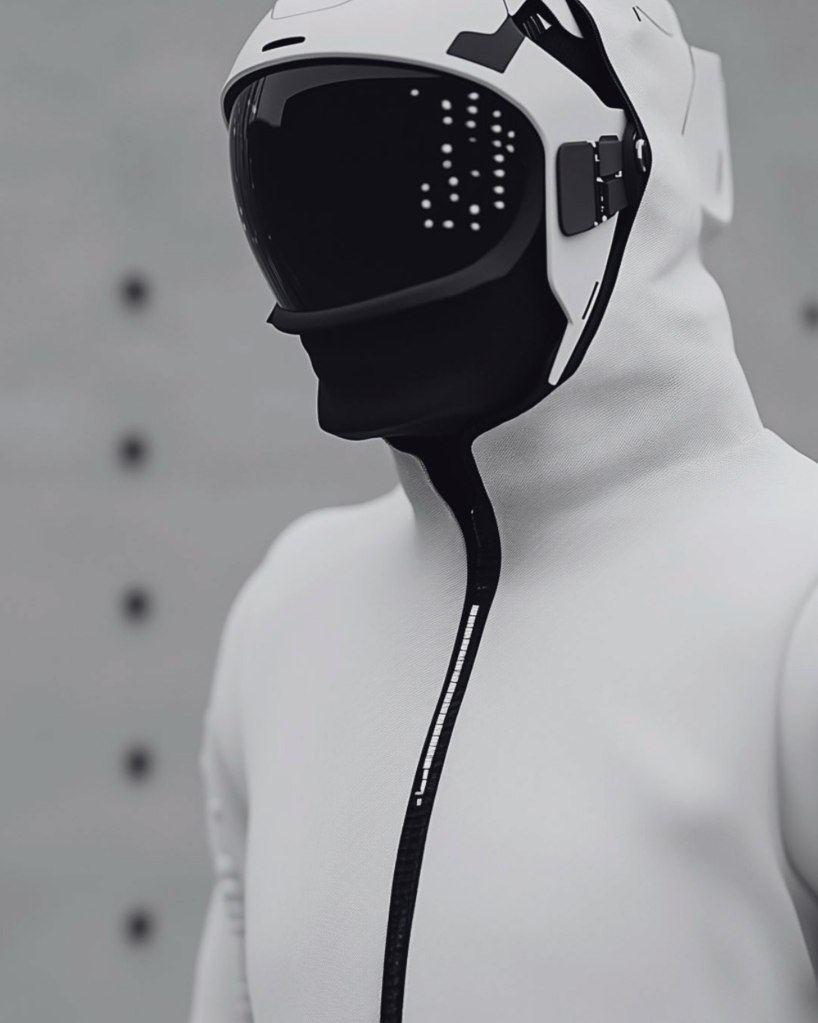
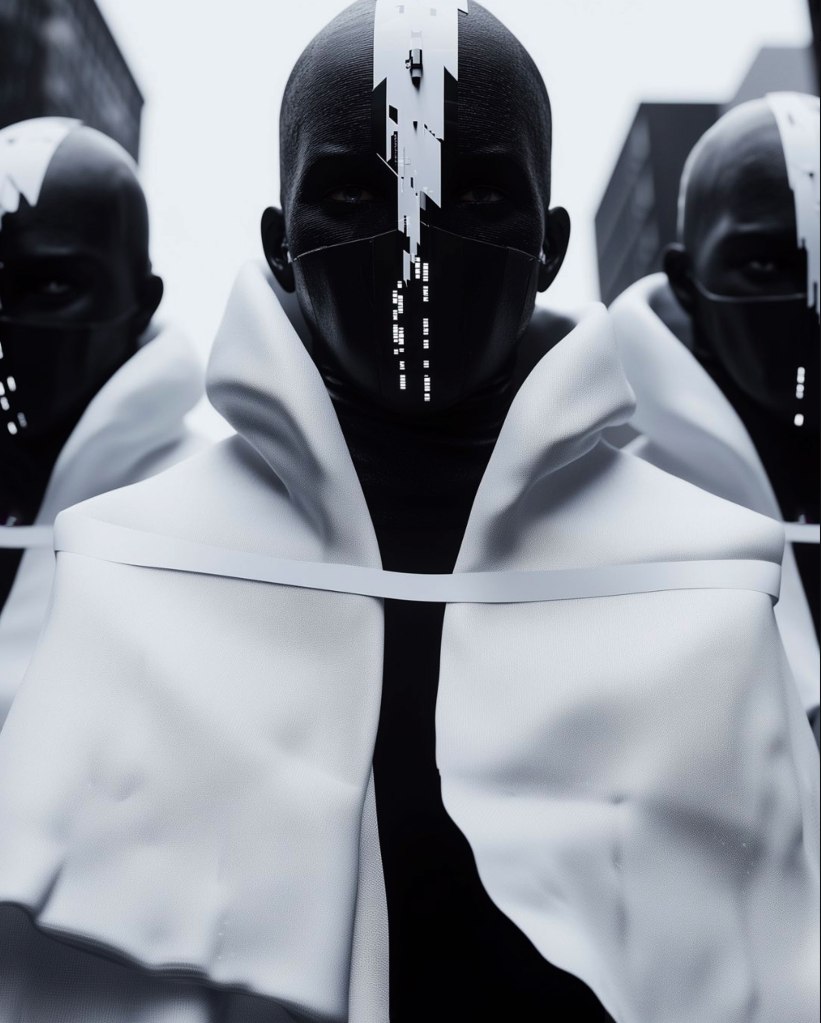
At the core of Kwano’s style lies a deep fascination with cybernetics and the interplay between humans and machines. Masks, visors, and geometric details in their visuals serve as symbols of a future where artificial intelligence and augmented reality blend into daily life.
Cybernetic Elements in Kwano’s Designs:
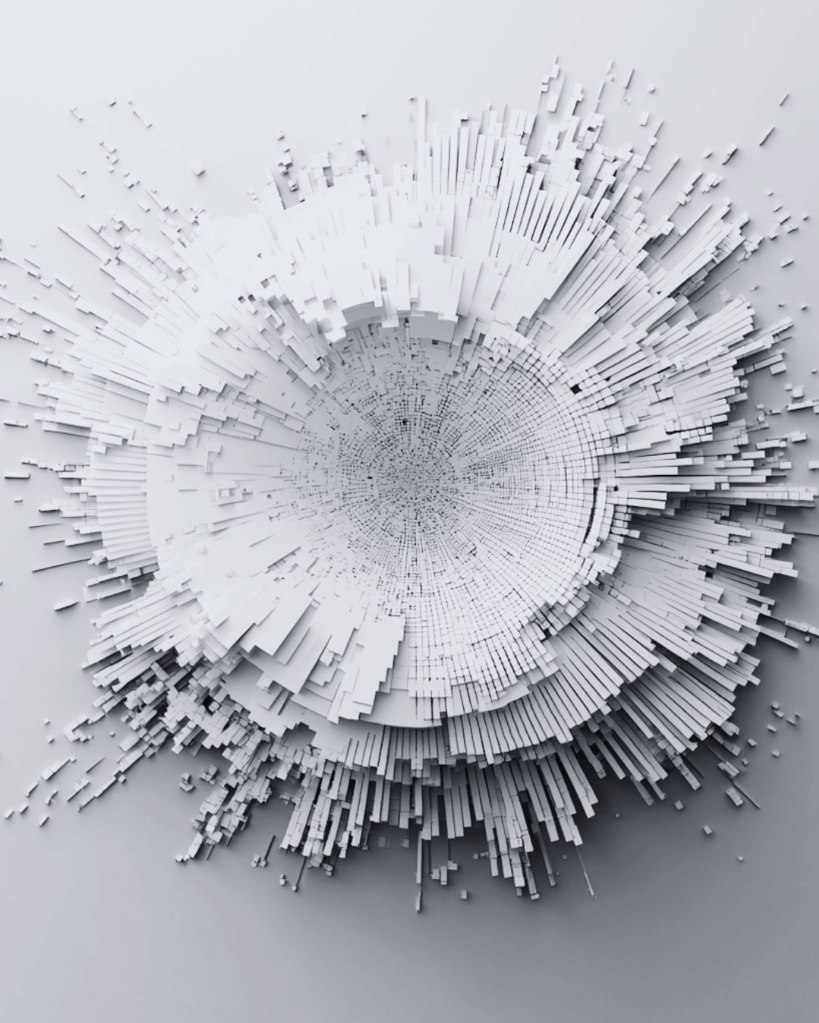
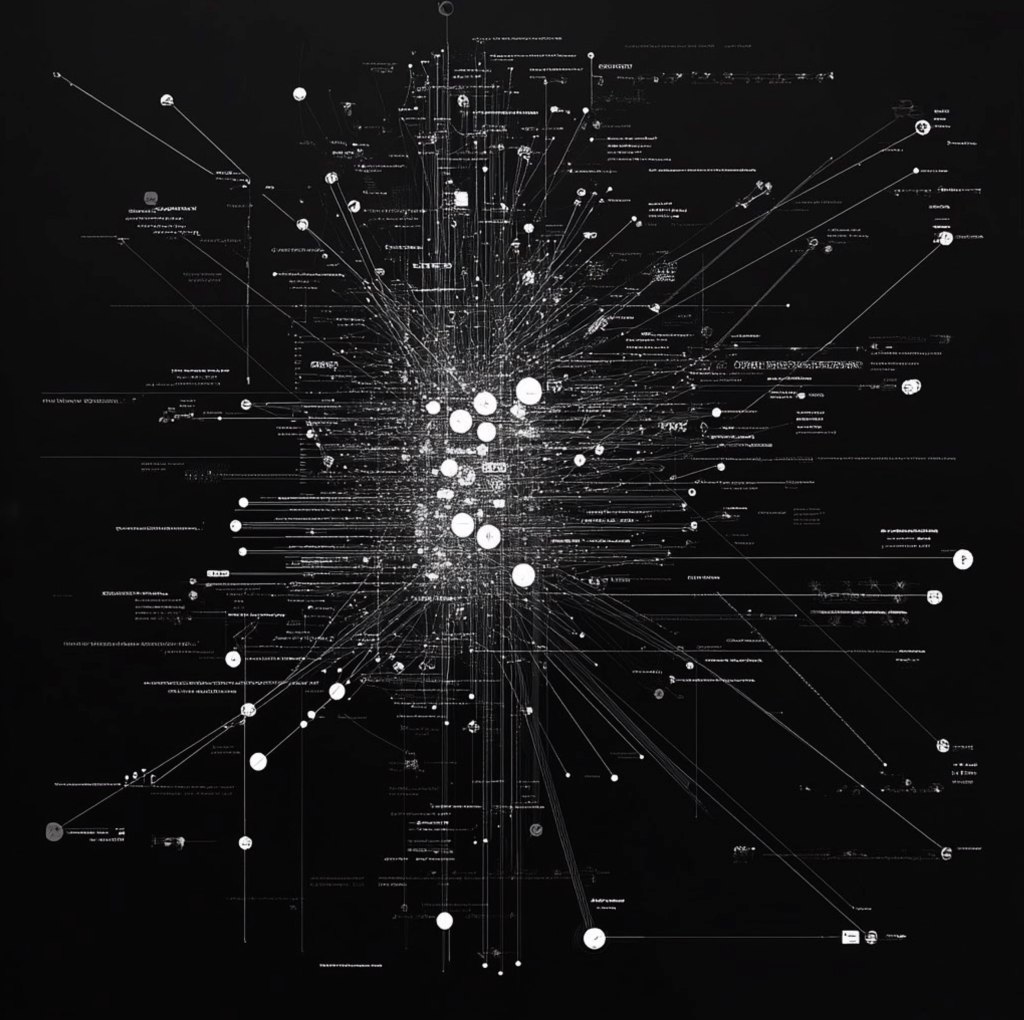
- Networked structures: Representing the interconnectedness of AI and humanity.
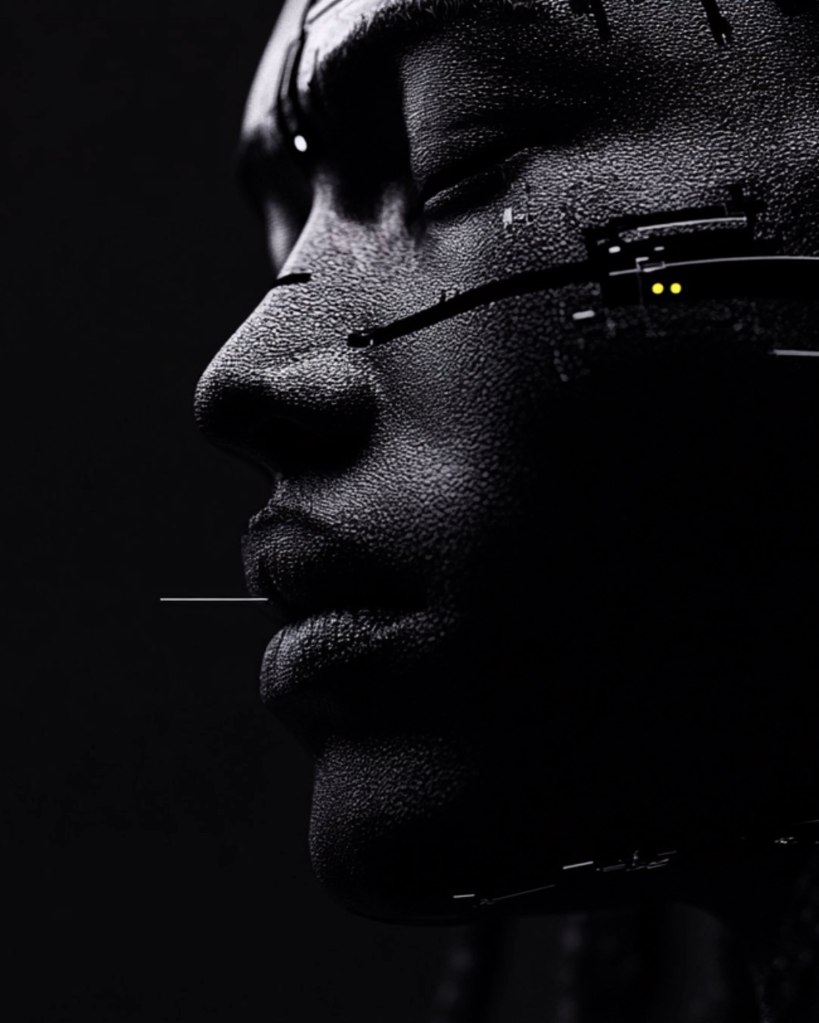
- Biomechanical aesthetics: Drawing inspiration from natural organisms and merging them with technological elements.
- Identity and uniformity: Through anonymized human figures, Kwano prompts viewers to reflect on individuality in a hyperconnected world.
This cybernetic narrative aligns perfectly with the clean cyberpunk genre, where traditional neon hues are replaced with minimalist aesthetics.
2. Contemporary Art and Graphic Design
Kwano draws heavily from contemporary artists like Refik Anadol, known for their ability to visualize complex data and futuristic concepts. The glossy, minimalist materials reminiscent of Philippe Starck’s designs may also inspire their product aesthetics.
Artistic Techniques to Explore:
- Generative art: Combining algorithmic designs with human creativity.
- Transforming data into visuals: Using AI tools to create futuristic textures and patterns.
3. Futuristic Fashion
Fashion brands like Balenciaga and Rick Owens influence Kwano’s work by embracing dystopian themes and cutting-edge silhouettes. These designers push the boundaries of traditional fashion with architectural forms and innovative materials, aligning with Kwano’s pursuit of technological minimalism.
Themes to Explore in Futuristic Design
Kwano’s designs explore critical themes that resonate with the modern world. Let’s break down some of these concepts:
1. Transhumanism: Merging Biology with Technology
Transhumanism—the idea of enhancing human capabilities through technology—is a recurring theme in Kwano’s work. This concept is visualized through textures and designs inspired by living organisms, such as visible implants or biomechanical patterns.
2. Technological Minimalism: Extreme Simplicity
Kwano embraces the idea of reducing both humans and objects to their most essential, abstract forms. Clean lines, symmetry, and precise geometry create a sense of control and perfection, mirroring the streamlined efficiency of technology.
3. Clean Cyberpunk: A New Aesthetic
Rather than relying on the traditional neon-lit chaos of cyberpunk, Kwano’s approach focuses on individuality and uniformity, presenting a stripped-down, refined version of the genre.
 Partfaliaz
Leave a comment