John Wong, also known as Nothing is Real, is a multidisciplinary artist based in the UK. He works across painting, film, theatre, and AI, navigating the “in-between” spaces of these art forms. His creations explore patterns and spaces, ancient fortune-telling algorithms versus modern superstitions, and the contrast between natural and artificial realities. Through his work, he also captures the solitude of everyday life.
A Career Marked by Innovation
Wong’s artistic journey includes several milestones. In 2002, his film “The Tourist” was screened at the 27th Hong Kong International Film Festival. Earlier, he participated in ARX5, a cultural exchange program in Australia and Singapore (1998-1999). This experience profoundly shaped his creative approach.
Award-Winning AI and Algorithmic Art
More recently, Wong’s work has gained international recognition. His algorithmic installation “RuShi” won the Best of Show Award at SIGGRAPH 2019 in Los Angeles. His projects have also been showcased at:
- Microwave International New Media Arts Festival (2018)
- ISEA2019 in Gwangju
- “Peer to Peer UK/HK” online exhibition (2020)
In 2023, he joined CTRL, an artist development program in Manchester, curated by The Lowry & Submerge Festival. His work continues to reach global audiences. In 2024, his AI artworks have been exhibited in London, New York, and San Francisco.
One of his latest AI pieces, “Lemon Yellow,” has been shortlisted for the Visual Art Open 2024 UK & International Emerging Artist Awards.
With a career blending tradition and technology, John Wong pushes the boundaries of contemporary art, proving that nothing is ever truly real—except creativity itself.
5 questions asked to John Wong
Can you introduce yourself ?
I’m John Wong, also known as Nothing is Real, an artist based in the UK originally from Hong Kong. My practice is multidisciplinary, spanning painting, film, theatre, and more recently, generative AI.
Through my work, I explore the convergence of these art forms, delving into the relationship between ancient fortune-telling algorithms and modern superstitions, as well as the tension between natural and artificial realities.
My work often reflects on the solitude and disconnection that permeate modern life, all while exploring how different artistic mediums, both traditional and digital, can reflect and distort our perception of reality.
How long have you been using generative AI?
I began incorporating generative AI into my creative process in 2023. Since then, it has become my primary tool, empowering me to explore new avenues in visual art without the limitations of traditional mediums.
AI allows me to bypass physical constraints and create complex works that feel deeply personal and introspective. More than just a tool, AI has become a collaborator in my practice. I see it as a key driver in my exploration of how technology is transforming human experience, asking fundamental questions about the role of machines in the creative process.
Art has always evolved alongside technological advances—whether through painting, photography, or digital media—so it feels natural for AI to be the next chapter in this evolution. Rather than seeing AI merely as a tool, I embrace it as an integral part of my creative journey, redefining what art can be in the age of computation.
What is your main source of inspiration currently?
My main source of inspiration comes from everyday life and the inner workings of my own mind. I use AI to delve into this evolving dialogue between my conscious self and subconscious thoughts.
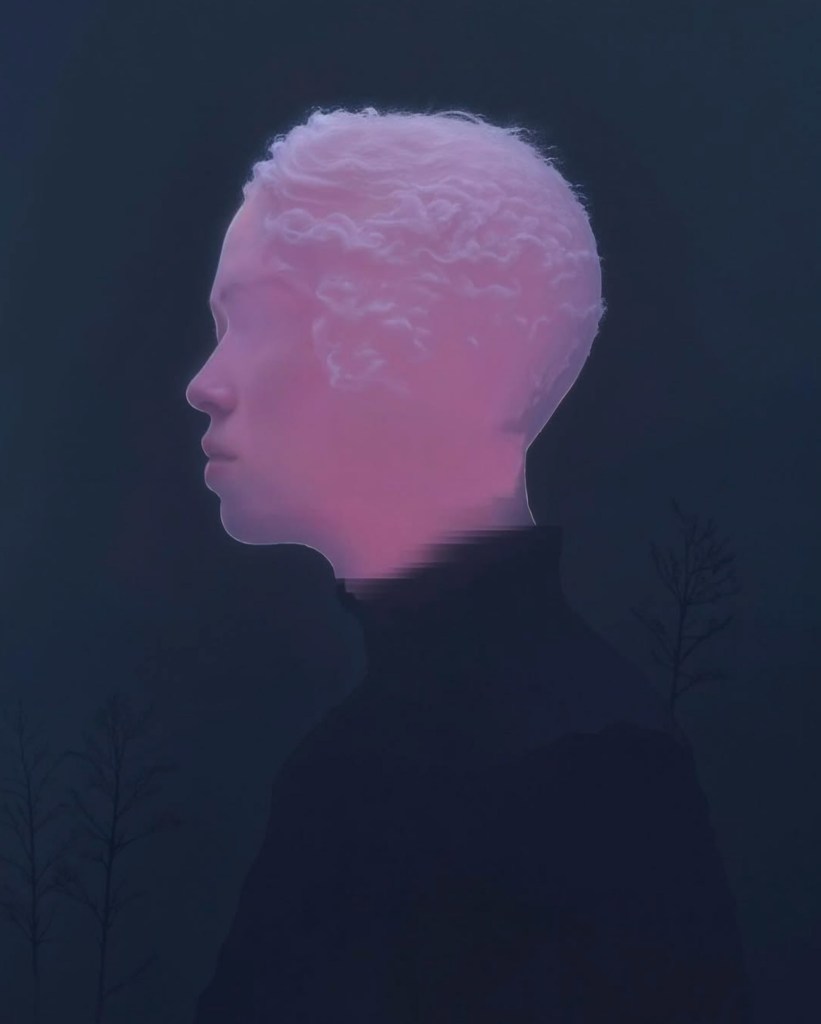
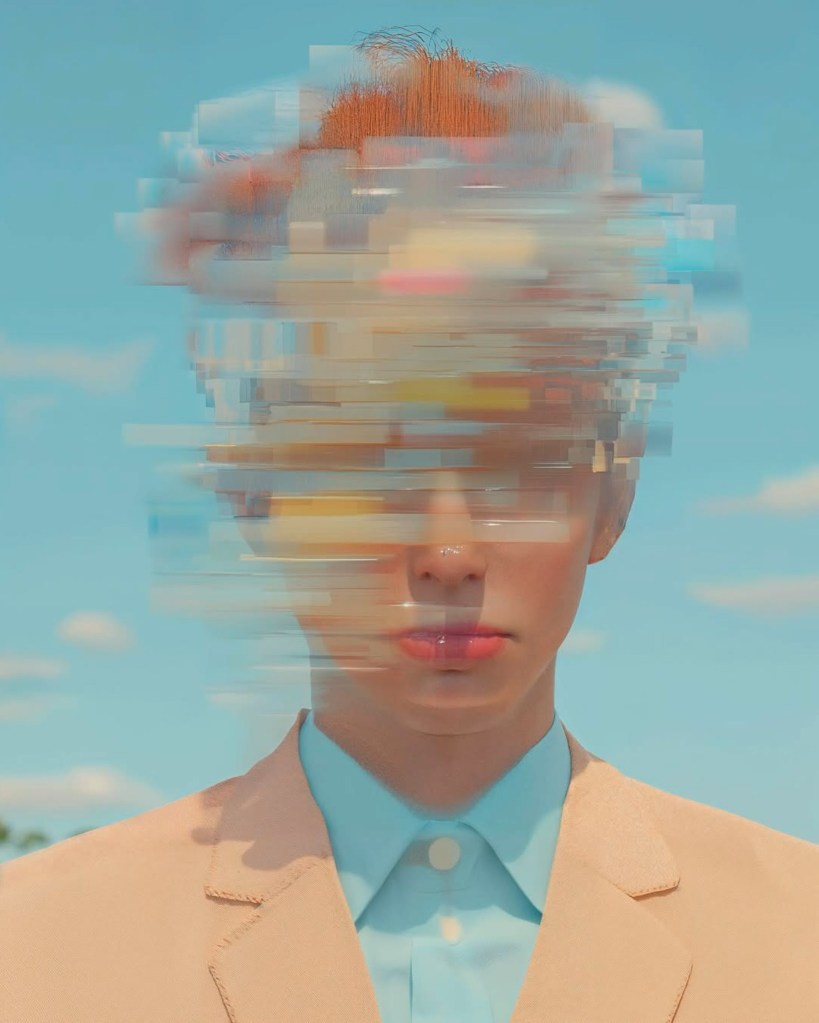
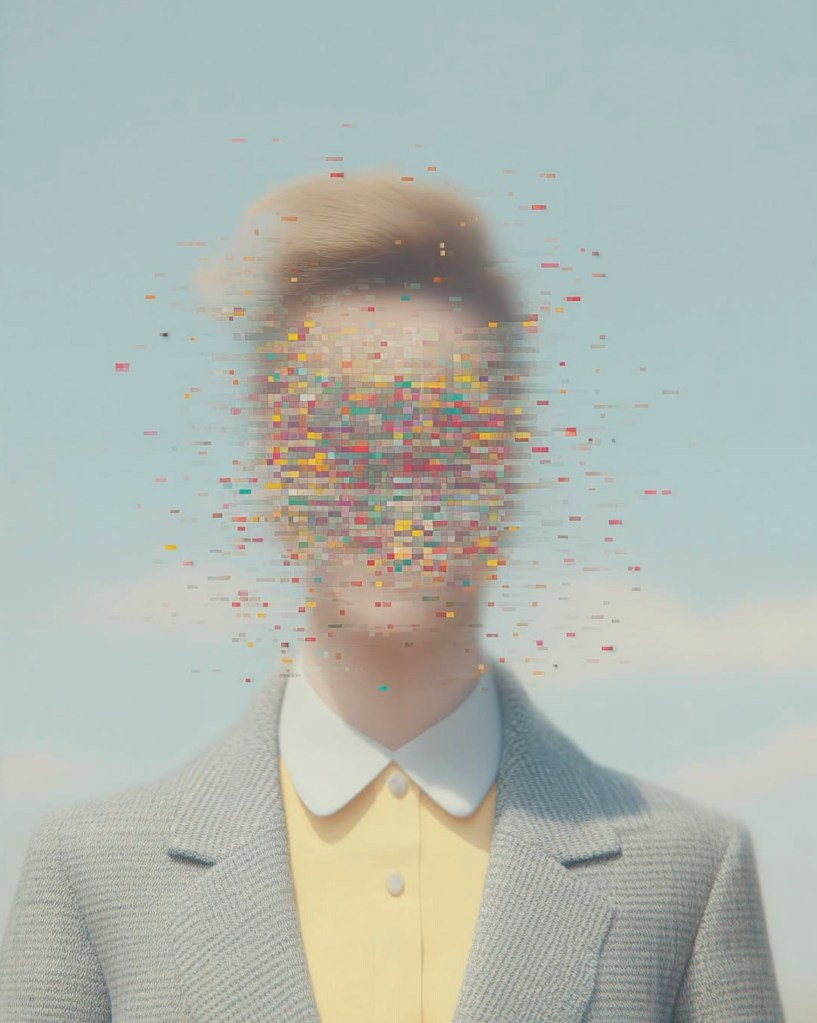
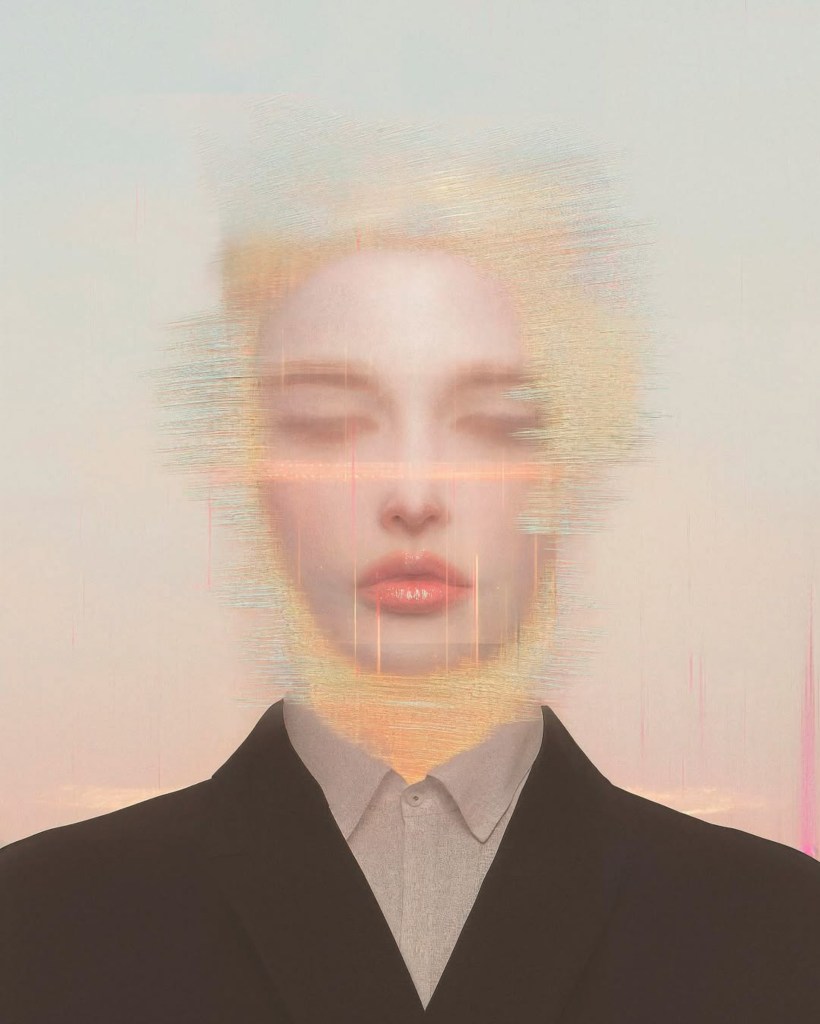
With abstract prompts, I explore how the machine interprets human language and emotions, creating works that often reflect the fractured, fragmented nature of modern identity. My works are a fusion of the human and the artificial, where the distortion of faces and expressions speaks to the complexity of self-perception in an increasingly digital world. Each artwork captures the delicate balance between intention and randomness, revealing layers of meaning that would be impossible to express without the help of AI.
For me, AI is like a modern-day camera, but instead of just capturing the external world, it can uncover unseen, parallel realities from within. It’s like seeing through a lens that can capture infinite variations, each iteration offering a new perspective, a new world, waiting to be explored.
Which AI tools do you use?
I primarily use Midjourney, as it gives me great control over the style and beauty of the images I create. Its ability to generate aesthetic and abstract visuals makes it perfect for my creative vision, especially when I’m not aiming for realistic imagery but instead want to create something more ethereal and emotional.
My “secret sauce,” however, lies in my approach to the AI’s unpredictability. Much like playing with a slot machine, the creative process with AI can often feel like an adventure into the unknown. This randomness is not something I try to avoid; instead, I embrace it as a vital part of the artistic process. AI opens up a world of endless variations, and each one offers a new perspective that I may not have considered.
The key is not trying to control every outcome but to allow the AI to surprise and challenge me, which often leads to discoveries I couldn’t have planned. In my practice, the interplay between my ideas and the algorithm’s outputs is where the most interesting and meaningful art emerges.
Any advice for those who want to get started with AI art?
If you’re curious about AI art, I encourage you to jump in and explore. AI is not just a tool in an artist’s kit—it’s a new way of seeing and interacting with the world. As Walter Benjamin discussed in “The Work of Art in the Age of Mechanical Reproduction,” technological advancements have always changed how art is perceived and consumed. Photography, for instance, altered our relationship with reality, and now AI is pushing this boundary even further.
For anyone looking to start, I would suggest embracing curiosity and experimentation. AI may seem intimidating at first, but it’s all about allowing the machine to collaborate with you and open up new dimensions in your work. It’s not about perfection or mastery—rather, it’s about discovering new perspectives and unleashing creative potential that was previously beyond our reach. Art, at its core, is a process of self-exploration, and AI offers a unique opportunity to expand that journey.
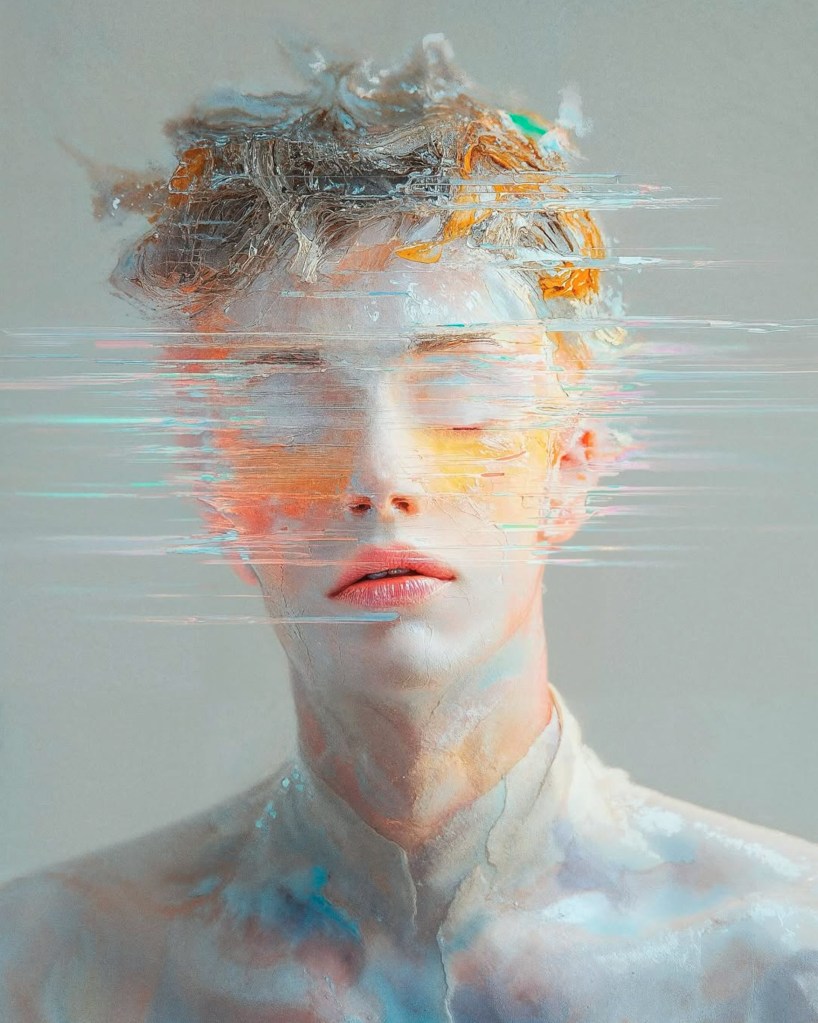
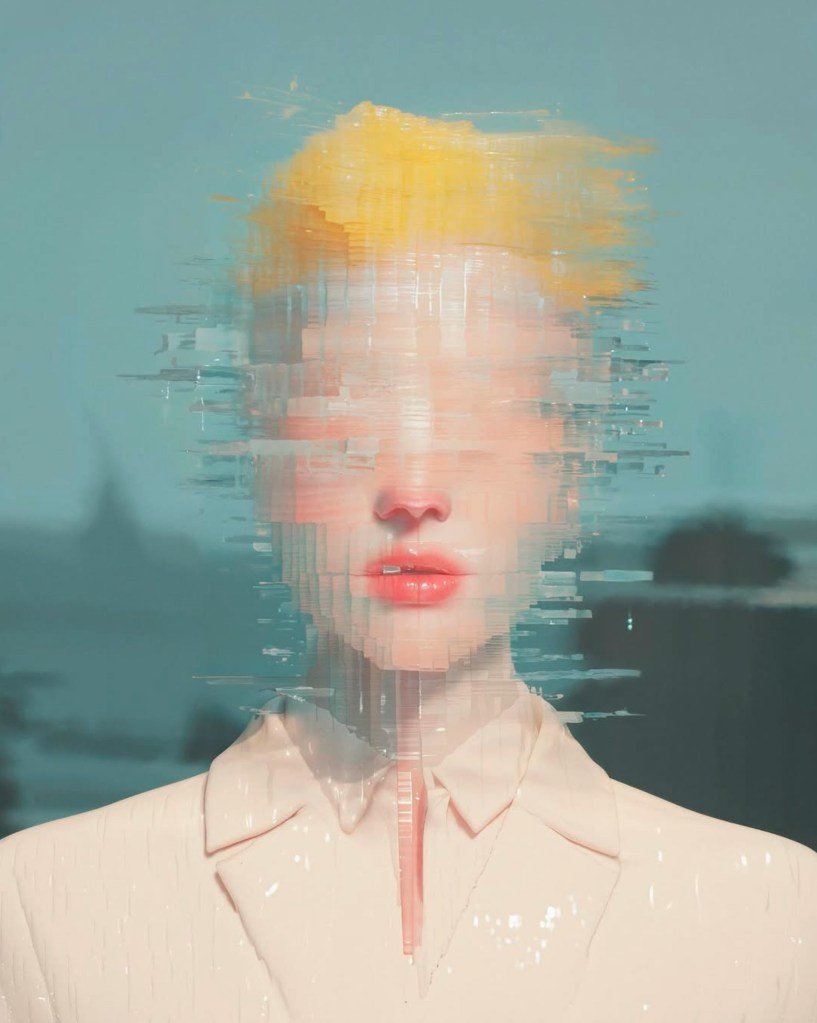
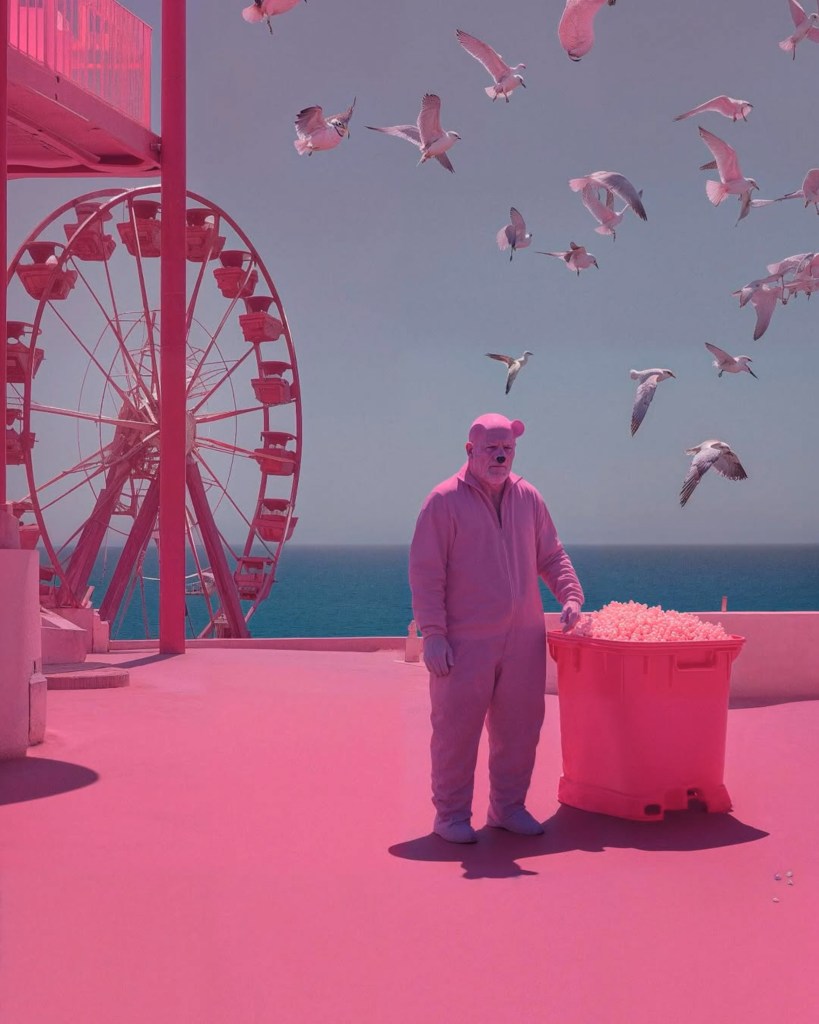
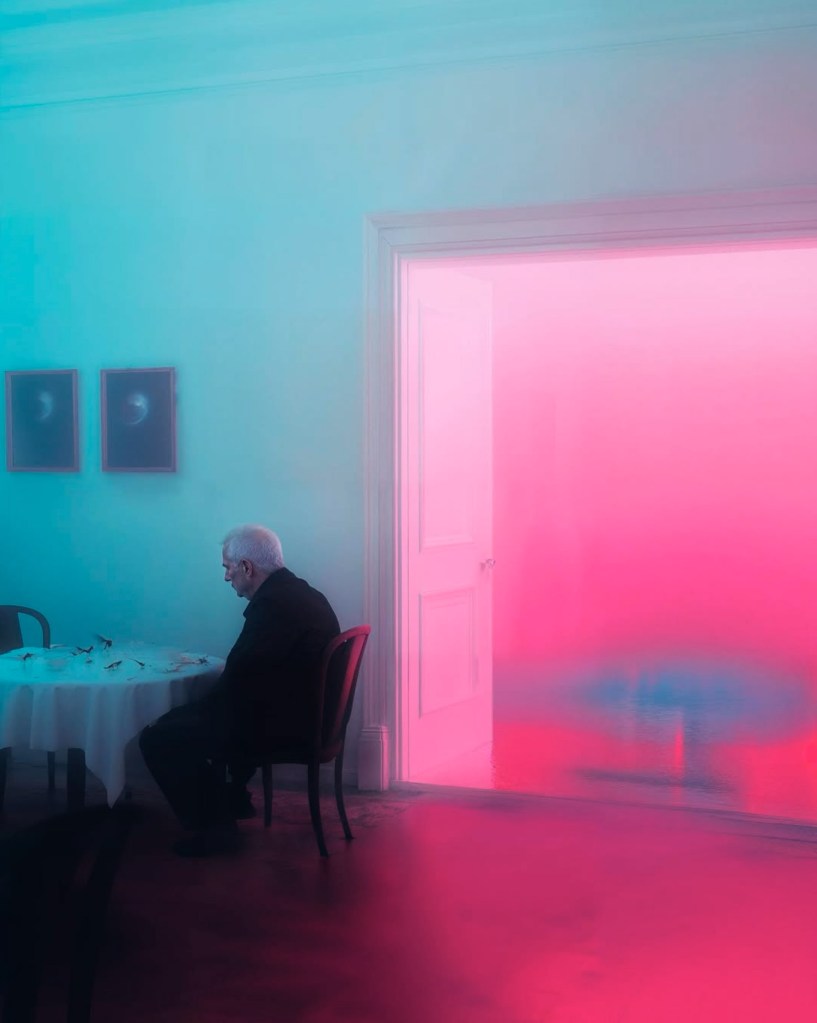
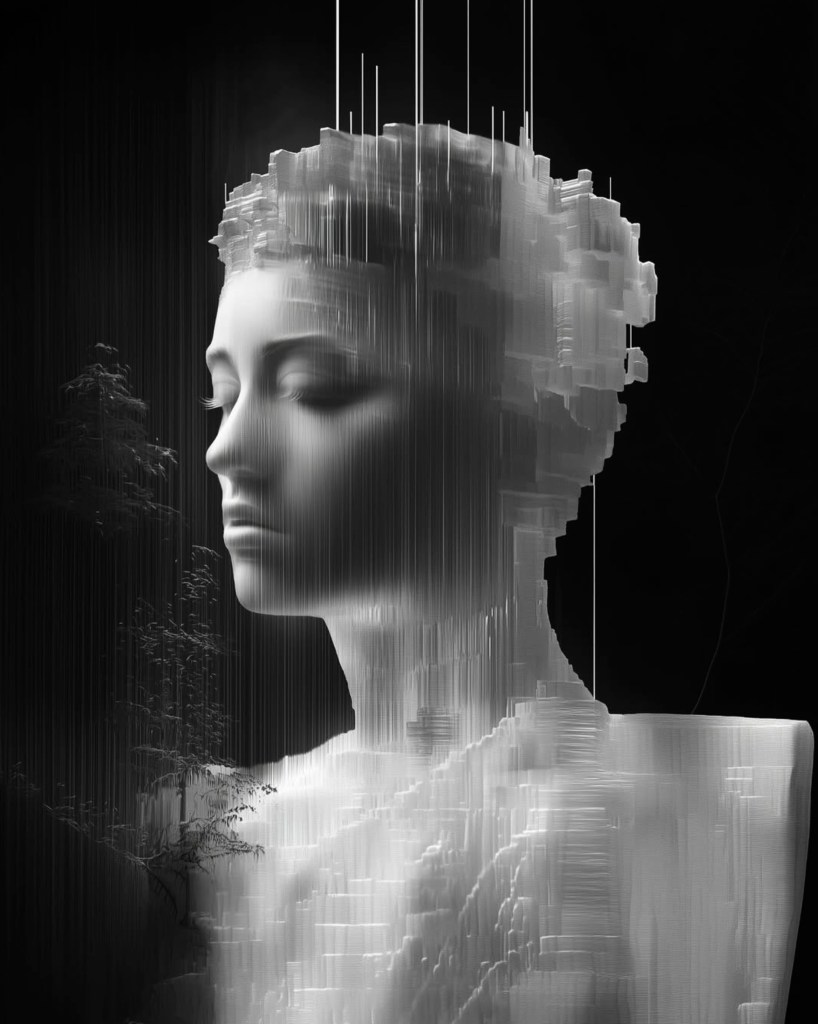
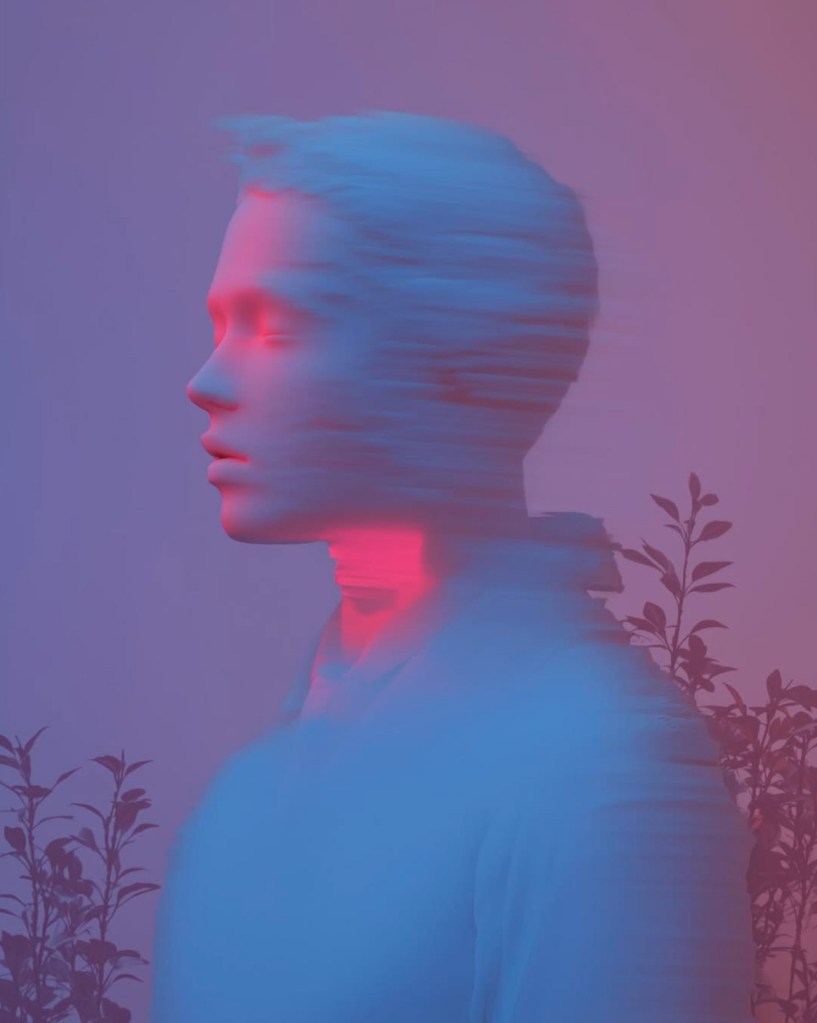
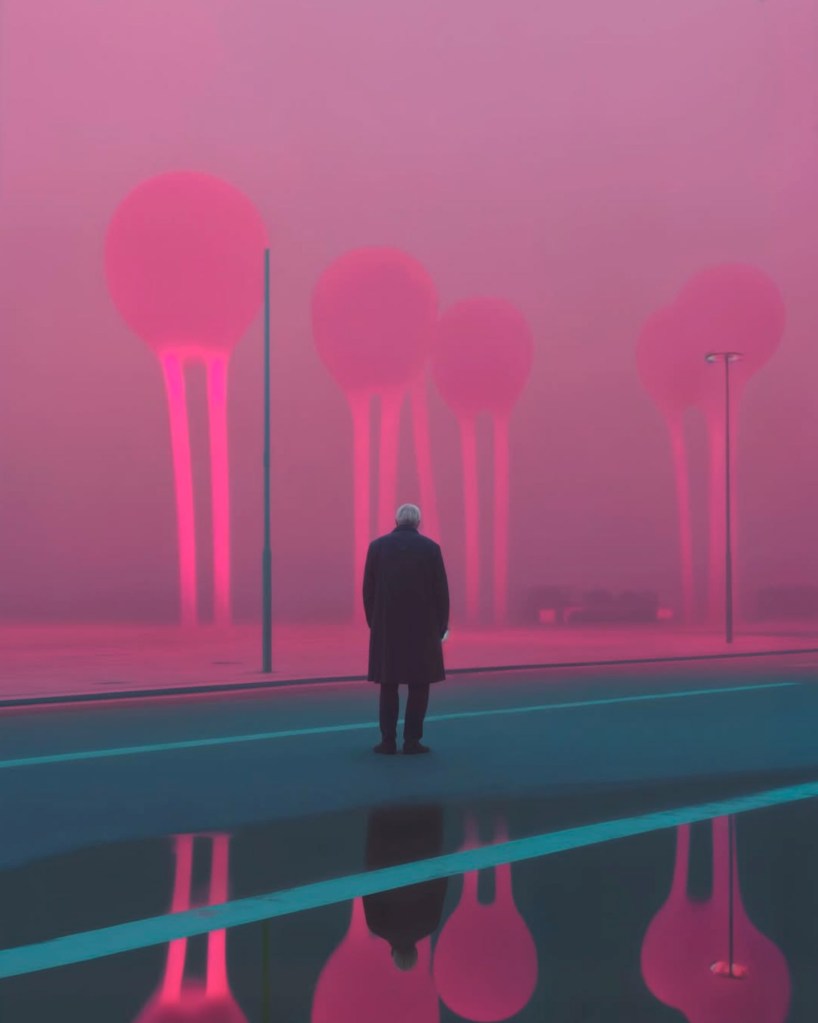
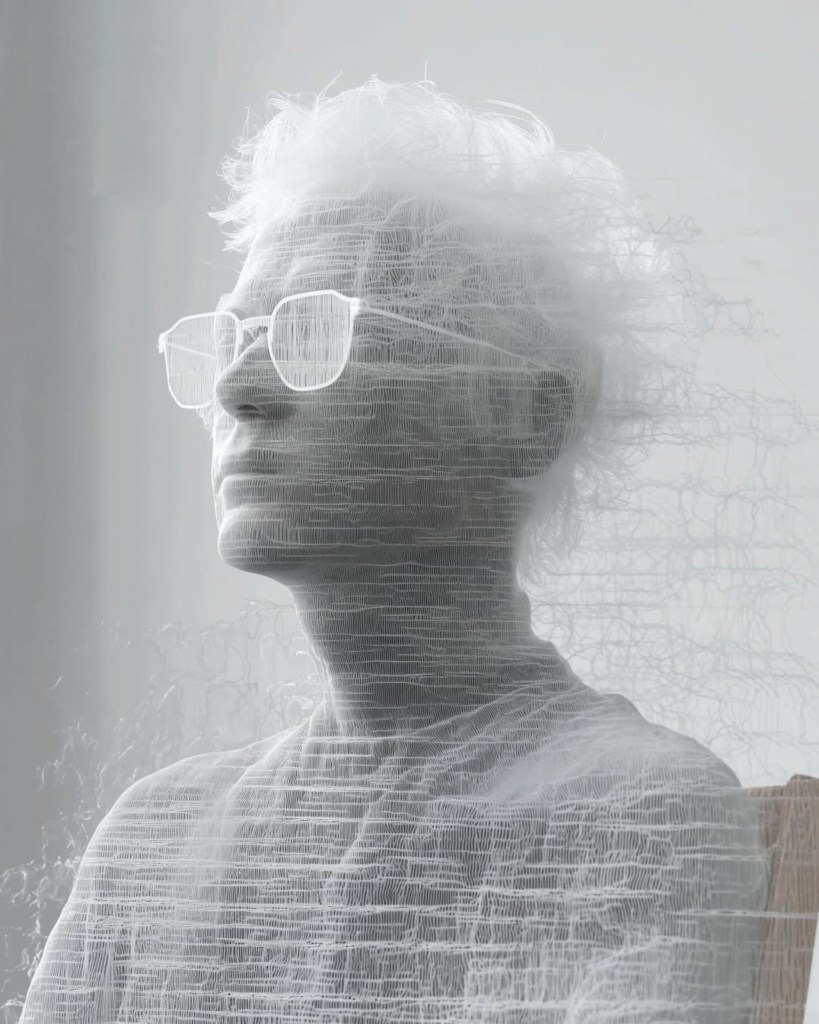
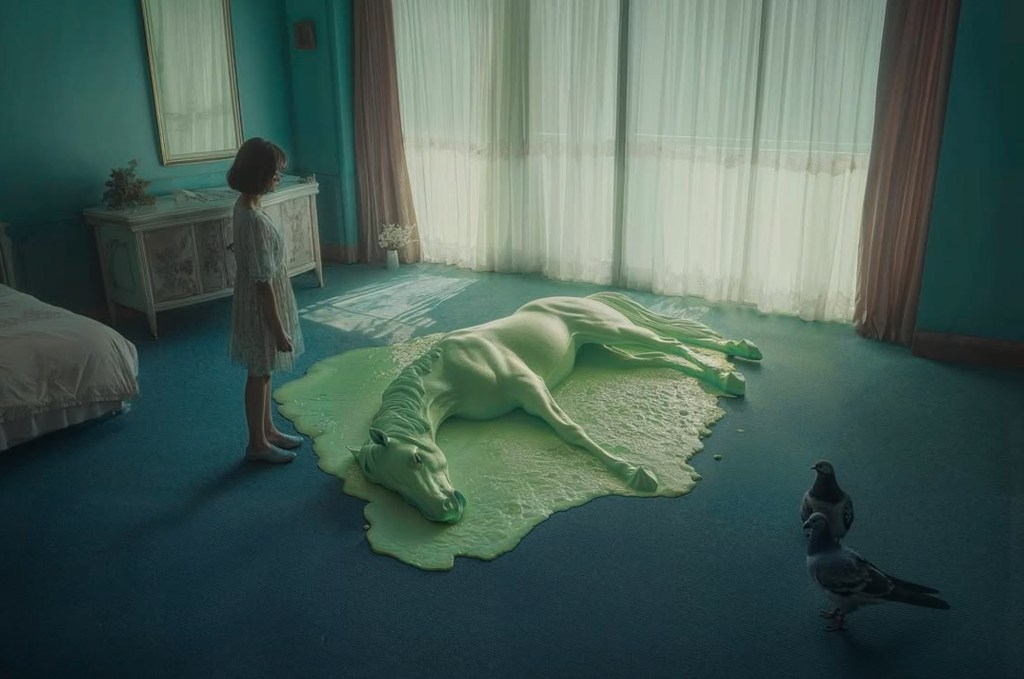
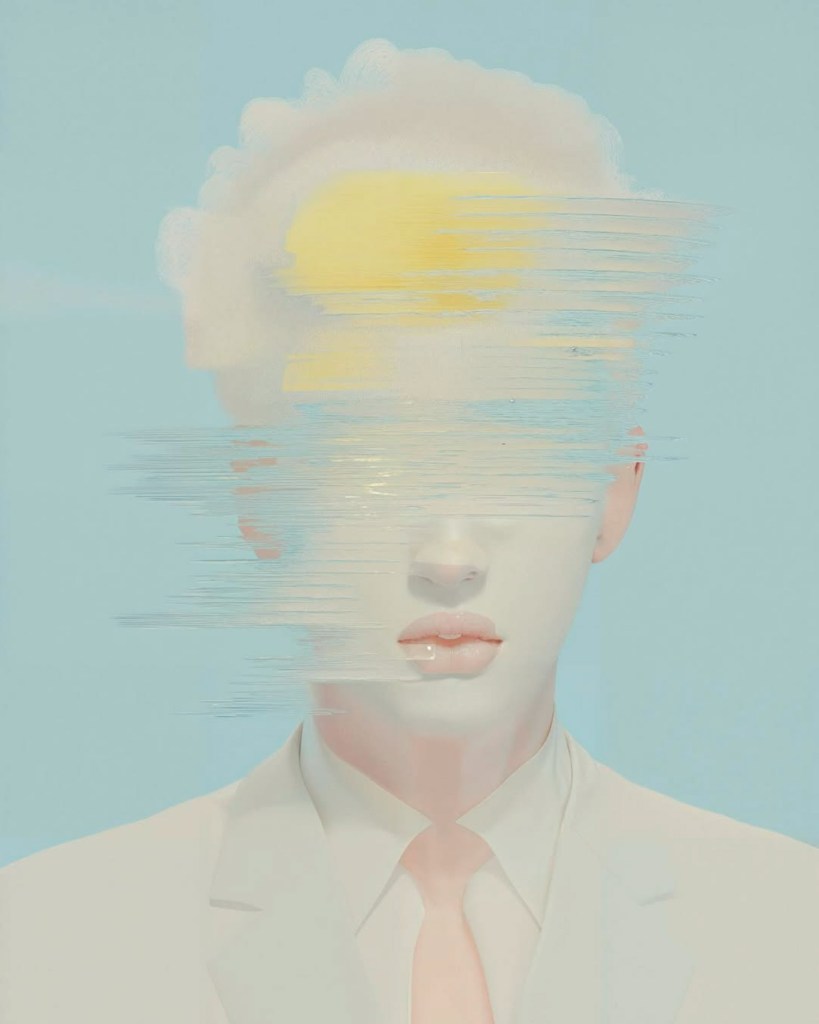
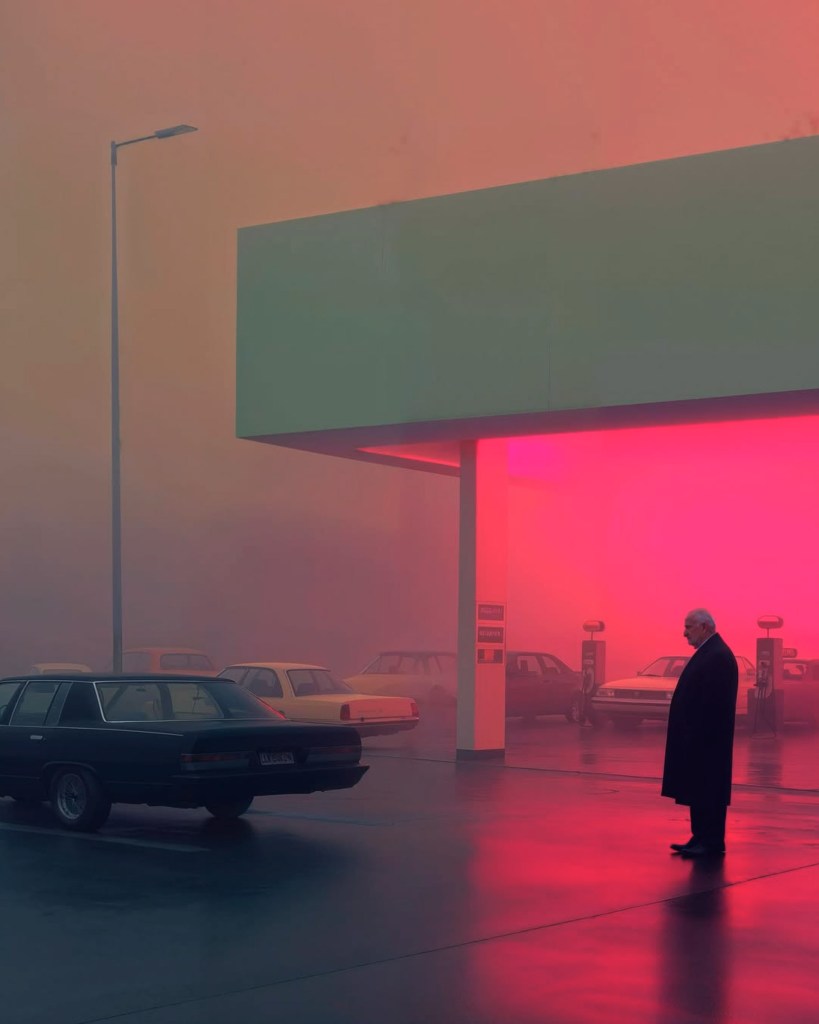
Images © John Wong
 Partfaliaz
Leave a comment