Some artists pivot. Others evolve.
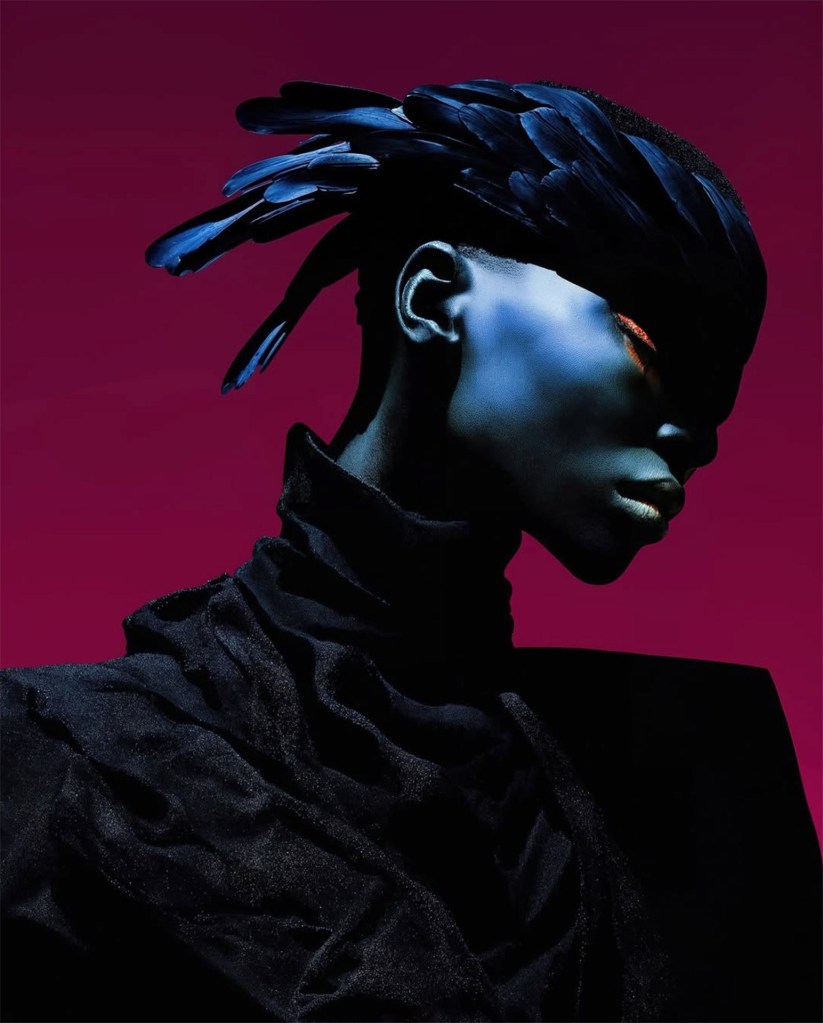
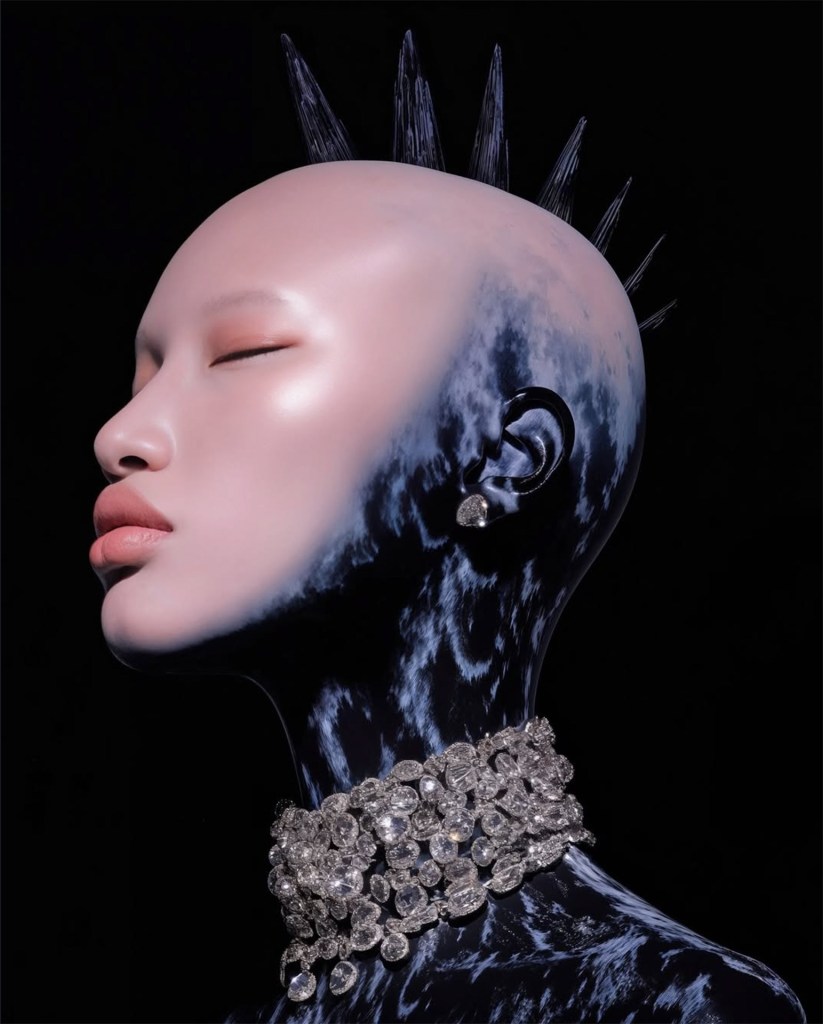
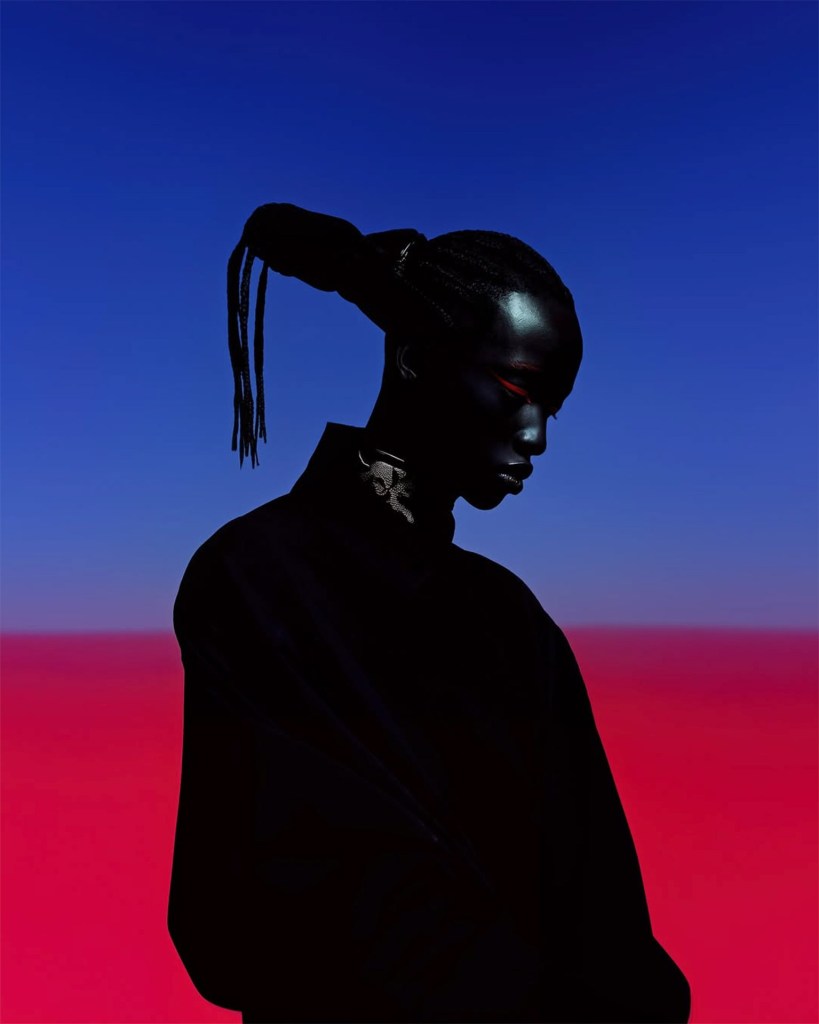
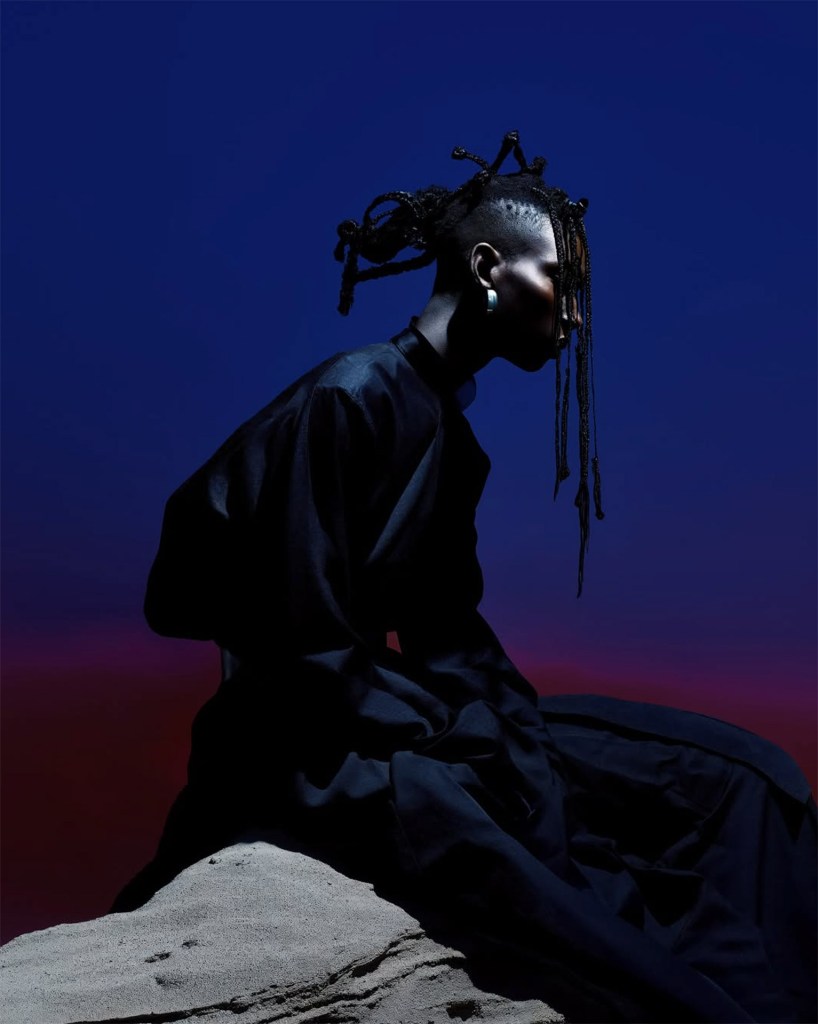
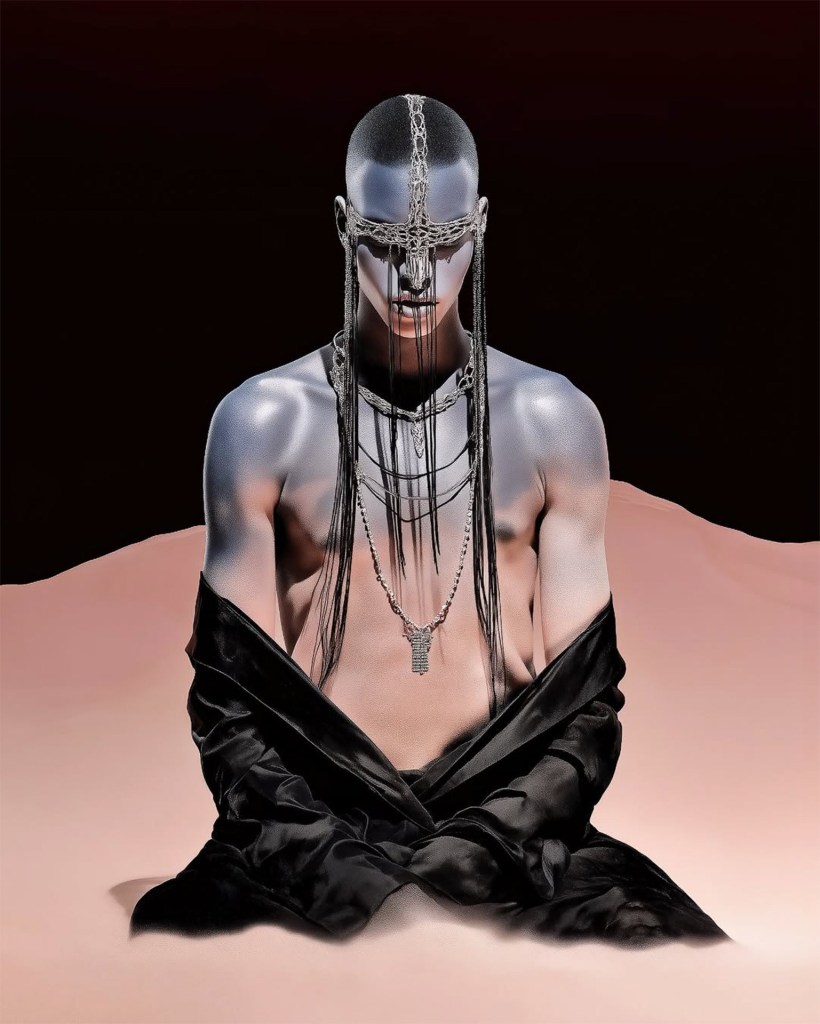
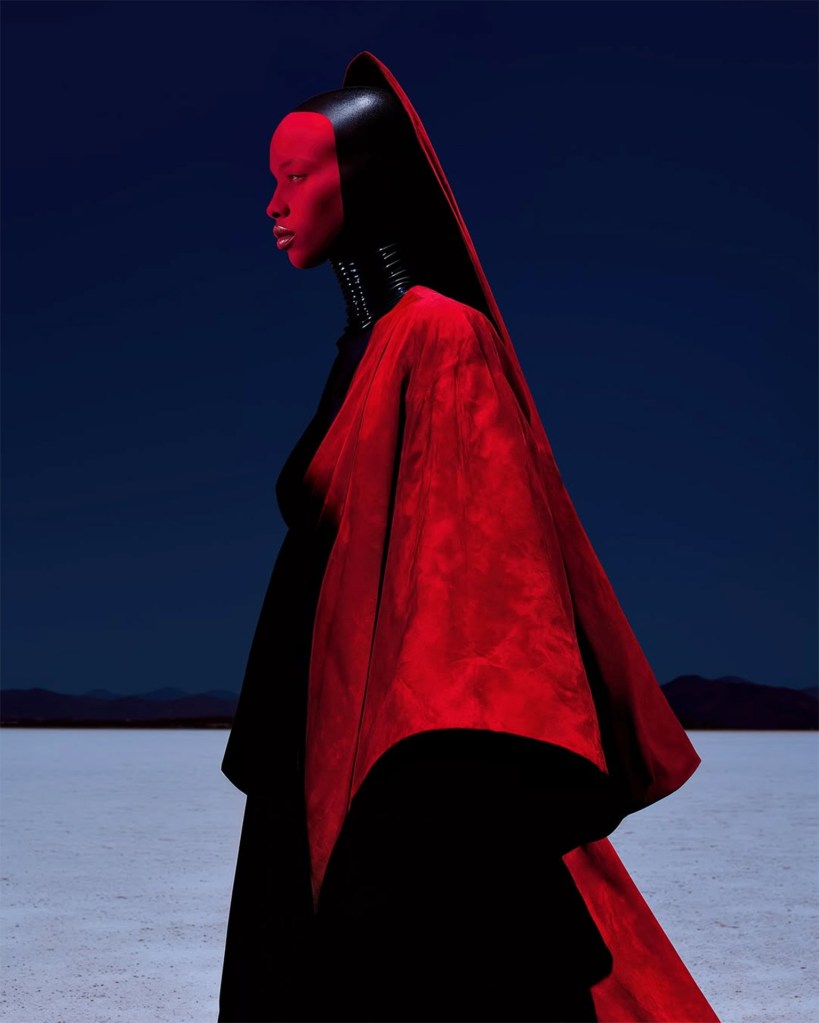
Matthew Coleman, known professionally as DAI (designbydai on Instagram), belongs to the second category. The Berlin-based visual artist hasn’t abandoned his roots in fashion photography and film. Instead, he’s extended them into generative AI.
A Practice of Continuity
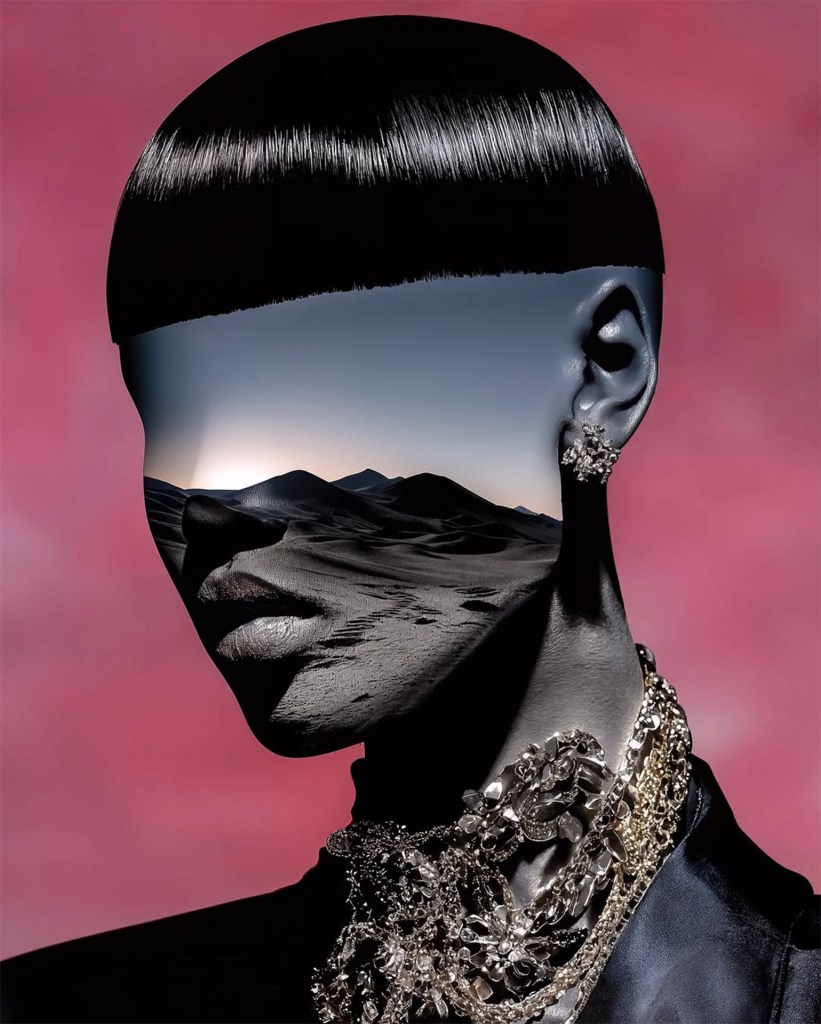
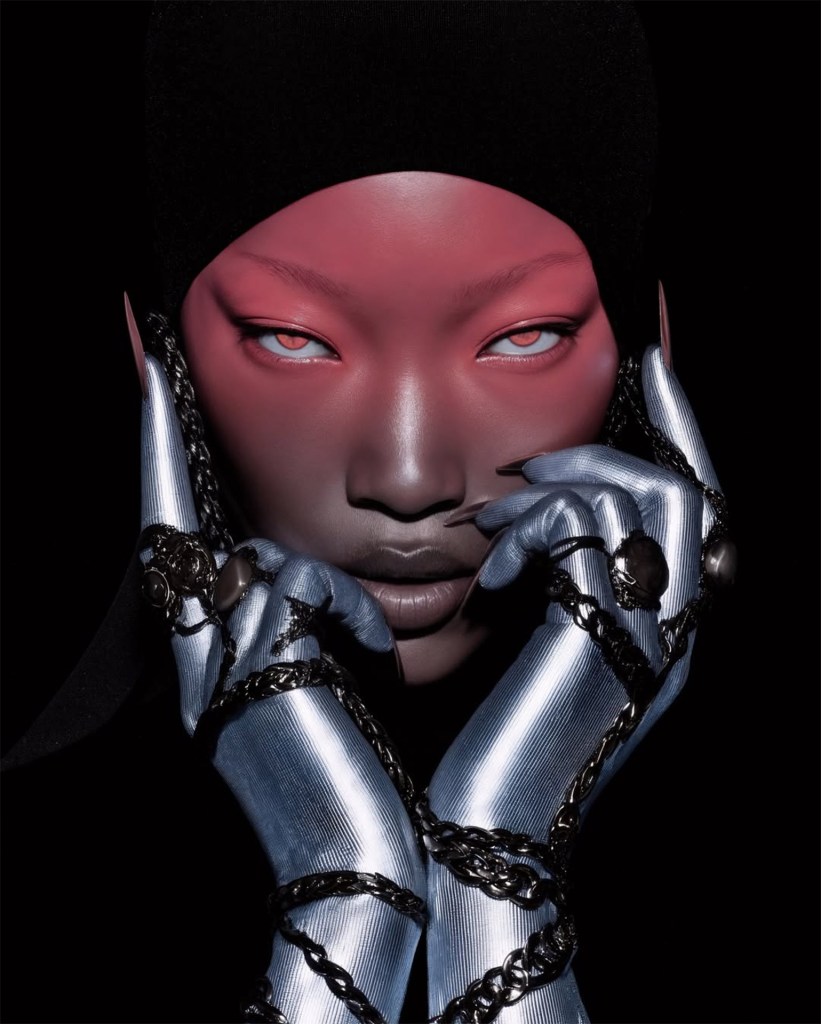
Internationally recognized for his minimal palettes and graphic compositions, DAI creates work that feels both sculptural and deeply human. His images carry the conceptual weight of fashion photography. Yet they emerge from an entirely different process.
What drives his practice now? How does a photographer translate vision into prompt? And what role does accident play in intentional work?
Beyond the Algorithm
In our conversation, Coleman opens his creative methodology. He discusses the intersection of realism and imagination. He reveals how technology shapes – but doesn’t dictate – his visual language. And he shares the philosophical shift that transformed limitation into liberation.
For emerging AI artists, his insights cut through the noise. This isn’t about chasing trends or mastering shortcuts. It’s about obsession. Repetition. And learning when to surrender control.
The Art of Letting Go
Coleman’s approach challenges common assumptions about AI art. His process is meticulous. His tools are layered. His final images result from extensive refinement, not single generations.
But perhaps most importantly, he’s discovered that some of the most compelling work emerges not from perfect execution, but from embracing the unexpected.
In DAI’s practice, control doesn’t disappear. It transforms. And that transformation is where the art lives.
Read the full interview to discover his complete creative philosophy:
Can you Introduce yourself?
I’m Matthew Coleman, working under the name DAI. My practice has always revolved around weaving worlds through images — first through drawing, video, photography, writing and fashion, and now through GEN AI. For me, AI isn’t a pivot, but a continuation — another way of shaping sculptural, imaginal spaces where identity and form are still becoming. I’m British and based in Berlin.
How long have you used genAI?
I began using AI during a period when I couldn’t photograph physically, and it quickly became a way to continue building images. What started as exploration revealed itself as a natural extension of my image-making practice. Rather than replacing photography or film, it expanded the field — allowing me to construct worlds with a different set of instruments. It has since become the central medium of my professional work.
Biggest inspiration currently?
What inspires me most right now is the convergence of realism and imagination. For nearly two years, I explored highly sculptural, surreal forms while waiting for the technology to reach the level of realism that once defined my fashion and portrait work. Only recently has it felt possible to return to that language — building concept-driven, creatively directed collections with the same intensity, mystery and poetry I once brought to photography and film. It feels like weaving past and present together in the now.
Which tools do you use most?
I primarily use Midjourney to generate the initial image — it’s often closer to a sketch than a finished piece. From there, I move through Leonardo’s Universal Upscaler and Topaz Gigapixel to recover detail and realism, before refining everything in Photoshop for cohesion and precision. Generative tools are still limited in many ways; the realism in my final work comes from layering, correction, and a lot of manual shaping. The model opens the door, but the final image is constructed through process.
Any advice for AI art beginners?
Pour time into it. Obsess over it. Like anything else, you only improve by doing it again and again. I used to hit a wall trying to force highly precise concepts out of AI — and that way points to temporary insanity. Some of my most visually arresting works were born from accident, novelty, even hallucination within the models. I work conceptually, but I’ve learned that surrendering total control is often what allows something truly unique to emerge.
Represented by @museum_of_artificial_art
@frmwrk.ai & Kartel MEMBER @kartel_ai
CCP: @leonardoaiofficial
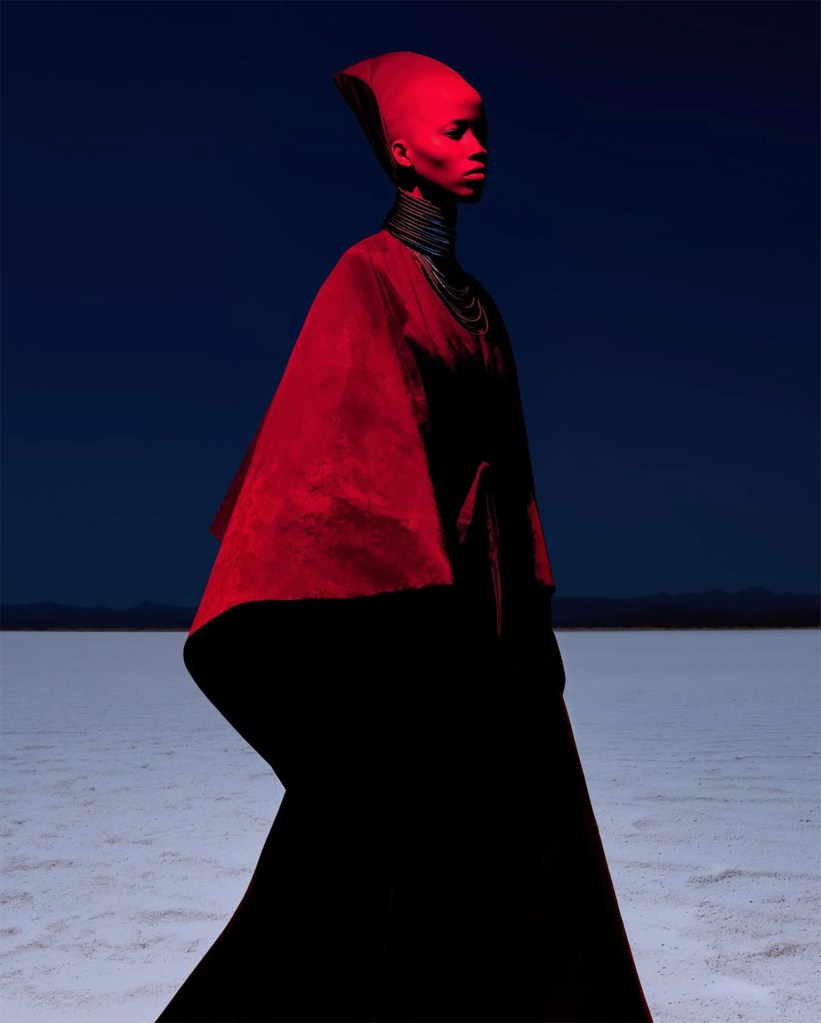
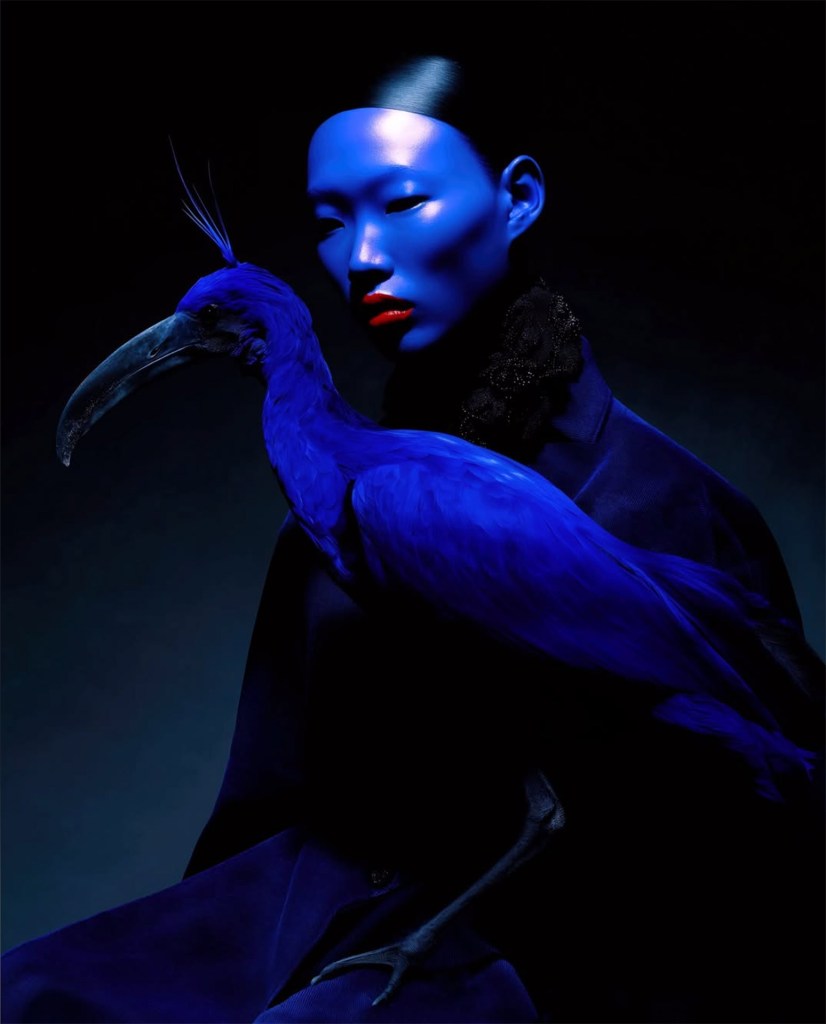
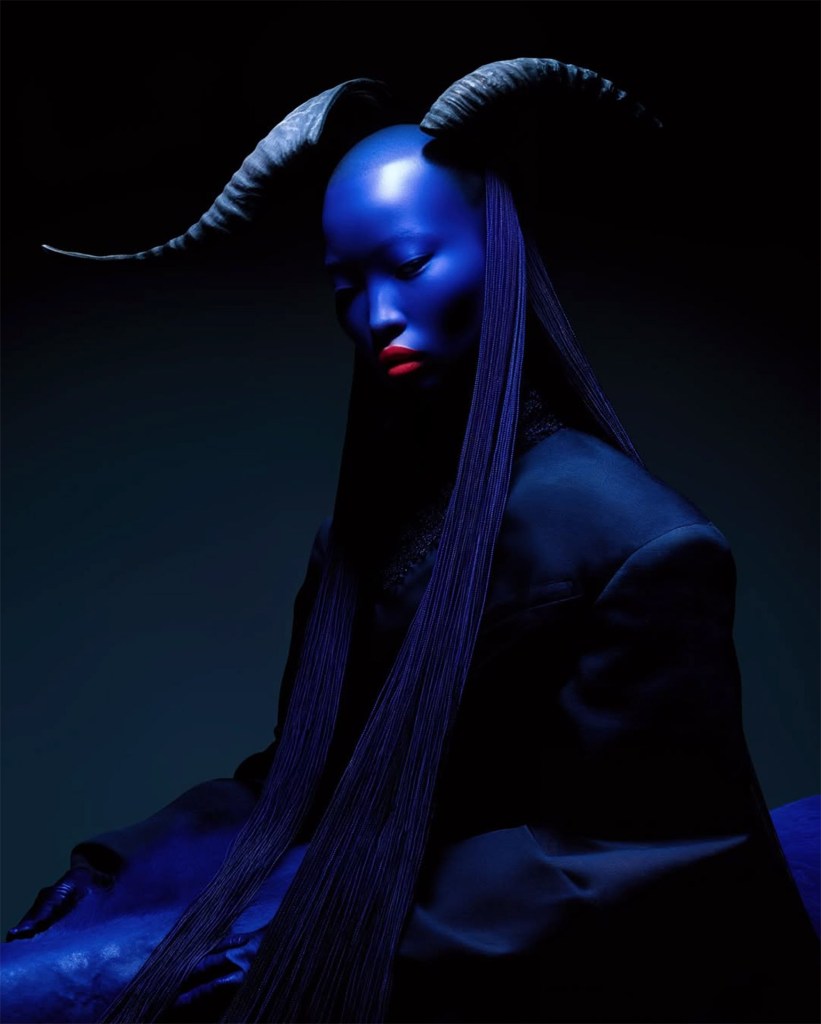
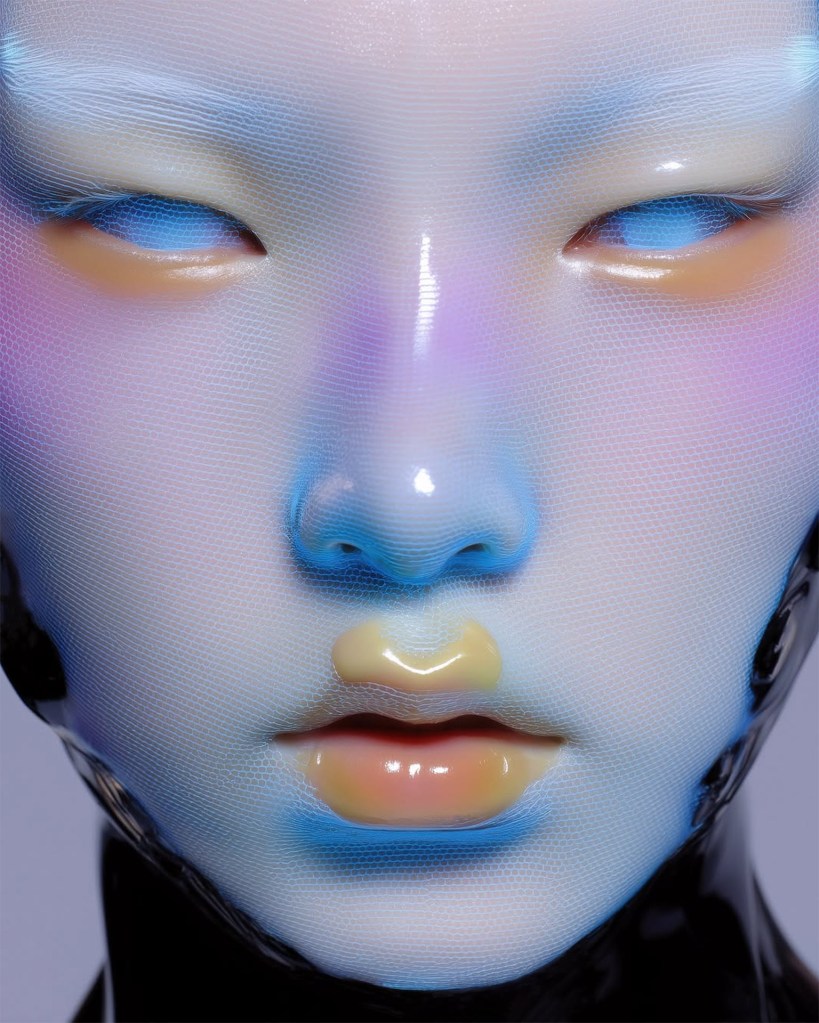
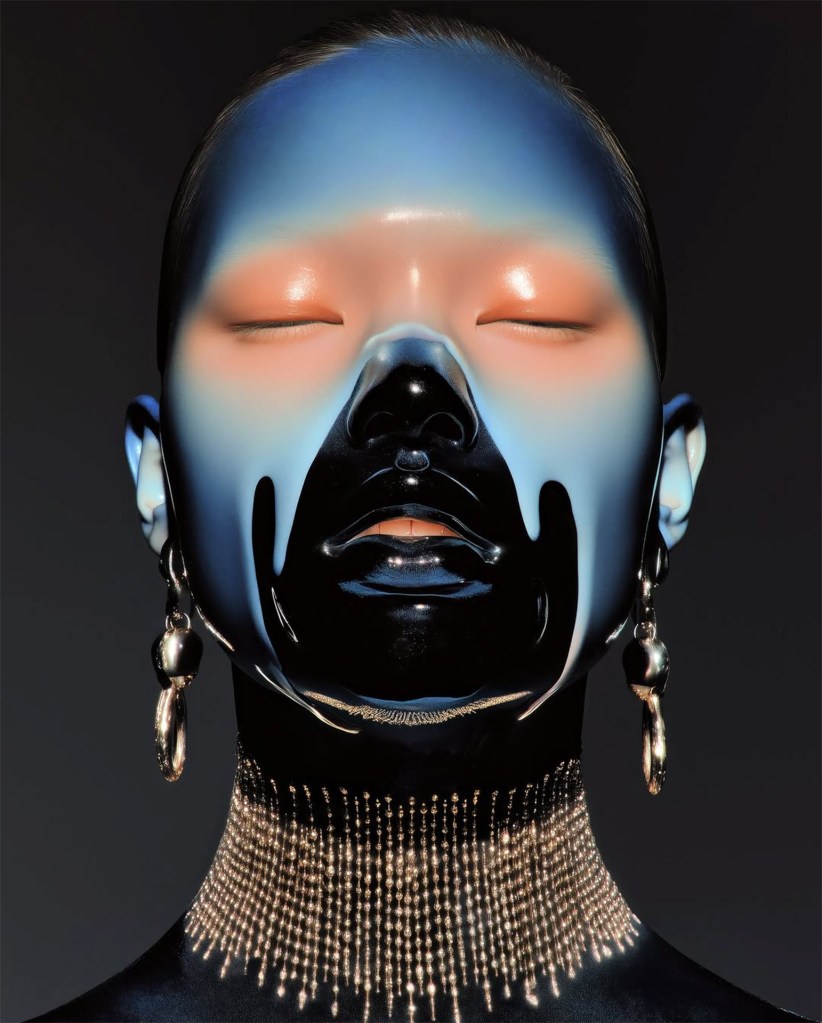
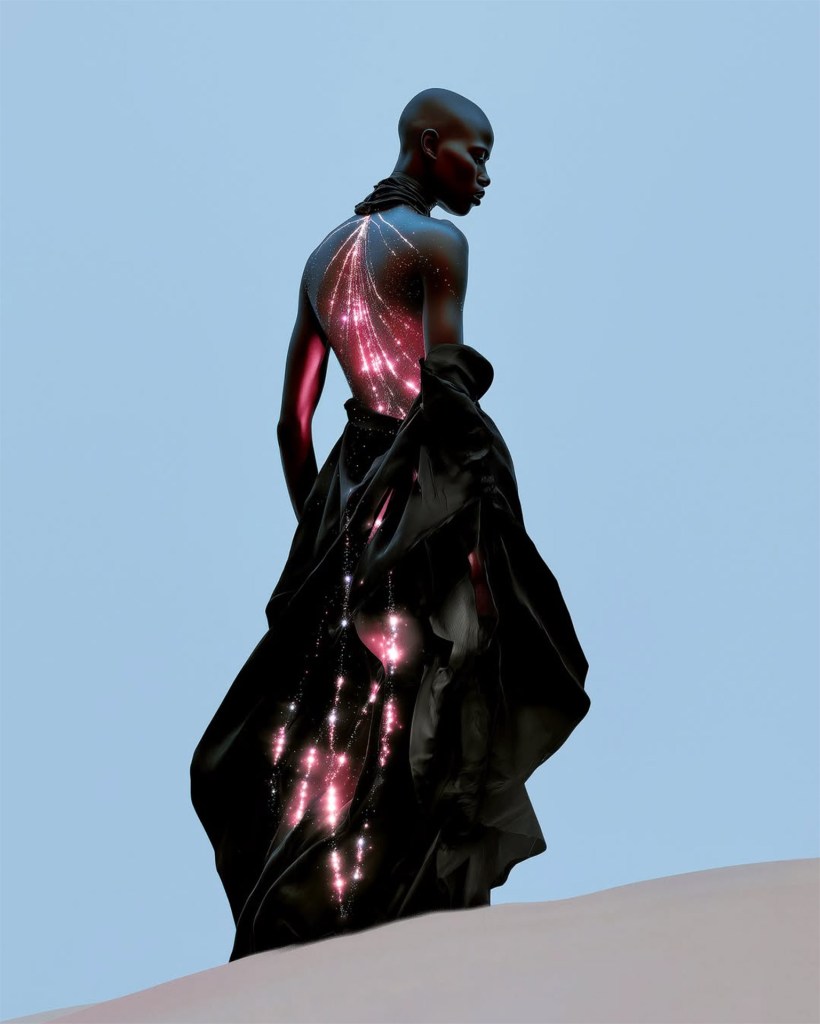
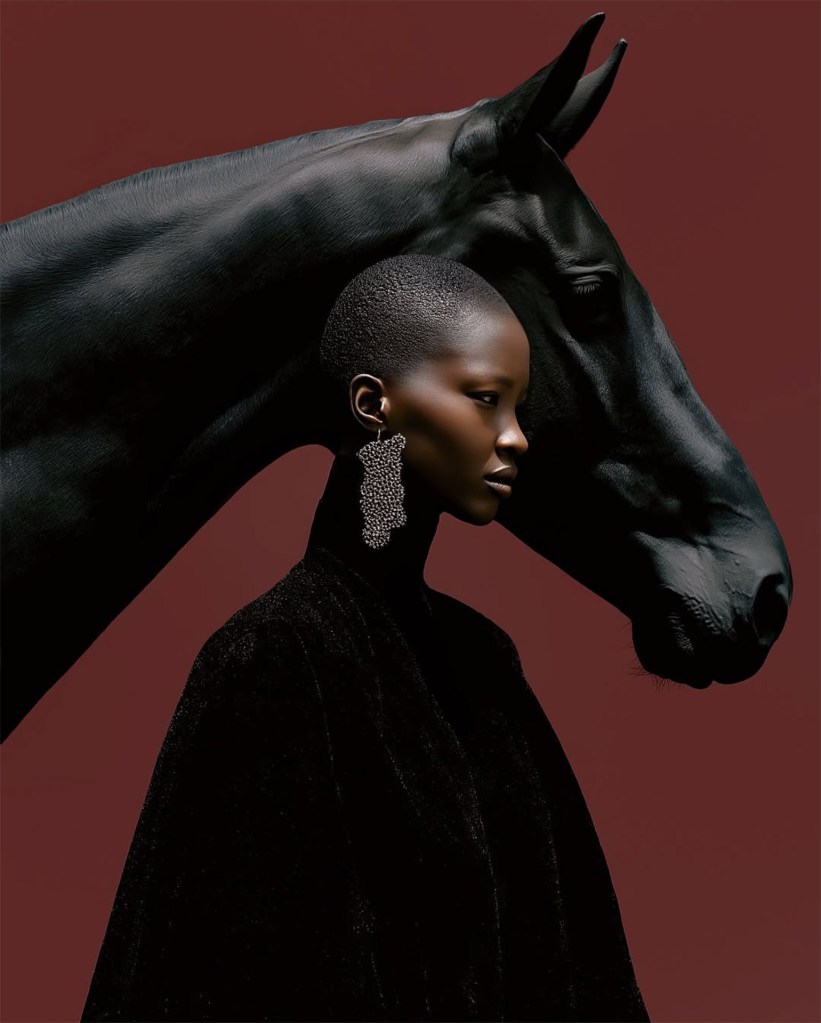
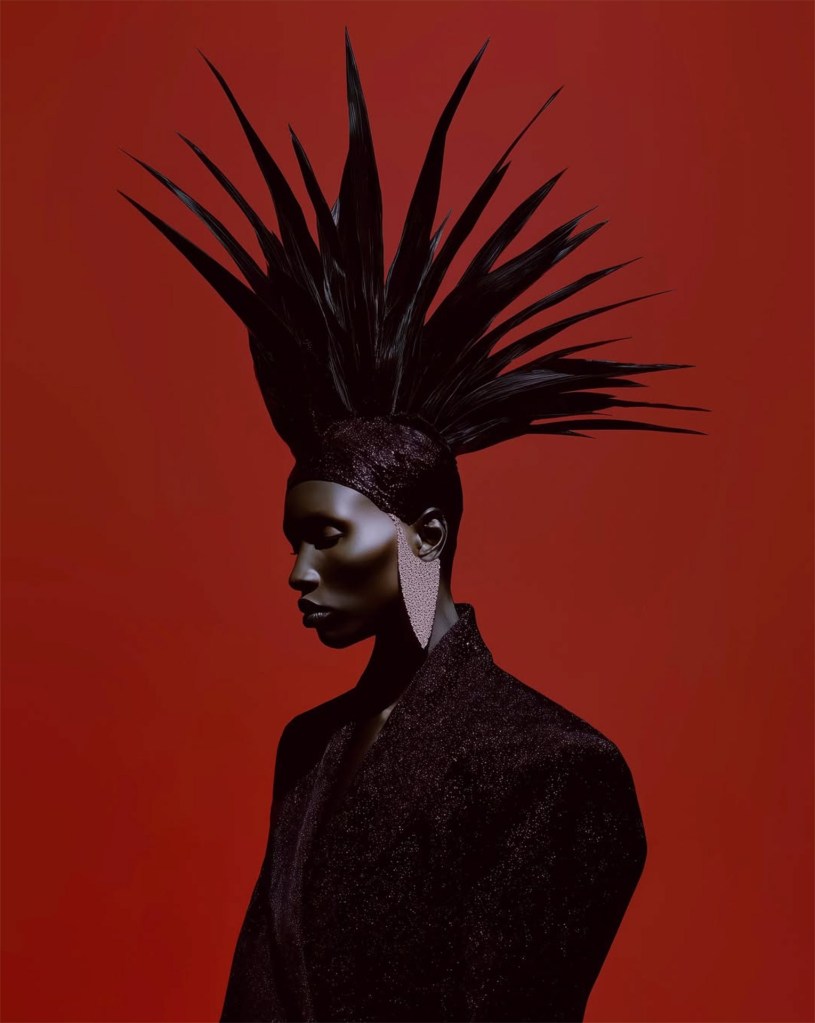
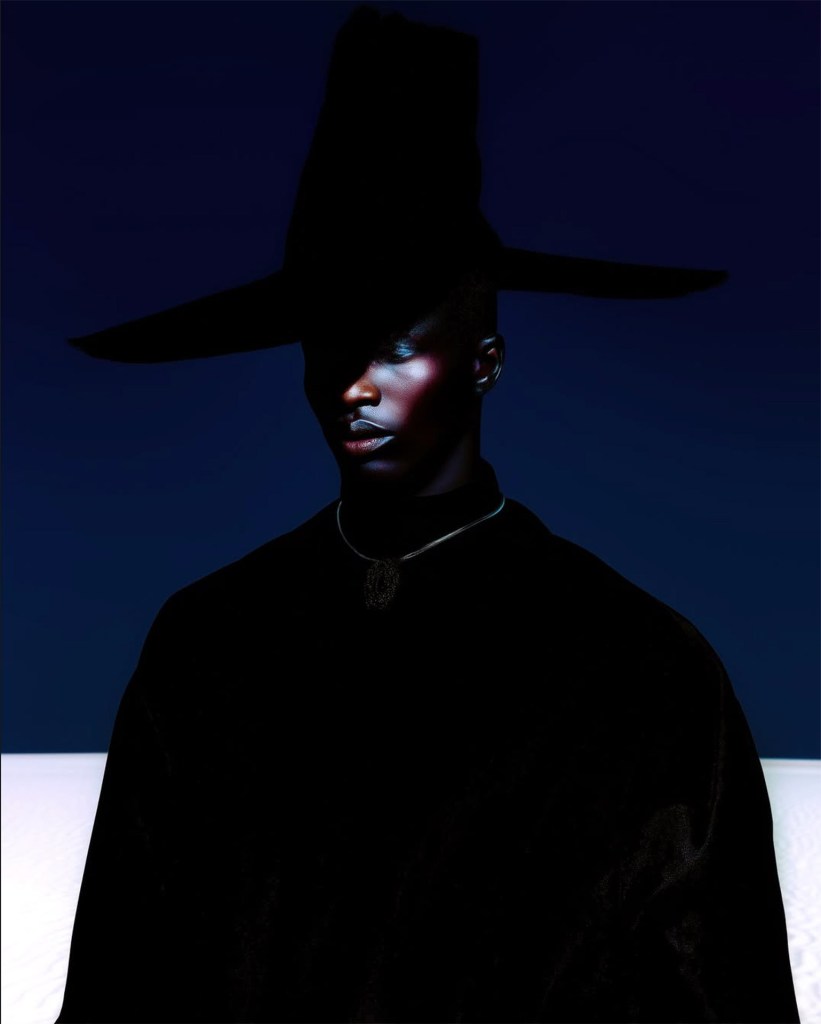
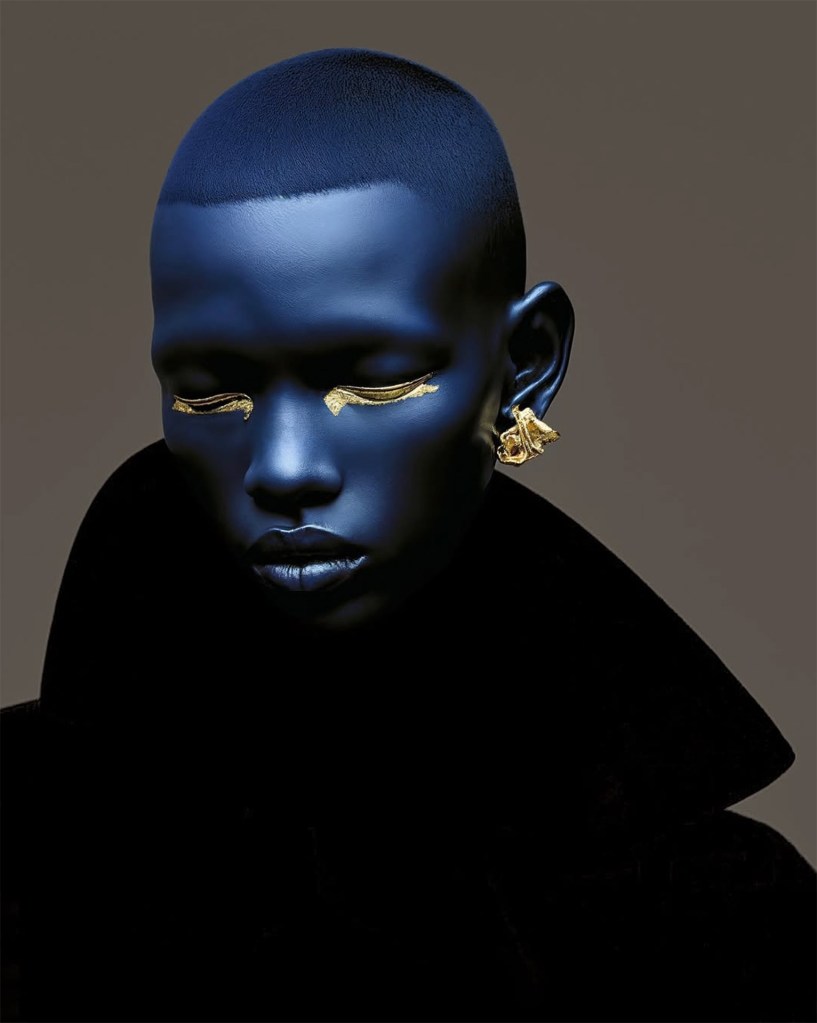
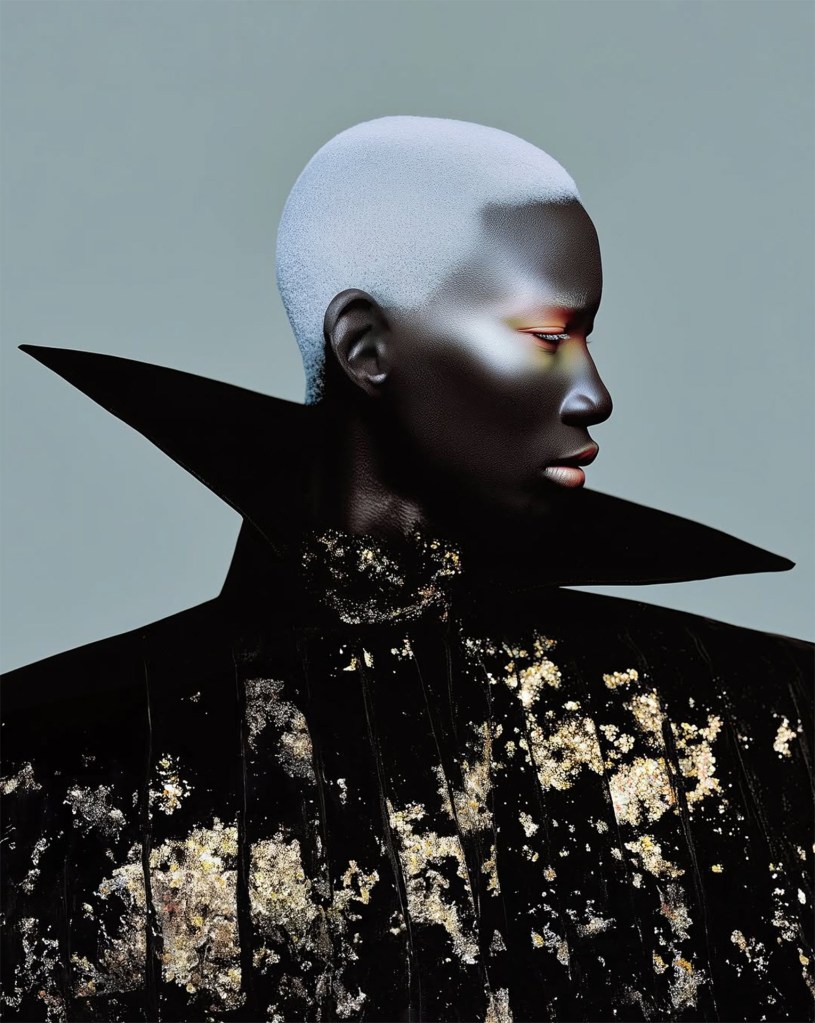
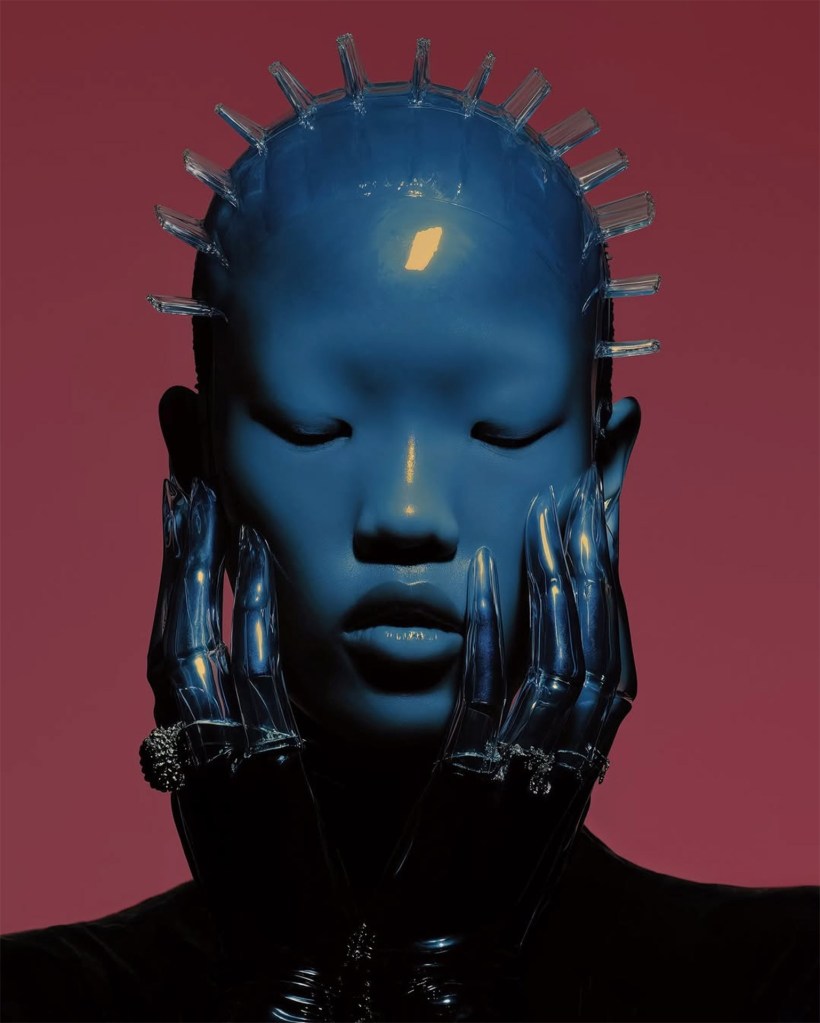
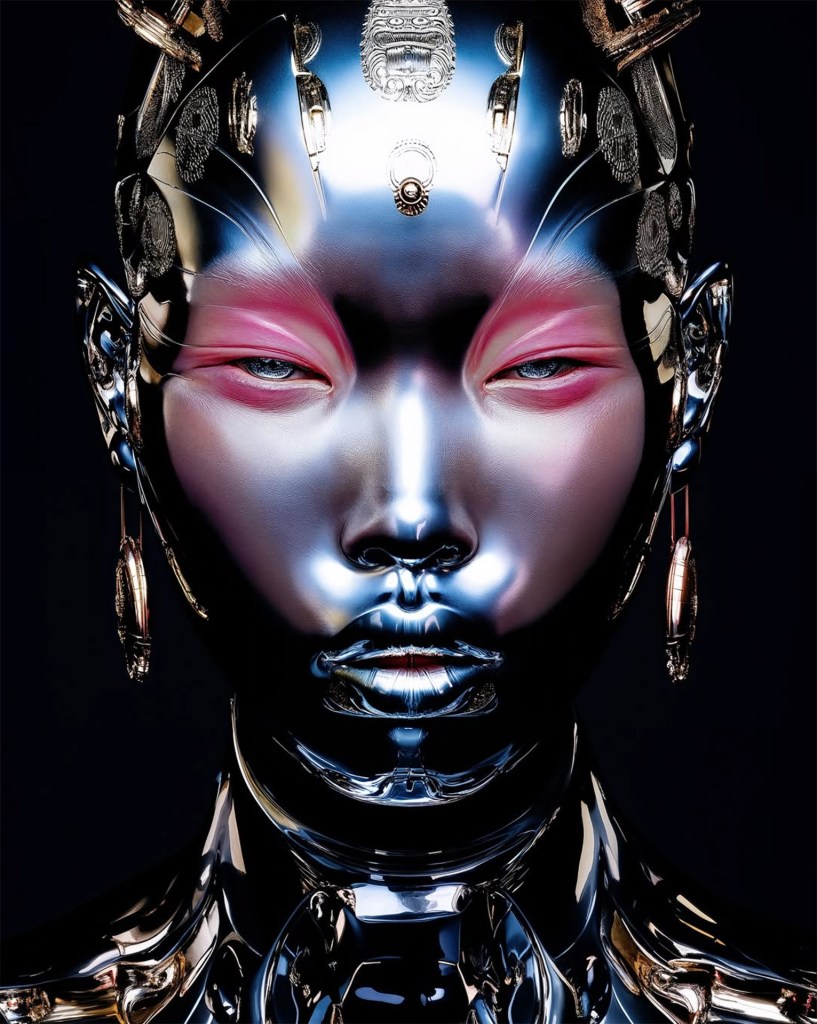
Images © Matthew Coleman 2026
 Partfaliaz
Leave a comment