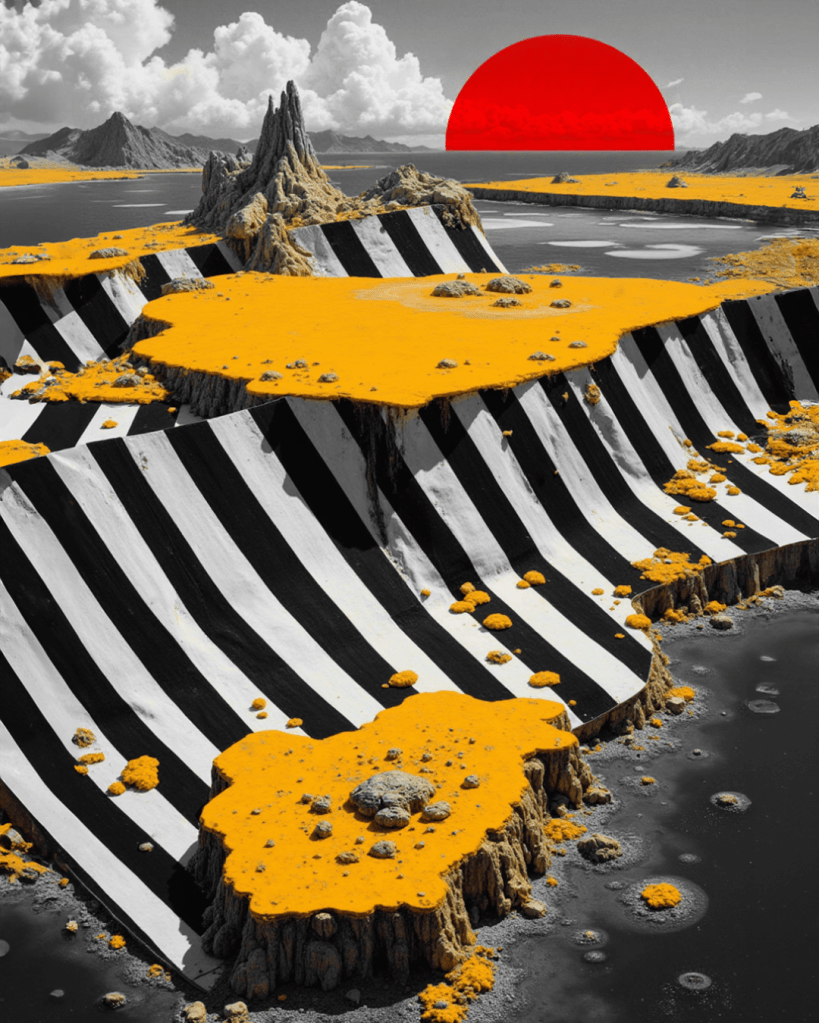
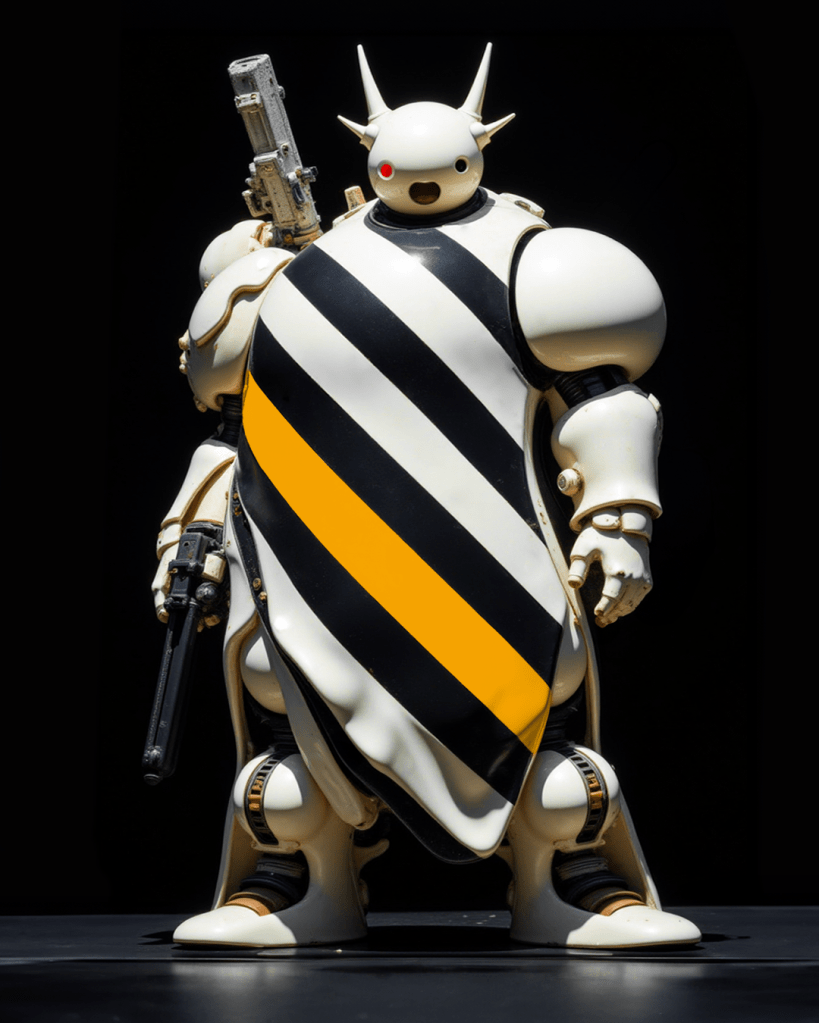
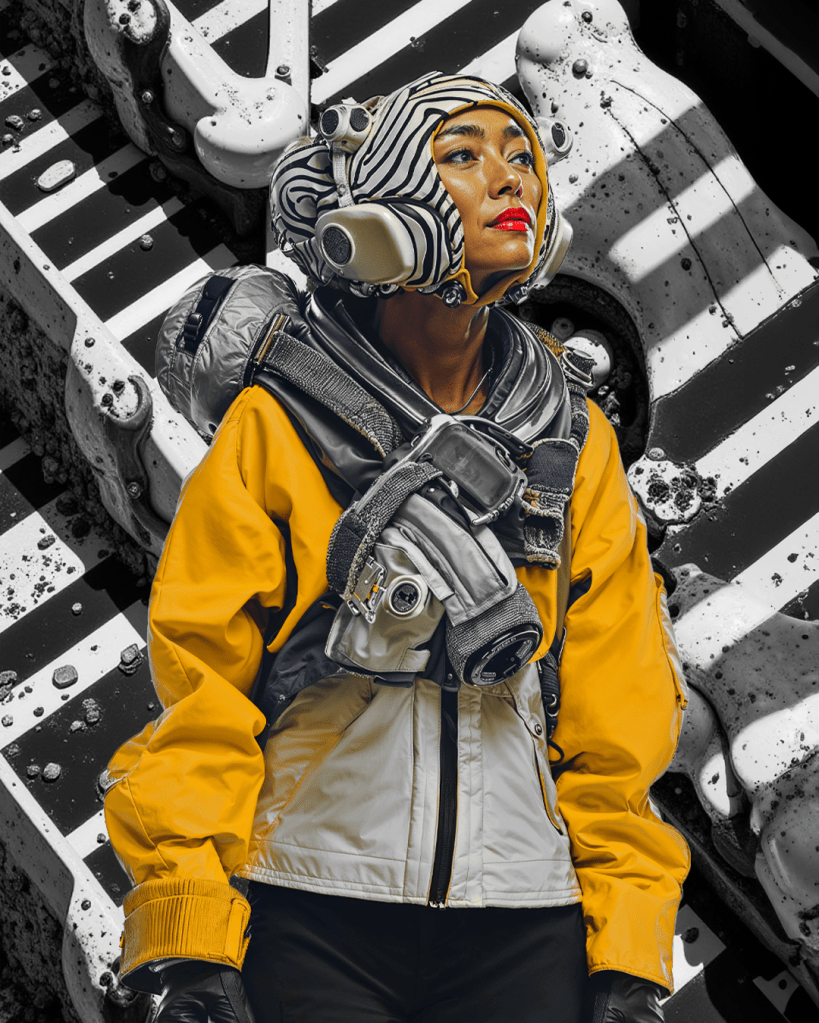
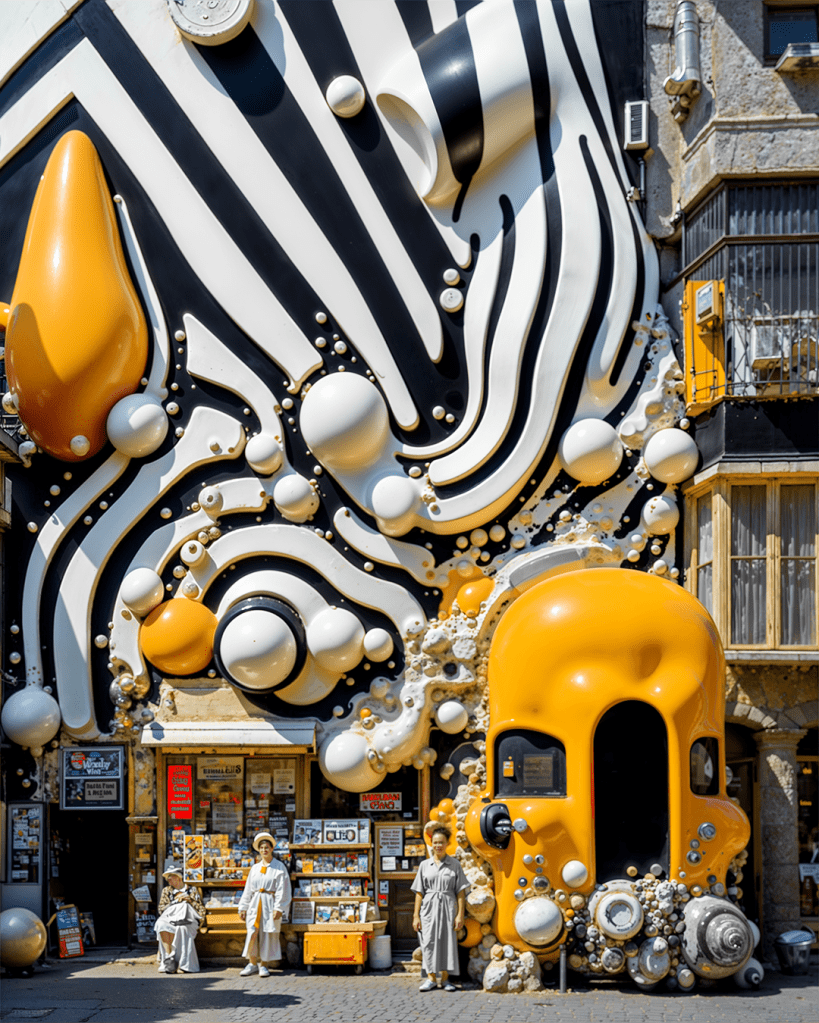
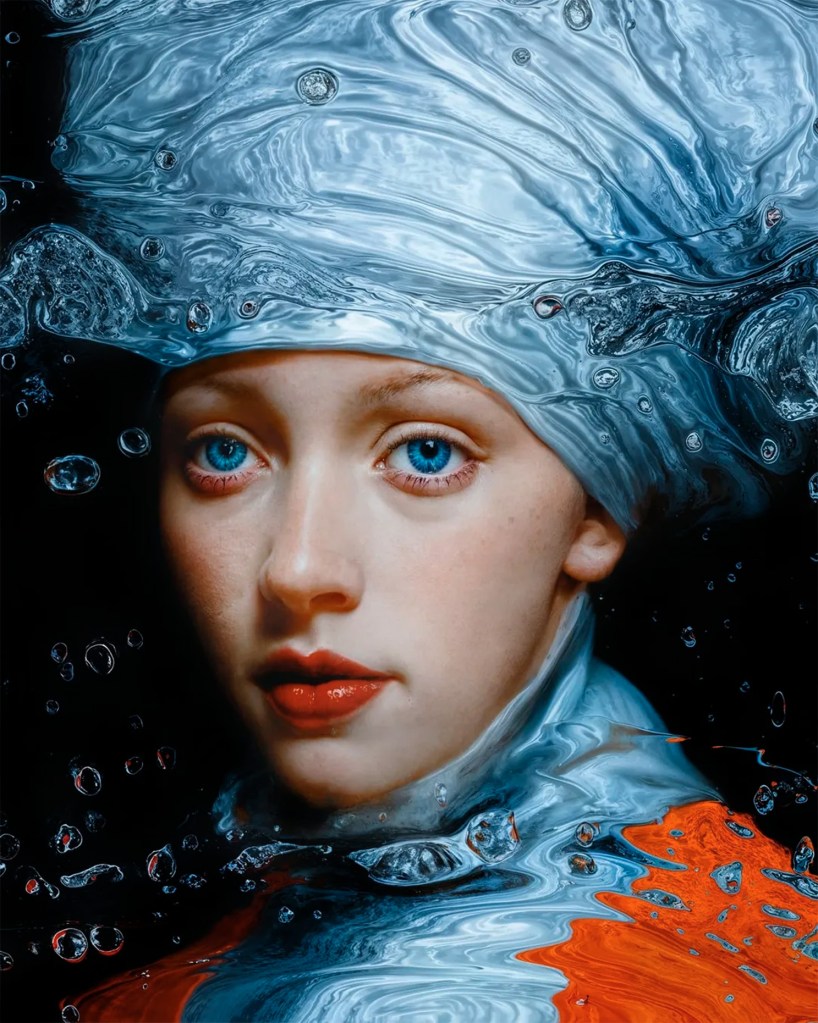
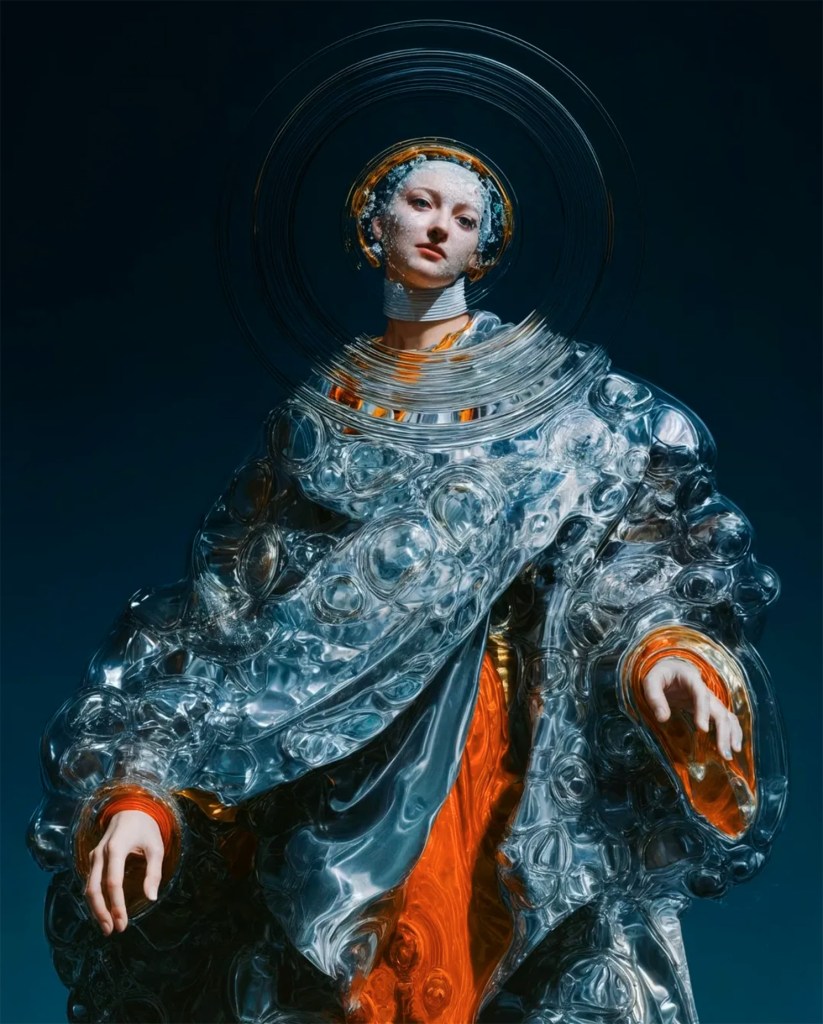
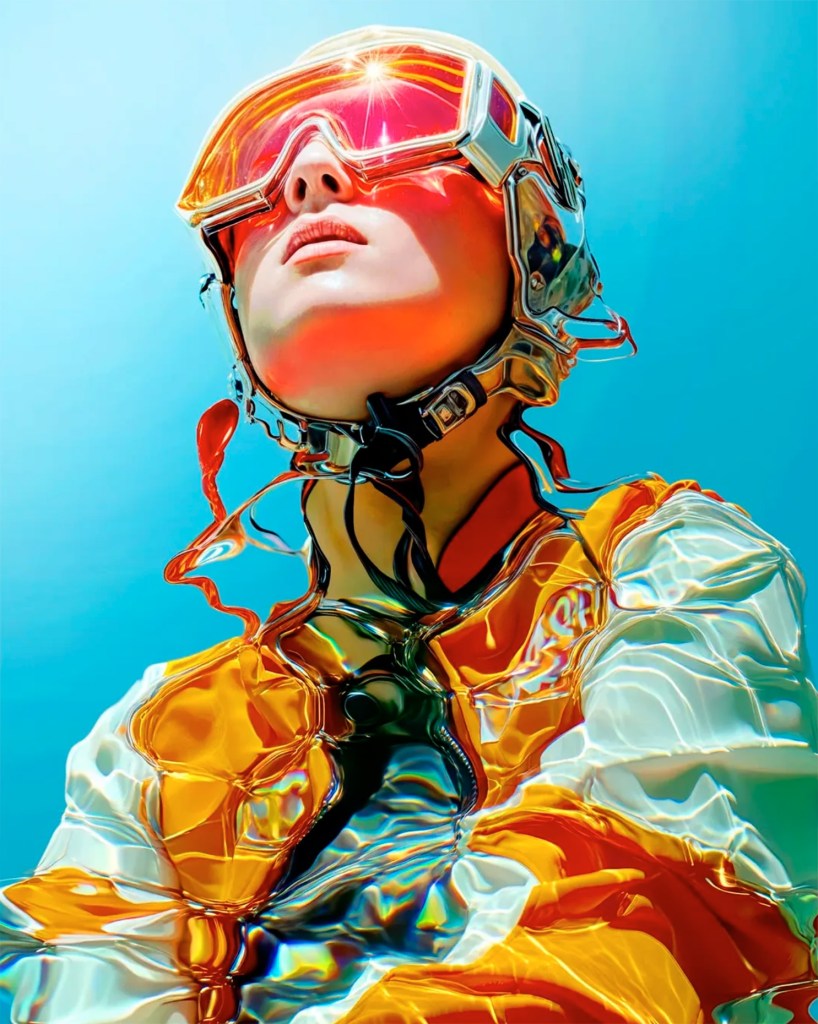
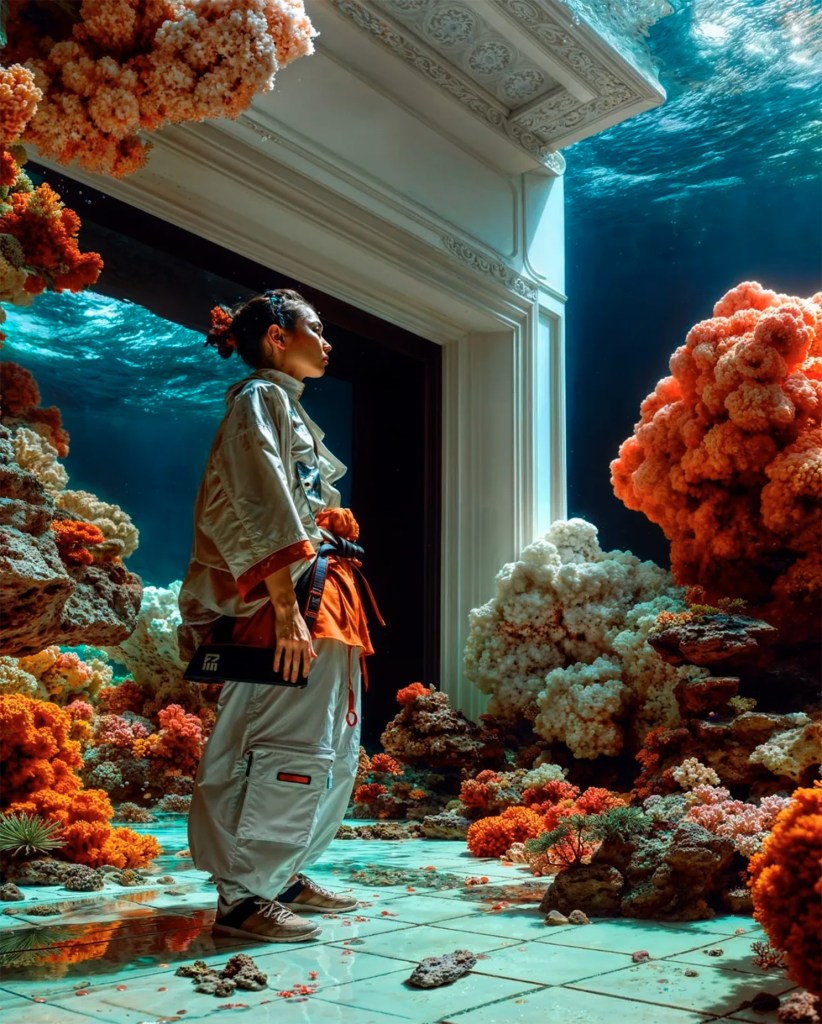
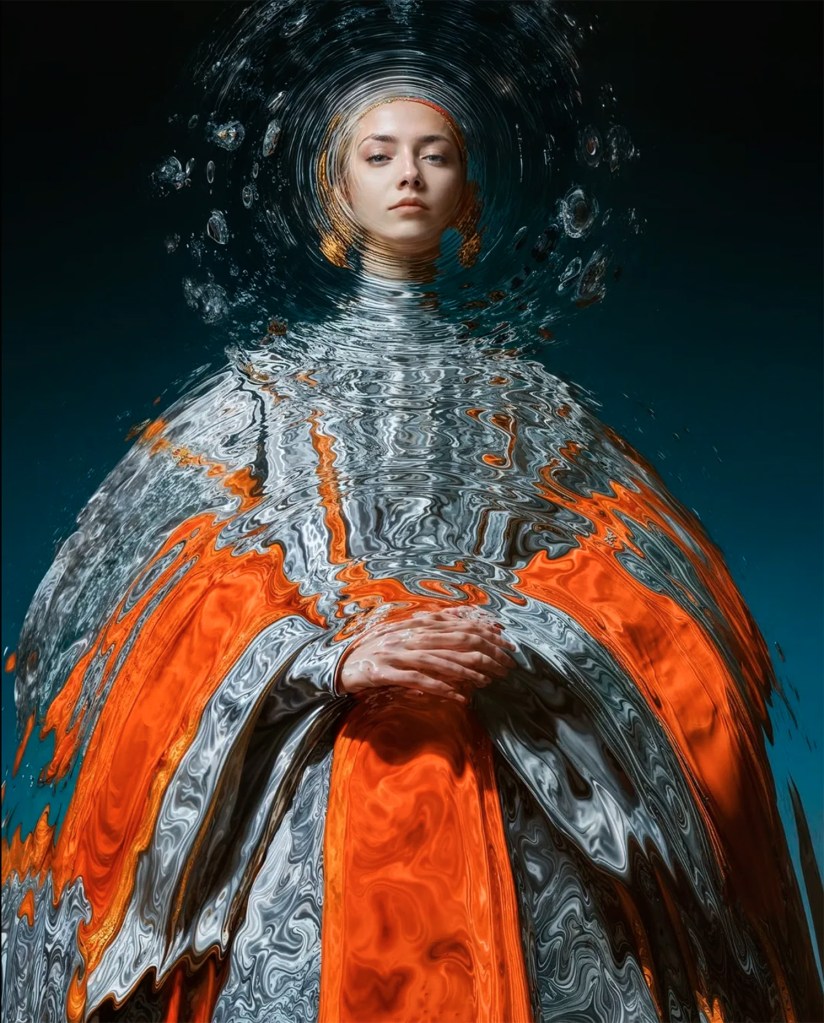
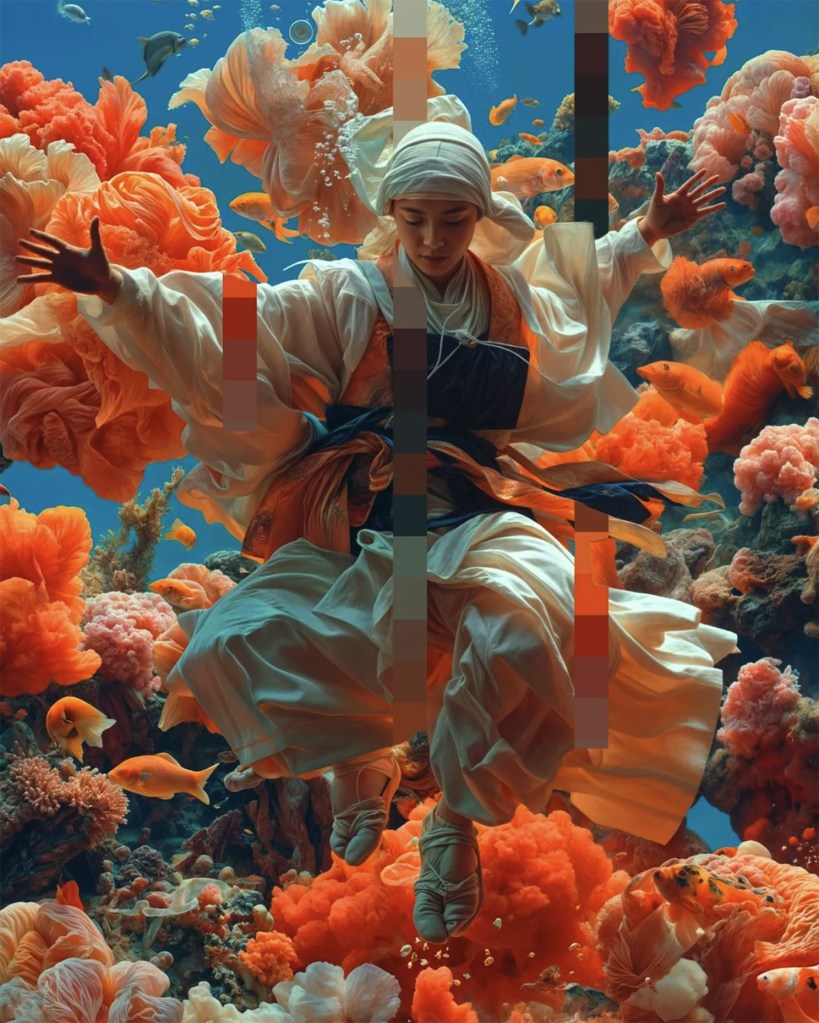
Flowersindutch is the stunning AI art portfolio of Maarten Bloemen, a prolific and imaginative Belgian artist.
In an exclusive interview below, Maarten shares insights into his artistic background, creative process, and some of his best AI art tips.
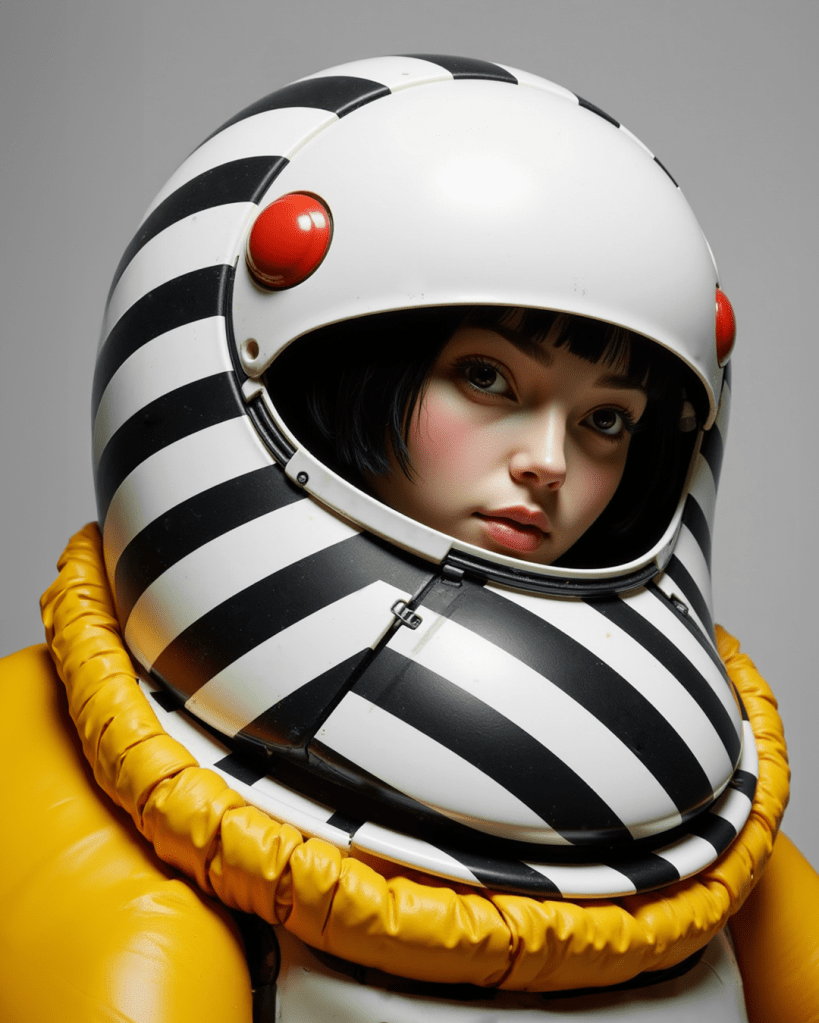
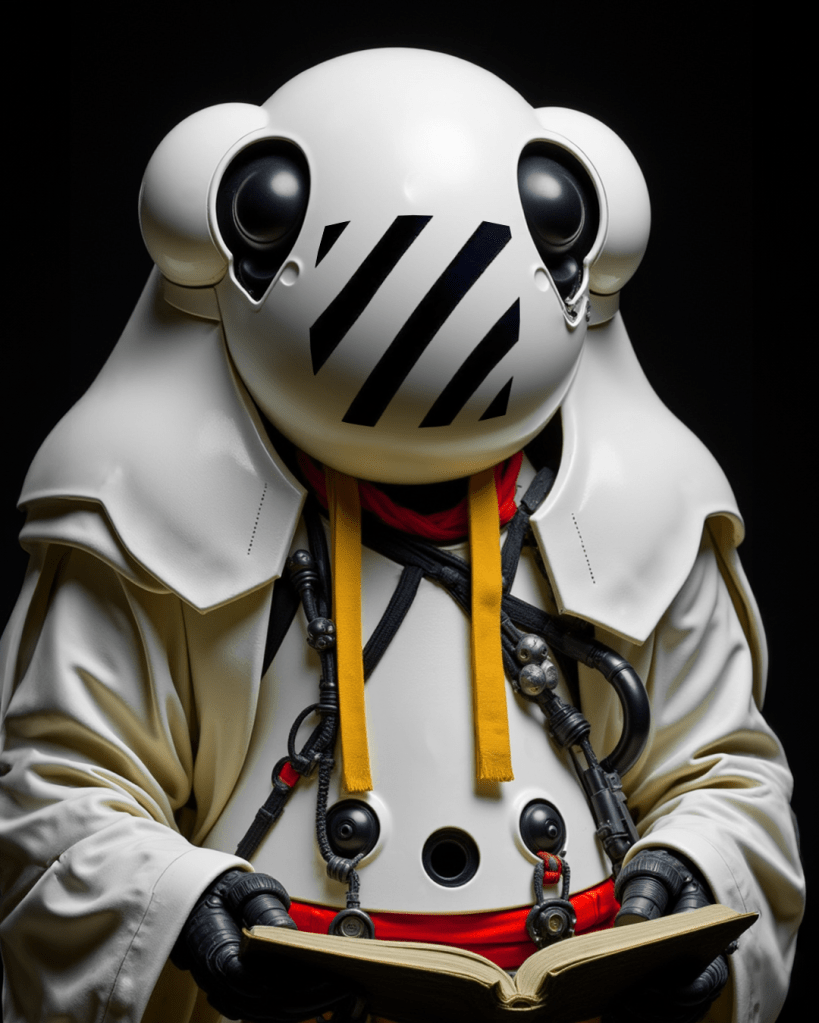
With a unique style that’s both captivating and elegant, his work stands out in the growing world of AI-generated art.
To truly appreciate his artistic finesse, don’t miss his Instagram account, where his latest creations are showcased in a consistent and visionary aesthetic.
He’s definitely an artist to watch!
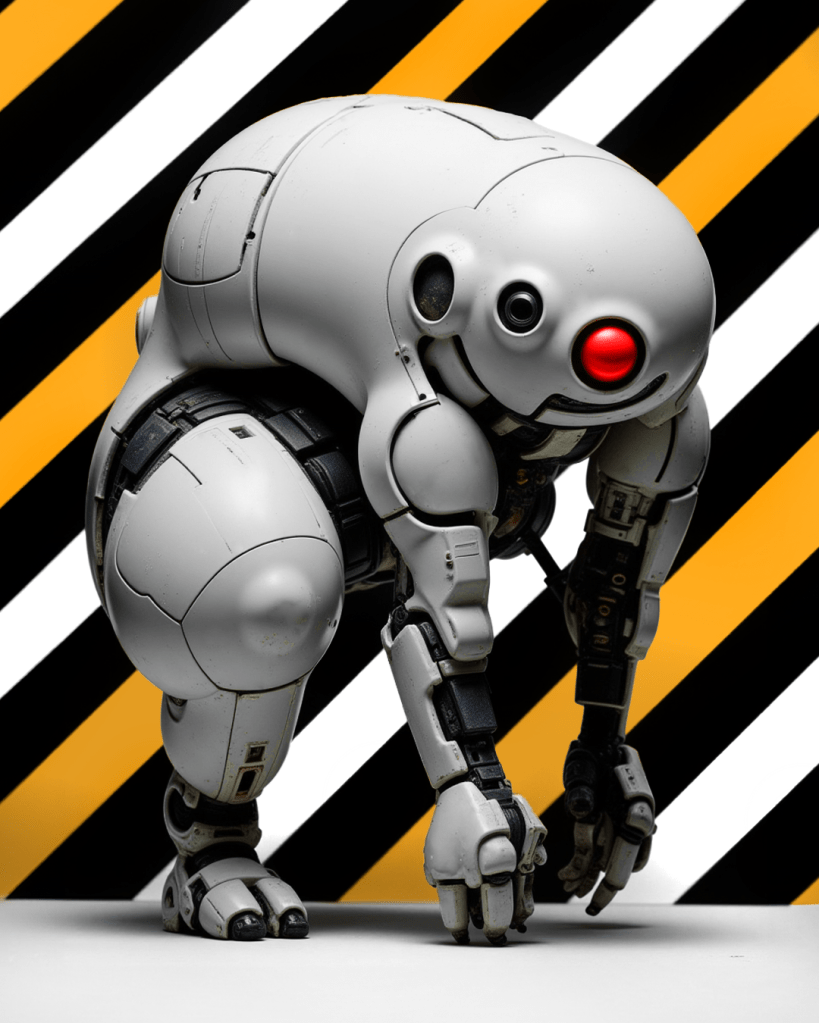
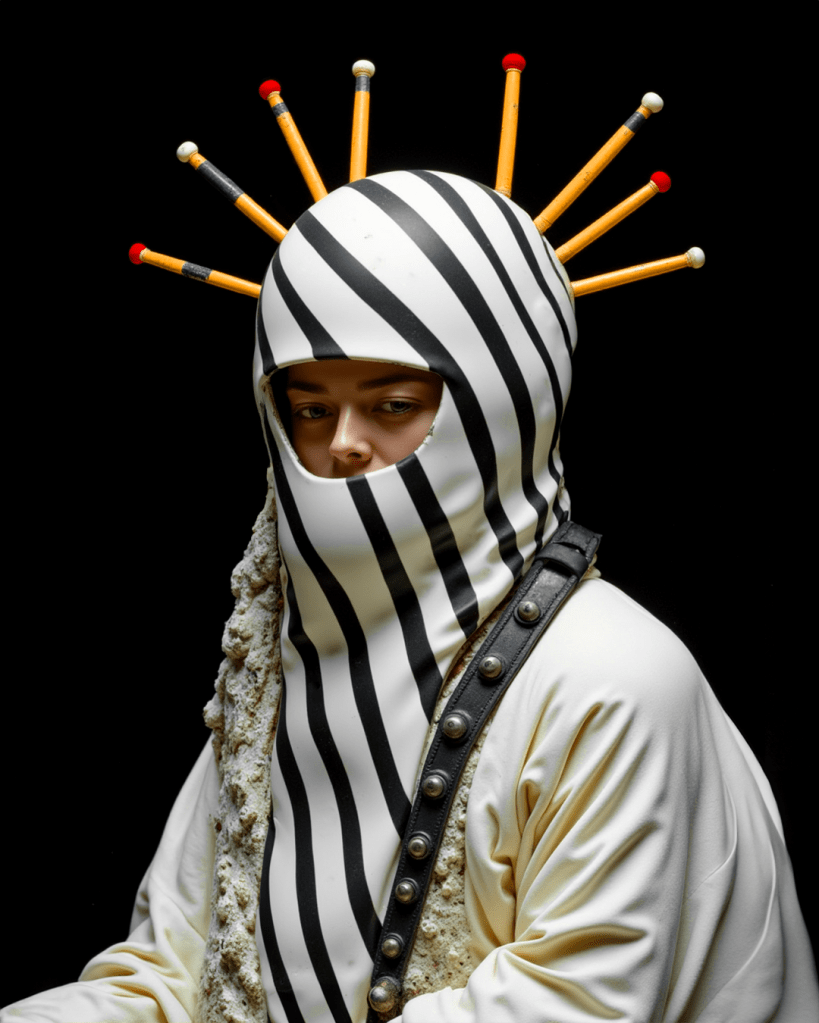
Who are you?
I’m Maarten Bloemen, a Belgian art director and visual artist — also known as Flowers in Dutch, a nod to the meaning of my Flemish surname. With roots in graffiti, music, and graphic design, my creative path has led me to a strong focus on digital art that blends 3D, AI, and cyberpunk-inspired aesthetics. Deeply influenced by Japanese culture and visual traditions, my work often explores how identity evolves in a tech-saturated world.
How long generative AI?
Since late 2022. I use it for personal projects and professionally — mostly for concept development and ideation. It’s become a natural part of my workflow, especially when I need speed without sacrificing originality.
Where do you find your inspiration currently?
Japanese culture, cyberpunk, and the tension between humanity, technology, and myth all feed into my creative process. I’m especially drawn to myth as a framework — ancient stories of transformation, gods, spirits, and dualities — and how those themes echo in our current relationship with machines. In my work, I often explore where the organic ends and the mechanical begins, imagining new mythologies for a post-human future.
Which AI tools do you use?
Krea, Midjourney, Photoshop, and Cinema 4D. My “secret sauce” is layering — remixing outputs, repainting, and refining until it feels truly mine. I treat AI as a starting point, not a solution. The final image only comes alive when I’ve pushed beyond the generated, adding personal marks, light shifts, and texture until it resonates with my own visual language.
Your work is particularly detailed, any tips?
Don’t stop at the AI output. Treat it like a sketch. Add texture, play with lighting, and build it up like a digital collage. Zoom in, get lost in the details — that’s where the story really comes alive. The more time you spend refining each layer, the more the piece begins to reflect something uniquely yours.
Any advice for those who want to get started with AI art?
AI is powerful, but it’s not a shortcut to originality. It gives you raw material — fragments of visual language — but it’s how you shape that material that defines your voice. Treat every output as a sketch, not a finished piece. Break it, layer it, repaint it. The deeper you go, the more your identity starts to emerge through the machine. Tools evolve fast, but taste and intuition still lead the way. That’s what separates image generators from artists.
Experiment. Don’t rely on prompts alone — edit, remix, and make it your own. Your eye is the real engine.
 Partfaliaz
Leave a comment