In the ever-expanding universe of AI-driven creativity, aoRND stands out as a singular voice with a striking visual signature. Behind this name is a digital artist whose work feels both intimate and cinematic, marked by a distinctive mastery of light and shadow that evokes emotion with a whisper rather than a shout. Her images often navigate themes like screens, youth, and the tension between digital and human, rendered with an aesthetic precision that’s deeply personal and instantly recognizable.
What makes aoRND truly compelling is not just the tools she uses — but how she uses them. Her ability to harness generative AI as an expressive, almost tactile medium reflects an artist who understands technology not as a gimmick, but as a language. Whether you’re drawn to experimental visuals, storytelling through light, or explorations of emotional space, aoRND is an artist to follow — especially on Instagram, where her evolving body of work continues to inspire, challenge, and delight.
To better understand the vision behind aoRND and her unique creative process, we asked her a few questions about her journey, inspirations, and artistic approach.
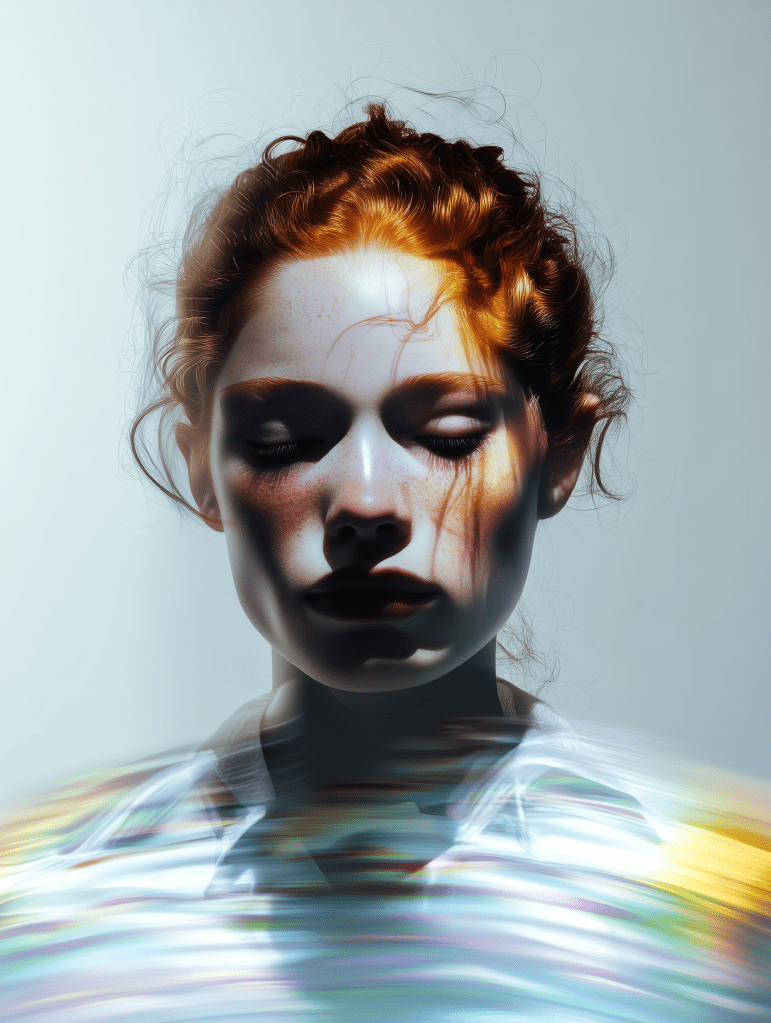
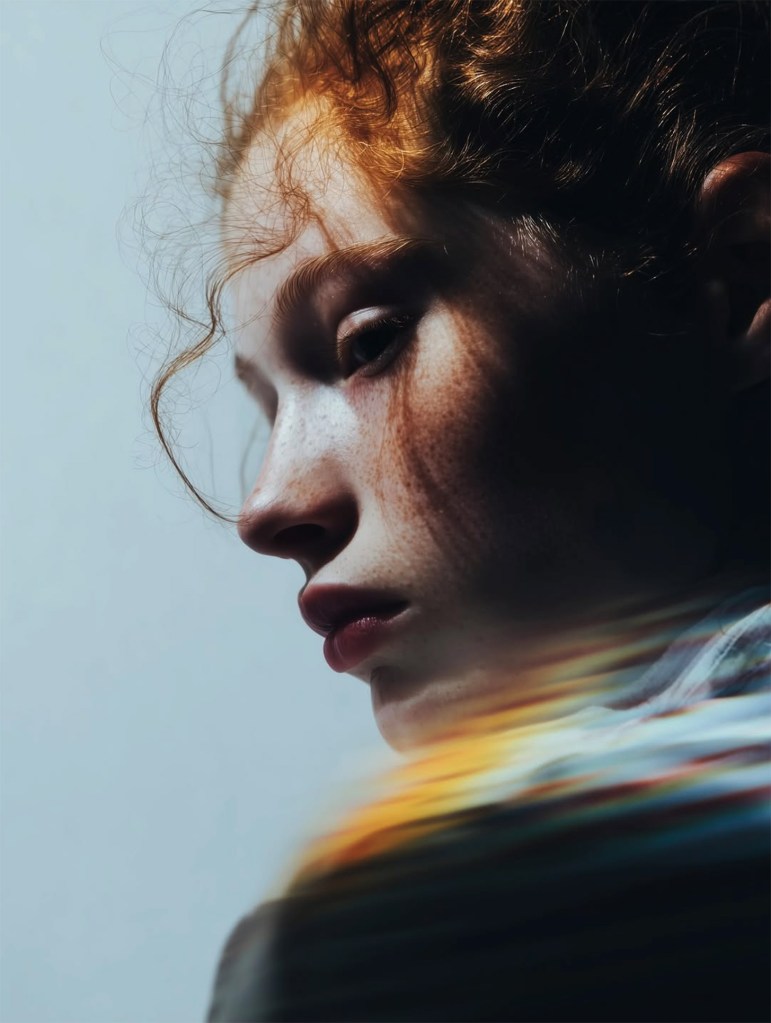
Hi aoRND, can you introduce yourself ?
I’m Alessandra Ondeggia, an Italian Digital Creative and Video Director with an architectural background shaped by an eclectic and interdisciplinary approach. I move between city studies, fashion, digital culture, and hybrid media — always driven by experimentation and the blending of languages, whether physical, digital, or interactive.
aoRND is my synthography space: not curated, not edited, not finished — an unfolding of the tension between digital aesthetics and emotional storytelling.
How long have you been using generative AI?
I started experimenting with NLP and generative AI back in 2021, while collaborating with a deep-tech startup builder. At that time, these tools and research fields were still in their infancy — raw, unstable, but full of unexplored potential. I was fascinated by their speculative power: prompts felt like open scripts, and outputs like visual notes from an unknown story.
Since then, my use has evolved. Today, I integrate AI tools into both my personal research and my professional practice in art direction for commercial and fashion-related projects. They’ve become part of my mixed-media and VFX process: a way to stretch perception, shape narratives, and challenge conventional aesthetics.
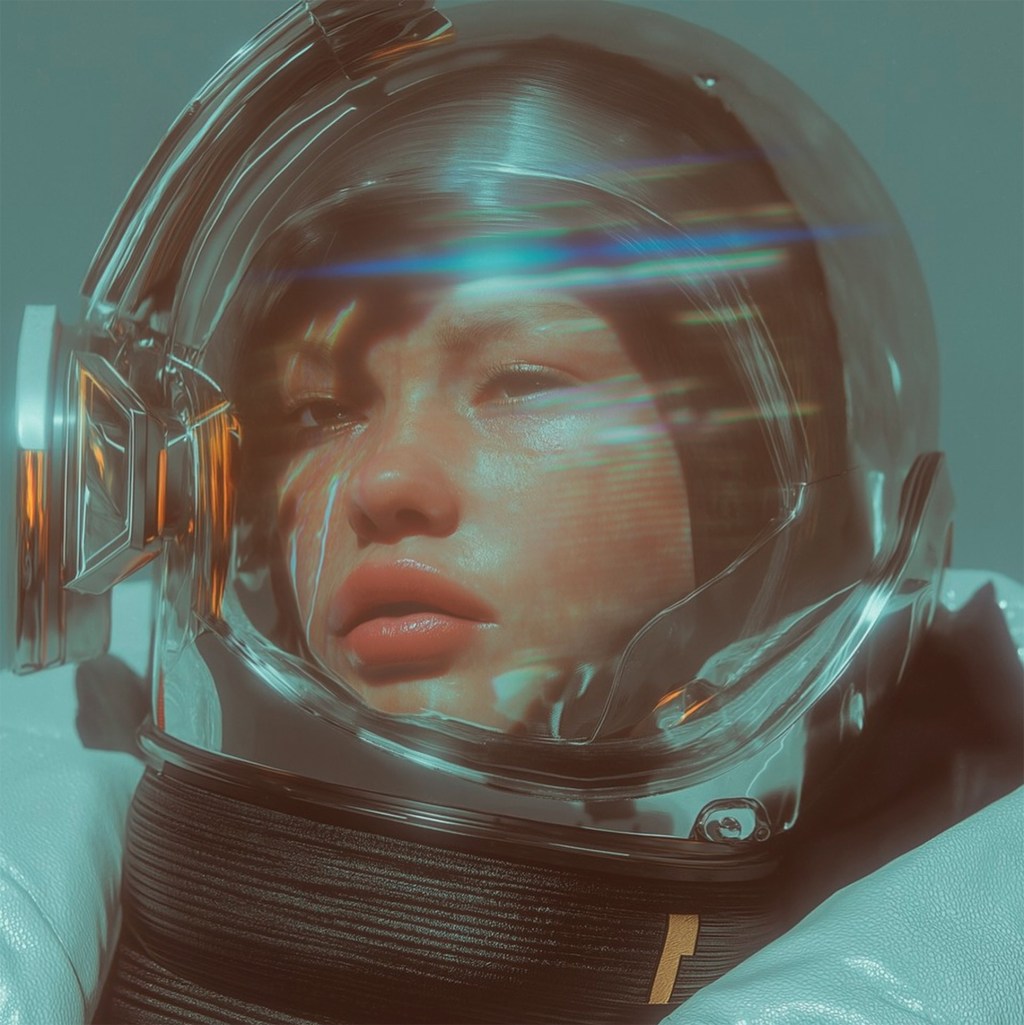
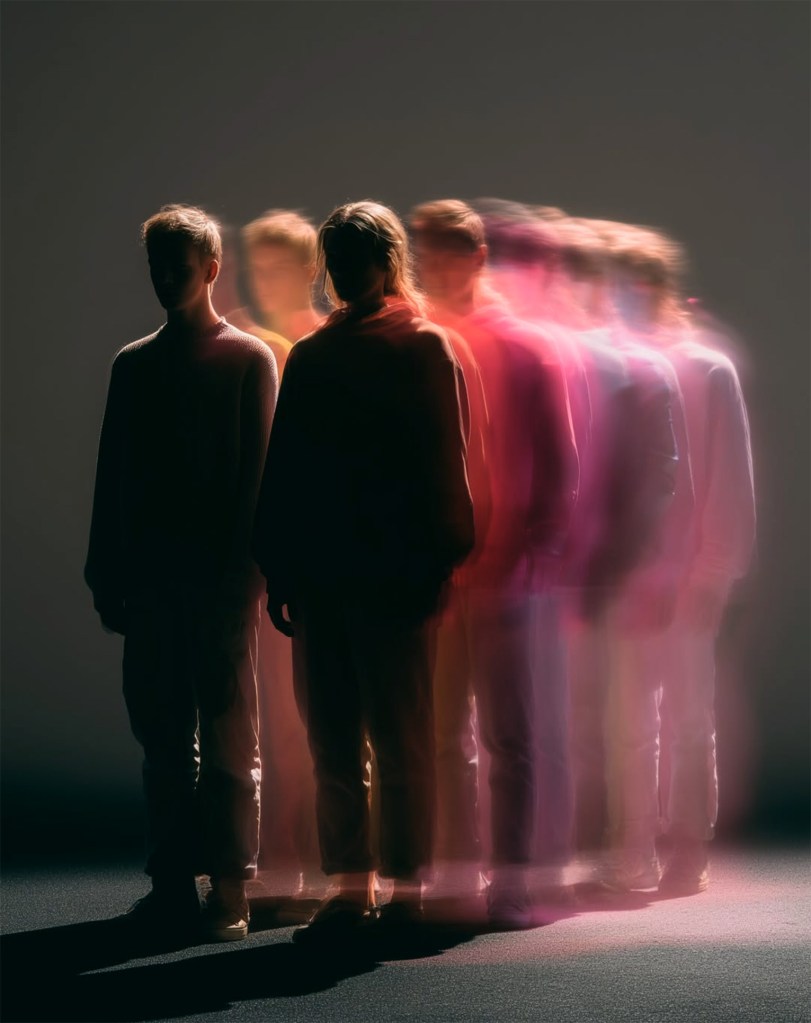
Where do you find your inspiration currently?
I find inspiration in the fragments — in each generated image as if it were a frame from an unwritten, evolving story or screenplay. I often start from a visual spark and let it unfold intuitively. The glitch, the unfinished, the discarded — these elements feel alive to me. I follow it wherever it emerges, guided by the raw and unplanned.
I’m also inspired by the blurred thresholds between natural and artificial, the layered relationship between memory, space, and perception, and the ways digital tools can reveal new, unexpected emotional textures.
Which AI tools do you use the most?
My go-to tools are Midjourney, Runway, and AI-VFX powered editing tools. My “secret sauce” isn’t a trick — it’s a mindset. I use a multi-pass workflow: iterate, remix, deconstruct, remix again. I embrace noise, glitch, and error, then sculpt what remains. Think of AI as your eye’s operator: you choose the point of view, the cut, the emotion. And always question the result — then break and rebuild it.
Any advice for those who want to get started with AI art?
Start by playing, not perfecting. AI isn’t a shortcut — it’s a sketchbook. Learn its grammar, its flaws, its biases. Use it to frame your questions, not just generate answers. Break things, make them raw, own the unfinished. The most powerful creations are those that resist perfection.
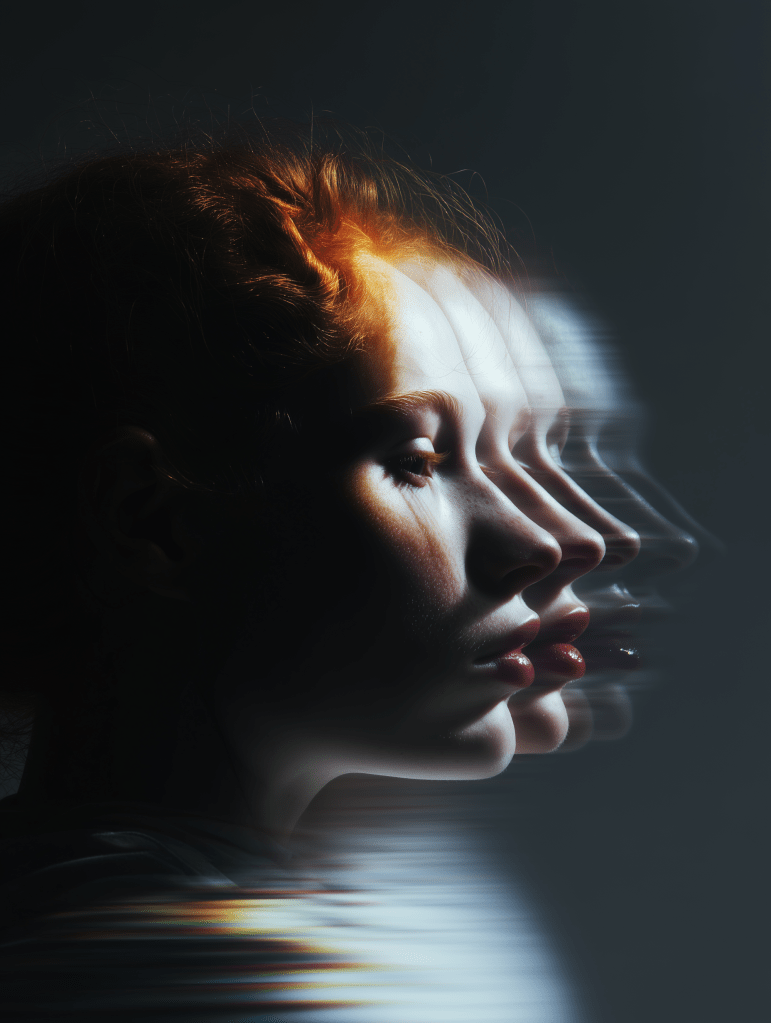
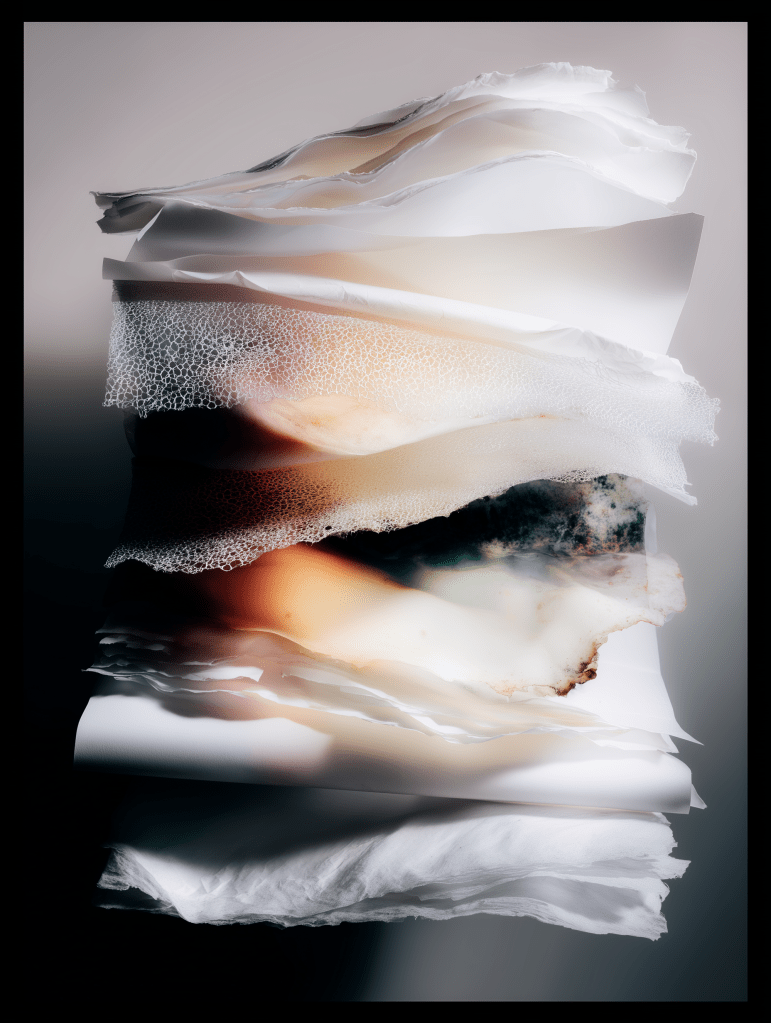
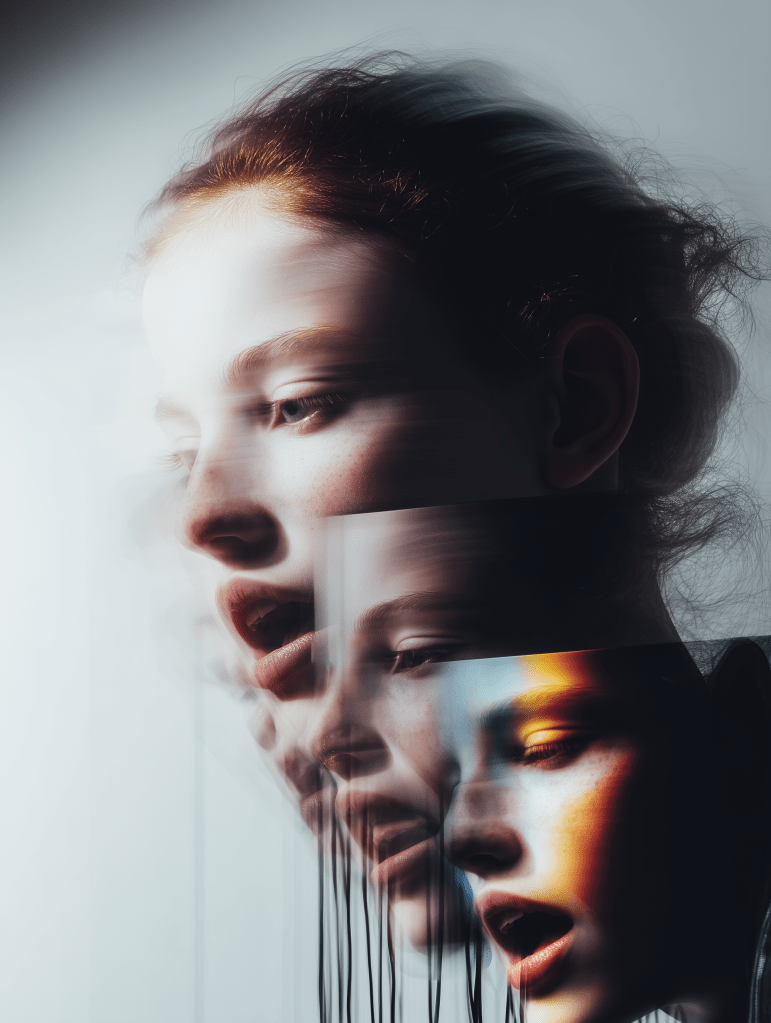
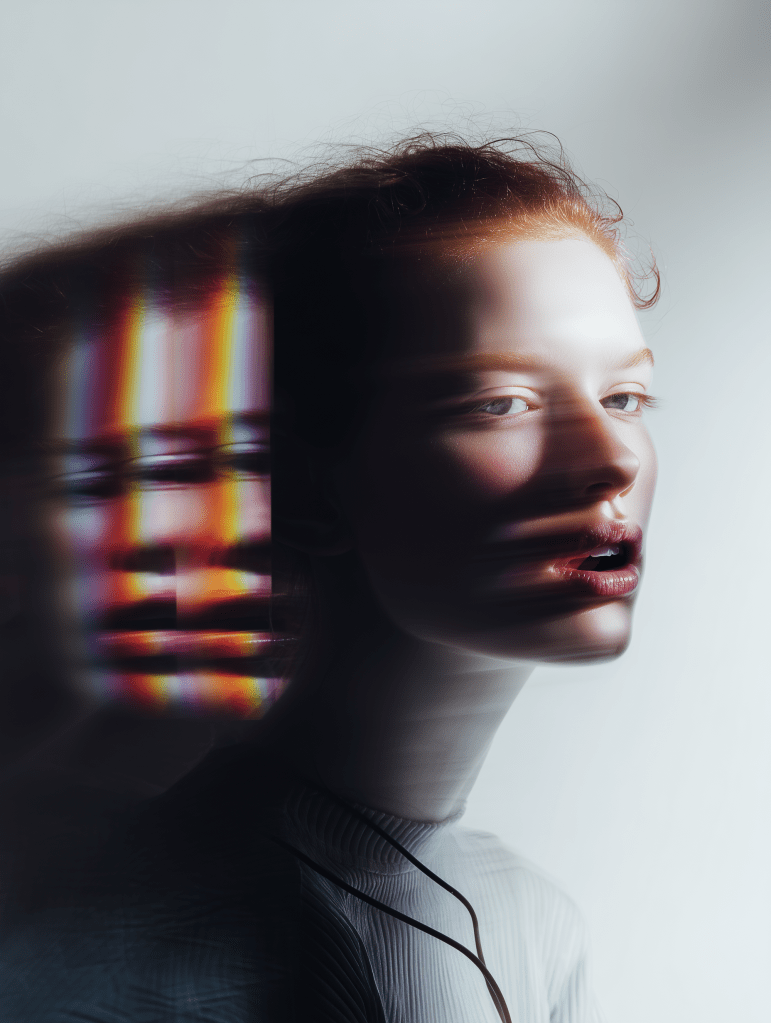
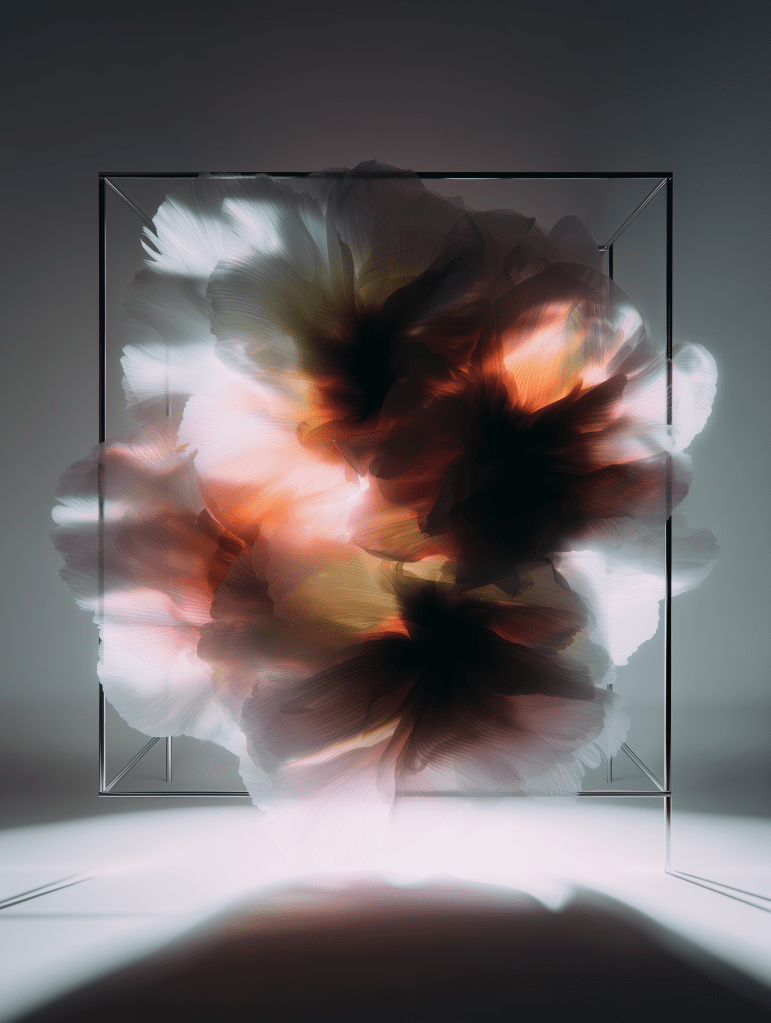
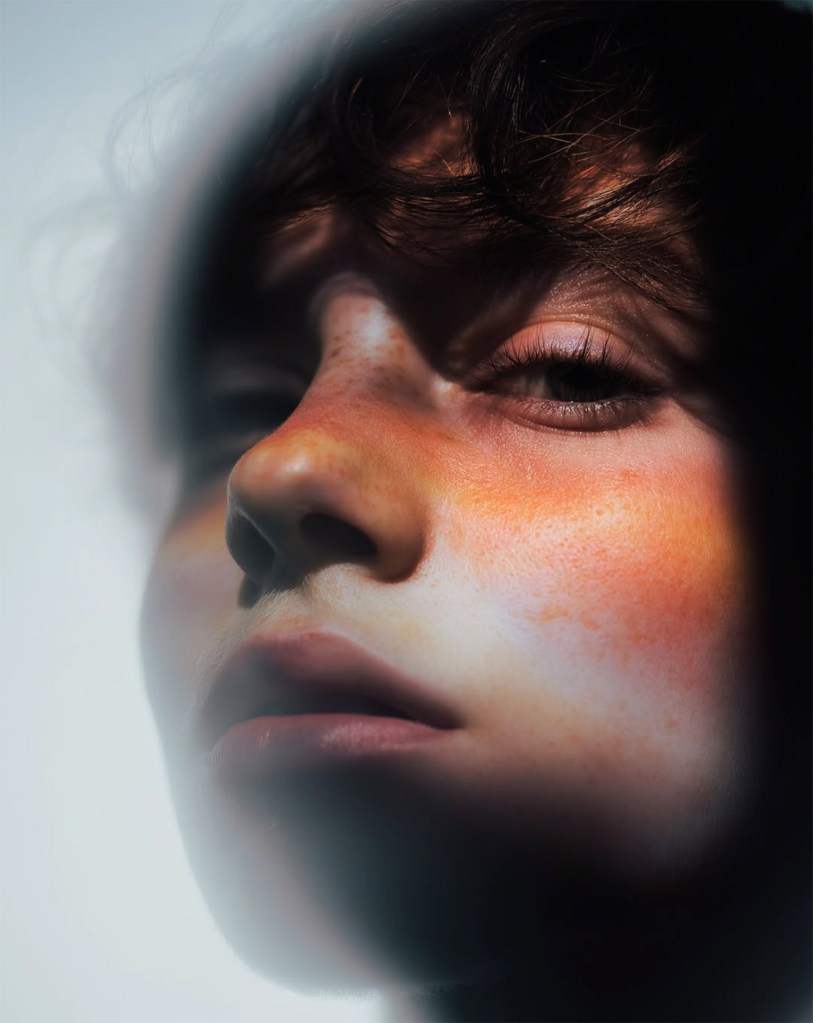
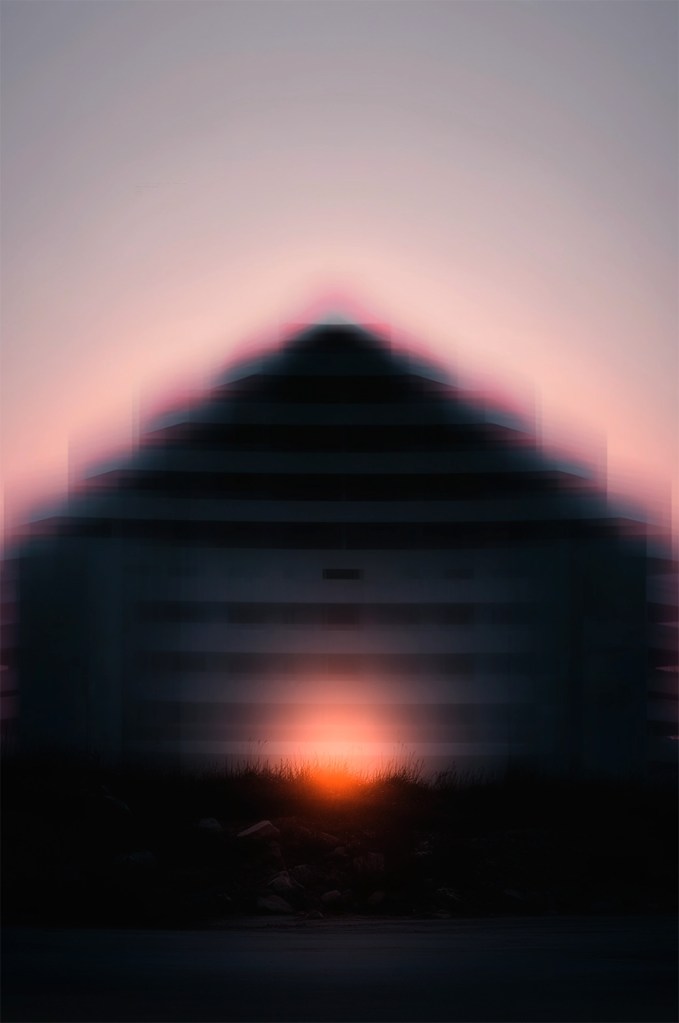
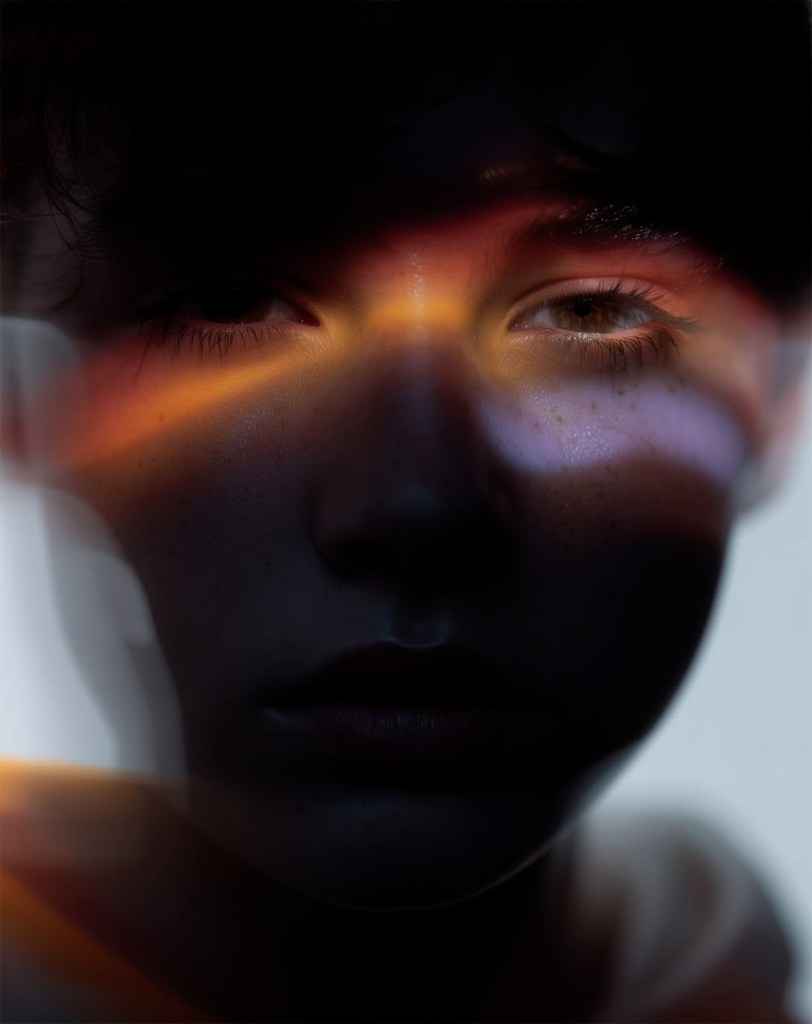
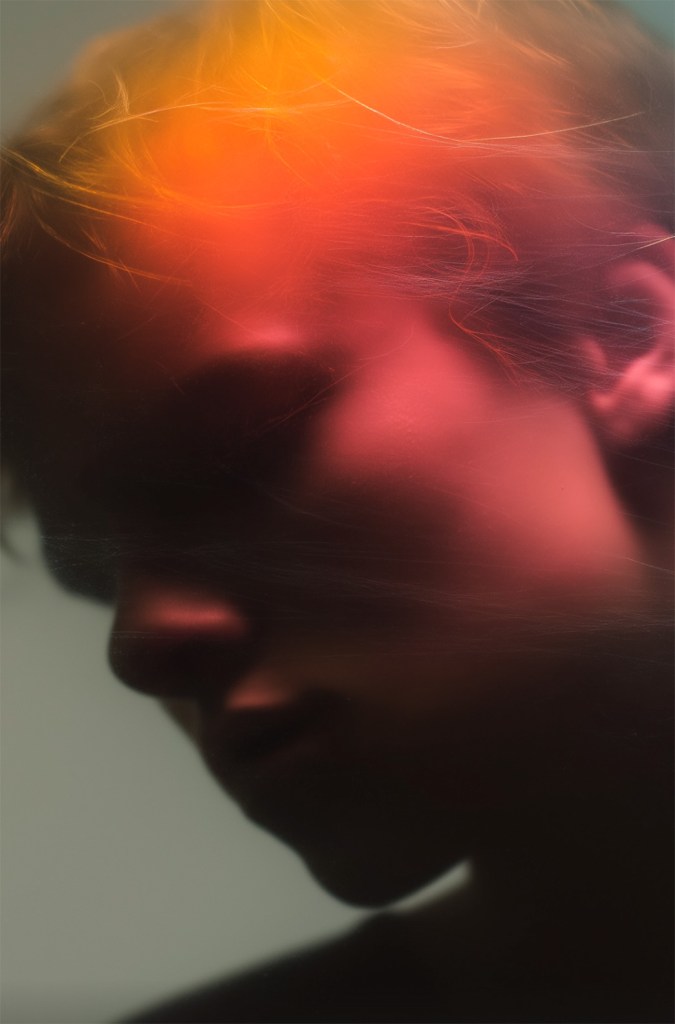
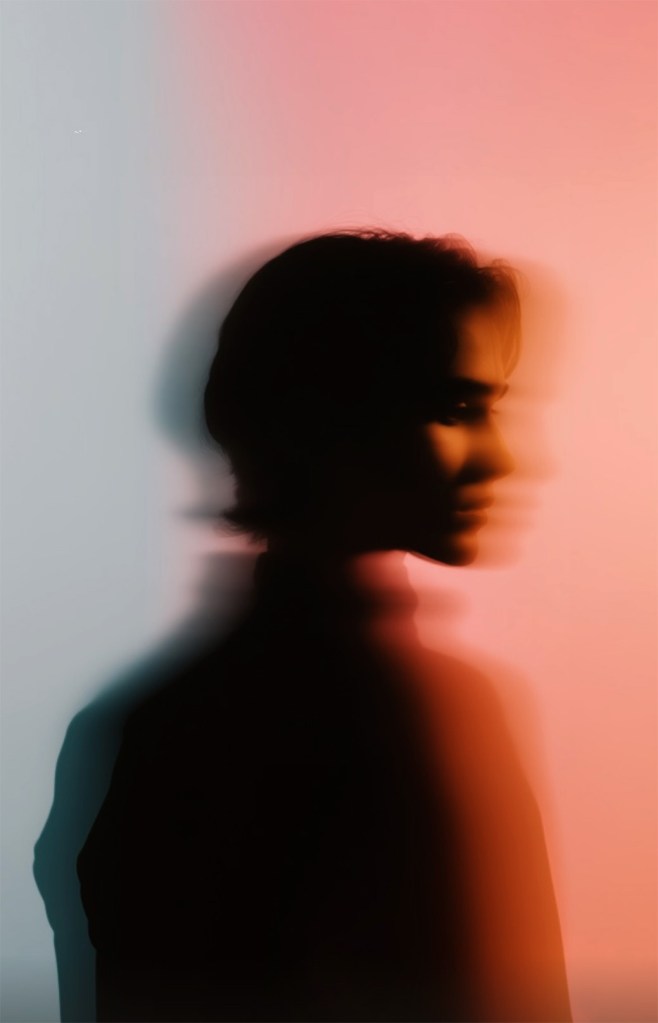
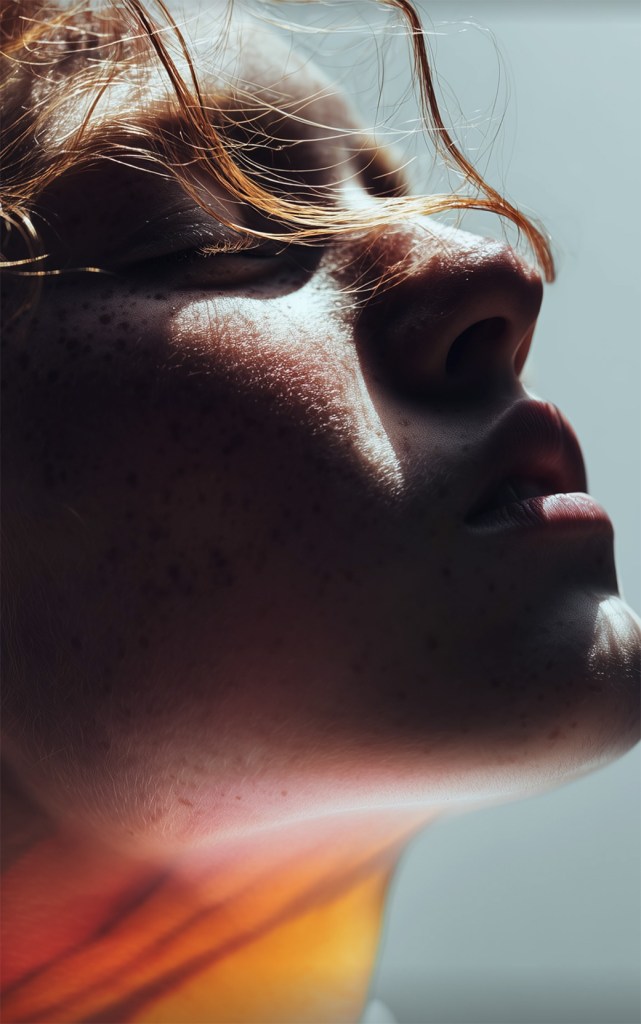
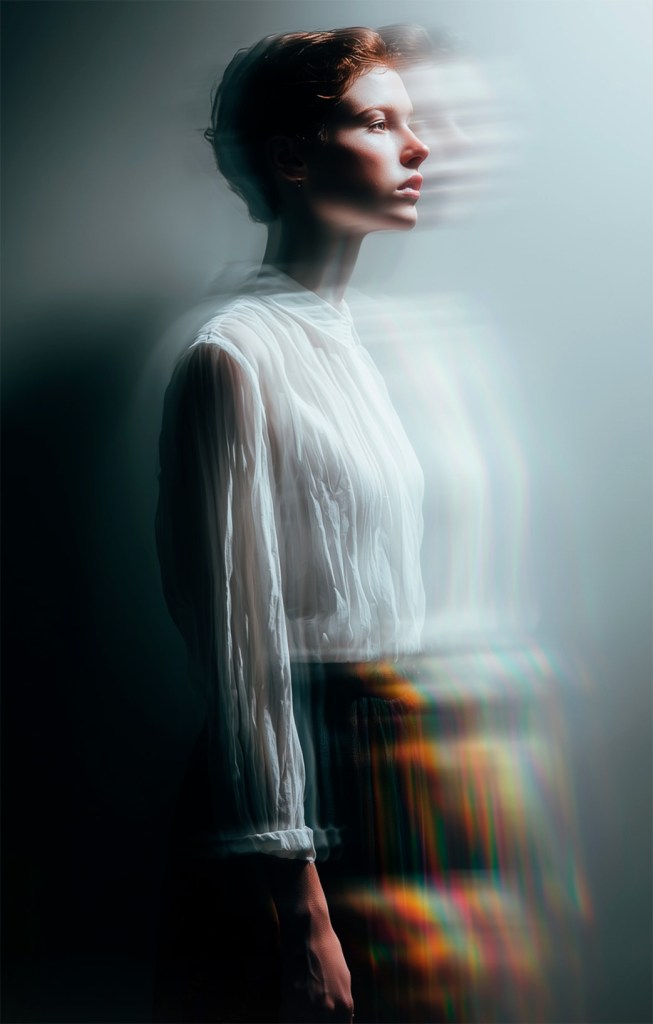
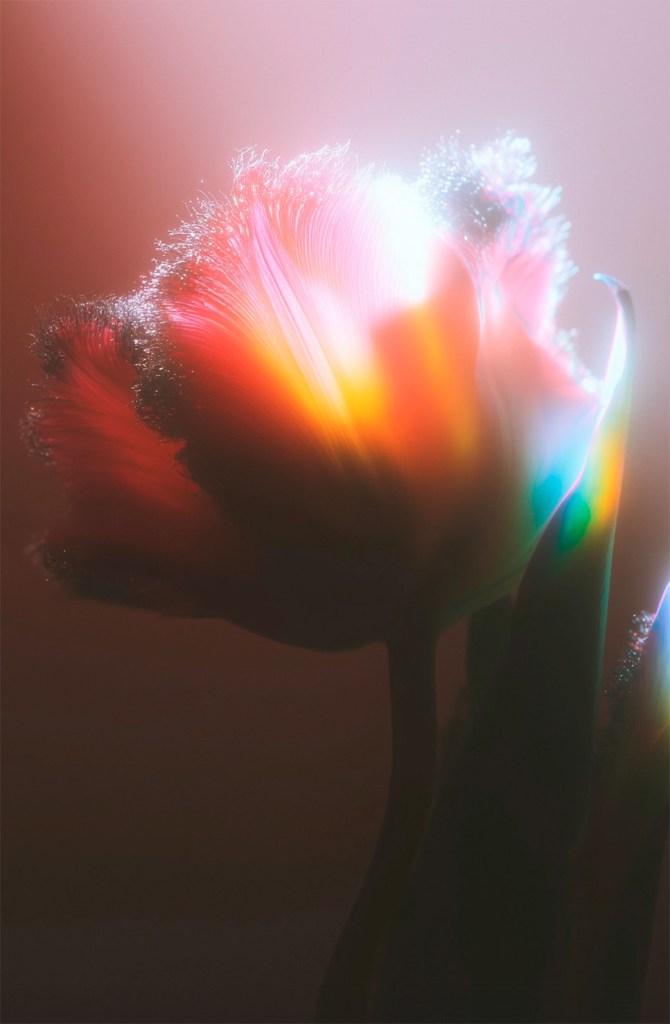
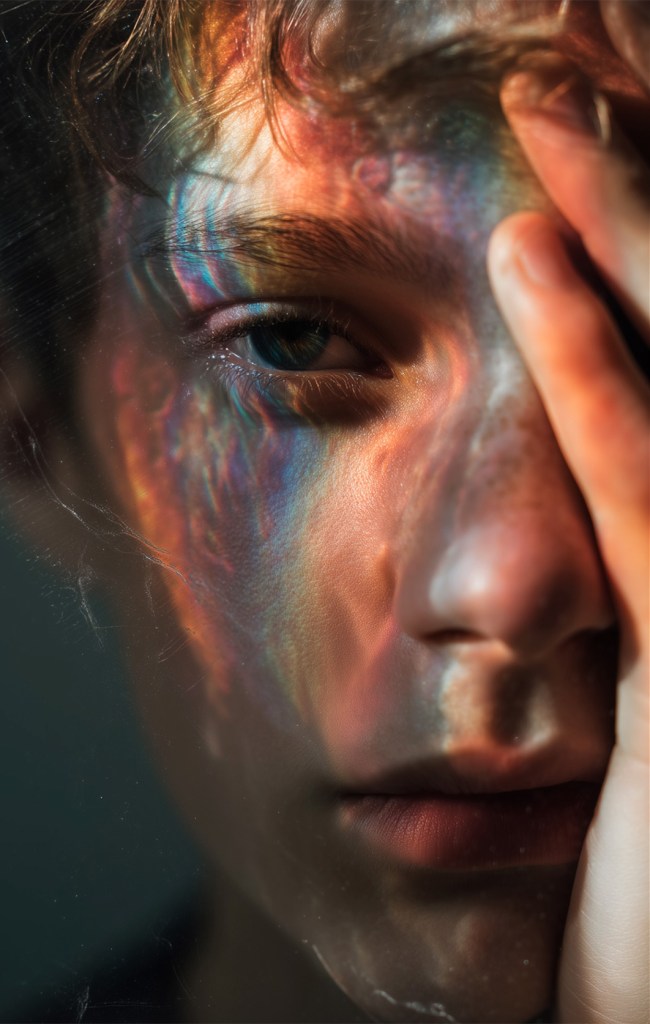
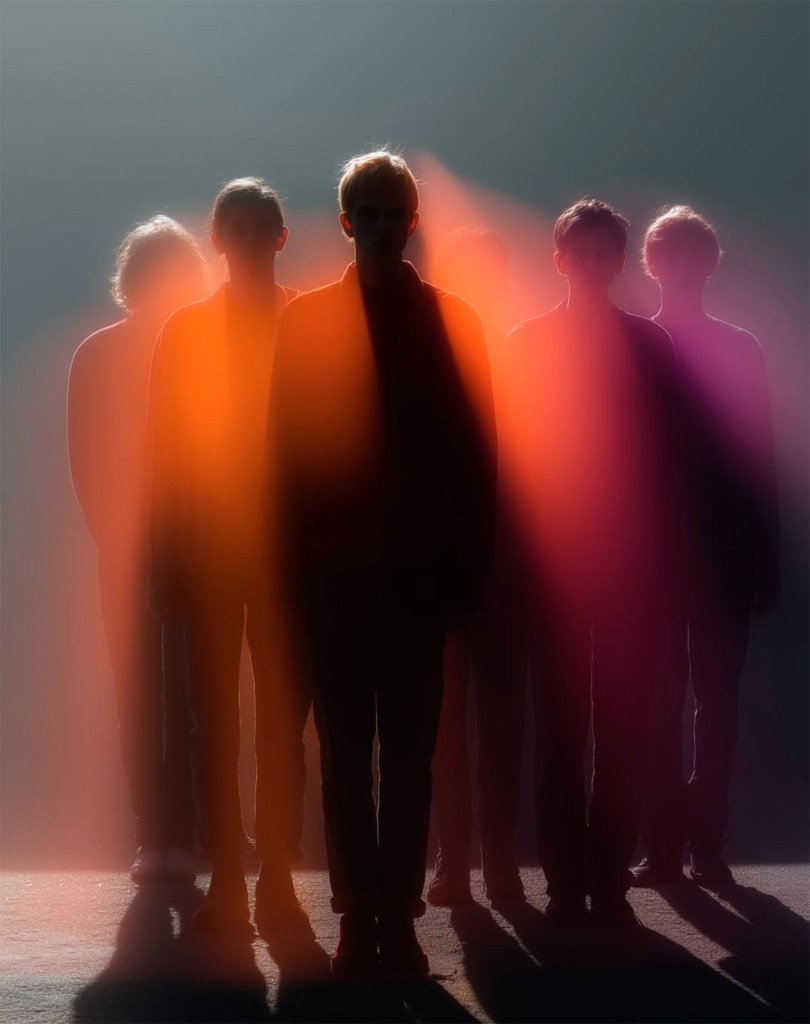
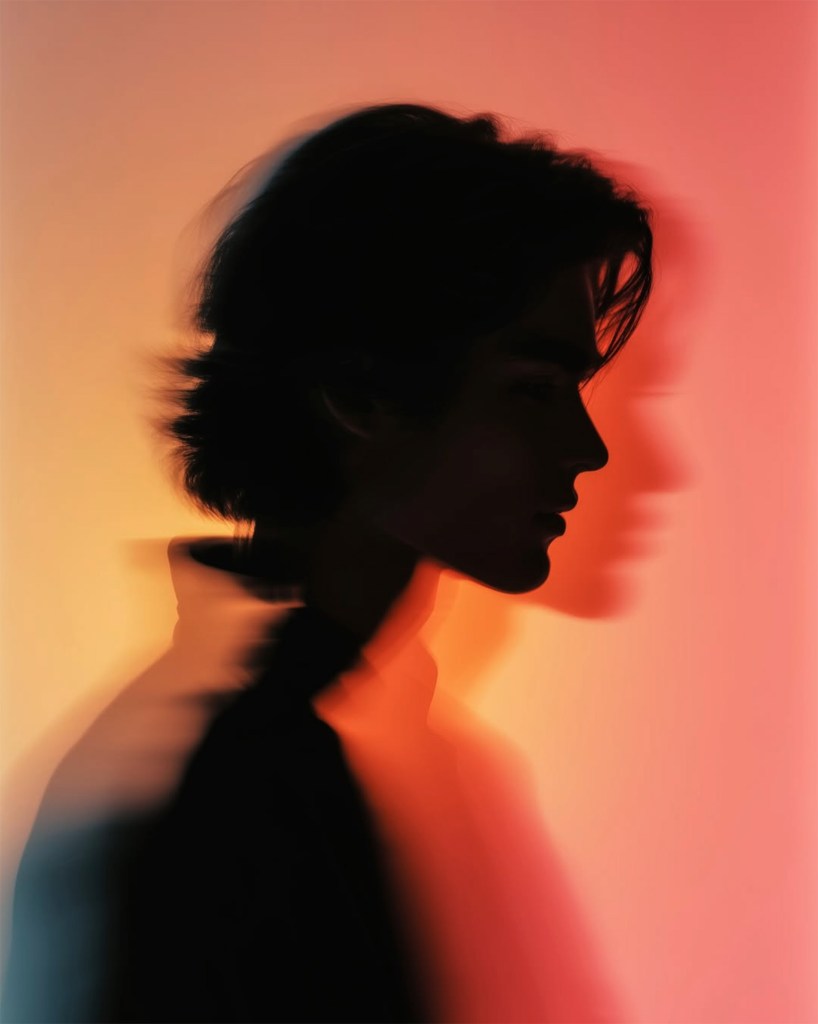
Images © aoRND
 Partfaliaz
Leave a comment