Artificial intelligence is transforming the creative industry. Moreover, it’s raising important questions about artistic authenticity. However, AI has also become a powerful tool for bringing ideas to life.
Meet Suzane Moss: A Pioneer in AI Visual Storytelling
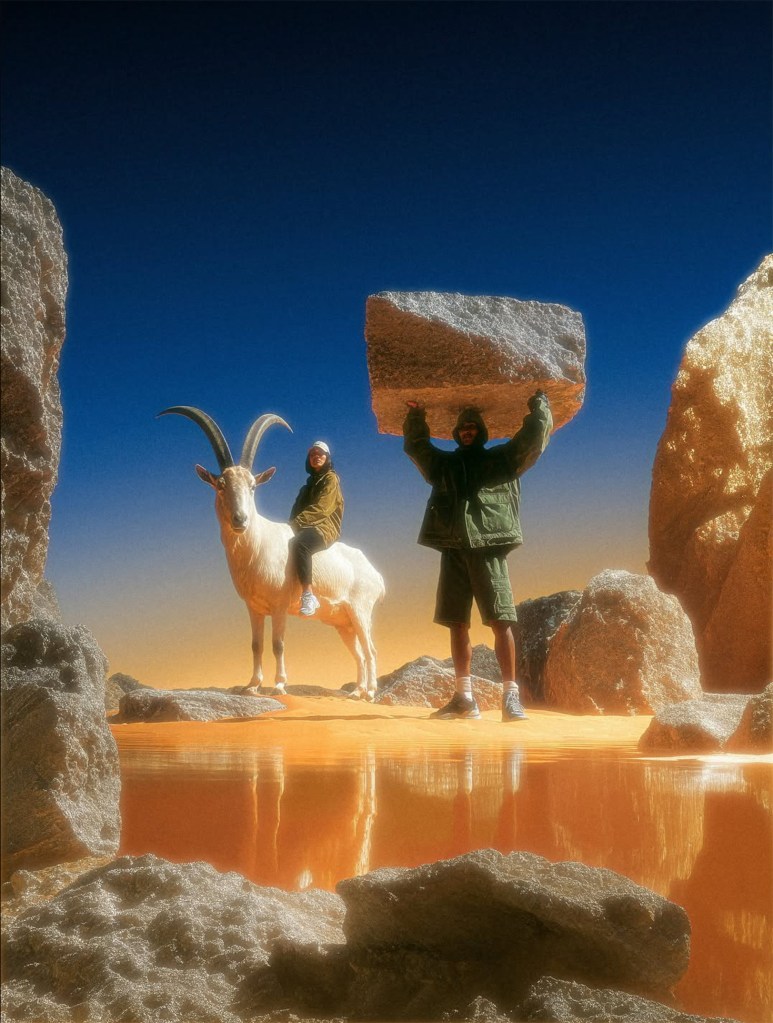
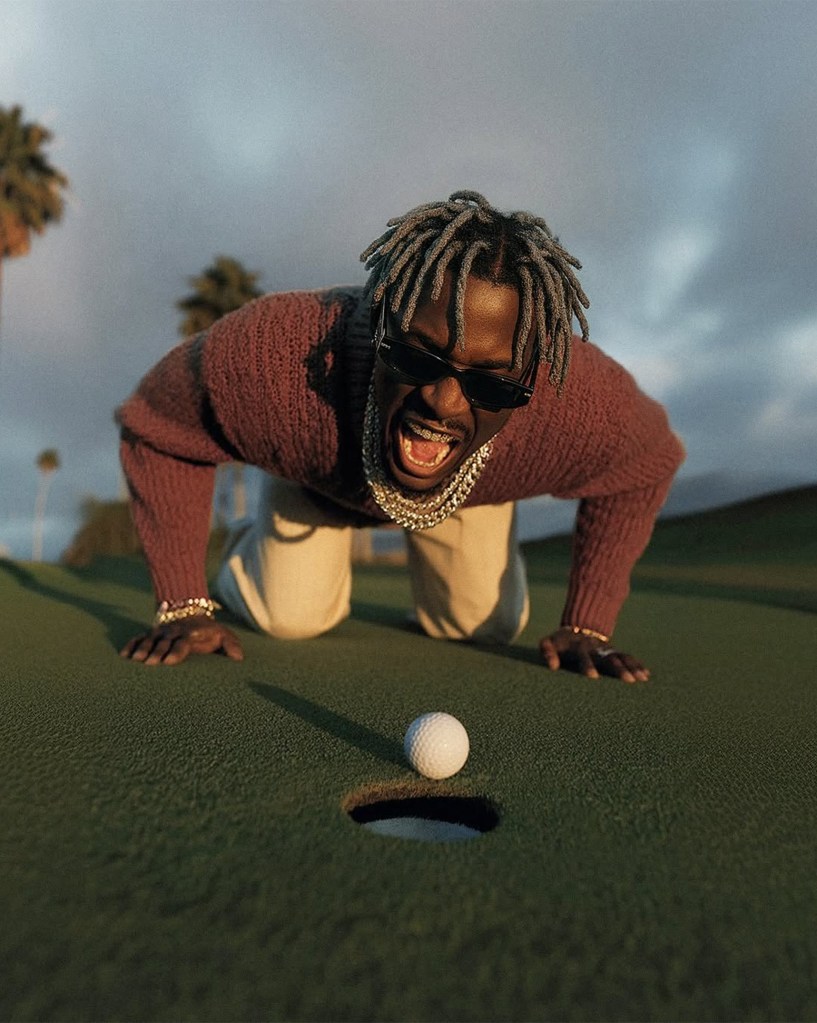
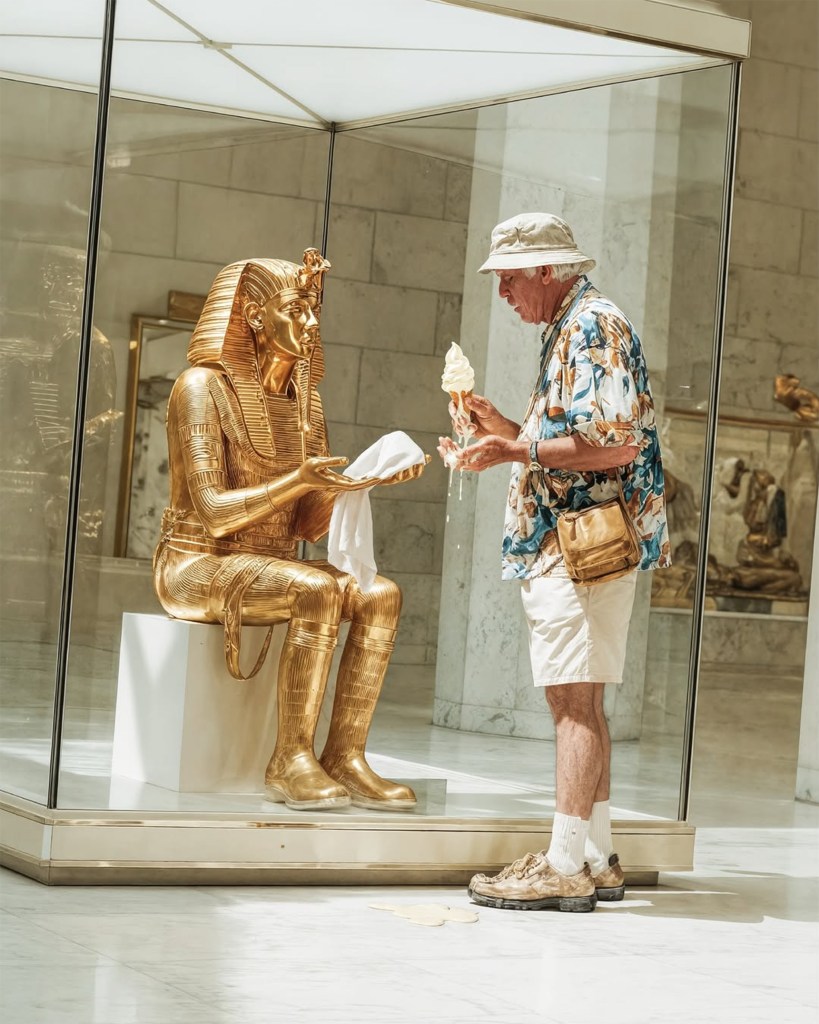
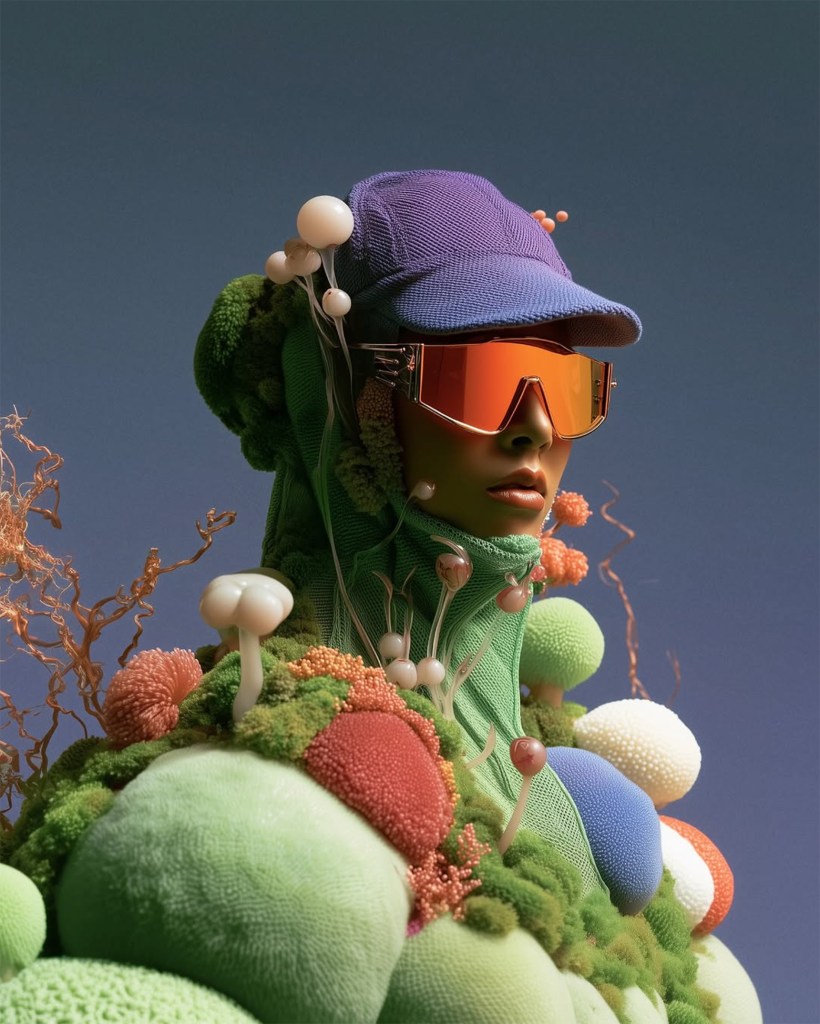
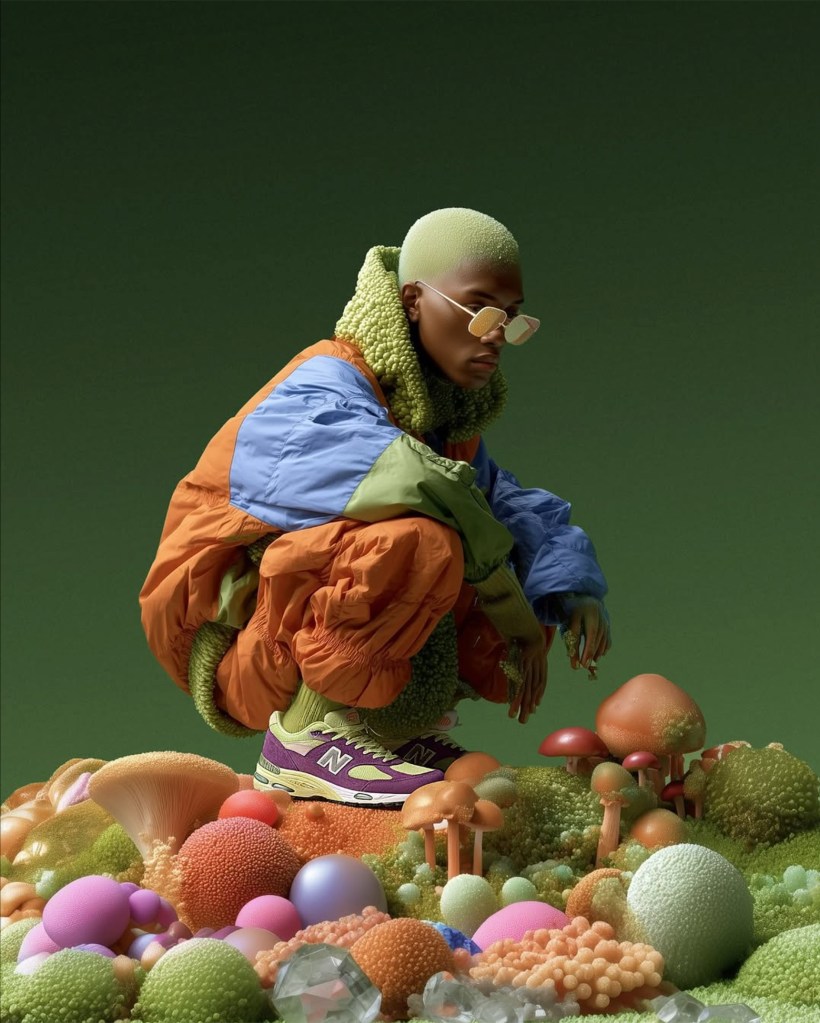
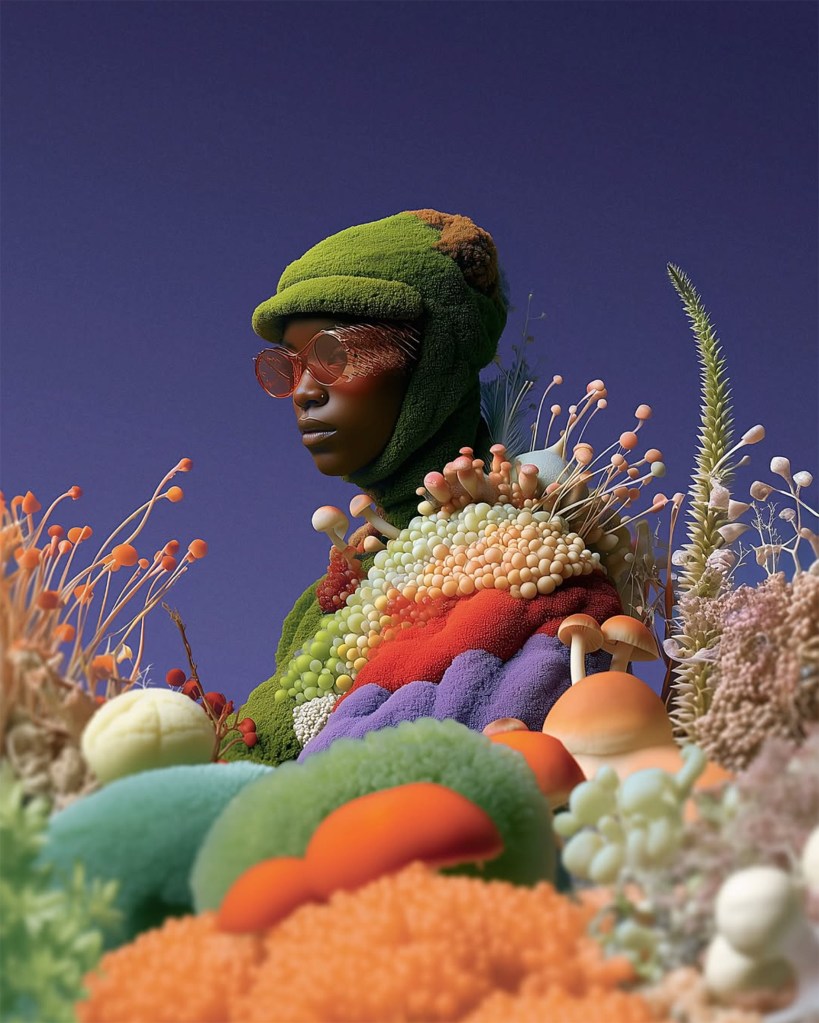
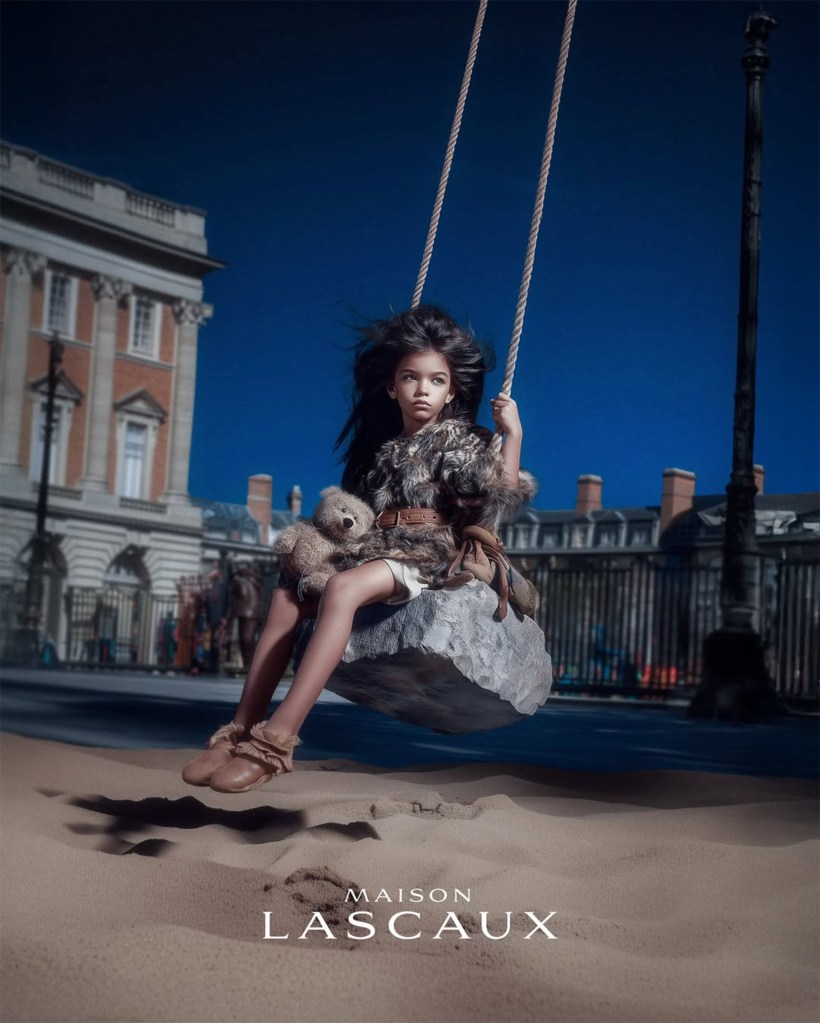
Suzane Moss is a creative director who excels in AI-generated visual narratives. Furthermore, she’s making waves in the digital art community with her innovative approach.
What Makes Suzane’s Work Stand Out?
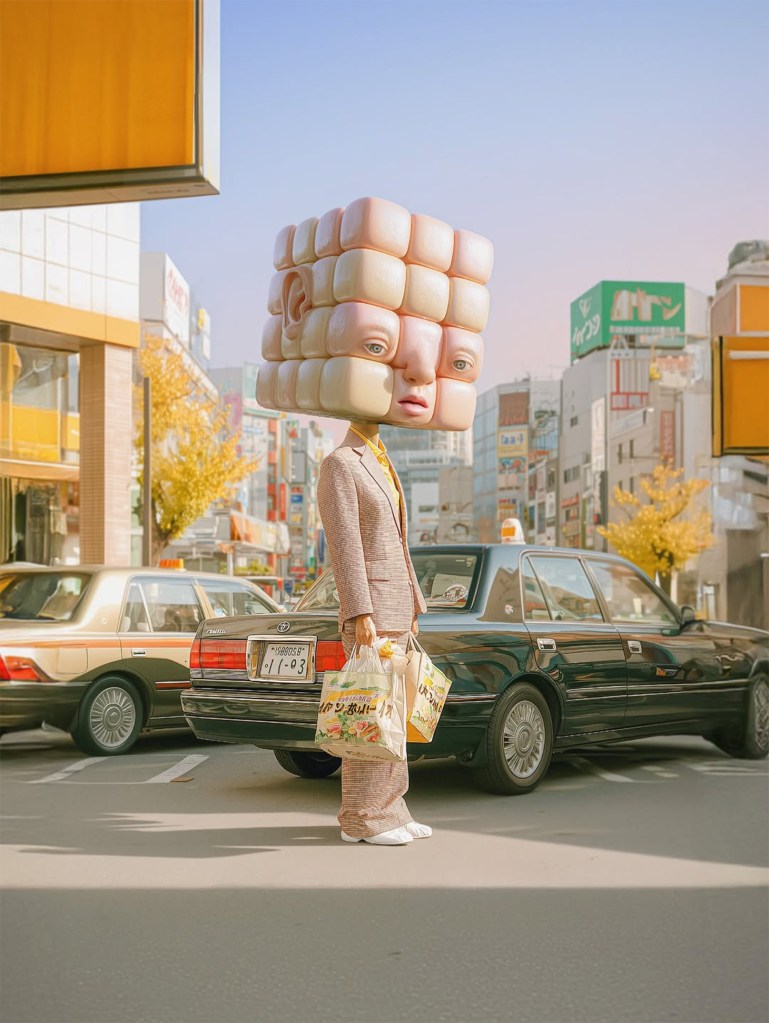
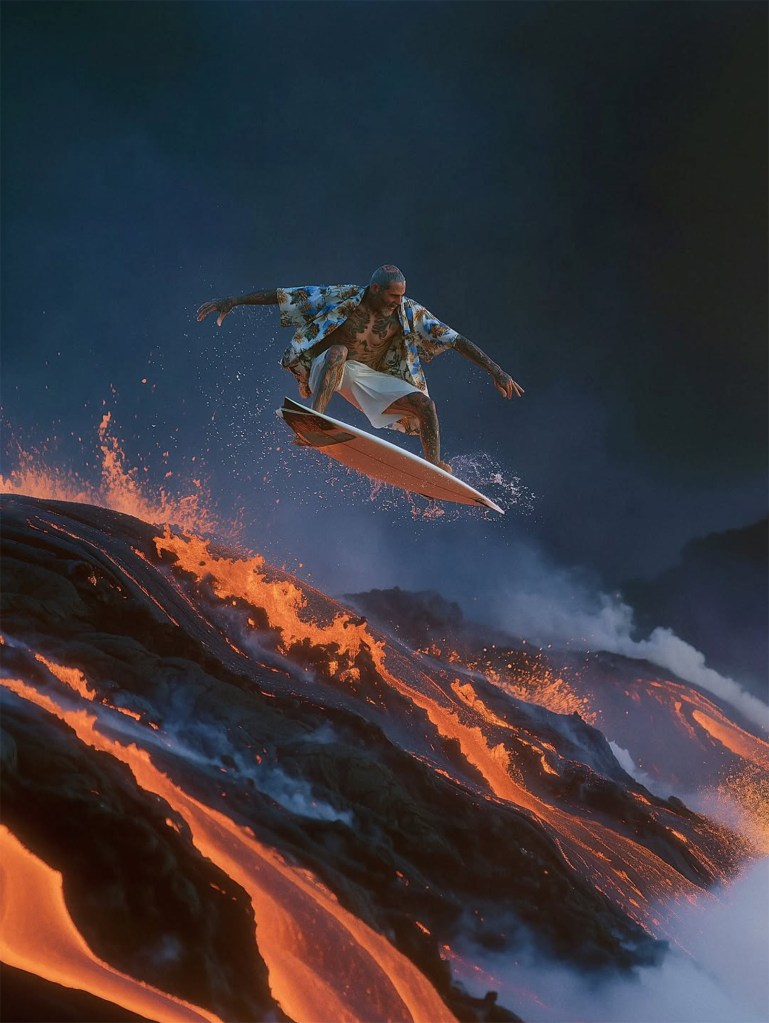
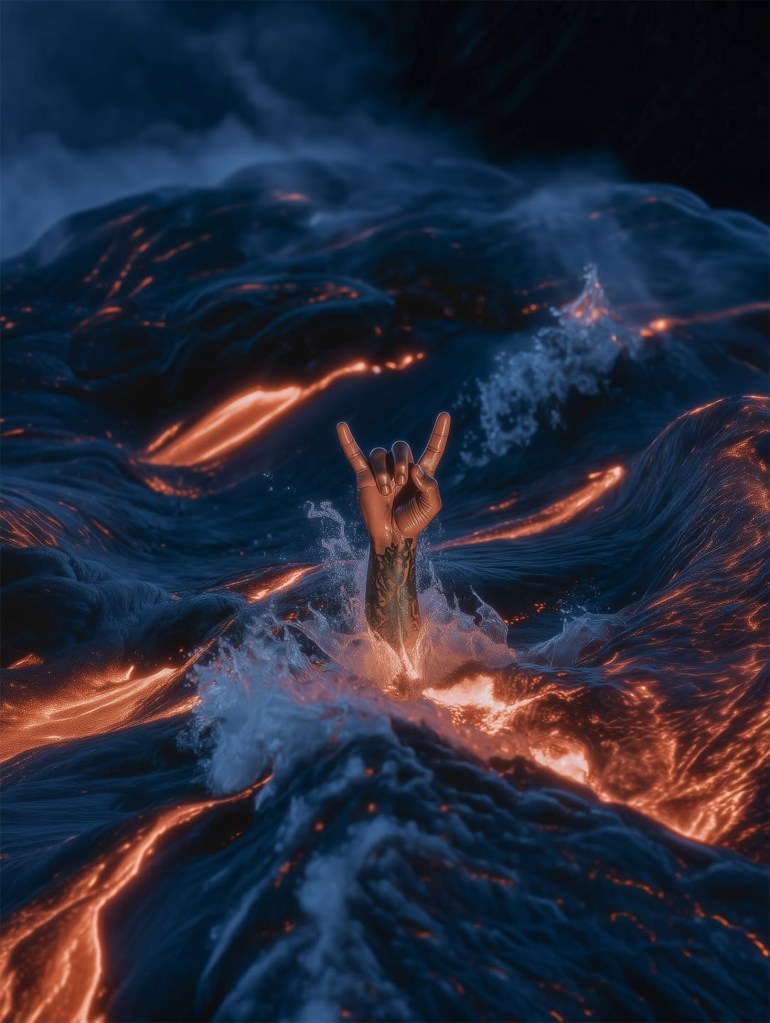
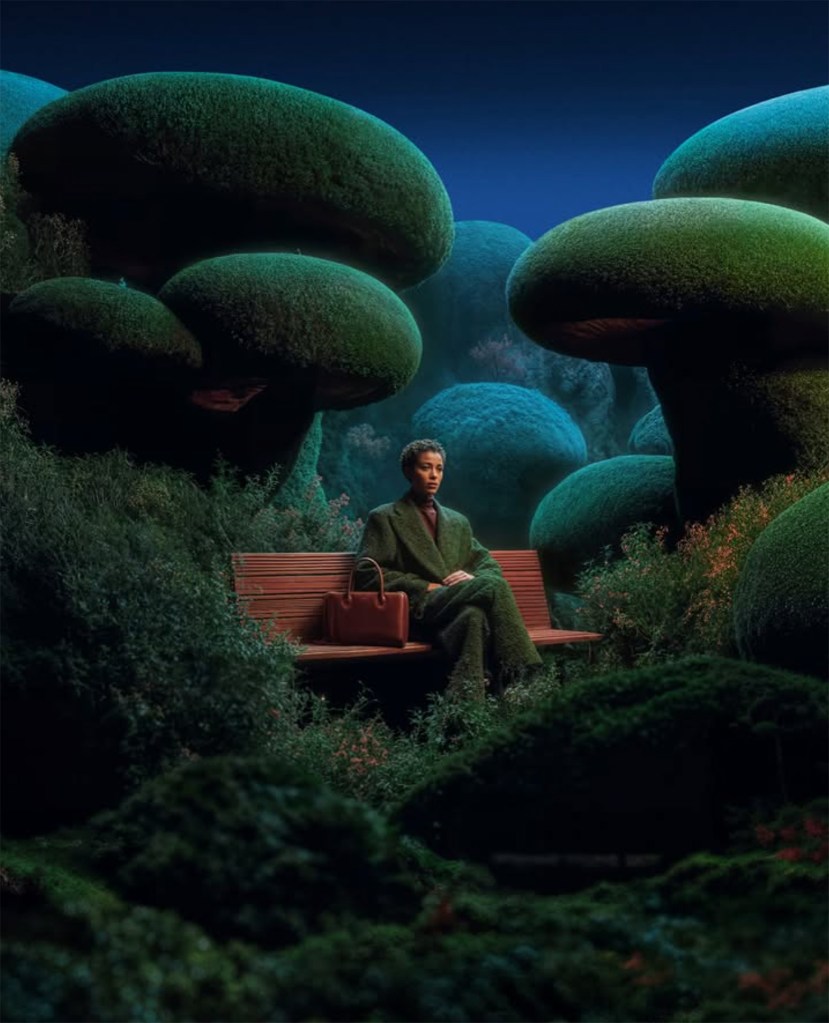
Her artistic style features several distinctive elements:
- Bold, vibrant colors that capture attention instantly
- Carefully crafted layouts that enhance visual impact
- Strong narrative elements that tell compelling stories
- Professional composition that rivals traditional photography
Suzane’s Journey into AI Art
In our exclusive interview, Suzane shares her creative background. Additionally, she reveals her artistic inspirations and influences.
Most importantly, she offers valuable advice for aspiring AI artists. Specifically, she addresses common concerns about starting with AI image generation.
Suzane emphasizes that AI art requires skill and vision. In other words, the technology is just a tool. Consequently, artistic talent remains essential for creating meaningful work.
Hi Suzane, can you introduce yourself?
Hi, I’m an advertising art director based in France. I work across different visual worlds: branding, art direction, visual identity, cultural and editorial projects… I love when design tells a story.
How long have you been using generative AI?
I started getting into it seriously in early 2024. What began as personal experimentation quickly became a professional tool: I now use it to explore ideas, create atmosphere-driven visuals, speed up visual production, and test styles I might not have tried otherwise.
What is your biggest source of inspiration actually?
Right now, I’m inspired by hybrid processes—the mix between human intuition and AI’s randomness. I also draw from contemporary art, cinema, and graphic design history, but above all, I love turning constraints into strong creative directions.
Which AI tools do you use the most?
I mainly use MidJourney. I then combine it with my usual tools like Photoshop, Figma, or even coding experiments. I like to cross different tools and confront them, rather than relying on just one.
Any advice for those interested in getting into AI art?
• Start with what you genuinely love visually—look for references in the real world (architecture, nature, signage, etc.).
• Master prompting: be precise, experiment, iterate. Even one detail can change everything.
• Embrace the “happy accidents”—sometimes an odd output becomes a powerful idea.
• Always add your personal touch: graphic style, composition choices, typography… These are what make it not just “a nice image,” but an image that feels like yours and leaves a mark.
Why Follow Suzane’s Work?
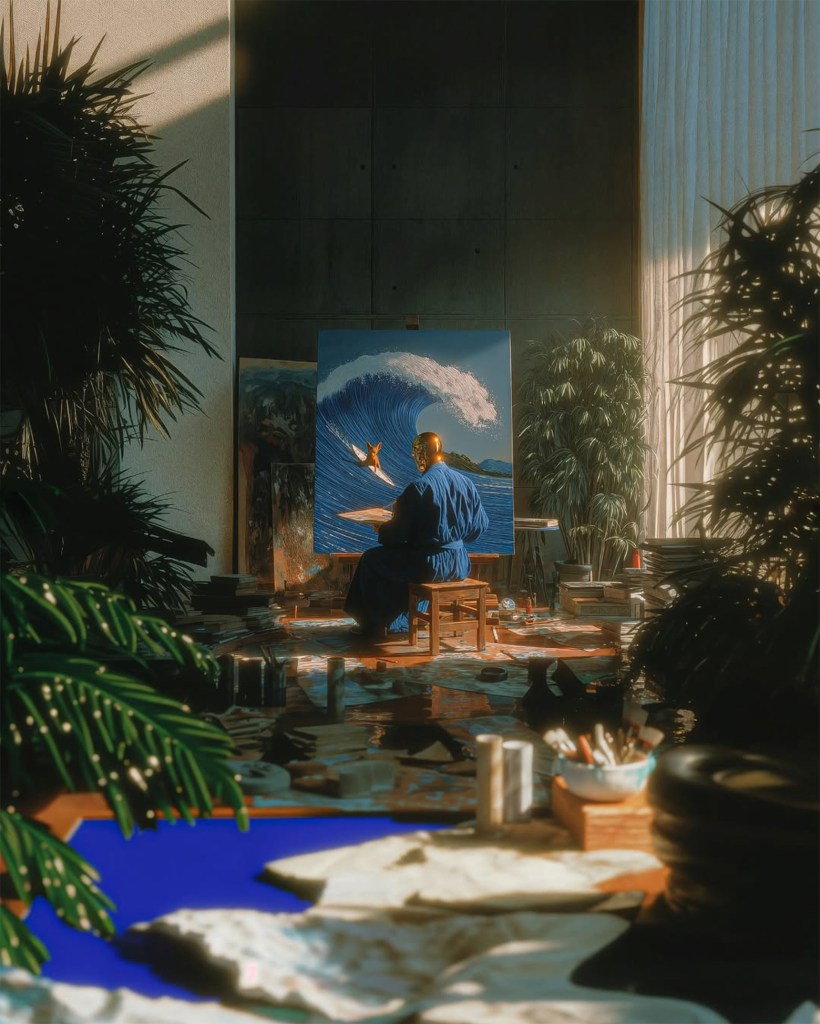
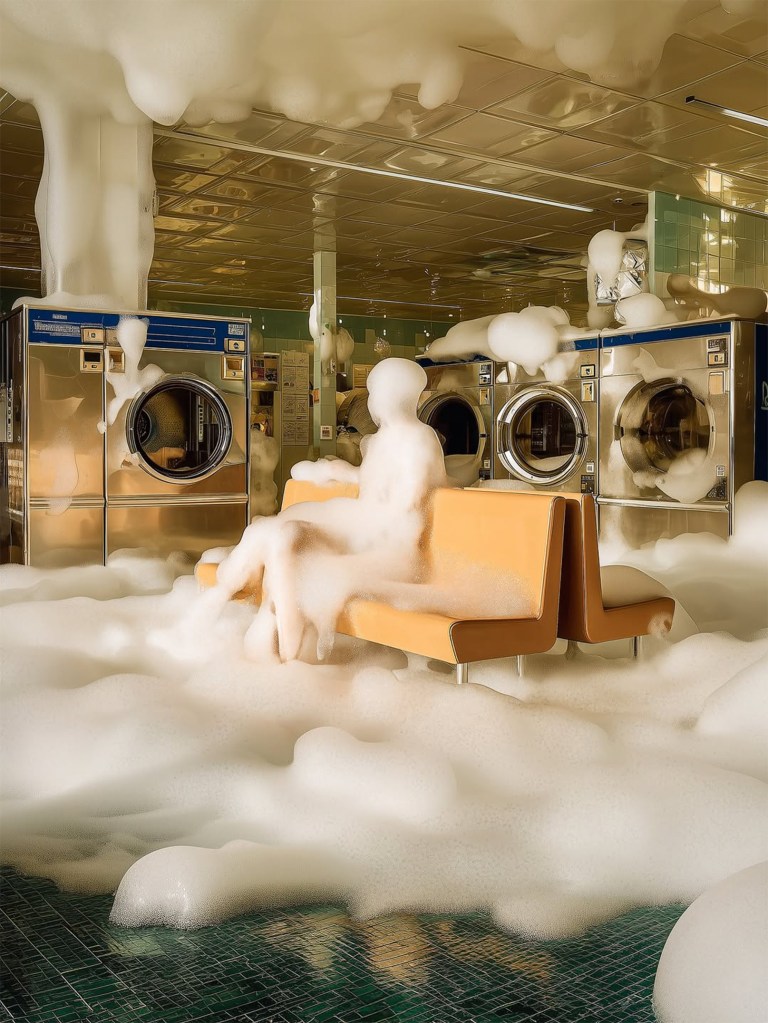
Her Instagram showcases consistent quality and innovation. Therefore, it’s an excellent resource for AI art inspiration.
Furthermore, her work demonstrates AI’s potential in professional creative projects. As a result, she’s helping to legitimize AI-generated art in commercial contexts.
The Future of AI in Creative Industries
Suzane’s success illustrates AI’s growing role in visual communication. Similarly, other artists are discovering new possibilities with these tools.
However, the key lies in combining technical knowledge with artistic vision. Ultimately, human creativity drives the best AI-generated content.
Images © Suzane Moss 2025
 Partfaliaz
Leave a comment