In the rapidly evolving landscape of AI-generated art, certain practitioners emerge not merely as technicians, but as genuine philosophers of the medium.
Dr. Jang Yeonjeong AKA Forside_AI—a Korean visionary intermedia artist holding a Ph.D. in Fine Arts—represents precisely this convergence of rigorous academic inquiry and profound artistic sensibility.
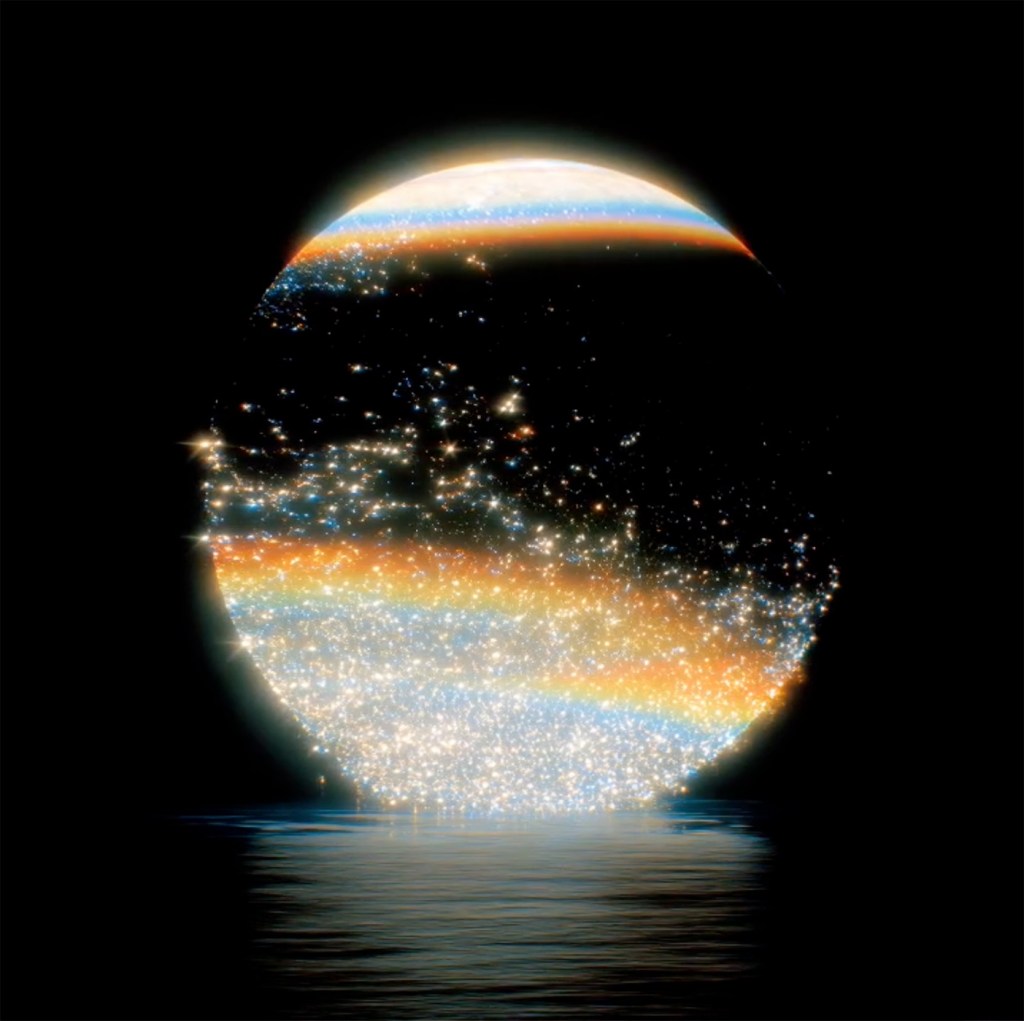
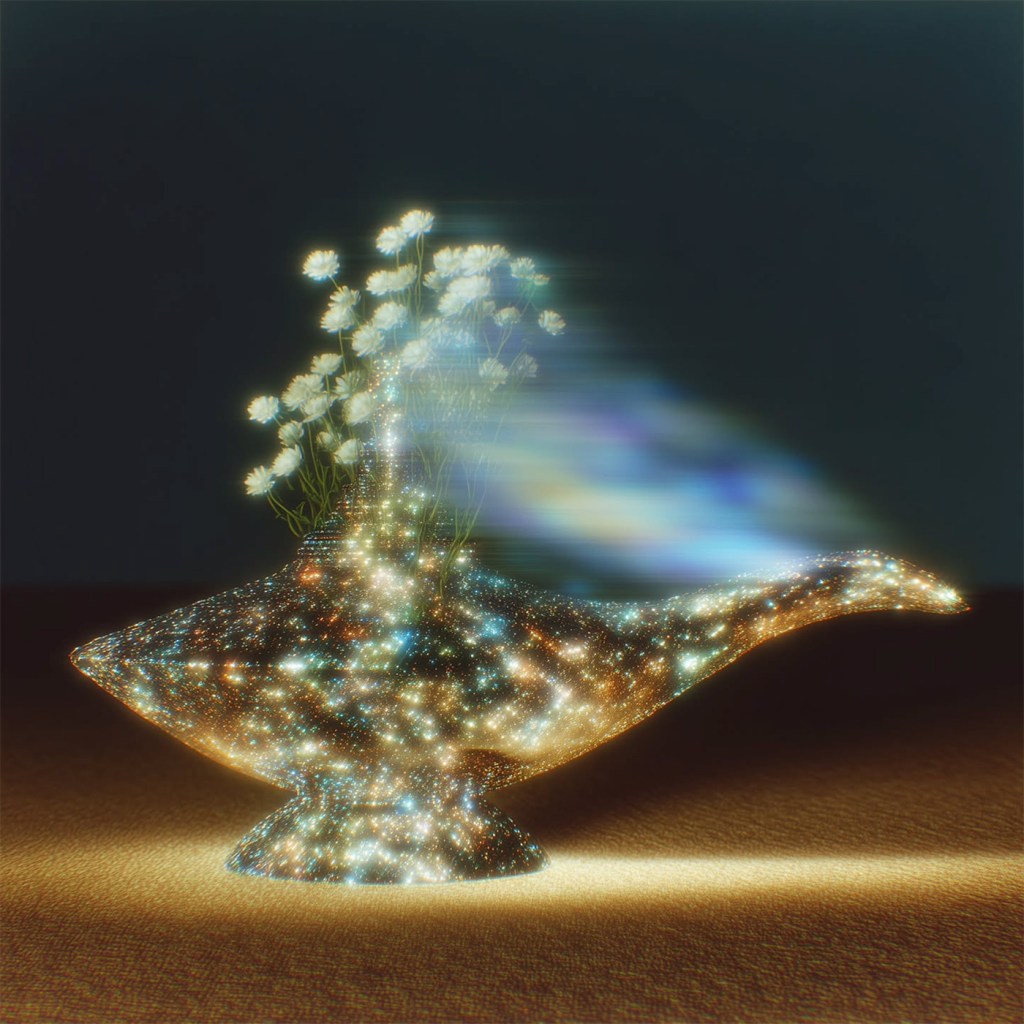
At first glance, her work captivates through its aesthetic luminosity. Yet beneath the surface shimmer lies a sophisticated conceptual framework. Indeed, Forside_AI’s practice demands multiple readings. What initially appears decorative reveals itself as deeply contemplative. Everyday objects transform into spiritual vessels.
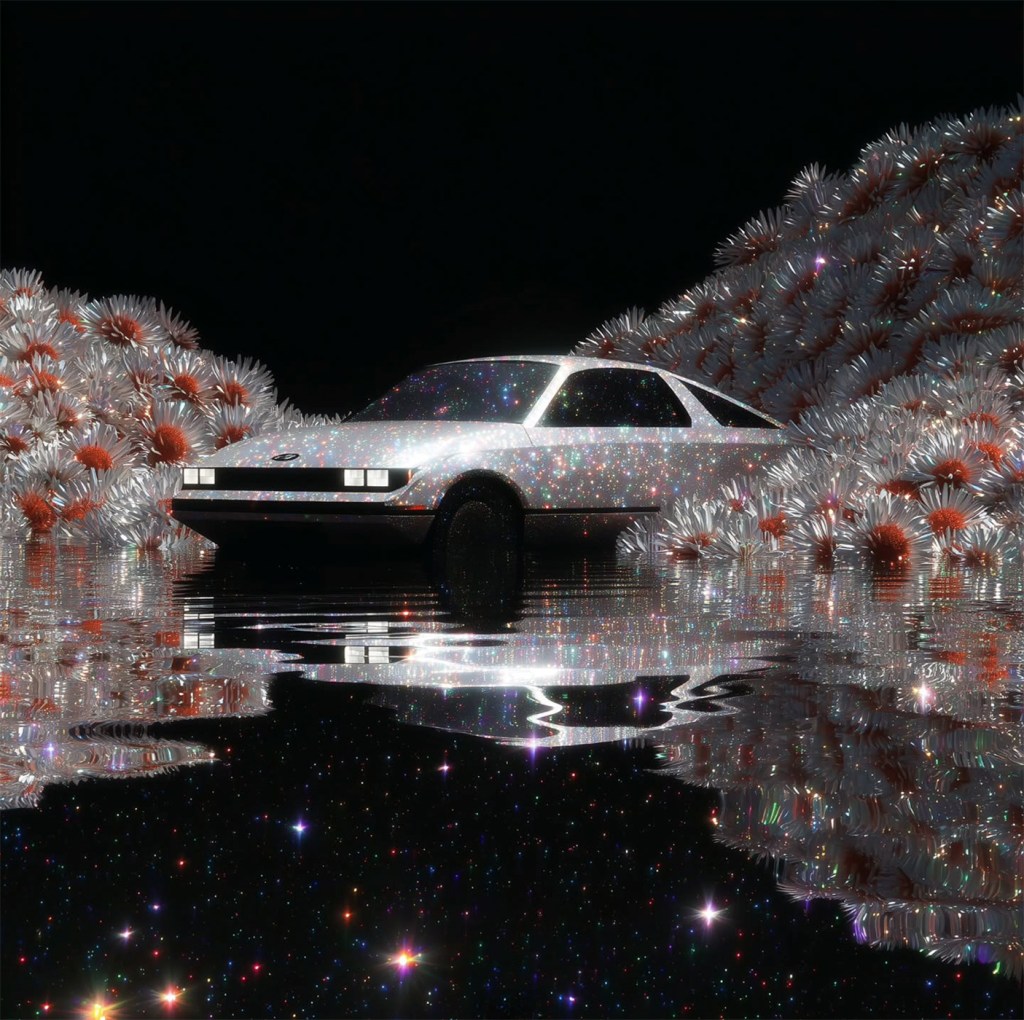
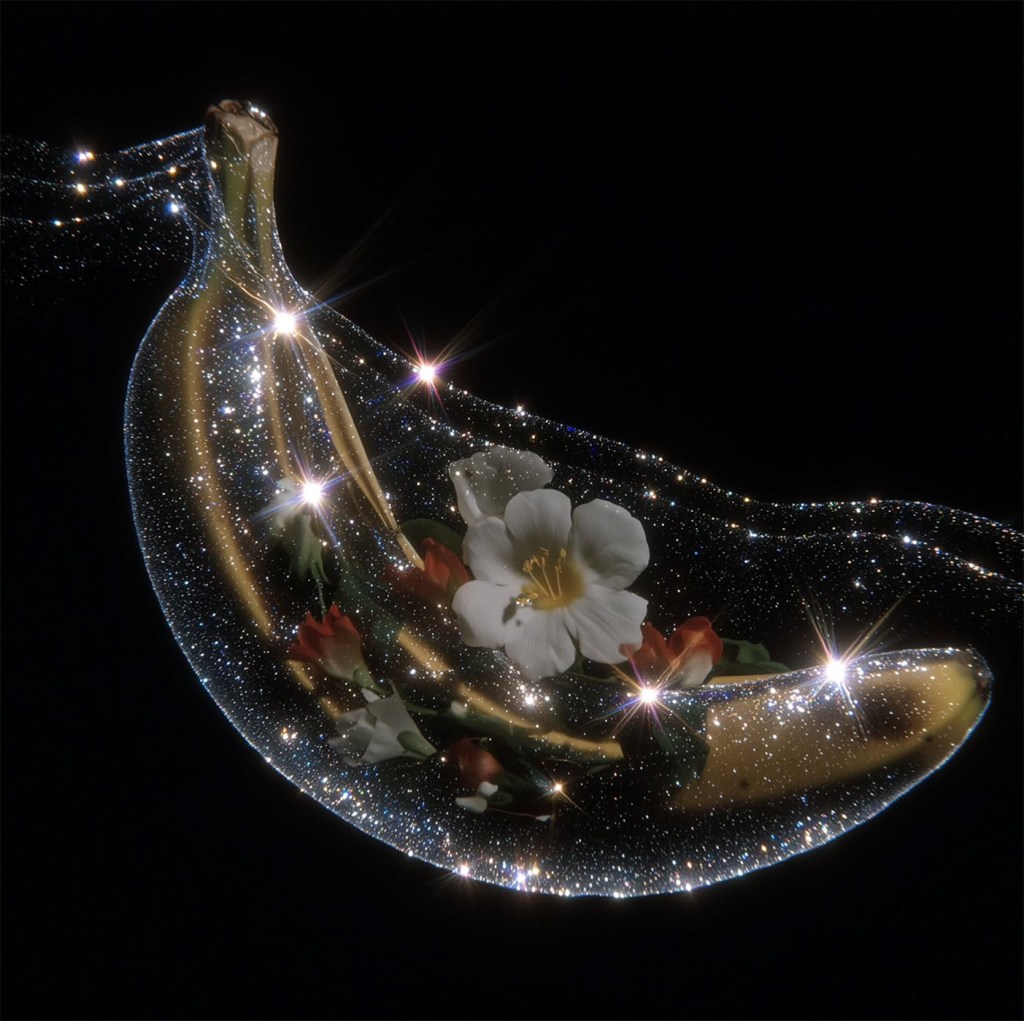
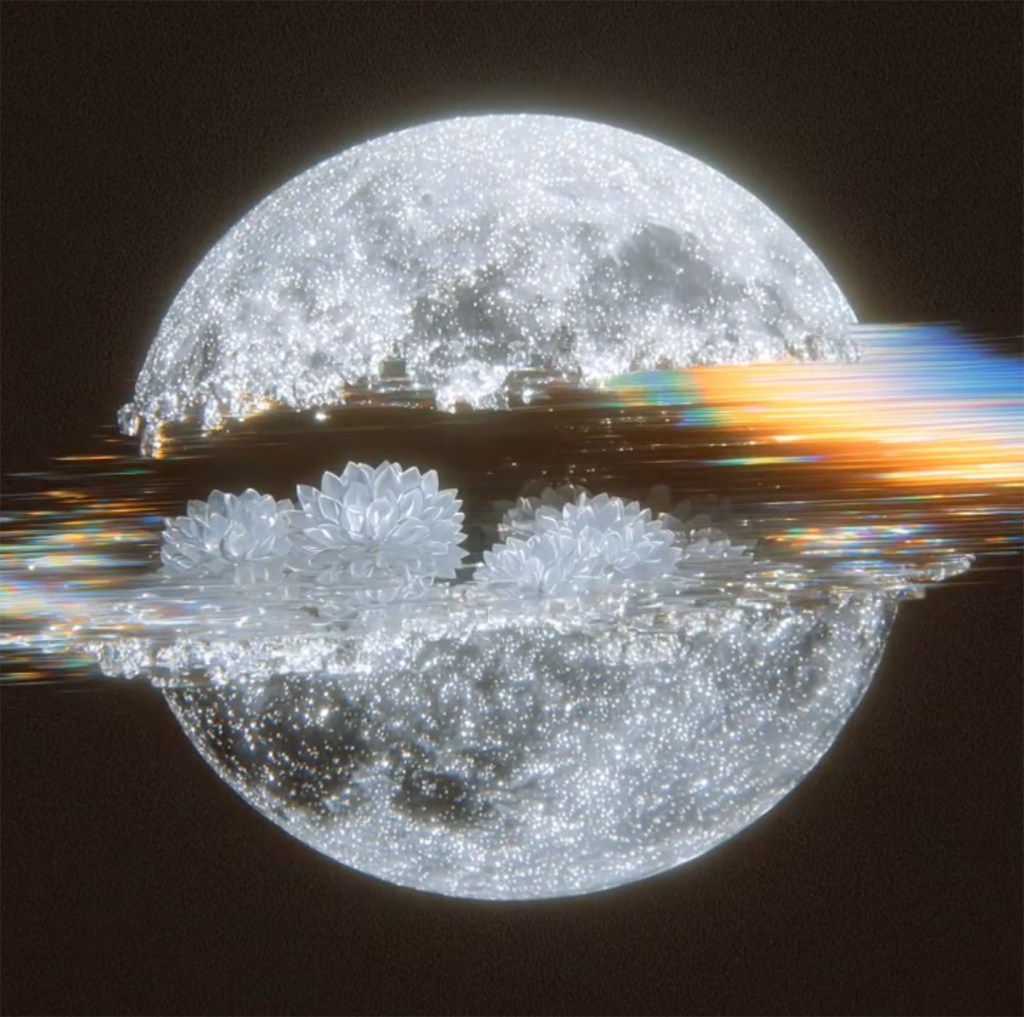
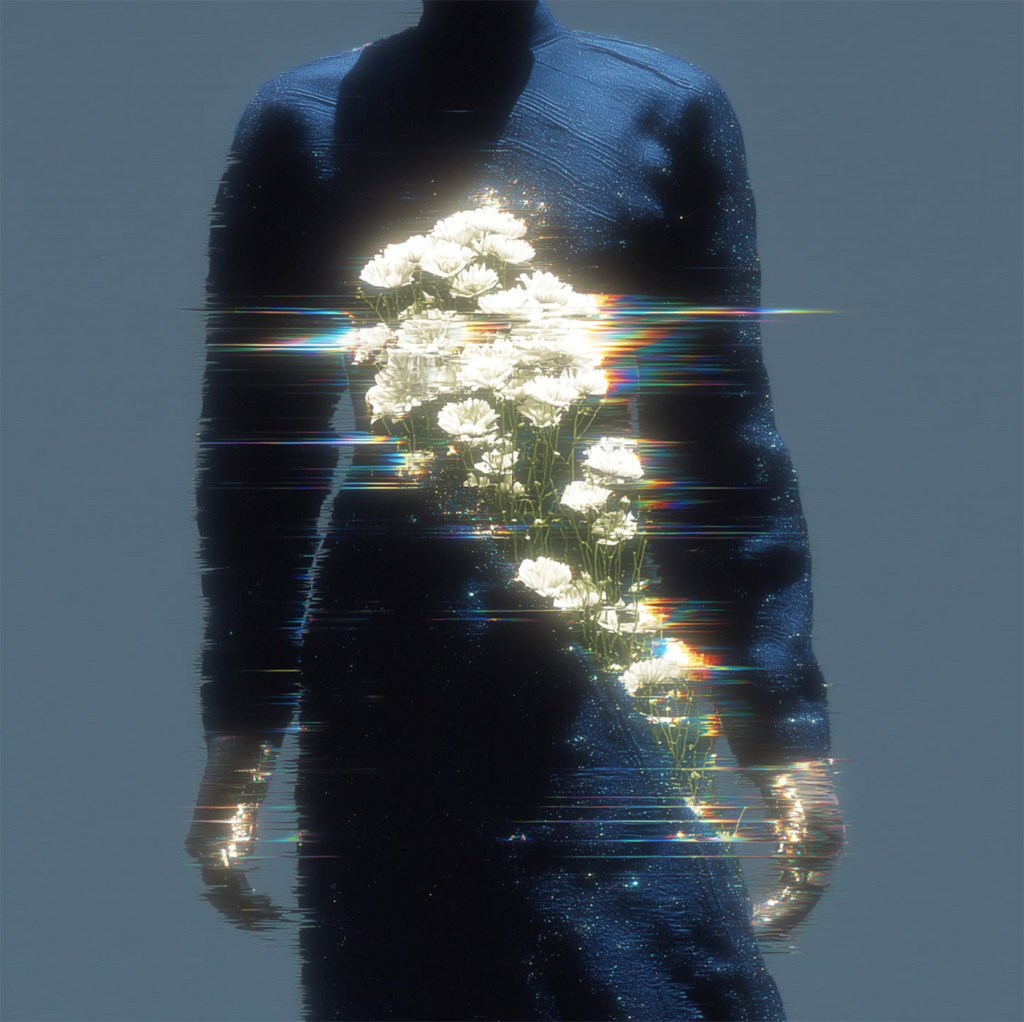
Through AI-generated images and videos, she investigates light as spiritual matter—a liminal substance existing at the threshold between the visible and invisible. Her oeuvre, simultaneously contemplative and poetic, transmutes silence, breath, and emptiness into vital forces. In her visual universe, absence becomes a space for renewal. Negation transforms into possibility.
Her artistic inquiry centers on fundamental questions. What constitutes the fragility of living beings? Can emotion be authentically “shared” between human consciousness and machine intelligence? These are not superficial provocations but sustained philosophical investigations manifested through image-making.
Drawing from Zen minimalism and the luminous sublime of classical European painting, Forside_AI constructs a meditative practice focused on presence itself. In her work, light functions as passage—a transitional state. Being becomes the respiration of the world.
In the following interview, Dr. Jang Yeonjeong generously shares insights into her creative processes, artistic inspirations, and intellectual formation. Her responses illuminate both her methodology and her worldview.
Let us enter into dialogue with an artist who transforms algorithmic output into transcendent inquiry.
Can you briefly introduce yourself ?
My name is Jang Yeonjeong, also known as Forside. I’m a South Korean AI artist, Ph.D. in Fine Arts, and lecturer and researcher in the field of design. My work and research explore how art, philosophy, and technology intersect to expand human perception and emotion.
At the core of my practice lies one ongoing inquiry: how can AI aesthetics reveal the invisible dimensions of human thought and feeling?
How long have you been using generative AI?
I began using generative AI in November 2024. Rather than treating it simply as a tool, I approach AI as an experimental medium that expands human emotion, memory, and cognition through visual creation.
Today, I integrate AI into both my artistic practice and academic research, engaging with it professionally across education and design aesthetics.
What is your biggest source of inspiration actually?
My work begins with universal human emotions—life and death, birth and love—interpreted through the concept of the sublime. For me, the sublime is not mere beauty but a state in which emotion transcends human limitation and reveals the vastness of existence. I often find this sense of sublimity within Korean traditional aesthetics of emptiness and stillness.
There lies a quiet intensity—a space where restraint, silence, and the dissolution of boundaries between human and nature coexist. By reconstructing this through digital media, I aim to expand classical sublimity into what I call the Digital Sublime— a realm where human emotion, mediated by technology, unfolds into new forms of perception and presence.
Which AI tools do you use the most?
I primarily use Midjourney for image generation and Kling and Higgsfield for video creation. Midjourney allows me to refine the delicate texture of visual language, while Kling and Higgsfield enable me to express the poetic movement of time, emotion, and light. Together, these platforms form my digital laboratory of art, an extended space for visual thought and experimental aesthetics.
Any advice for those interested in getting into AI art?
What matters most is your own philosophy and branding message. Using AI tools is easy—but infusing them with meaning, language, and identity is what defines artistry. AI only lends us a form; it is up to the artist to implant thought and soul into that form.
Before learning the technology, ask yourself what kind of world you truly wish to express.
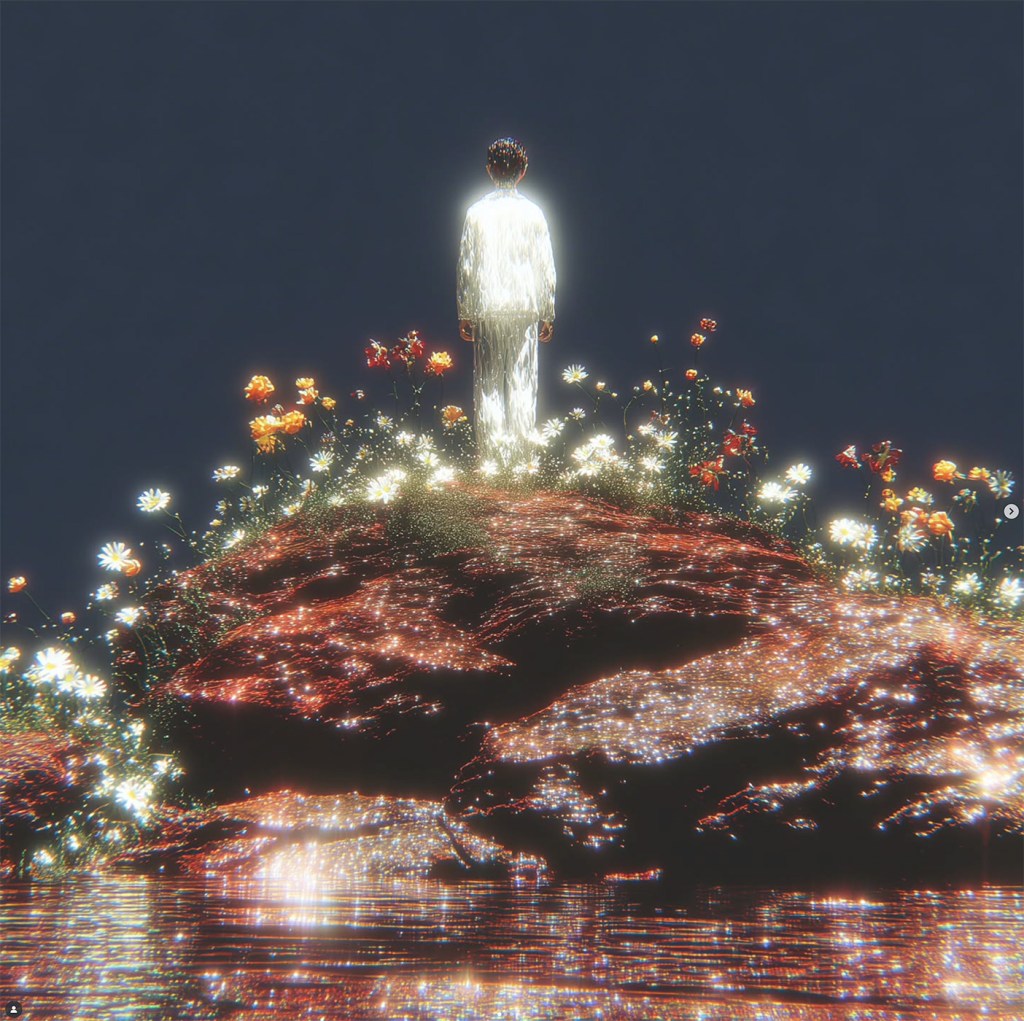
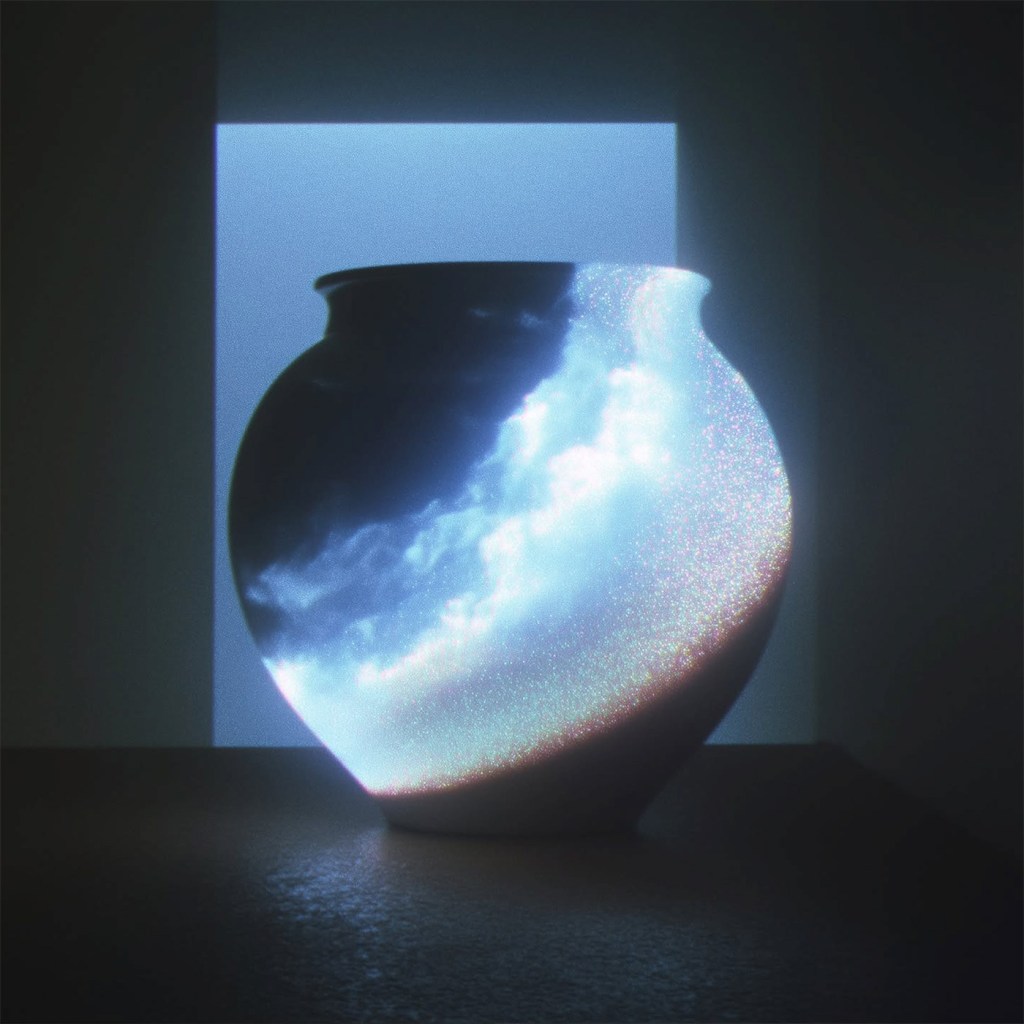
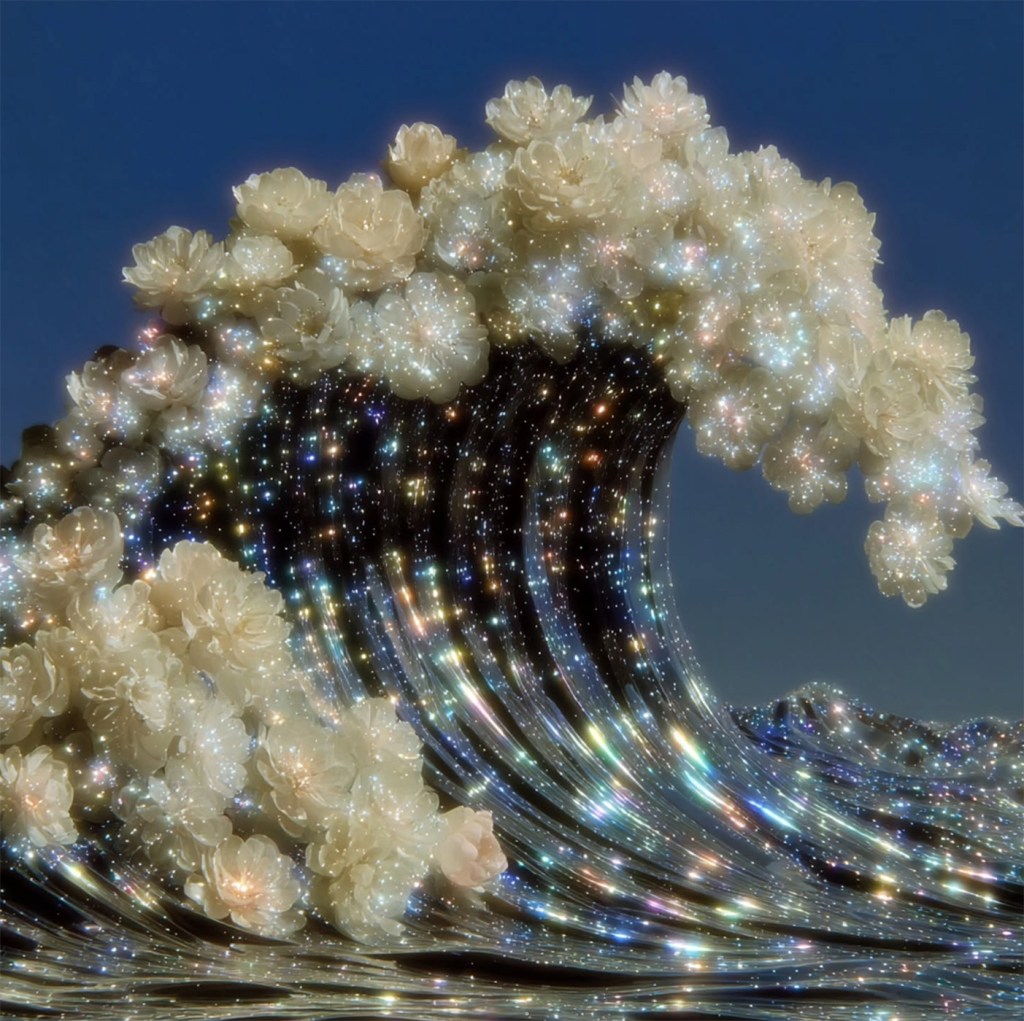
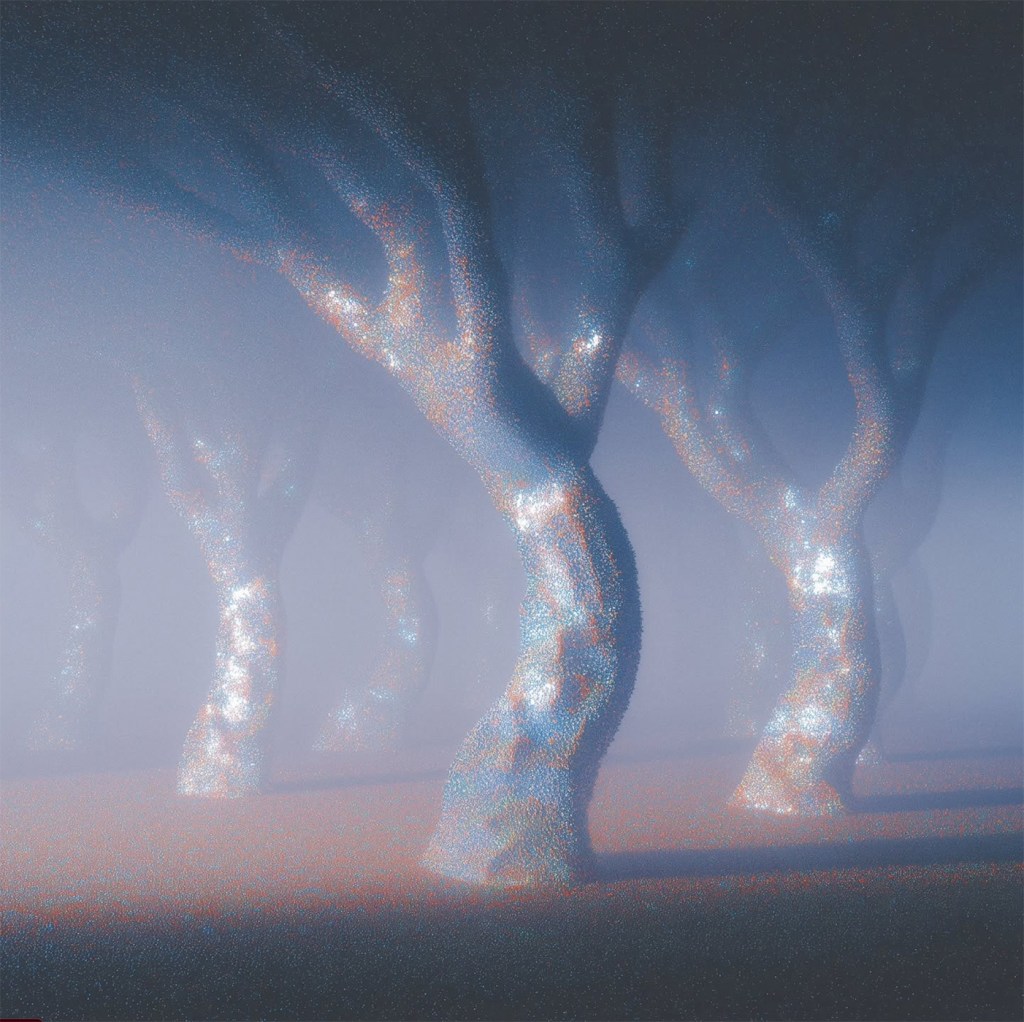
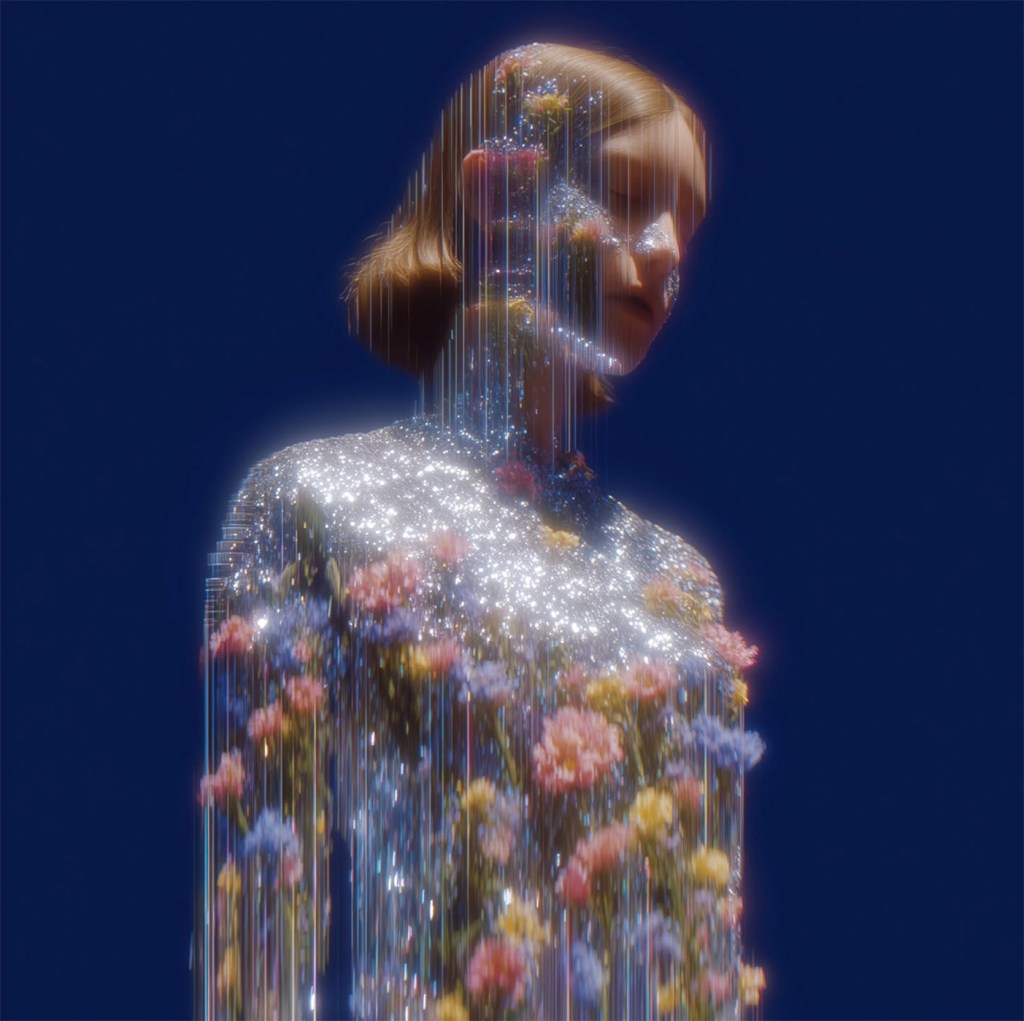
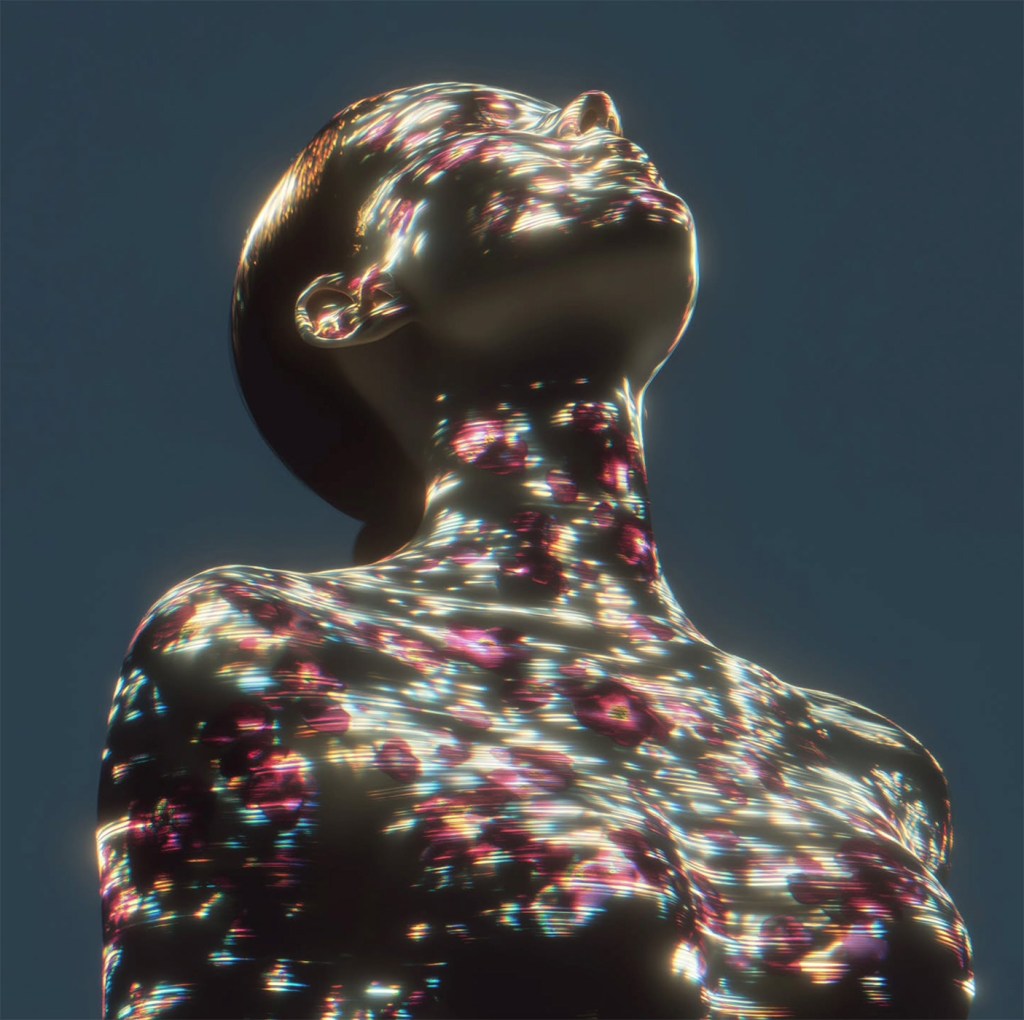
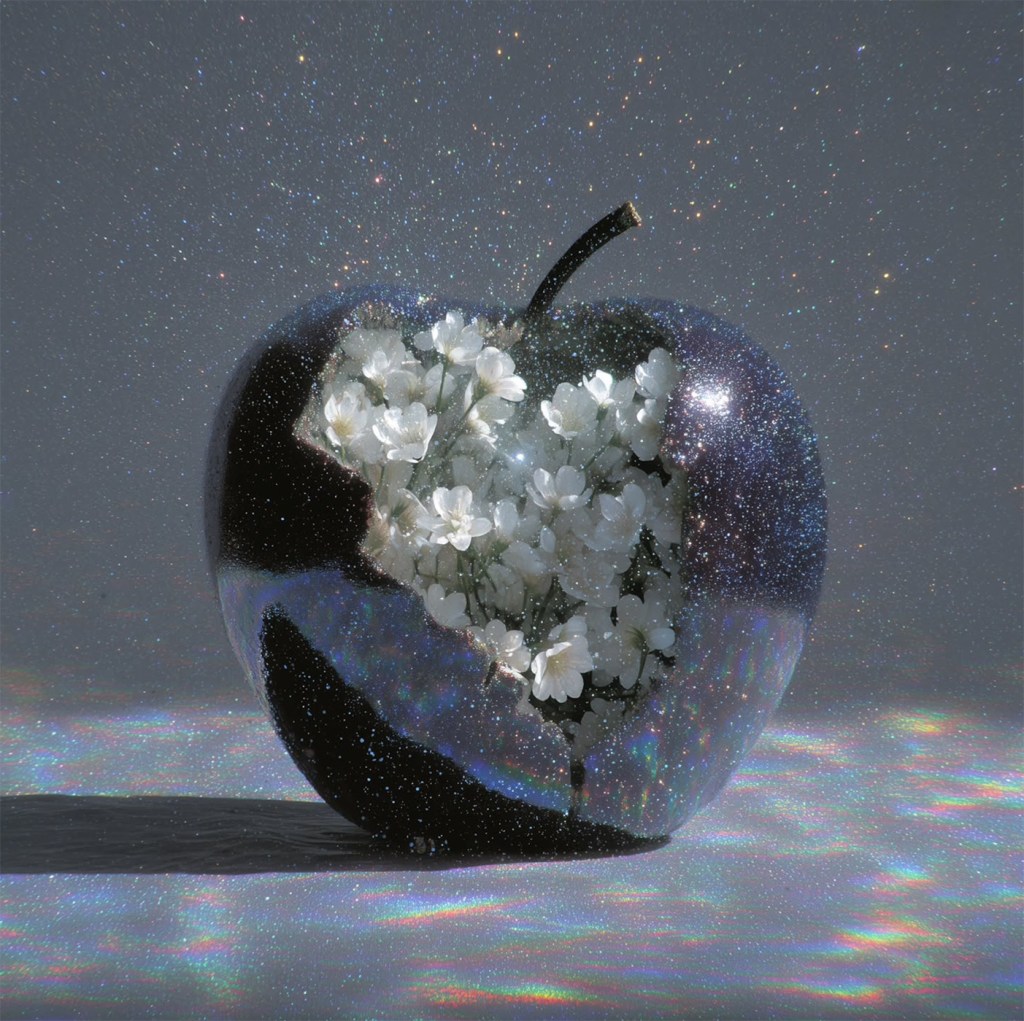
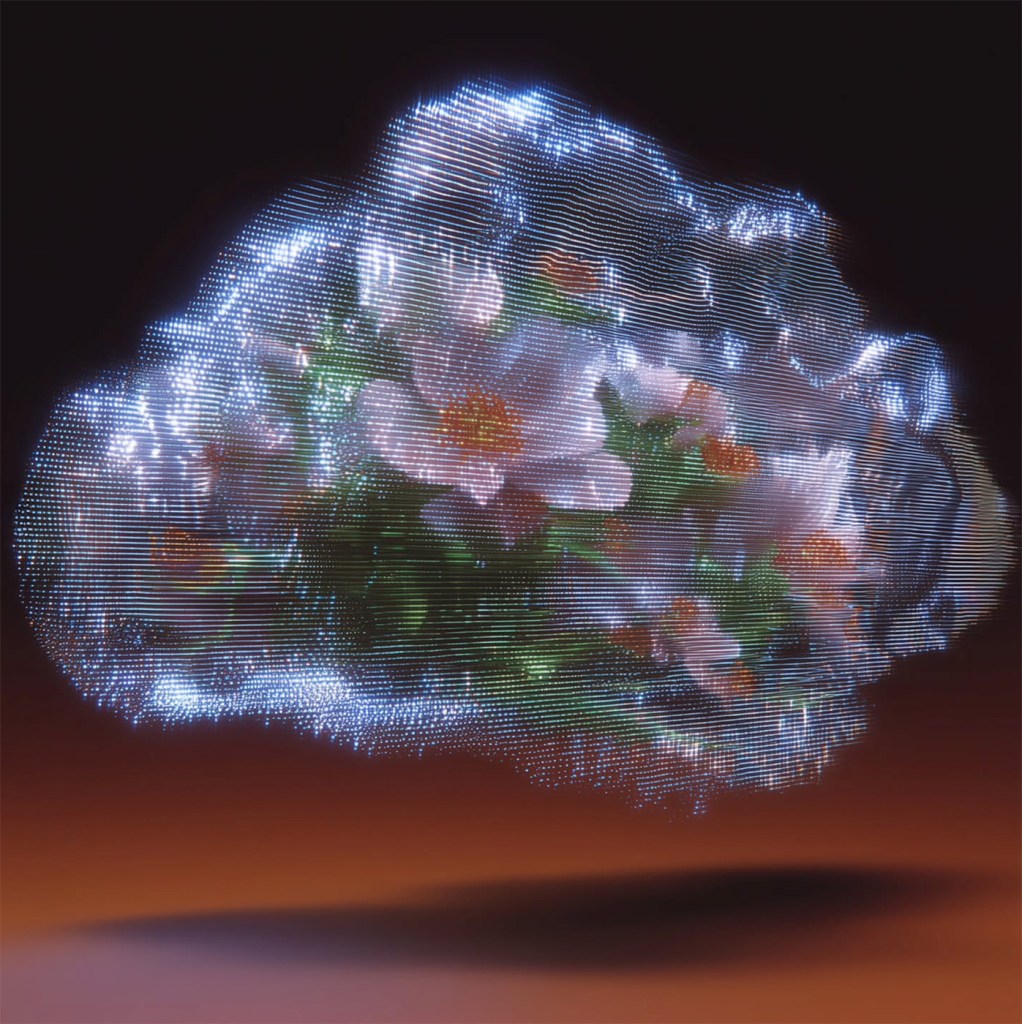
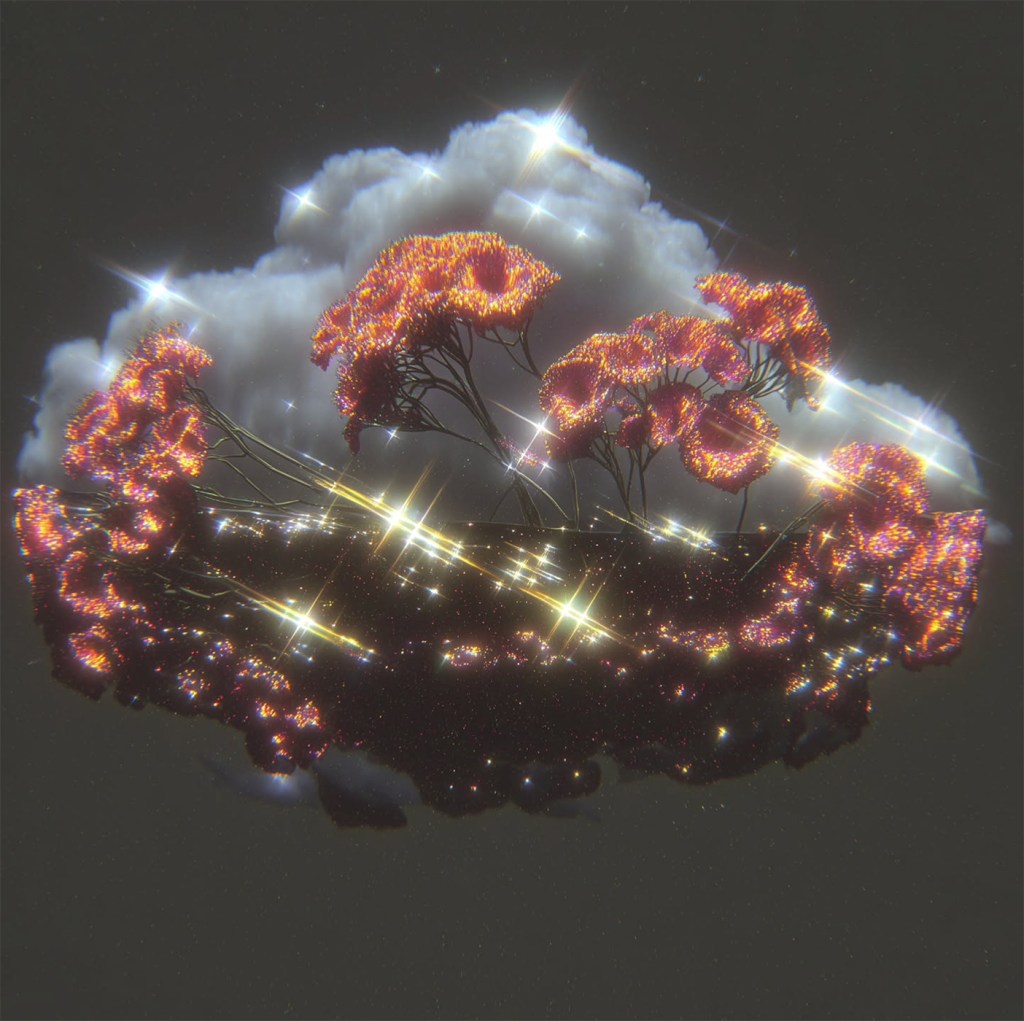
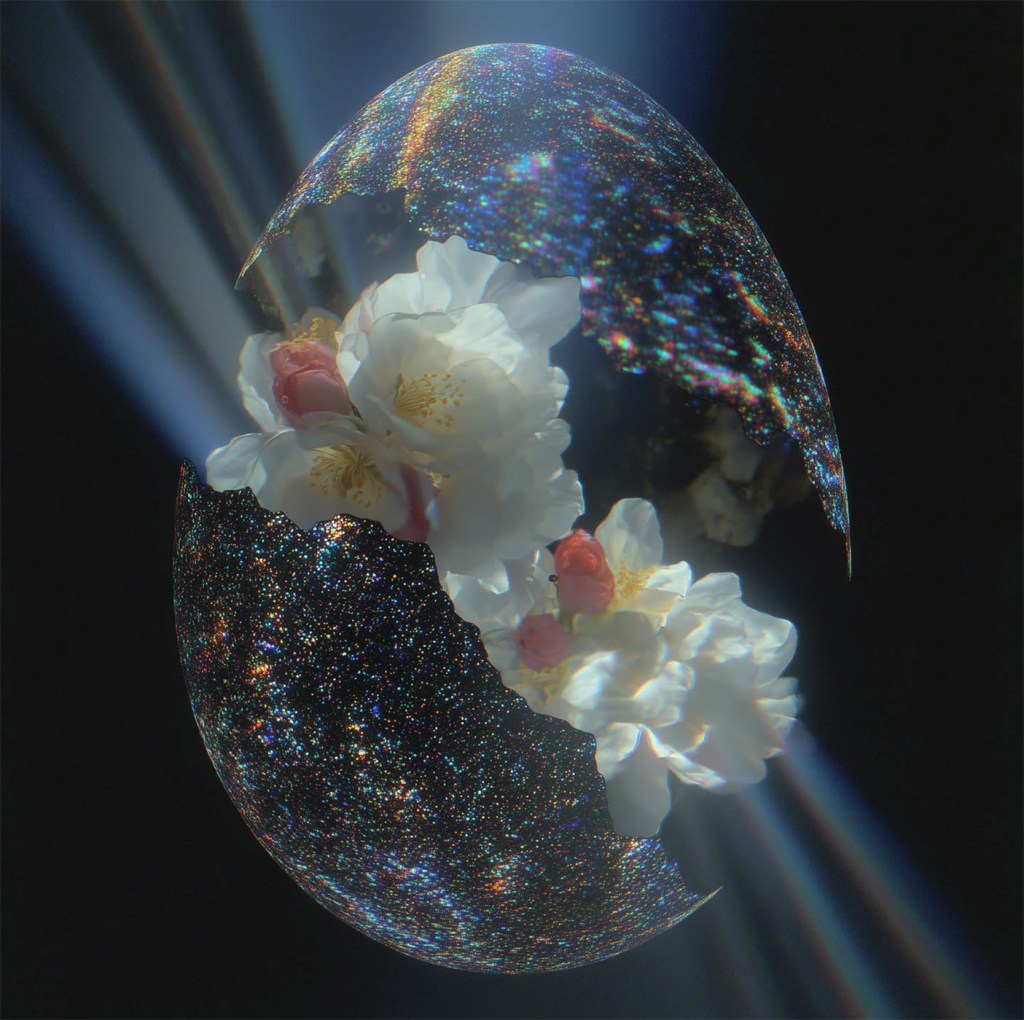
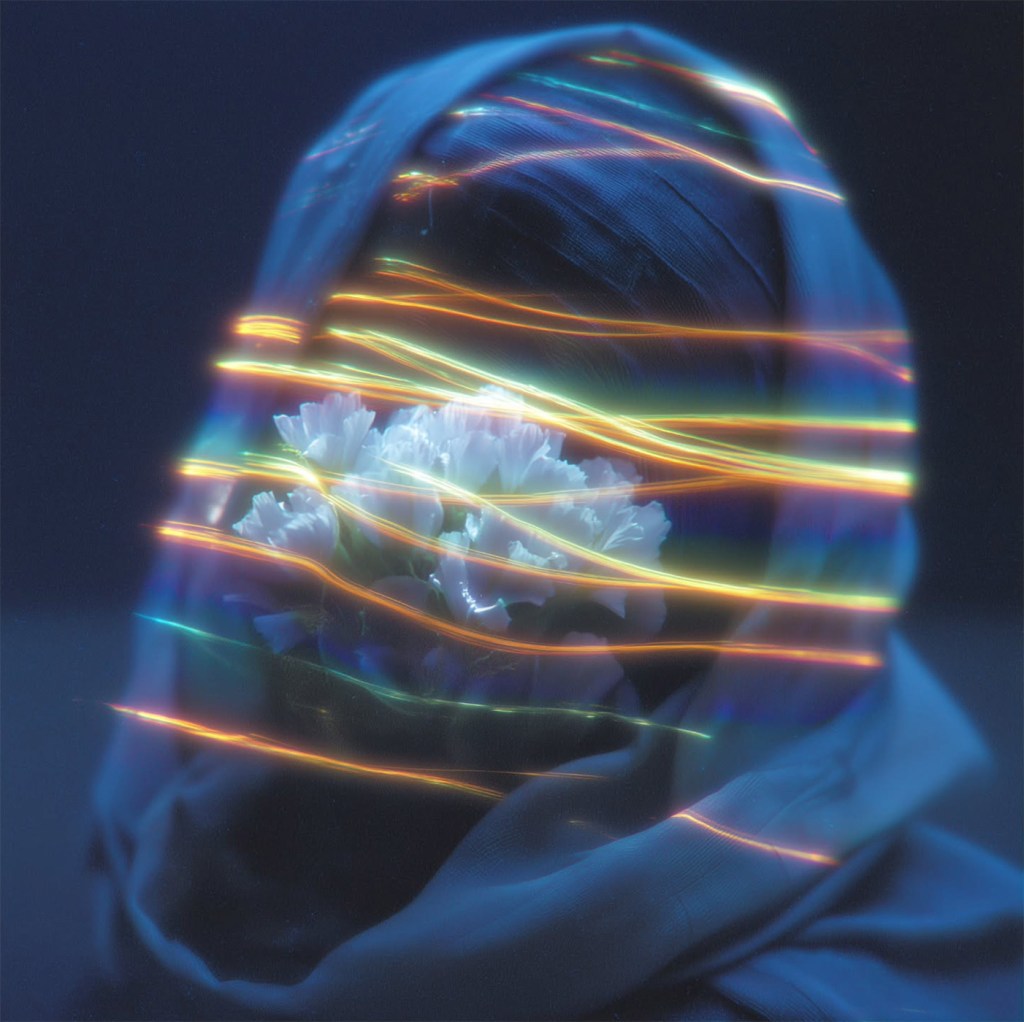
Images © forside_ai 2025
 Partfaliaz
Leave a comment