In a world where the frenetic pace and constant pressure to perform threaten our inner equilibrium, art becomes a crucial battleground. Today, we delve into the universe of Marina Perunkova, an artist who uses digital creation not as an escape, but as a psychological refuge from contemporary fatigue.
Her work, often dark and surreal, explores the tenuous boundary between reality and fantasy. Perunkova doesn’t seek to be “understandable,” but authentic.
Marina Perunkova’s output is a relentless quest for a visual language, navigating between introspective solitude and the transformative dialogue of collaboration. Marina evokes how she transforms her personal experiences—from the toxic aesthetic pressure faced by modern women to the experience of grief and identity disintegration in a hospital setting—into powerful symbolic imagery.
Experiencing Marina’s work is essential for anyone interested in digital creation, conceptual art, or the use of art as a tool for psychological resilience.
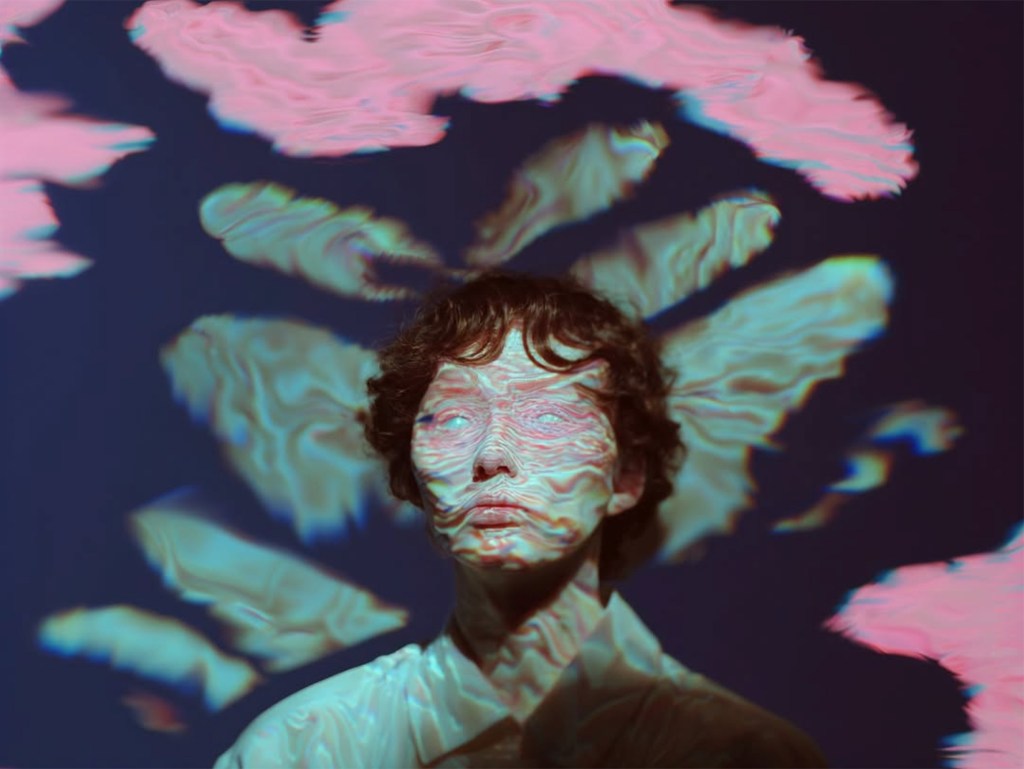
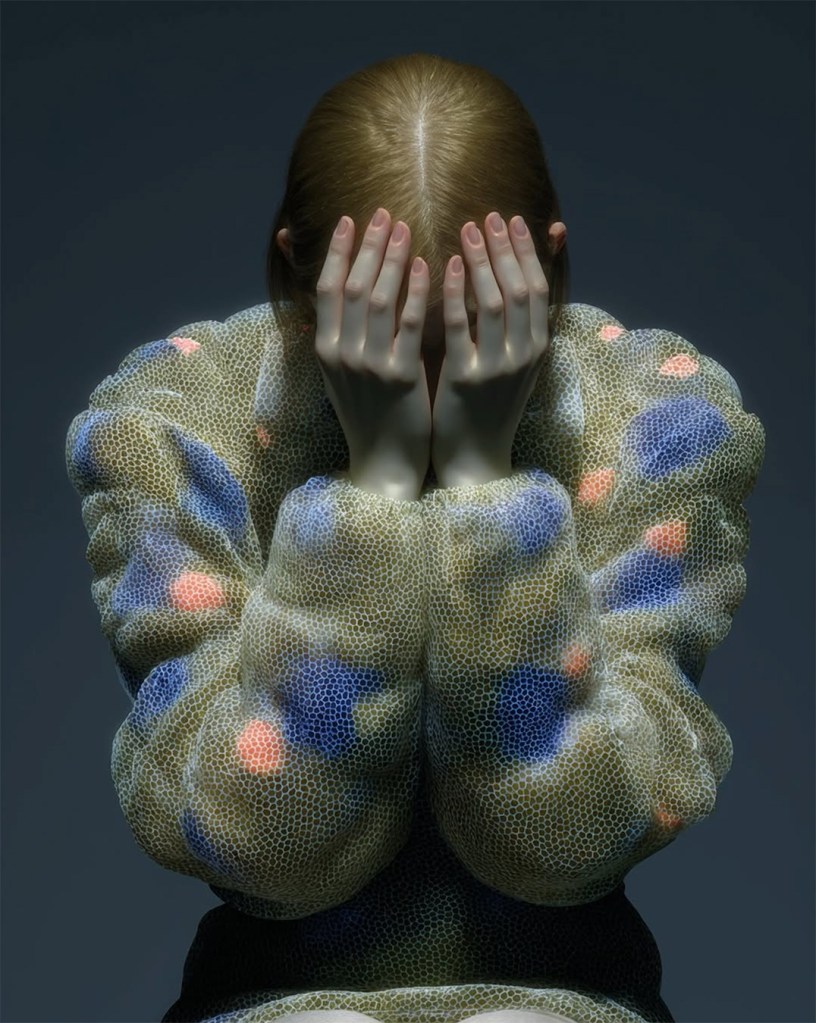
Through her works, you will discover:
The Inner Hearth: Why the concept of “hearth” reflects our labyrinthine thought processes.
Social Critique: The artist’s analysis of “smiling aesthetic violence.”
The Alchemical Process: How chaos and exhaustion are transformed into works of art.
Prepare to question your own relationship with creation and reality. Read the full interview below to understand how Marina Perunkova turns vulnerability into a singular artistic force.
Can you introduce yourself in a few words (profession, background, nationality)?
My name is Marina (@perunkova_marina), and I’m an AI artist based in Yekaterinburg, Russia. I work as a software developer, which I balance with my artistic practice — alongside family life and, at the moment, an apartment renovation. Creativity has always been part of my life. I’ve explored different mediums, from ceramics to photography, but everything shifted about a year ago when I discovered AI.
How long have you been using generative AI and do you use it professionally?
I’ve been using AI for about a year, and so far it has remained purely a creative practice for me. I don’t really see myself in a commercial context yet — it’s difficult for me to adapt to someone else’s requirements or expectations. What I value most is the full creative freedom AI gives me: from the initial idea to the final image, everything depends on my own vision.
What is your biggest source of inspiration currently?
Honestly, my main source of inspiration is life itself. Most of my ideas come from the world around me, from everyday experiences and my own thoughts. Another important part of my inspiration is what I call “non-beauty.” I live in a small city with many visually unappealing places and buildings. They often make me feel melancholic, yet somehow they also become a source of ideas.
I also keep a small notebook on my phone where I write down short thoughts or visual fragments. For example, once I noticed some crushed berries and wrote it down in my notebook. I really liked their texture and the way they looked. Later it struck me as an interesting metaphor for a tired person.
Which AI tools do you use the most and why?
Over the past year I’ve mostly used MidJourney for creating my works. Unfortunately, my account has been repeatedly blocked recently, so at the moment I’m exploring other tools. I might experiment with Krea and Nano Banana, but I still hope to return to MidJourney one day — their artistic style and the sense of freedom it gives are an absolute visual pleasure for me. For textures, I often use Magnific.
Any advice for those who want to get started with AI art?
I think the main thing I would wish for beginners is patience 🙂 Every artist goes through a long path, and no one creates exactly what they imagine right from the start. Everything takes time and practice. Don’t be afraid to experiment — there are no “right” or “wrong” artworks.
Stay curious. Try to approach the creative process as a form of play (I’m also constantly learning this myself). And don’t worry if you can’t master every new tool — there are so many of them now. It’s perfectly enough to focus on one or two at the beginning.
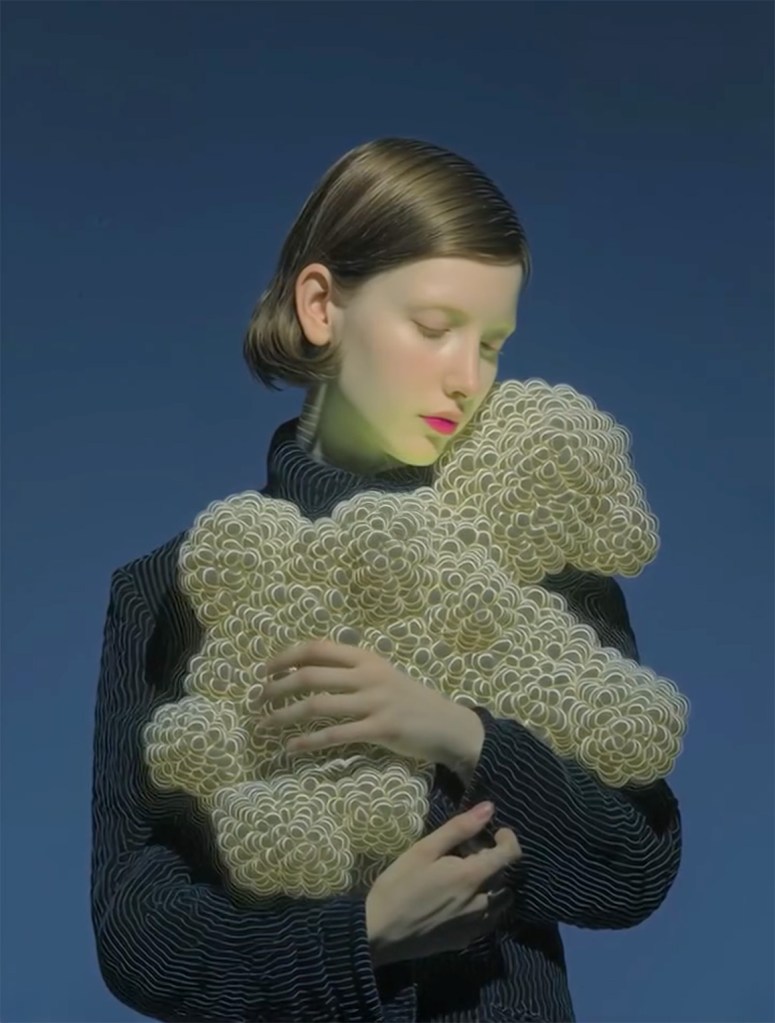
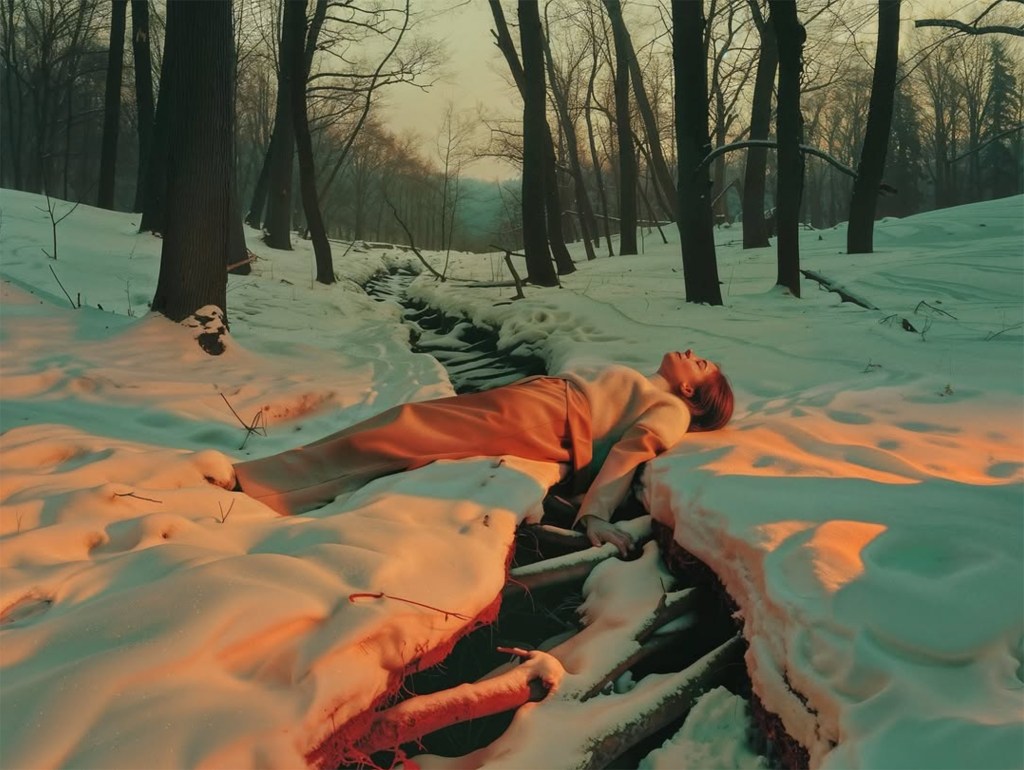
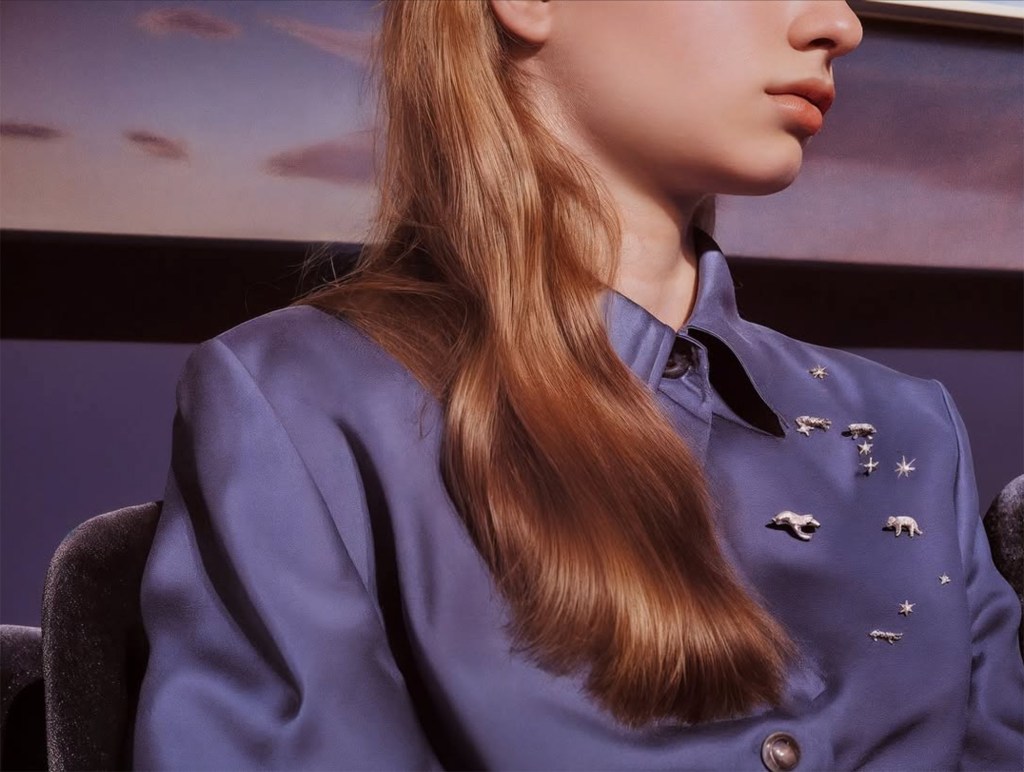
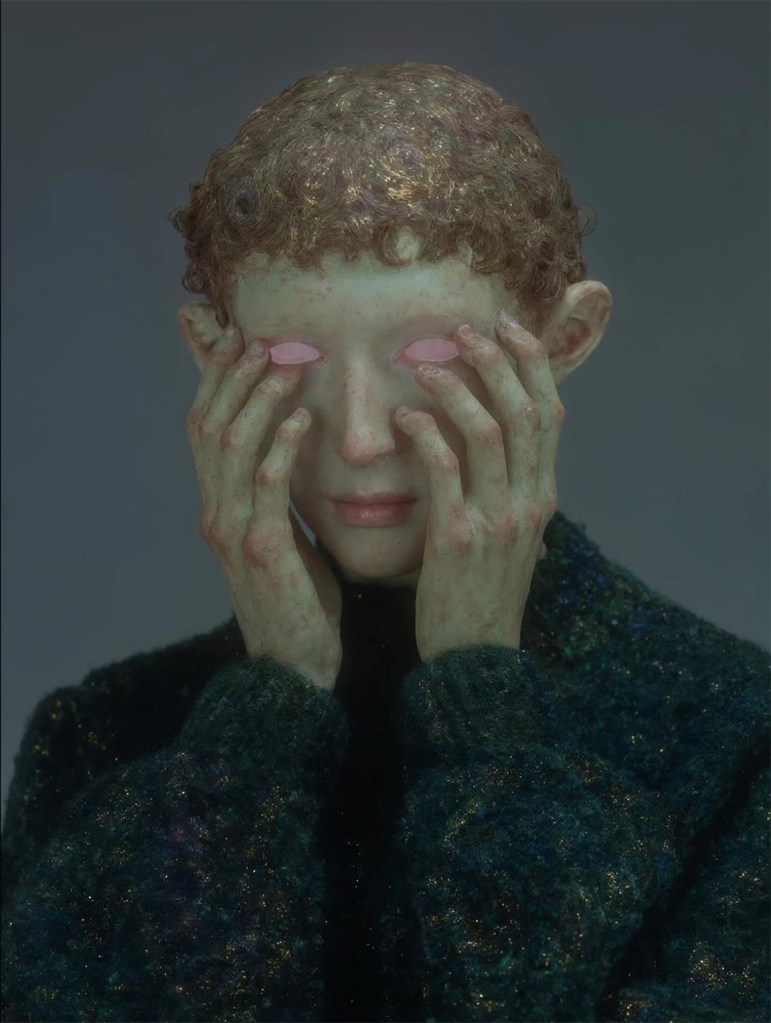
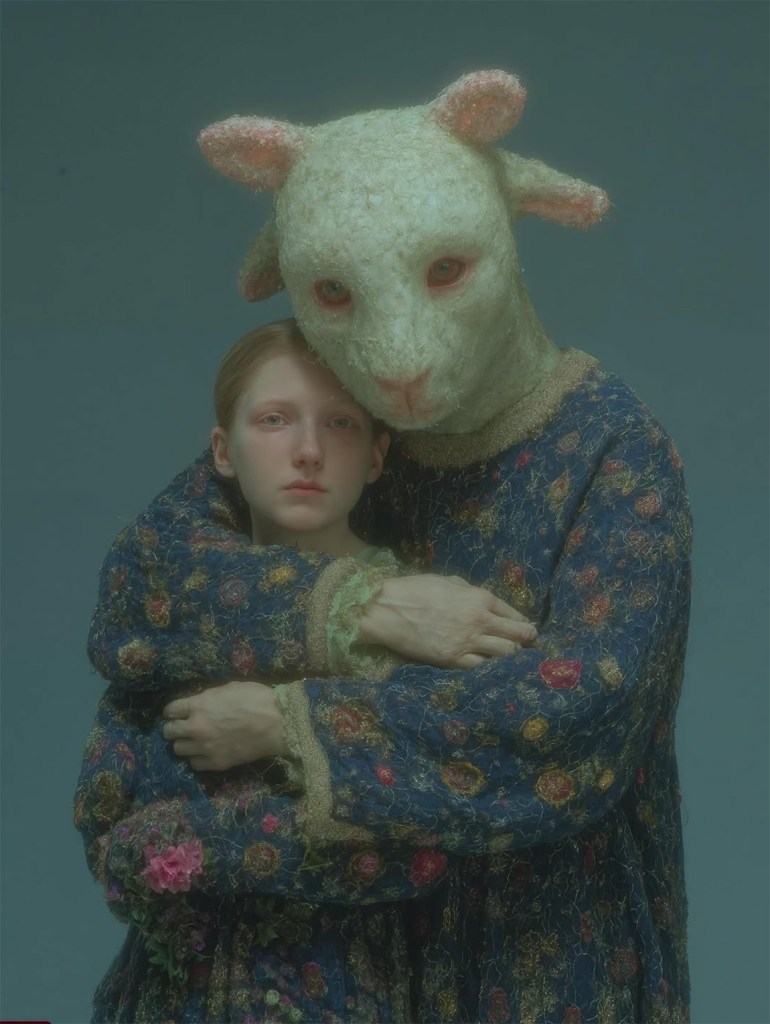
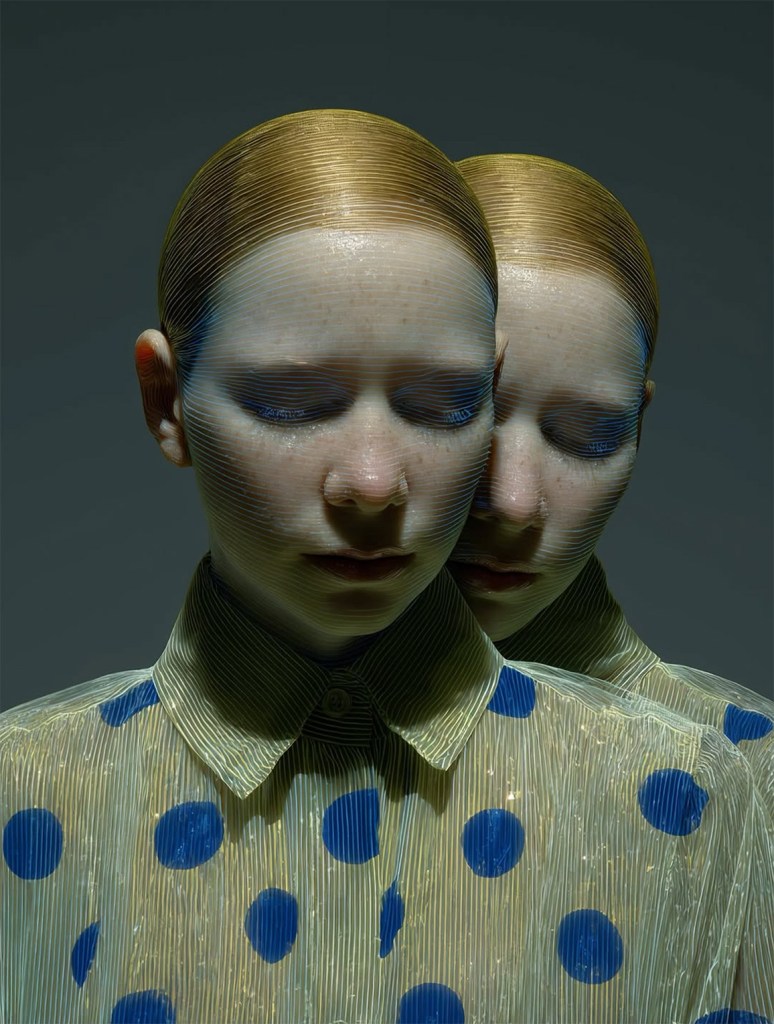
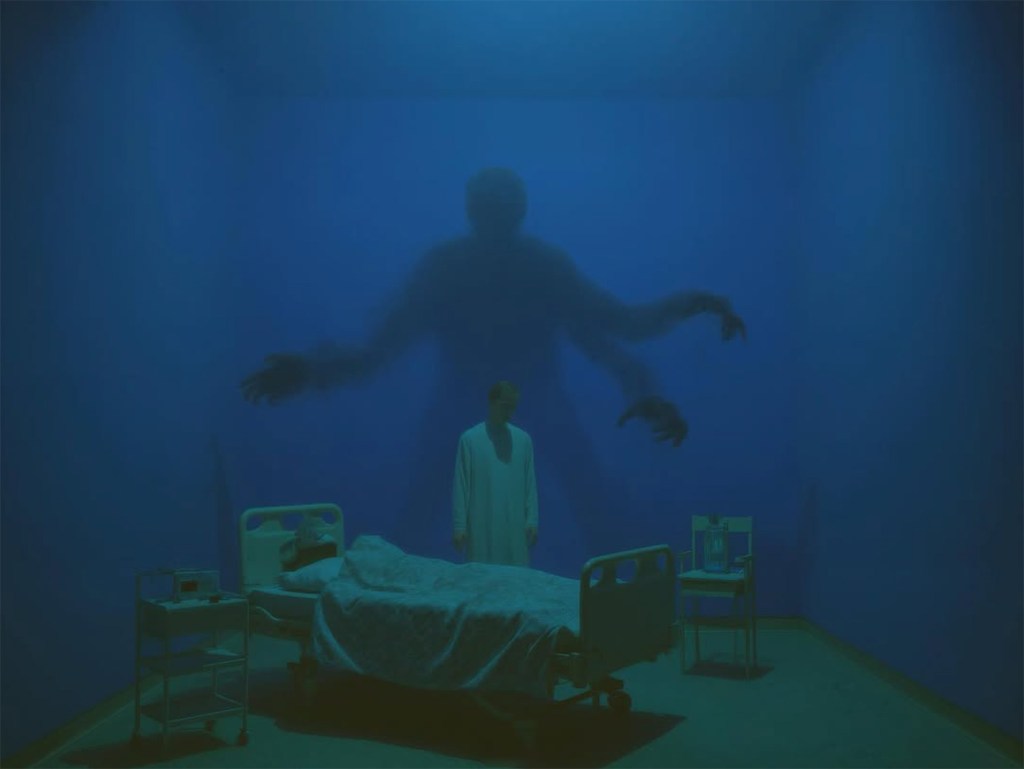
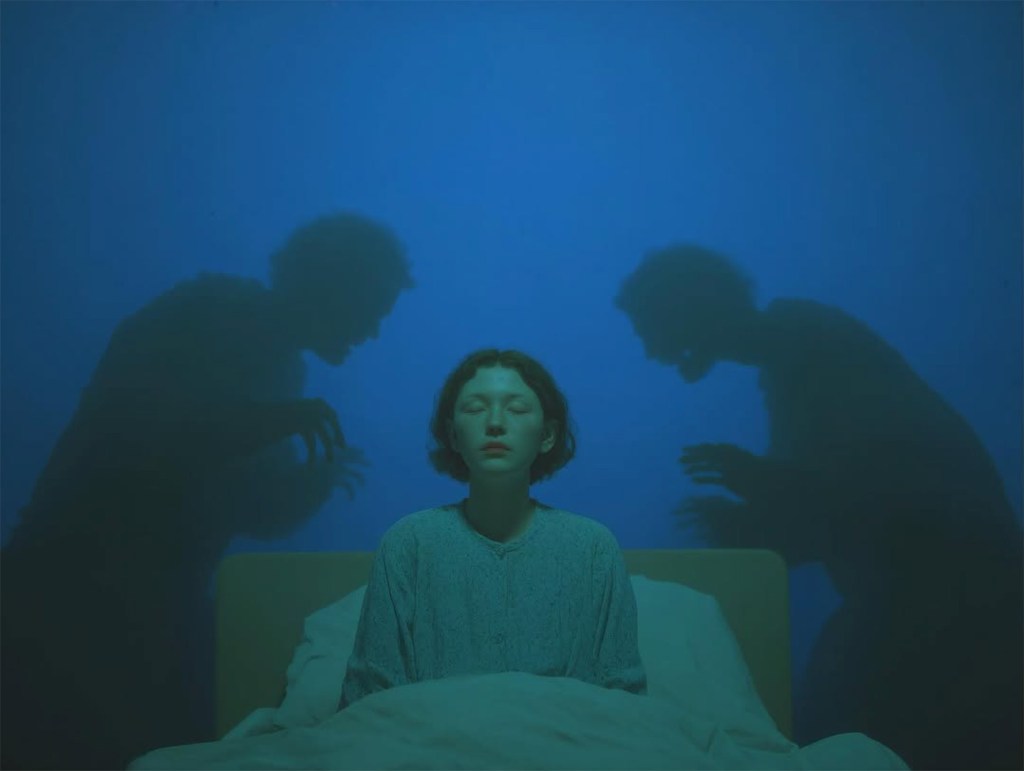
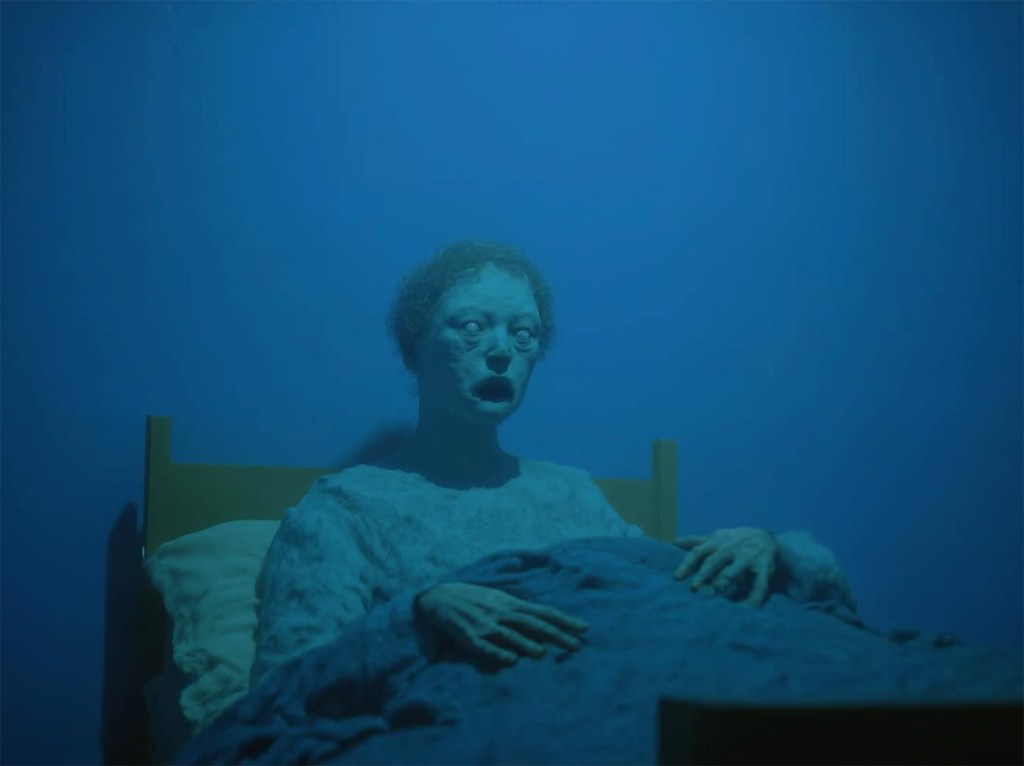
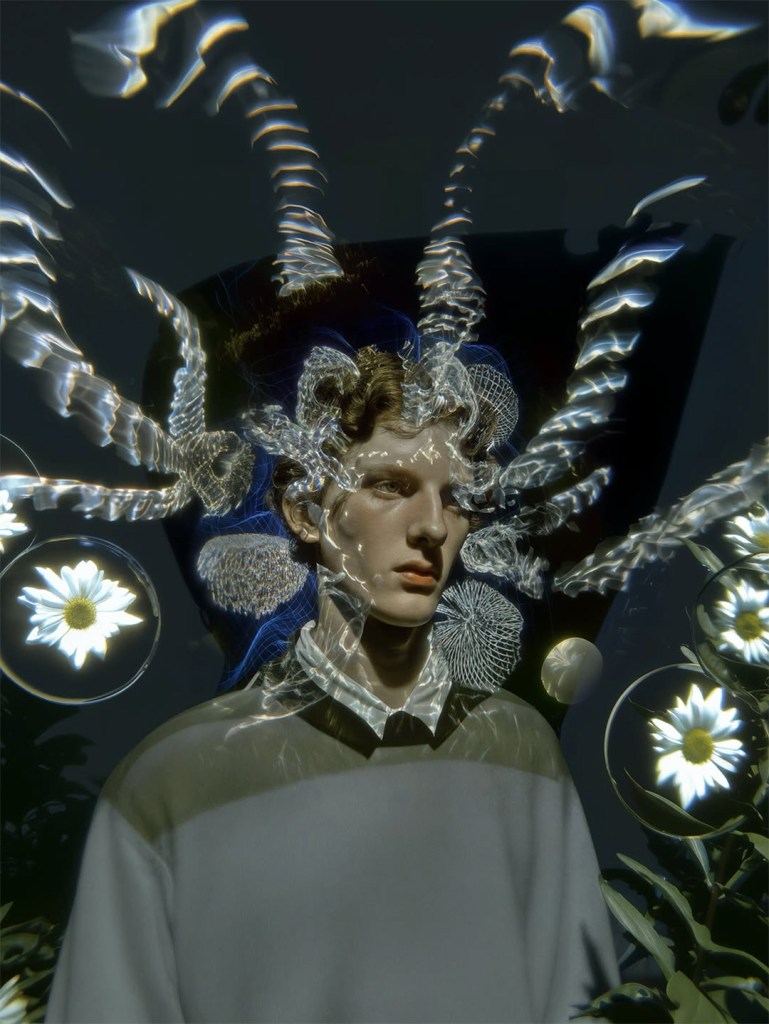
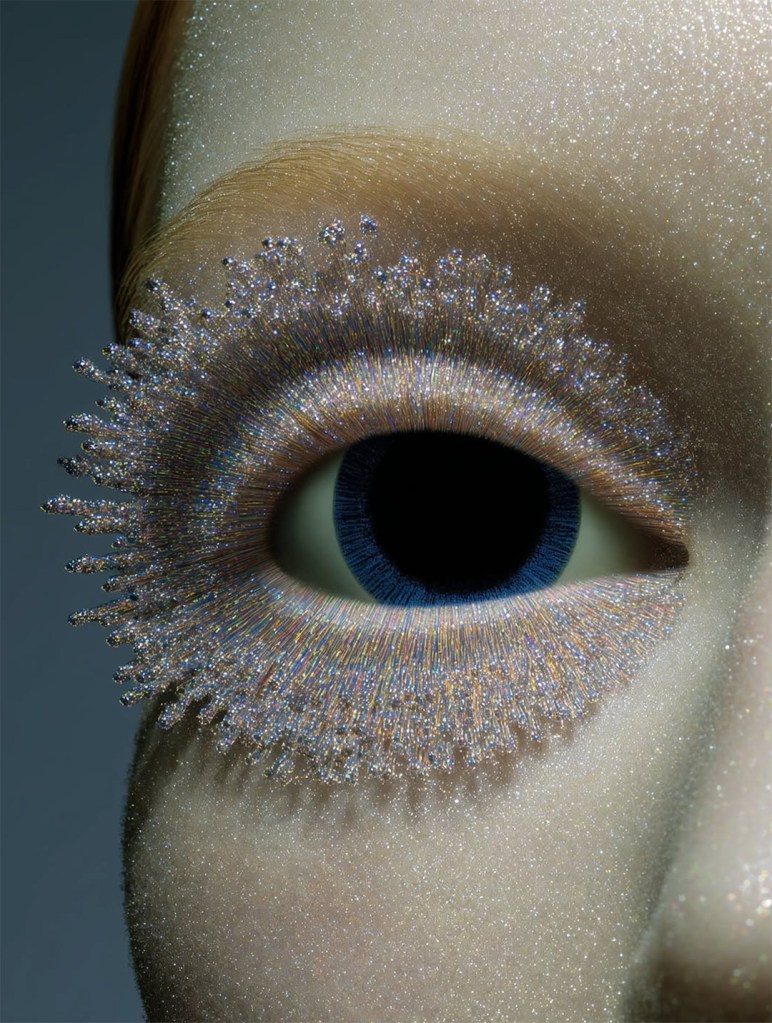
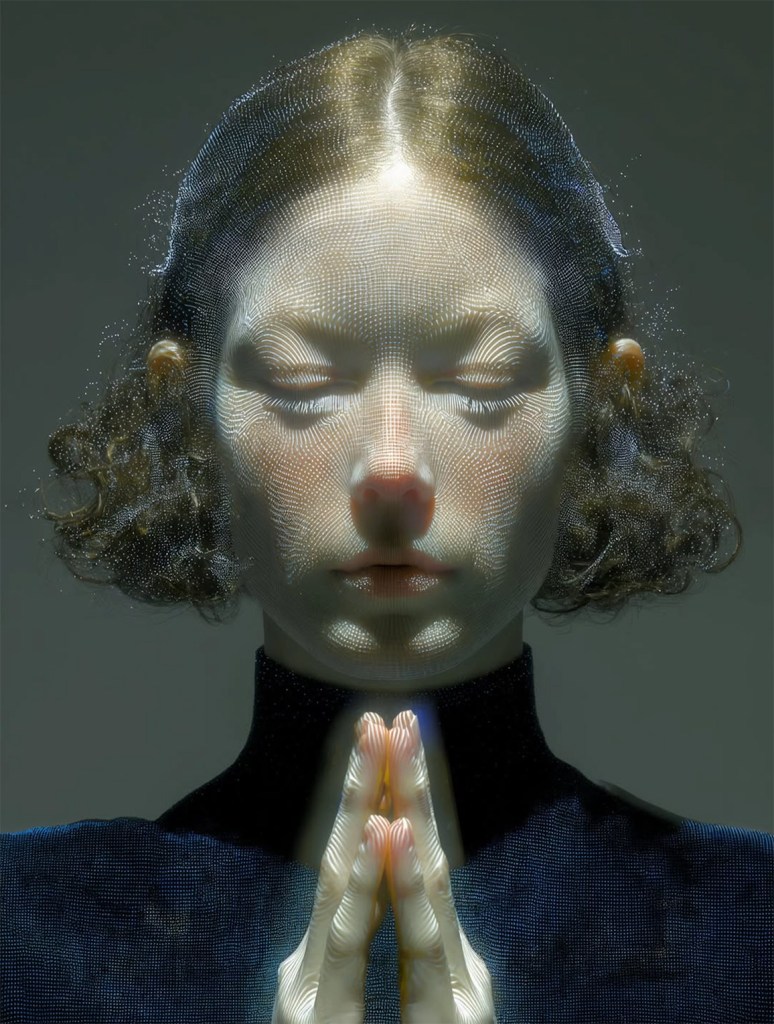
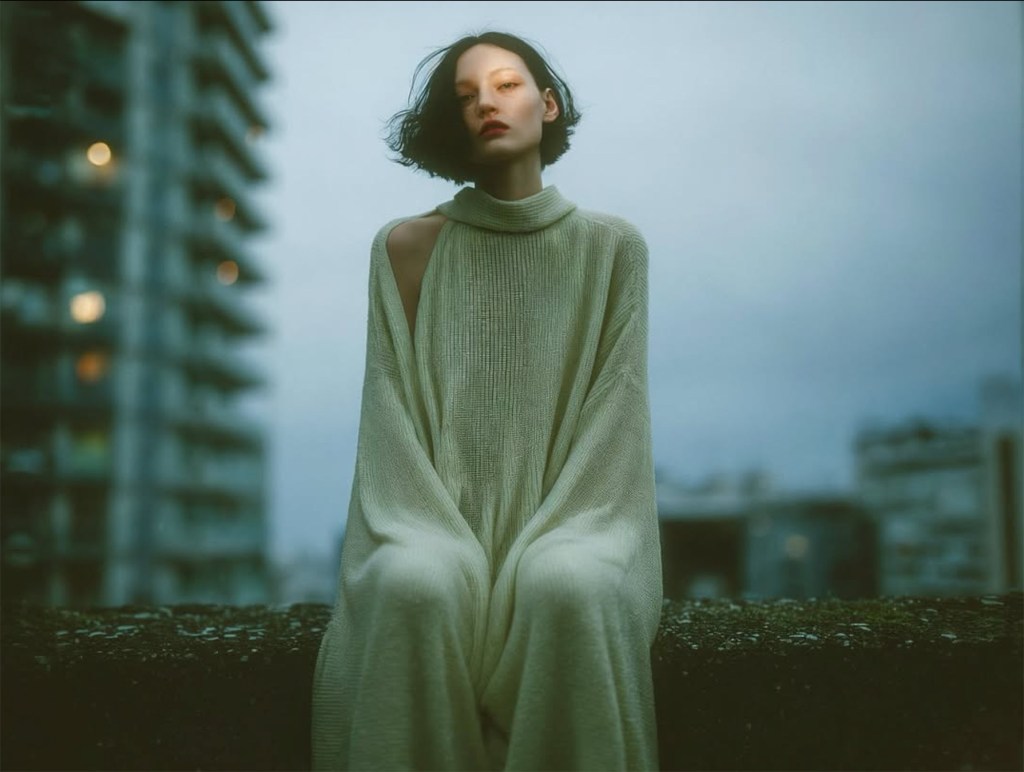
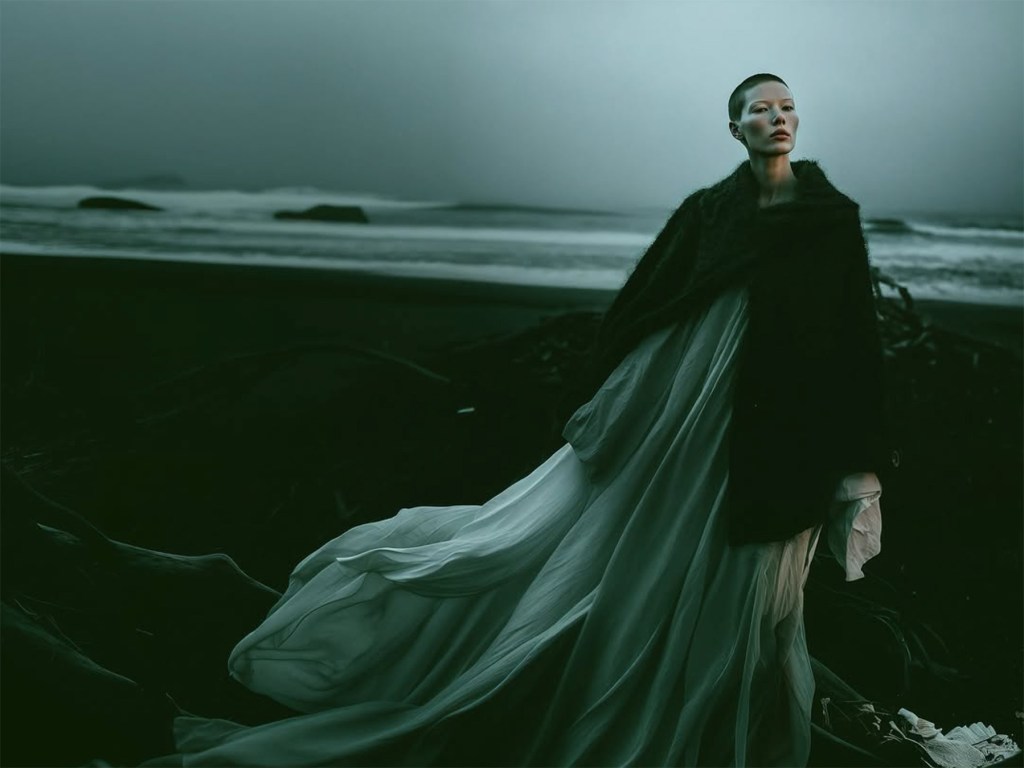
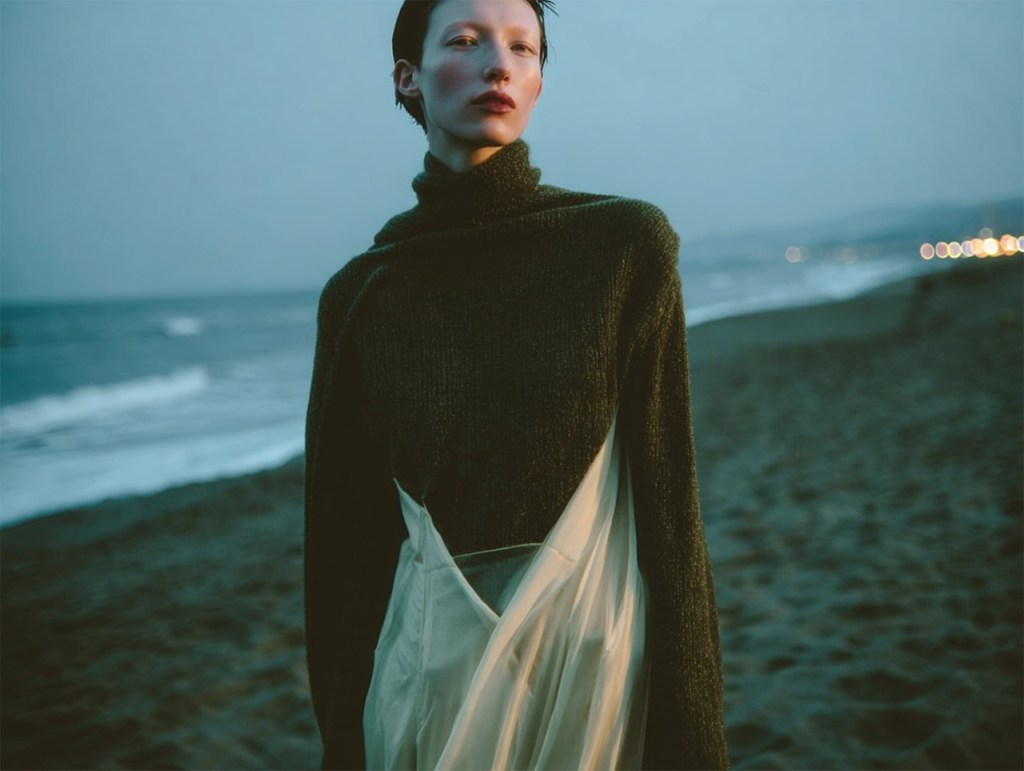
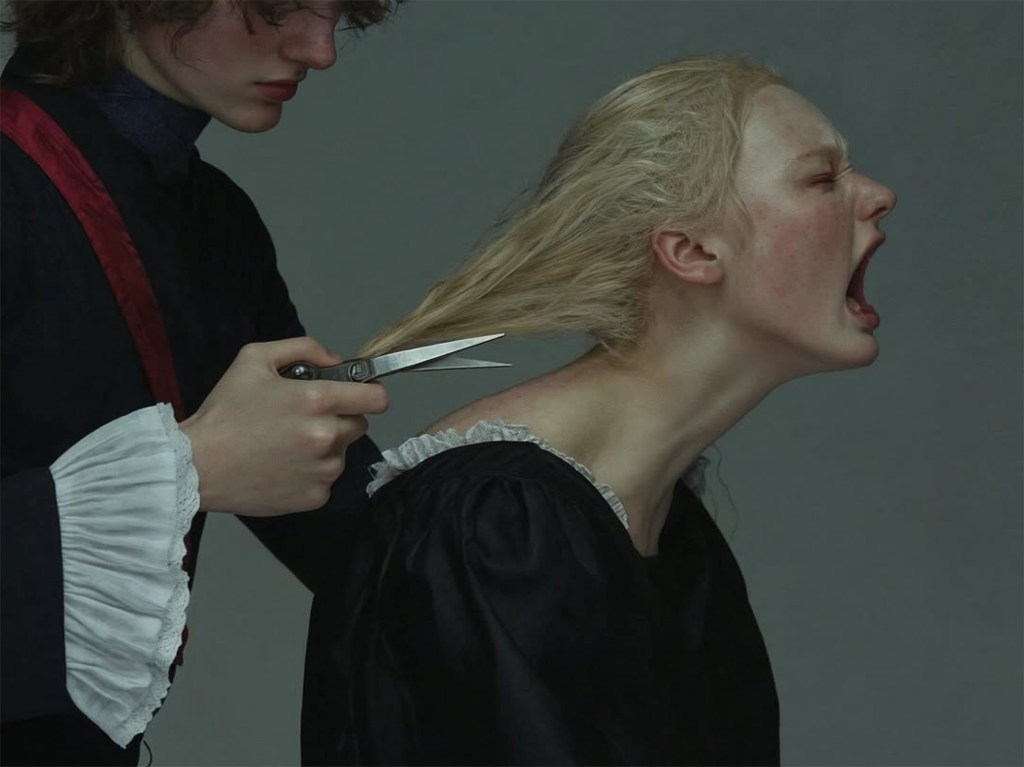
Images © Marina Perunkova 2025
 Partfaliaz
Leave a comment