In the evolving landscape of AI art, few creators manage to infuse technology with the kind of emotional depth and poetic sensitivity that defines truly memorable work. Victoria Araujo stands out as an artist who transforms artificial intelligence into a medium for exploring the intangible realms of human experience.
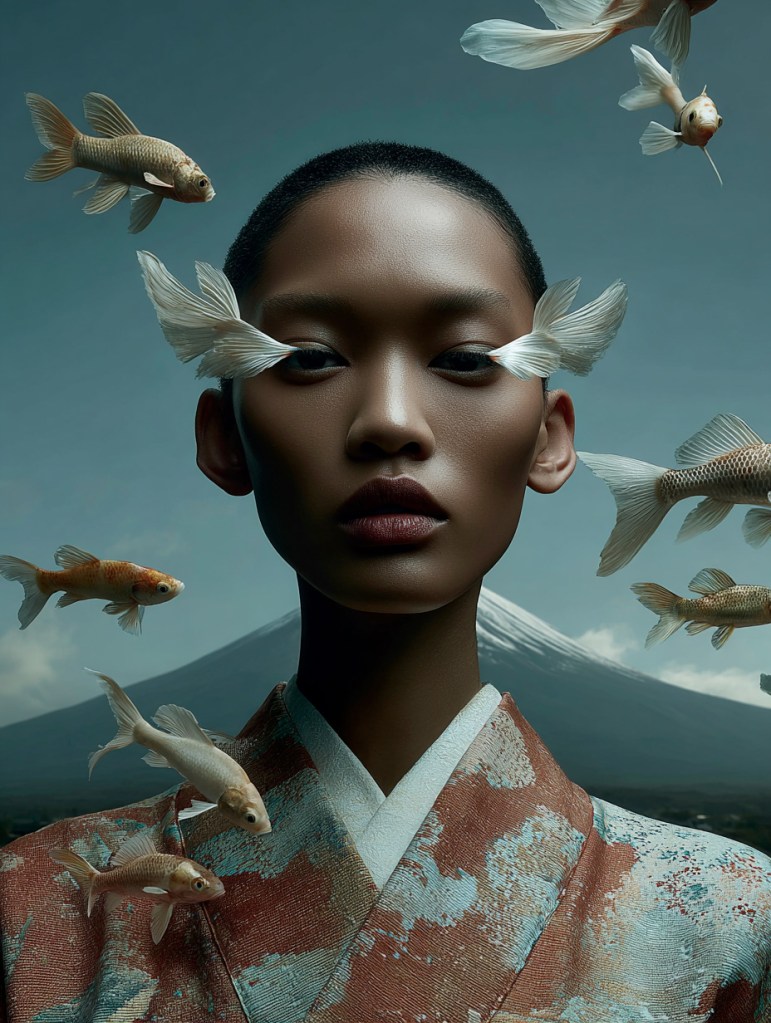
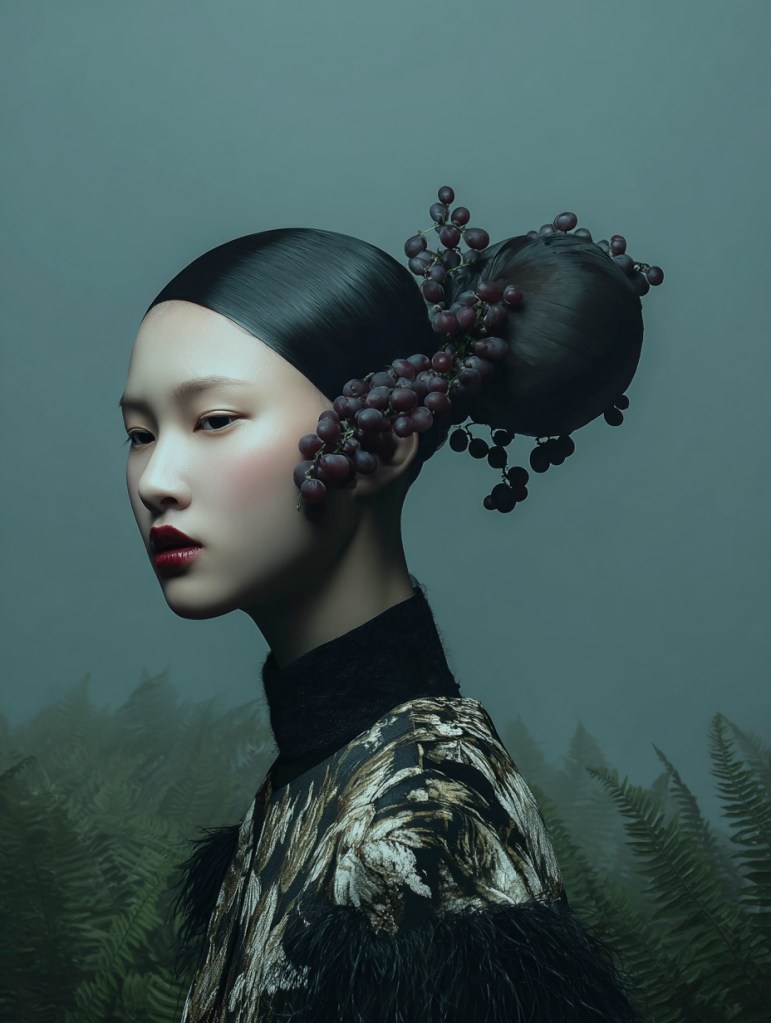
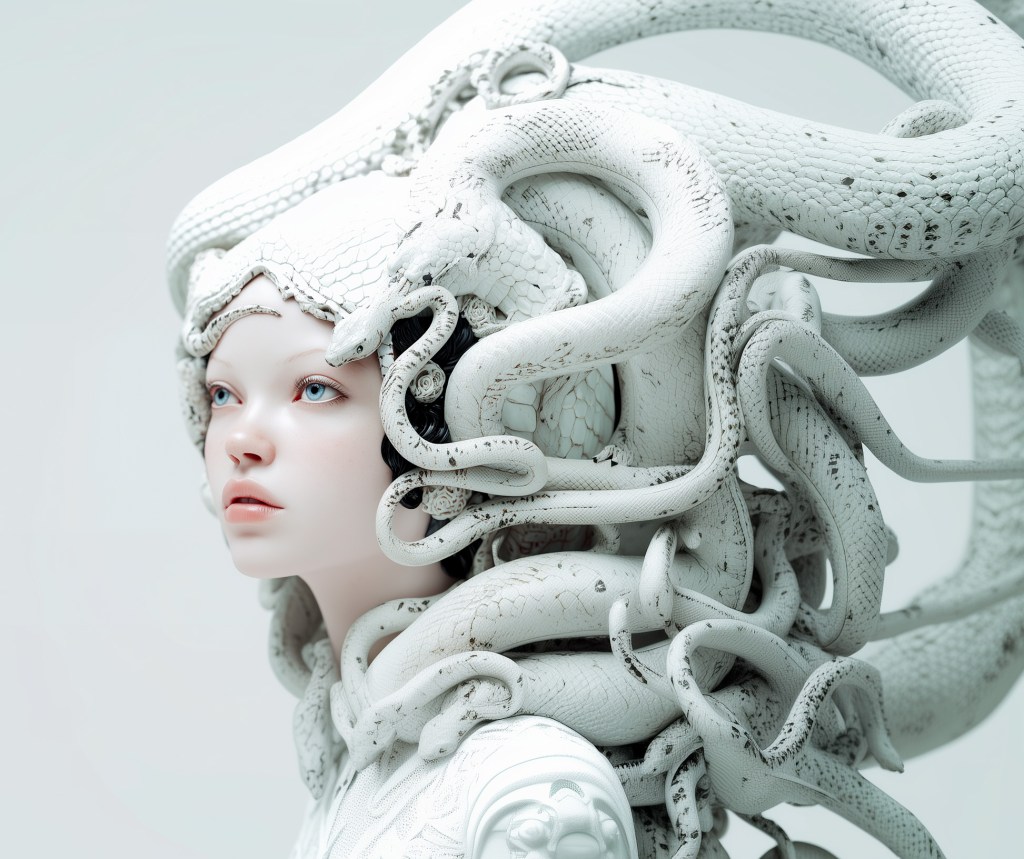
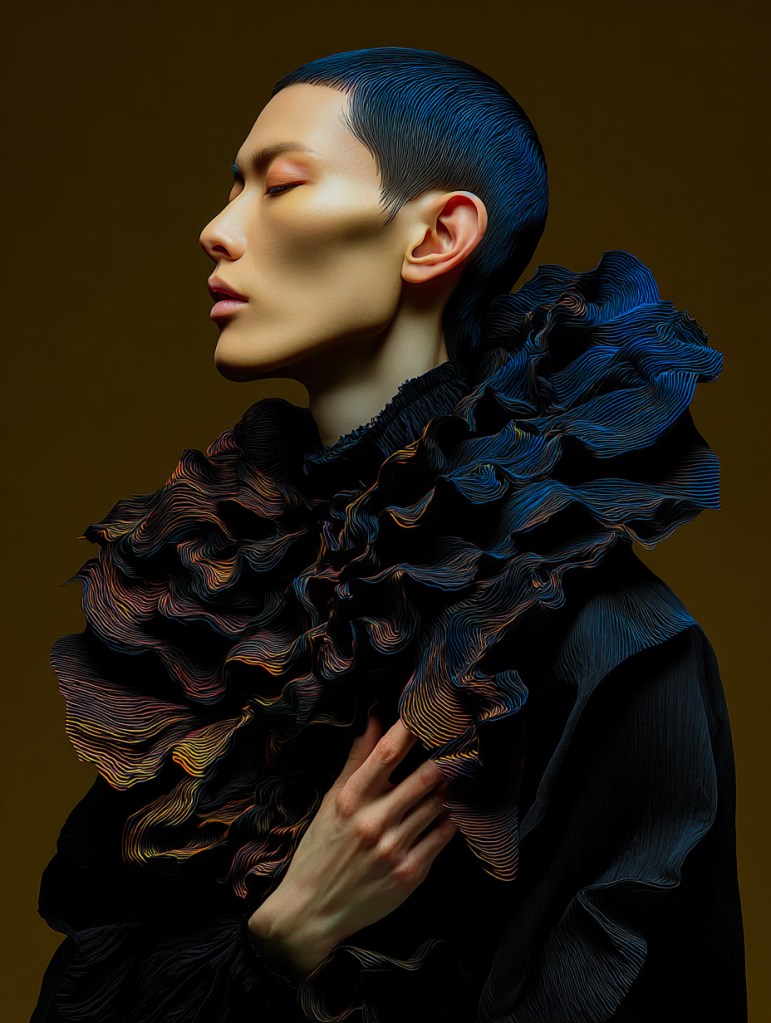
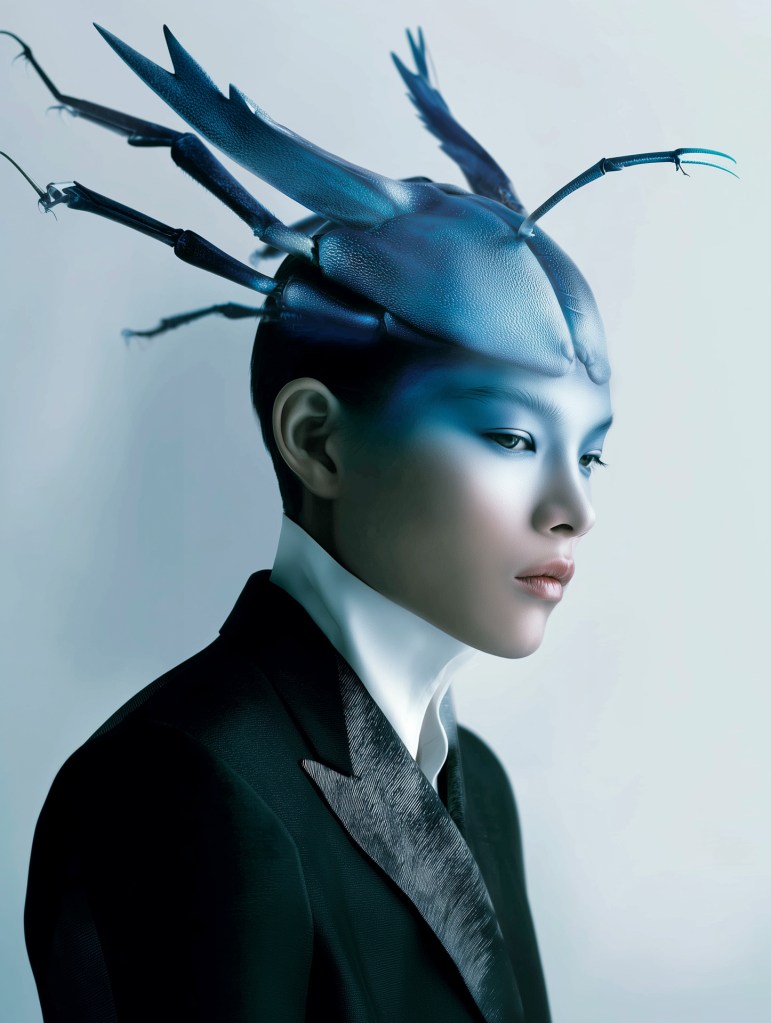
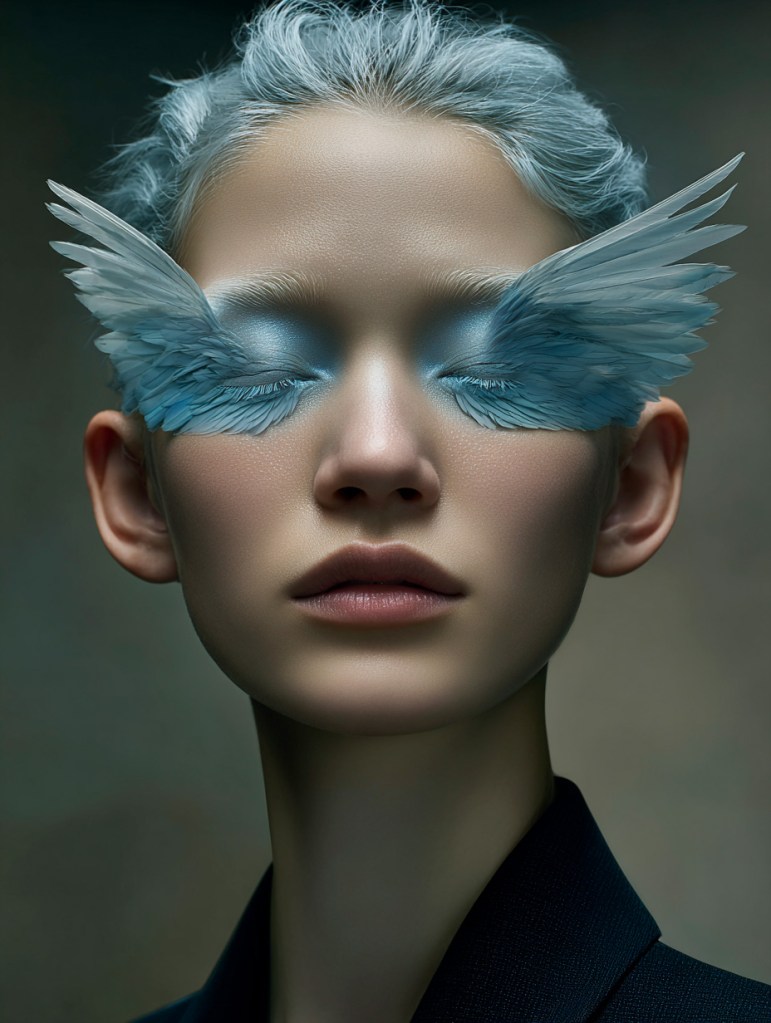
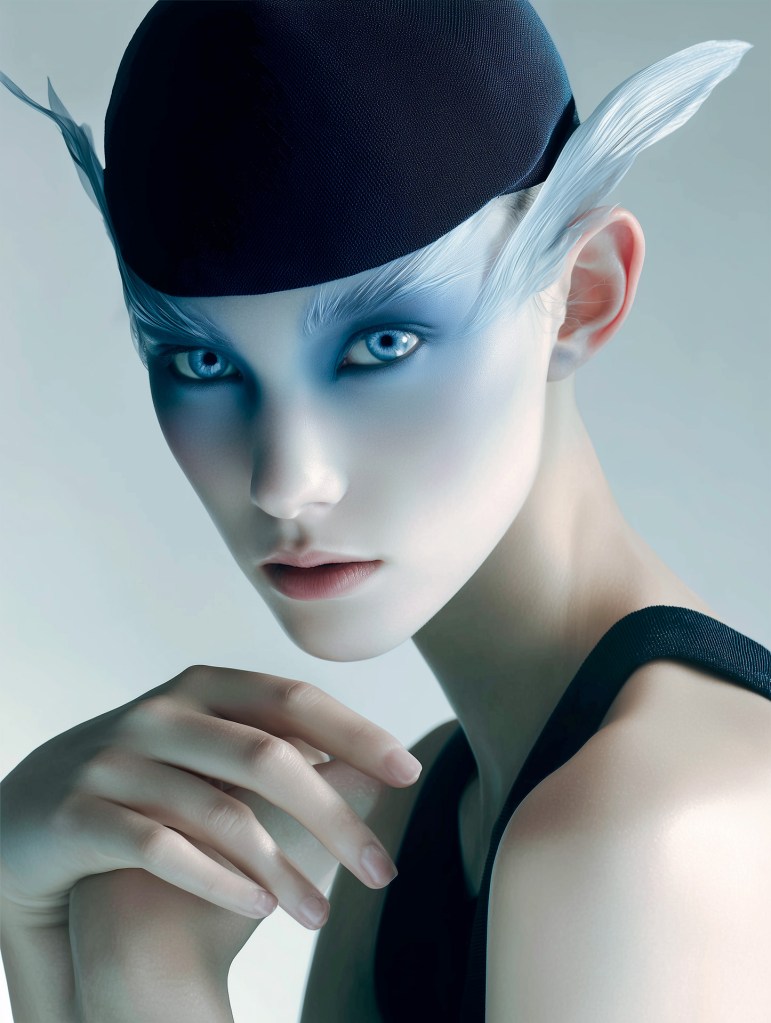
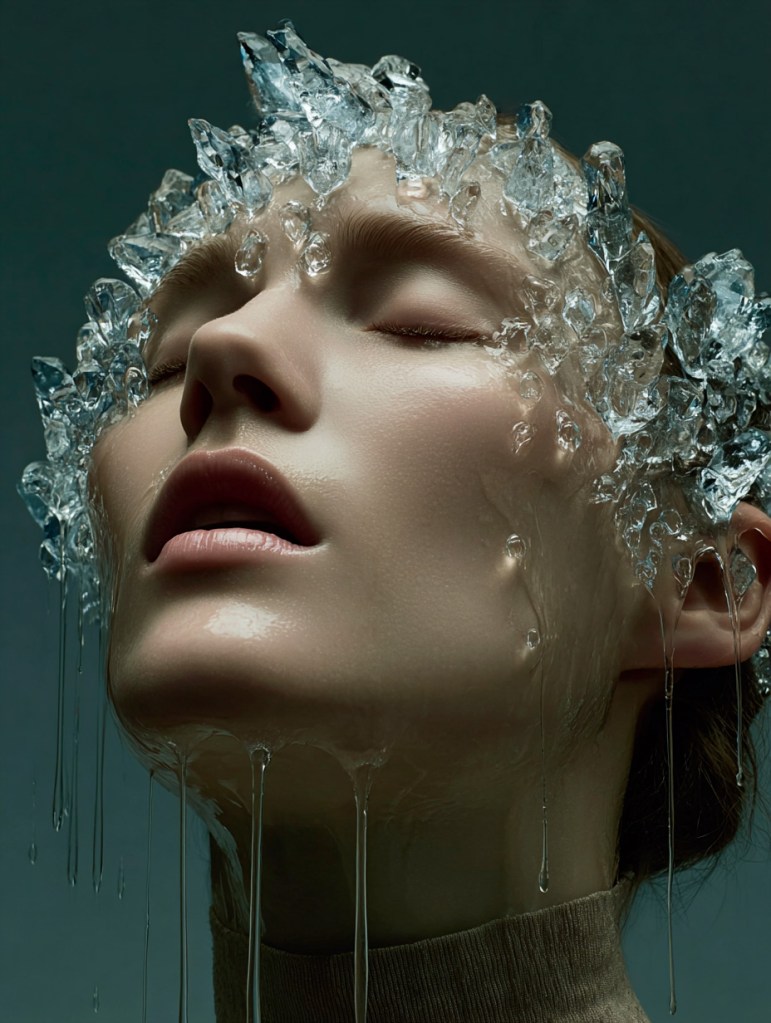
Working through her creative studio SuperSonicLab, Victoria Araujo has carved a distinctive path in the world of gen art. Her creative practice bridges multiple disciplines, bringing together years of visual expertise with a profound interest in building emotional worlds through emerging technologies. Her work delves into memory, inner light, contemporary spirituality, and human fragility, giving life to dreamlike characters that inhabit symbolic and fantastical universes.
Crafting Emotional Landscapes
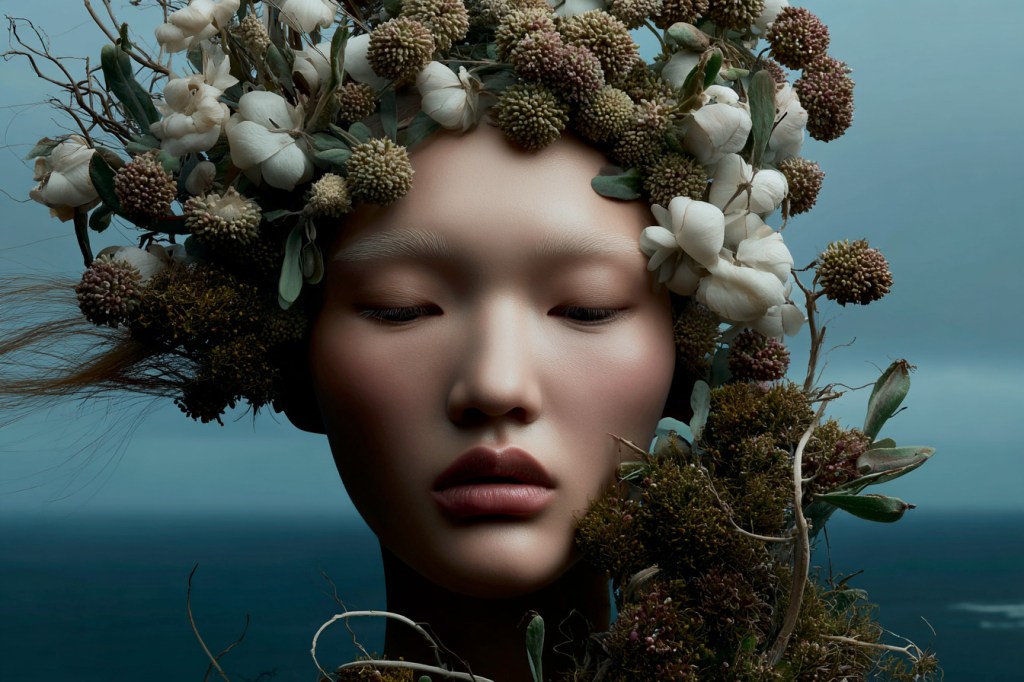
What makes Araujo’s work particularly compelling is how she merges the ethereal with the tangible. Her AI surrealism creates atmospheric spaces where viewers can slow down and encounter something deeply personal, perhaps a forgotten memory, an unspoken desire, or a moment of quiet revelation. She approaches her craft with an intuitive methodology, searching not for technical perfection but for emotional authenticity that resonates.
Her creative process is iterative and meditative. Each piece evolves through countless adjustments as she refines light, atmosphere, color, and narrative until the image truly feels alive. The result is gen art that carries what she describes as an “inner light”, a quality that invites contemplation rather than passive consumption.
A Vision Rooted in Sensitivity
What distinguishes Araujo in the crowded field of AI art is her unwavering commitment to authenticity and human sensitivity. Her work explores universal themes that transcend cultural boundaries: nostalgia, transformation, the search for meaning, and the need to find refuge in beauty amid everyday chaos. She’s not interested in providing answers but in opening contemplative spaces where each viewer can find their own interpretation.
Her philosophy centers on a powerful truth: technology may evolve rapidly, but emotion and personal vision are what truly bring a work to life. In an era where anyone can generate images, what matters most is the courage to develop a unique visual language that speaks from an authentic place—one that doesn’t depend on trends or formulas, but on honest exploration of inner worlds.
Victoria Araujo reminds us that even in our technological age, the magic of art still comes from the human heart.
Discover below the complete interview to explore how Victoria navigates her creative journey and what drives her distinctive approach to digital artmaking.

Can you introduce yourself
Hello, my name is Victoria Araujo. I am a Venezuelan graphic designer based in Miami.
I have a strong background in editorial design and branding, and in recent years my creative practice has evolved toward the exploration of artificial intelligence as an artistic medium and a visual research tool. My work lives at the intersection of design, conceptual art, and AI-driven image creation.
How long have you been using generative AI and do you use it professionally?
I began working with generative AI in 2023, when I discovered Midjourney. It became a creative turning point for me. Not only did it awaken a part of my creativity that felt dormant, but it also challenged me to learn a new language: prompting. Learning how to translate emotions, ideas, and abstract concepts into precise words reshaped my entire creative process.
Since then, I have spent countless hours exploring, experimenting, and developing a close relationship with AI. Today, it is a core element of my artistic proposal. While my traditional design practice still incorporates more classical methodologies, within my personal artistic work, artificial intelligence is a central pillar and an ongoing field of research.
What is your biggest source of inspiration currently?
Surrealism is my main conceptual and aesthetic foundation. It is the axis of my work. Everything begins there: dreams, the subconscious, symbolism, the strange and the poetic. I deeply identify with this movement because it reflects my way of perceiving the world and inhabiting creativity.
Recently, I set myself the challenge of reinterpreting scenes from Un Chien Andalou using artificial intelligence, and the result was a revealing experience. It confirmed for me that AI is not only a tool to replicate styles, but a medium capable of expanding historical artistic languages into contemporary and unexplored territories.
Which AI tools do you use the most and why?
I primarily work with Midjourney, ChatGPT, and Hailuo. They are the tools that best respond to my conceptual and aesthetic demands and allow me to construct with greater precision the atmospheres, visual narratives, and symbolic universes I seek to develop.
I have experimented with other platforms such as Sora, KlingAI, Lumi AI, and Nano Banana, but my creative workflow is mainly structured around these three, as they align more organically with my artistic process and vision.
Any advice for those who want to get started with AI art?
Do not be afraid of artificial intelligence. See it as an ally rather than a threat. The most important step is simply to start using it, to experiment, to explore without rigid expectations.
AI art is not about copying styles or following trends, but about building your own visual language, your own path, and your own relationship with the tool. Over time, through experimentation, a personal style naturally emerges.
And above all, never forget the role of ethics. Use these technologies consciously, with respect for creative work, cultural context, and human impact. AI is powerful, but intention and integrity are what truly shape meaningful art.
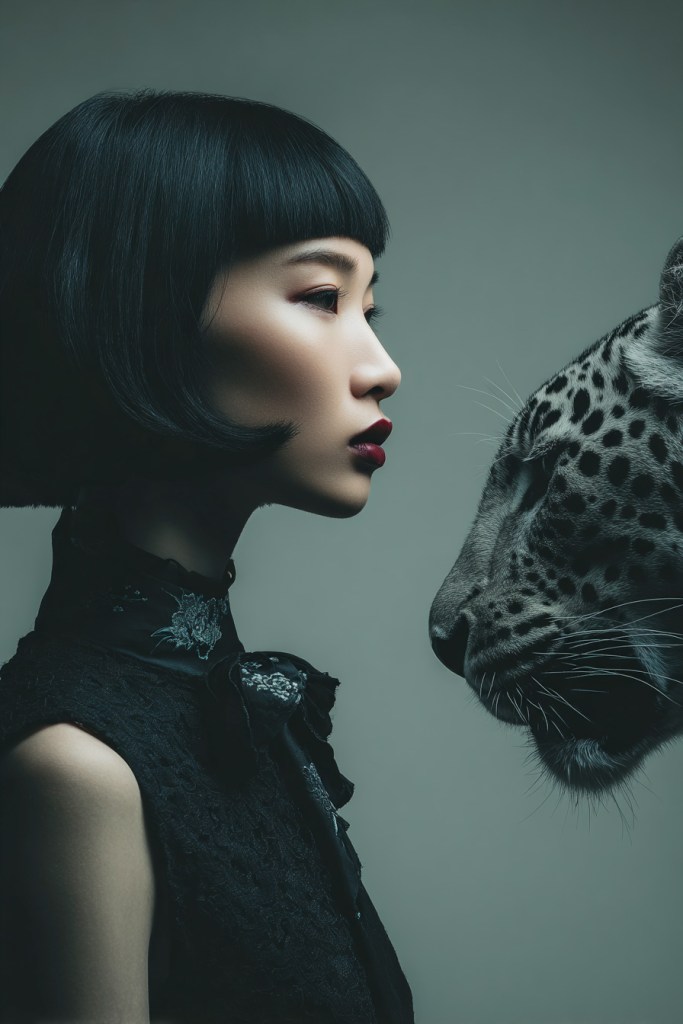
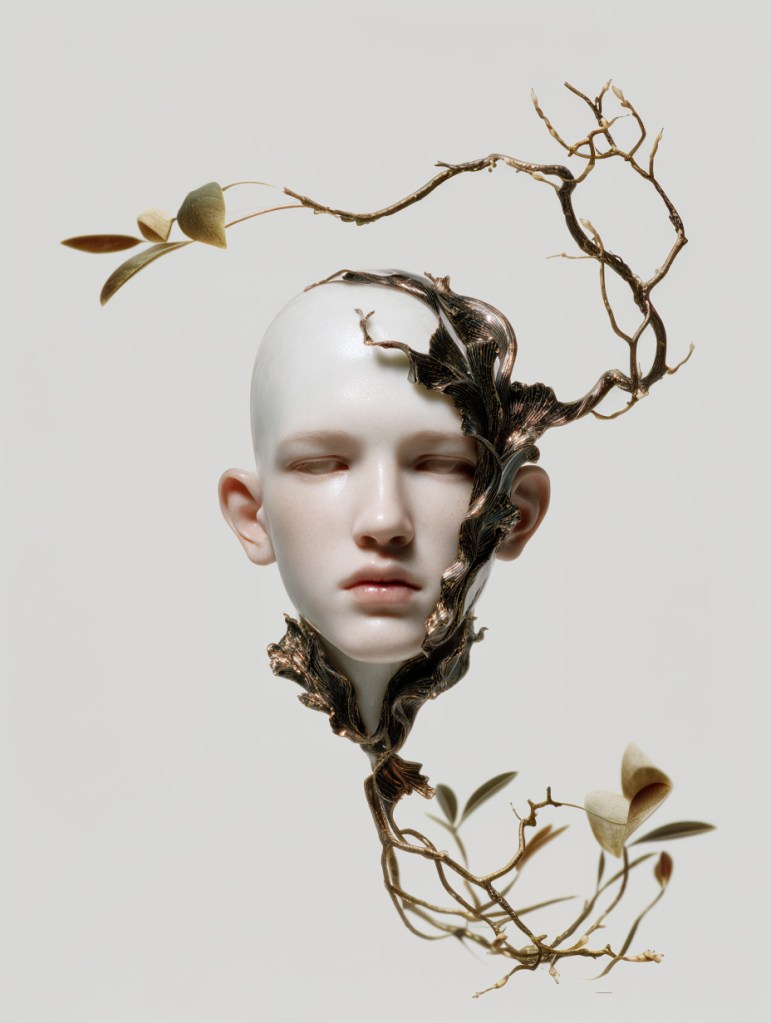
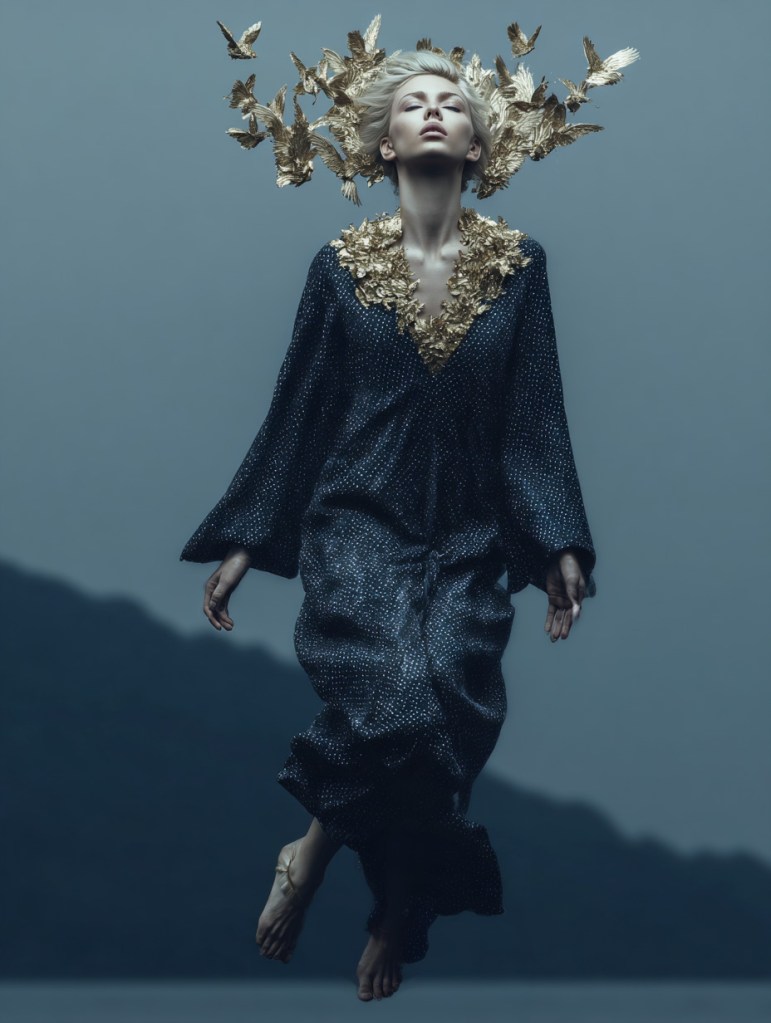
Images © SuperSonicLab 2026
 Partfaliaz
Leave a comment