Within the expanding field of contemporary AI art, certain visual languages distinguish themselves through clarity of vision rather than technical novelty alone. The work of generative AI artist Dreamprotocol.ai belongs to this emerging category.
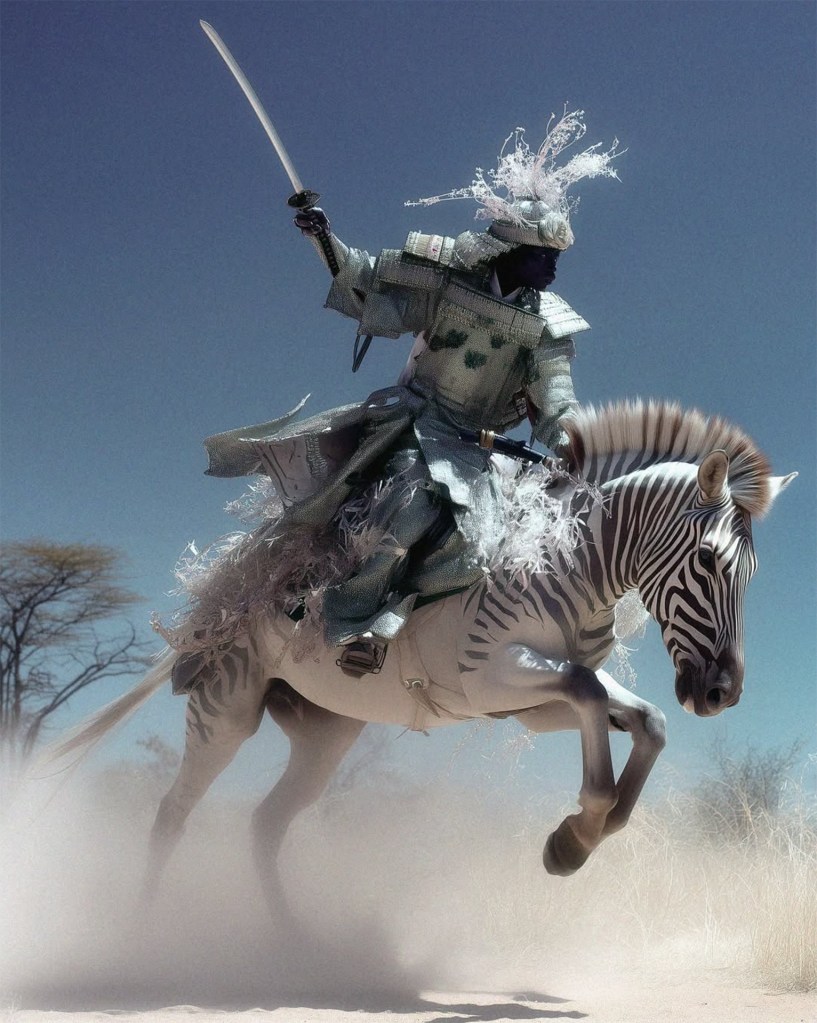
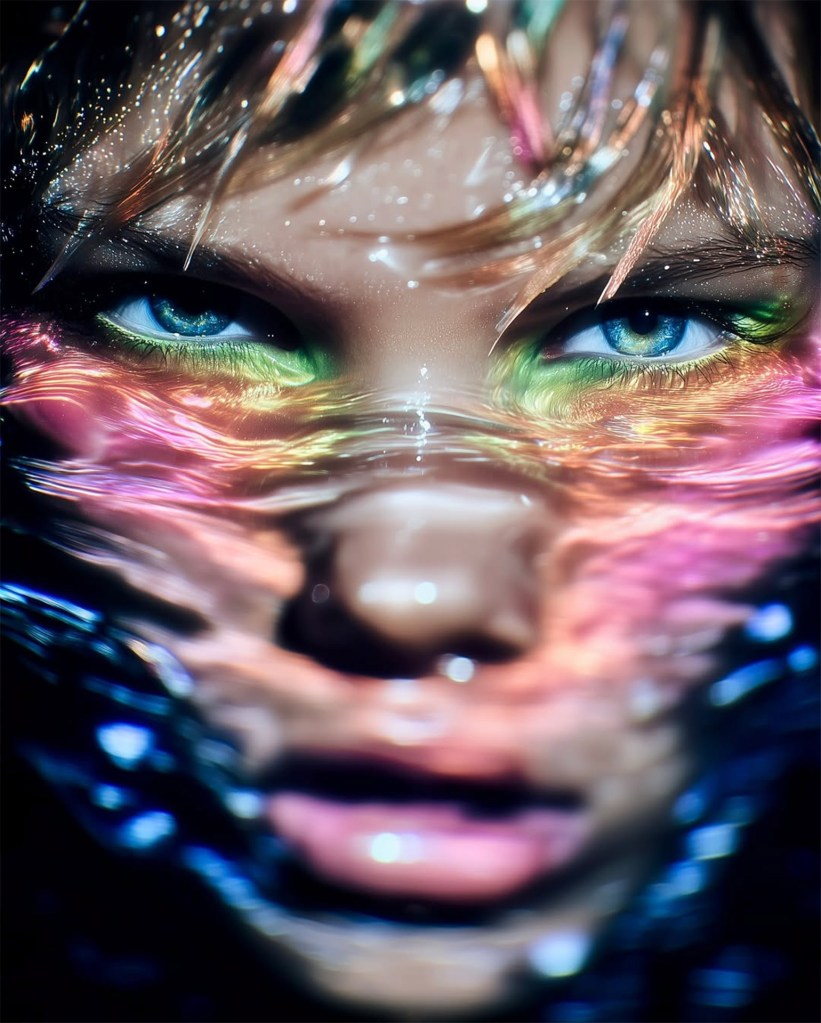
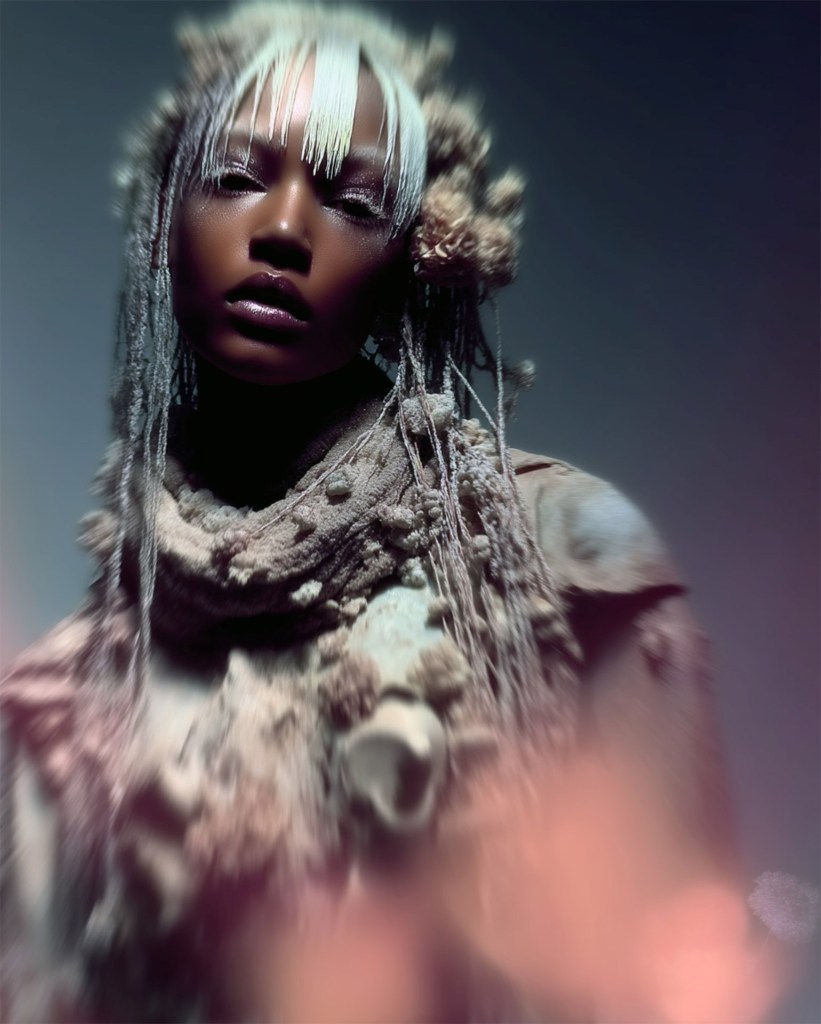
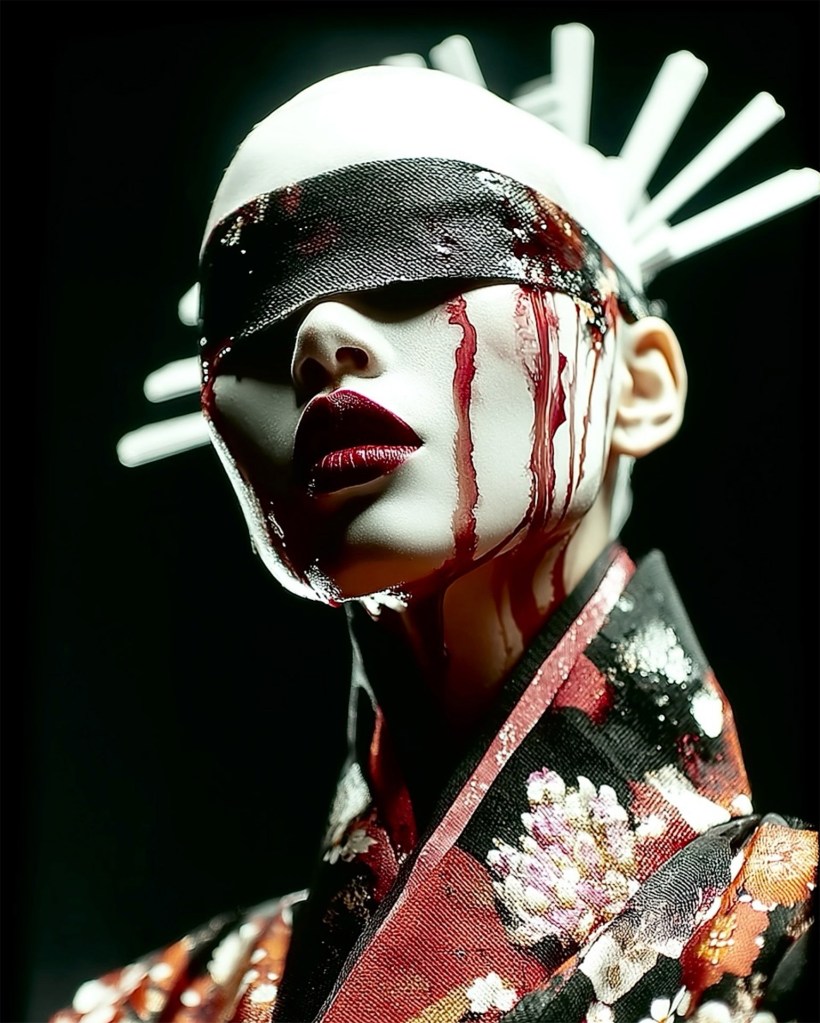
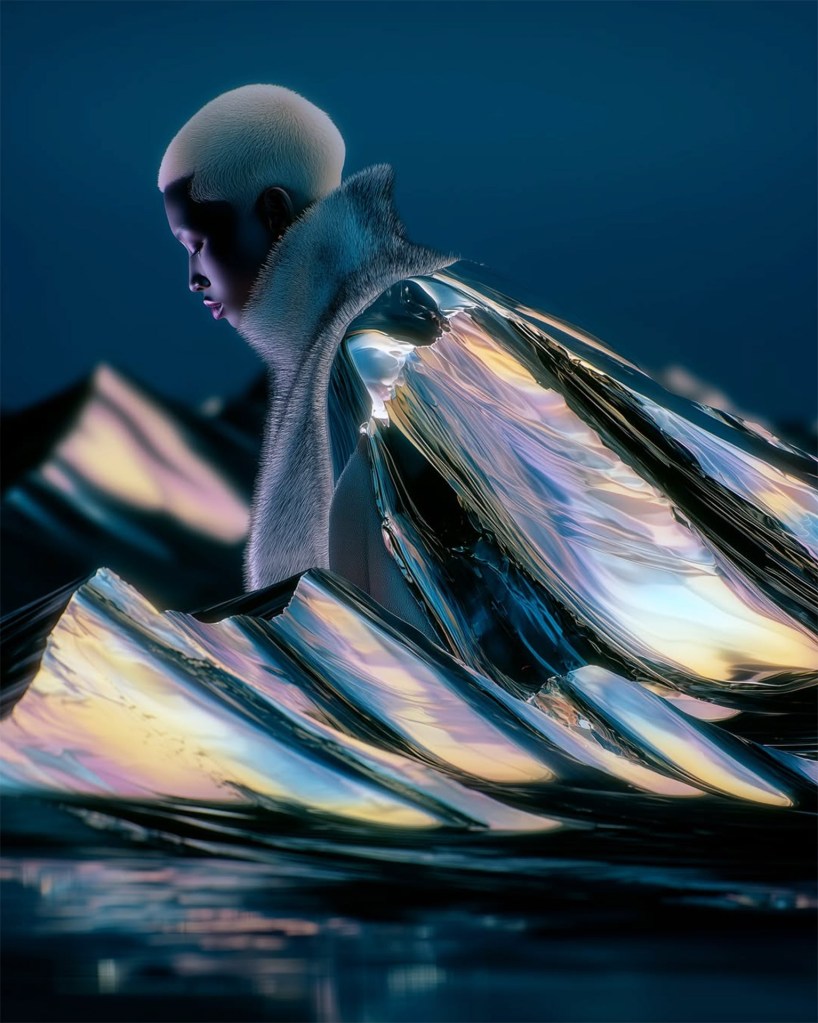
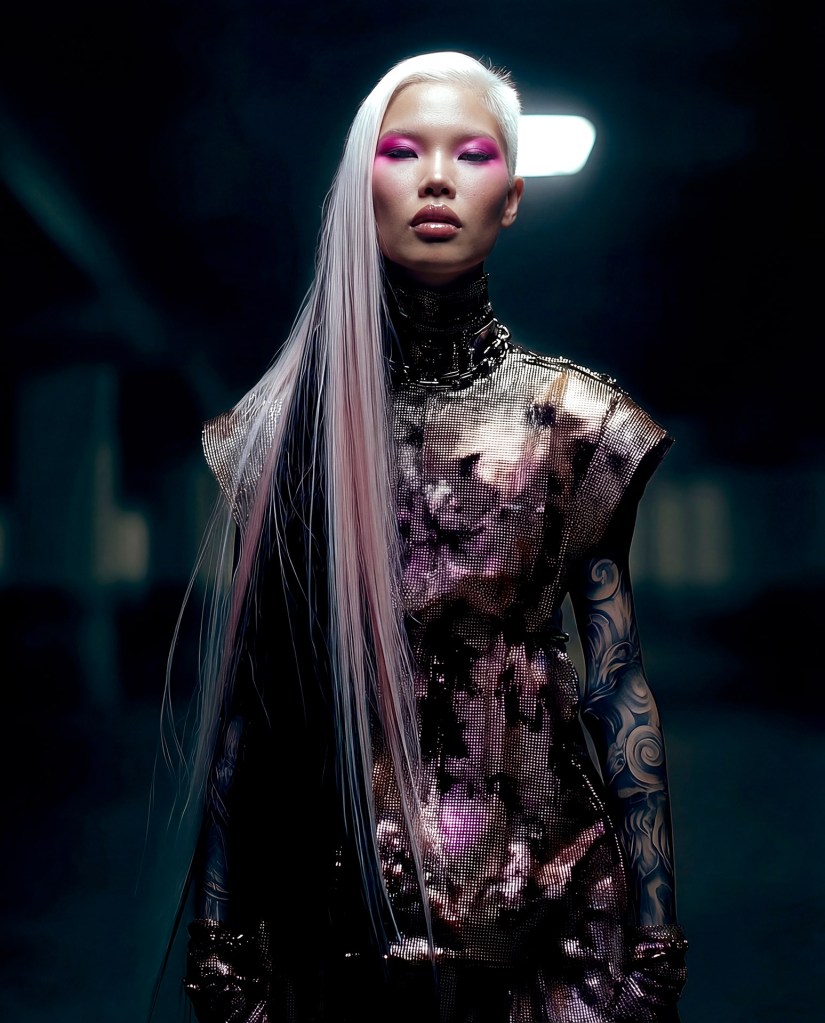
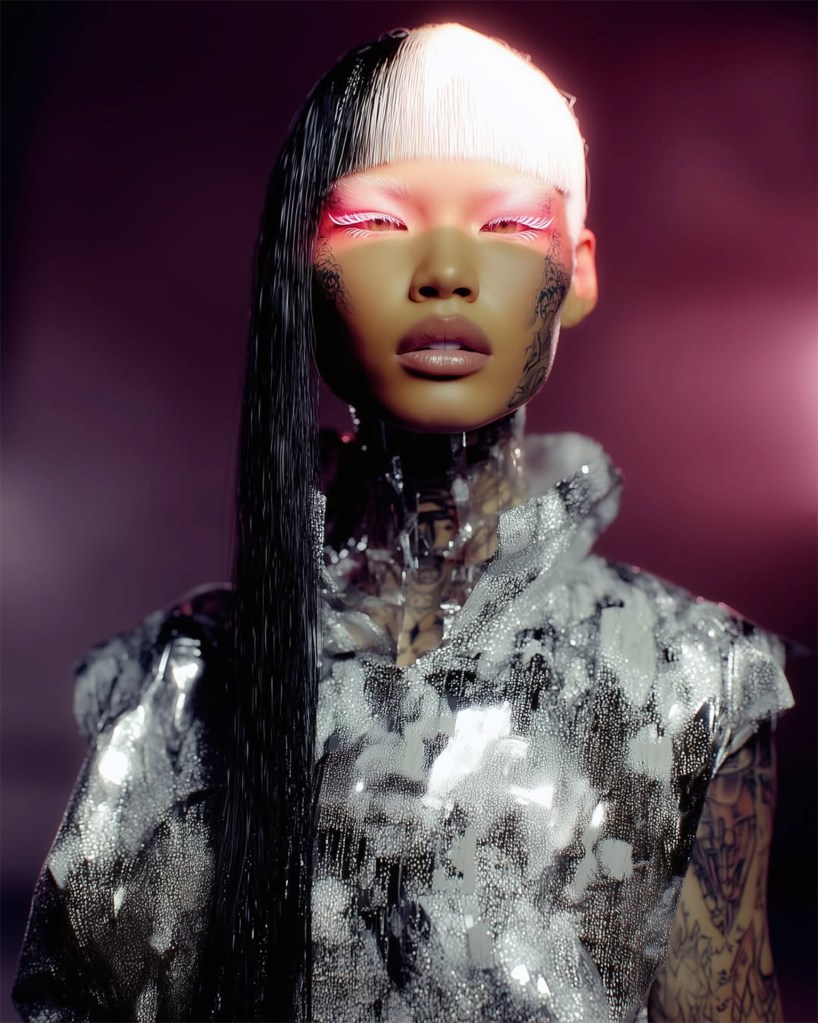
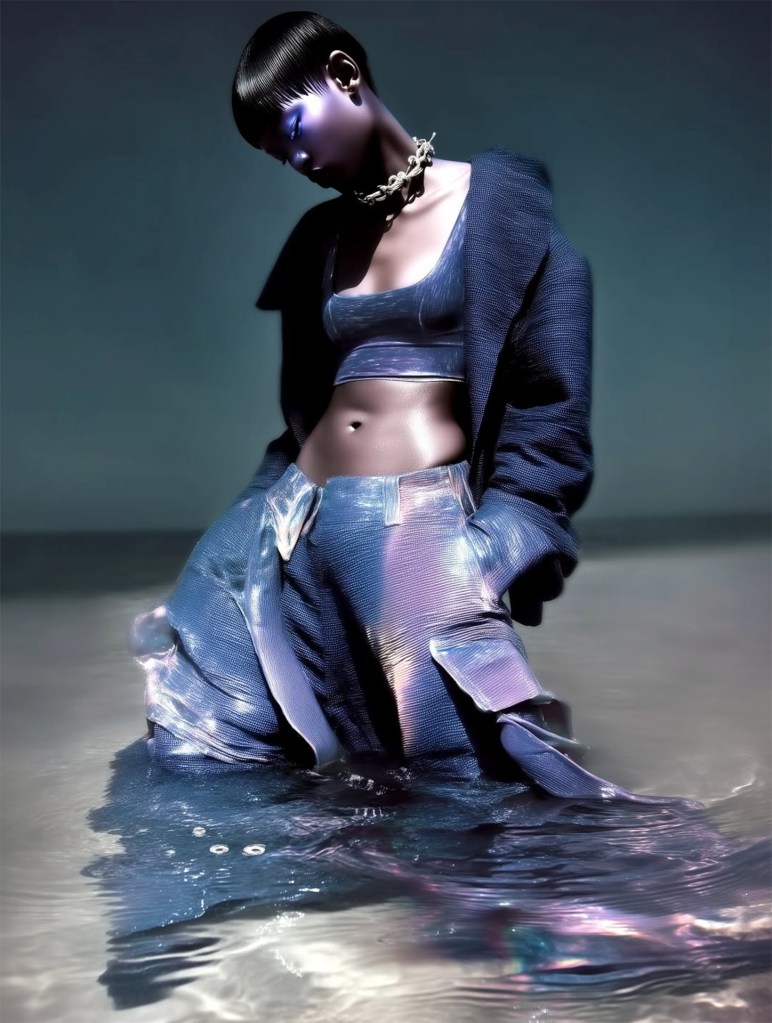
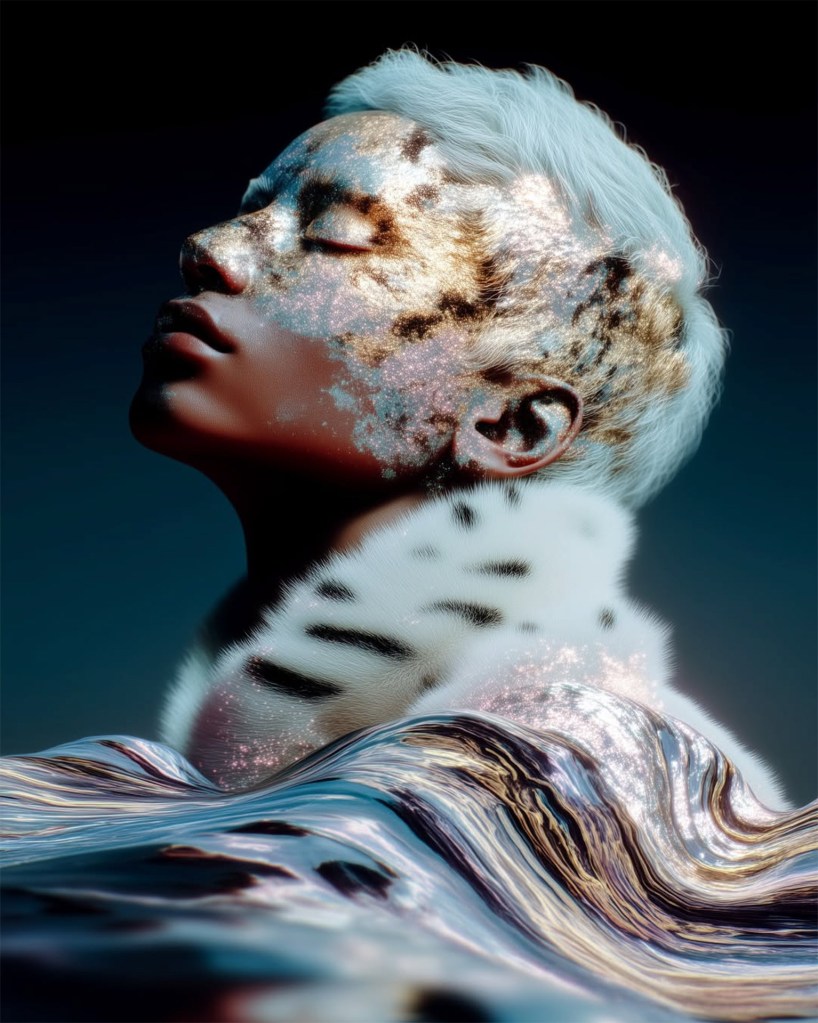
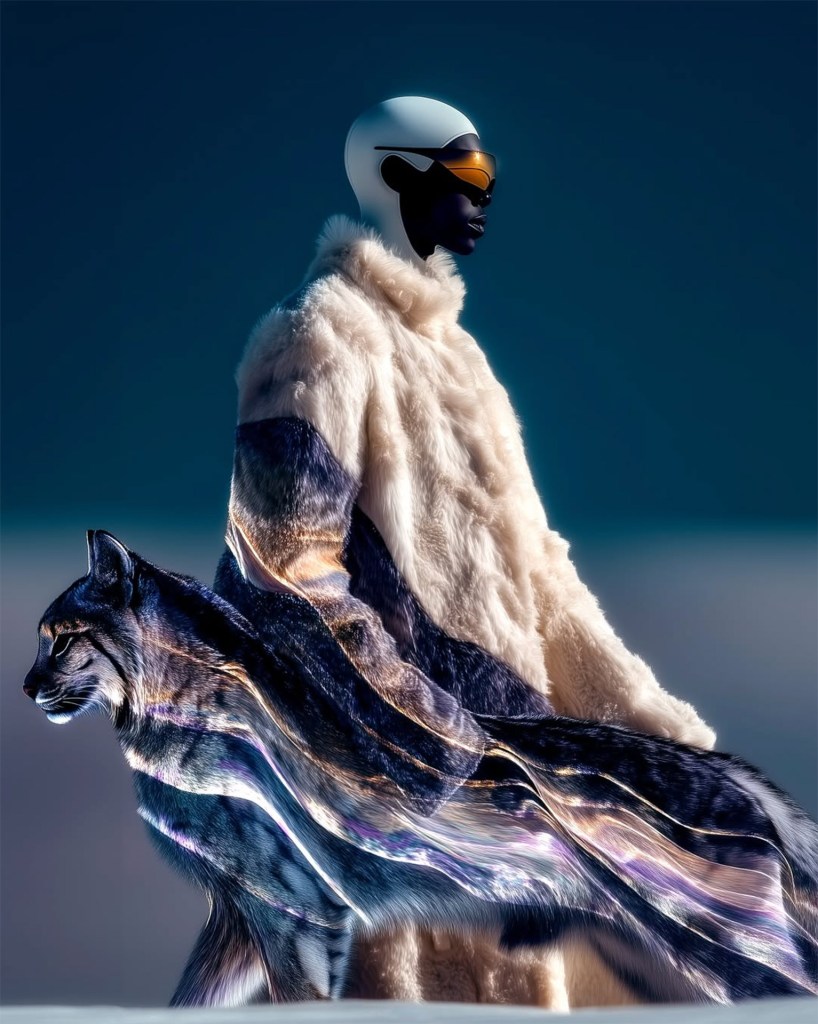
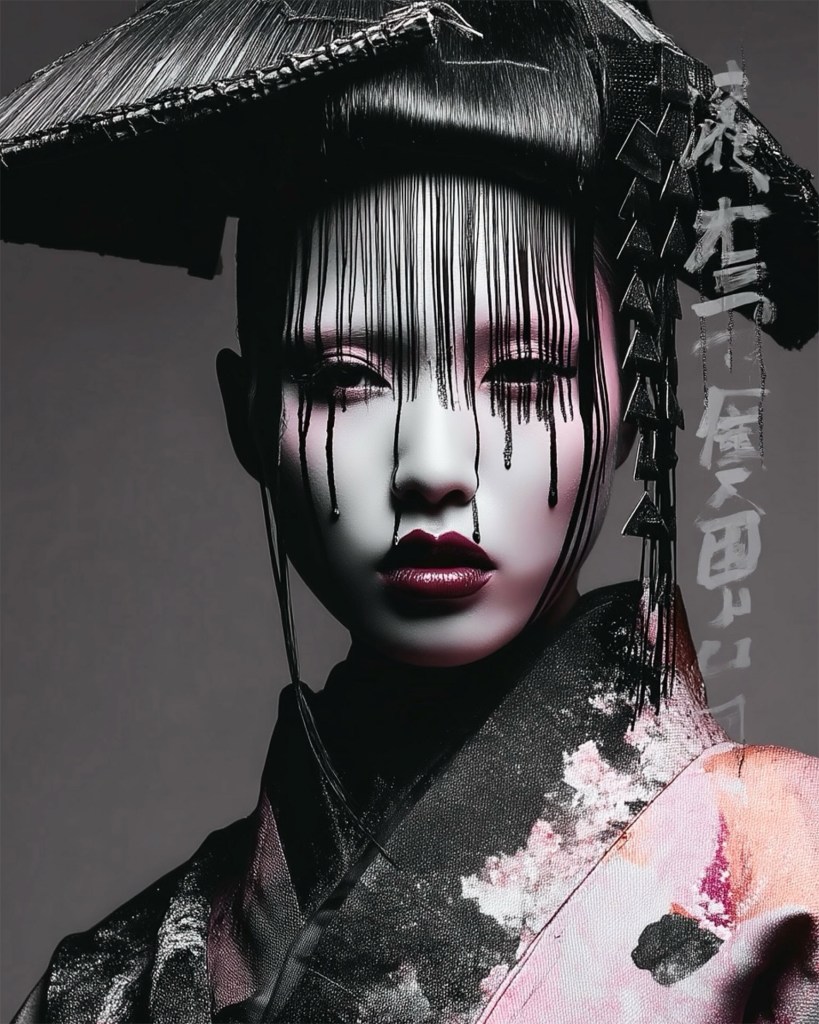
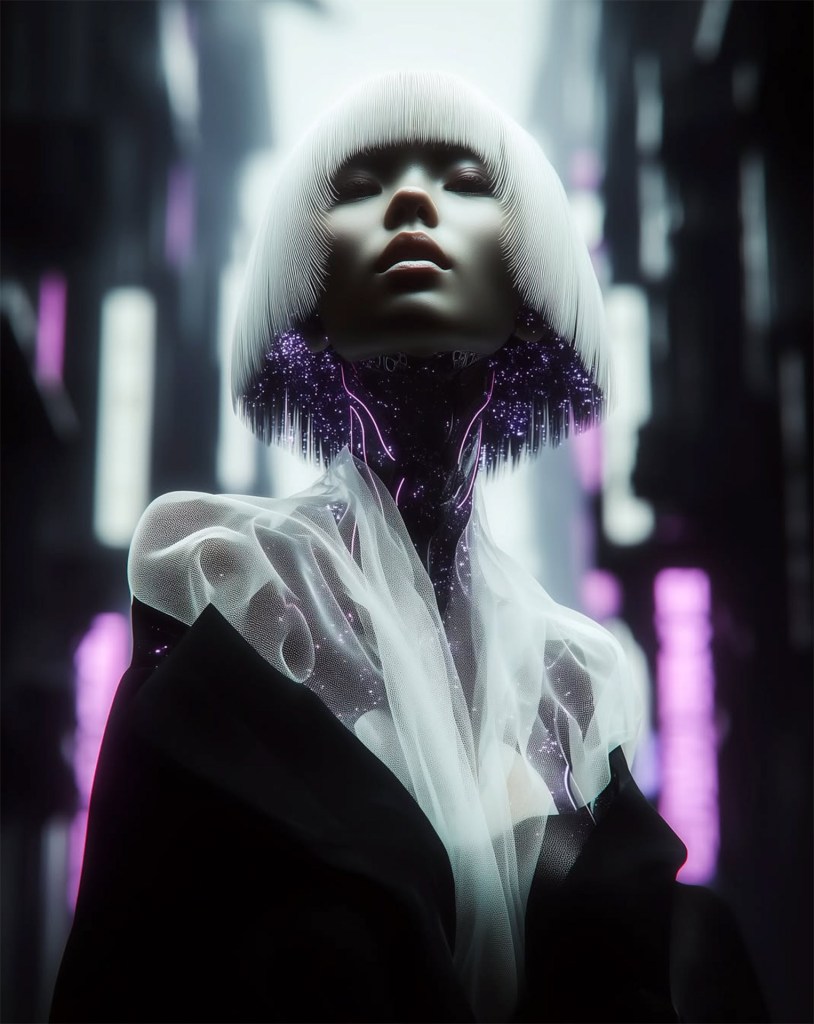
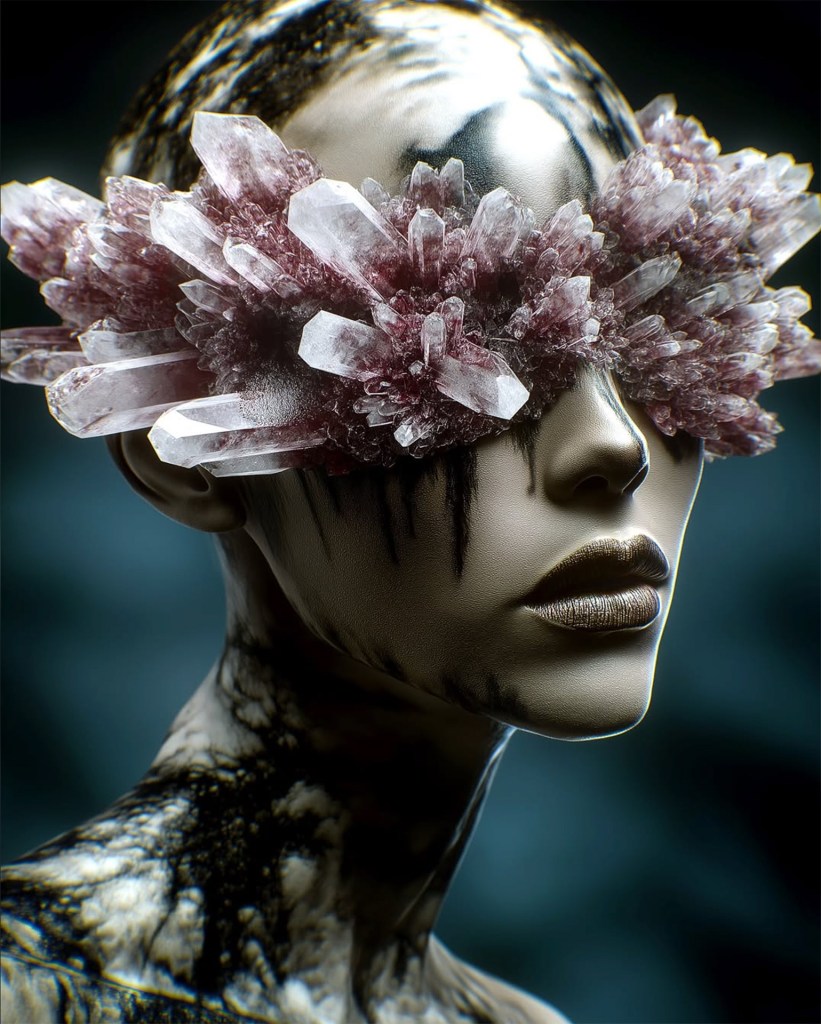
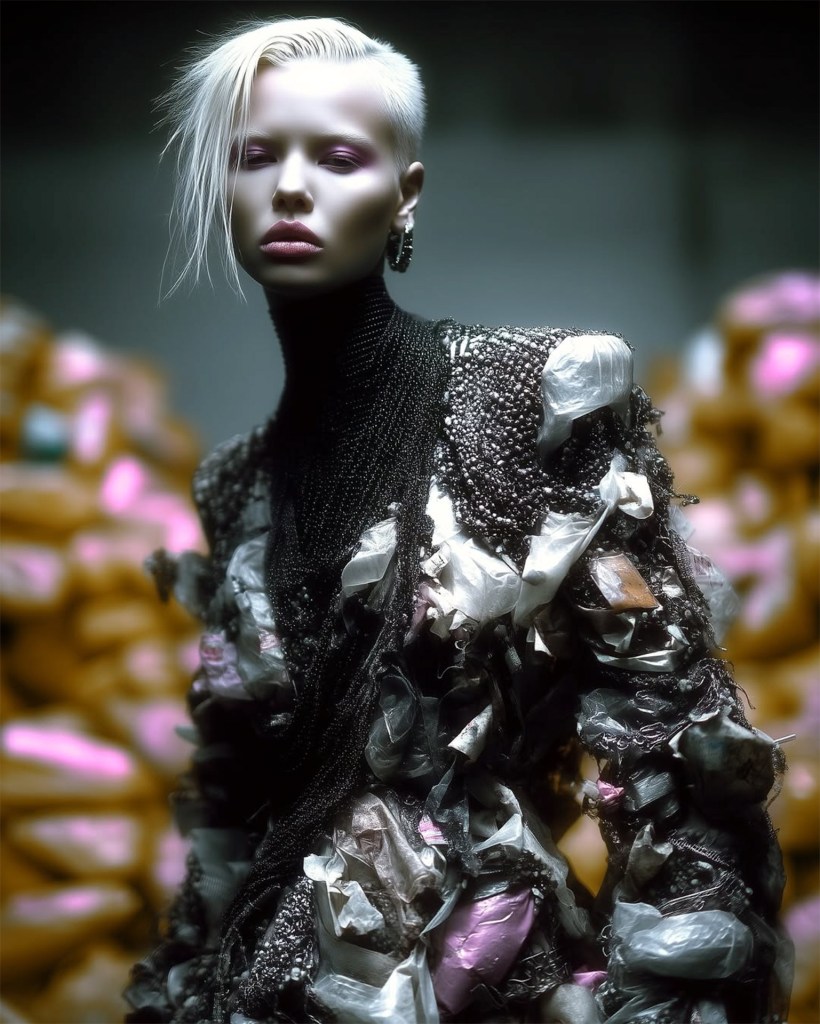
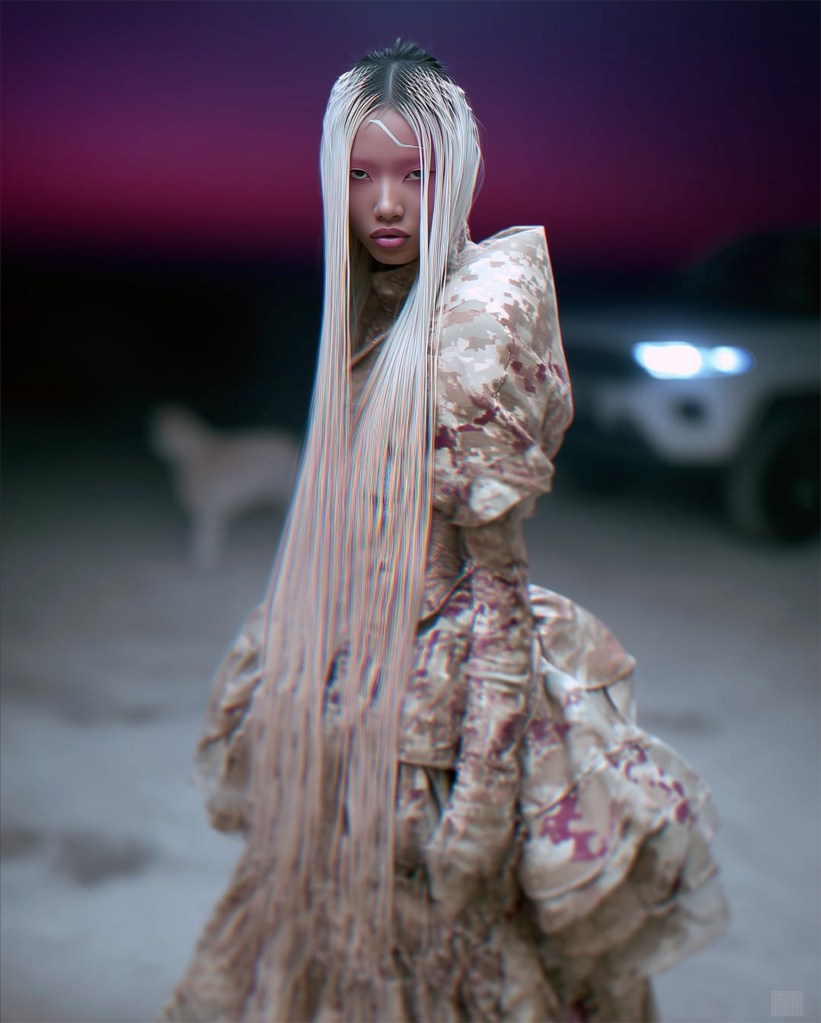
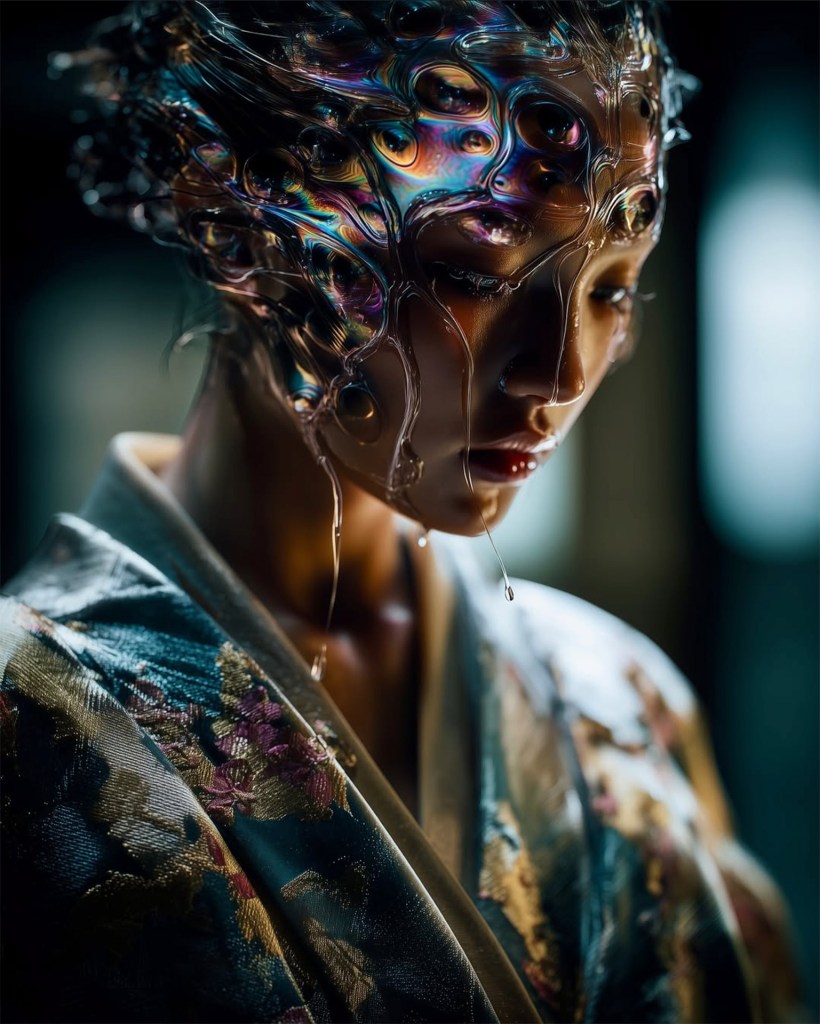
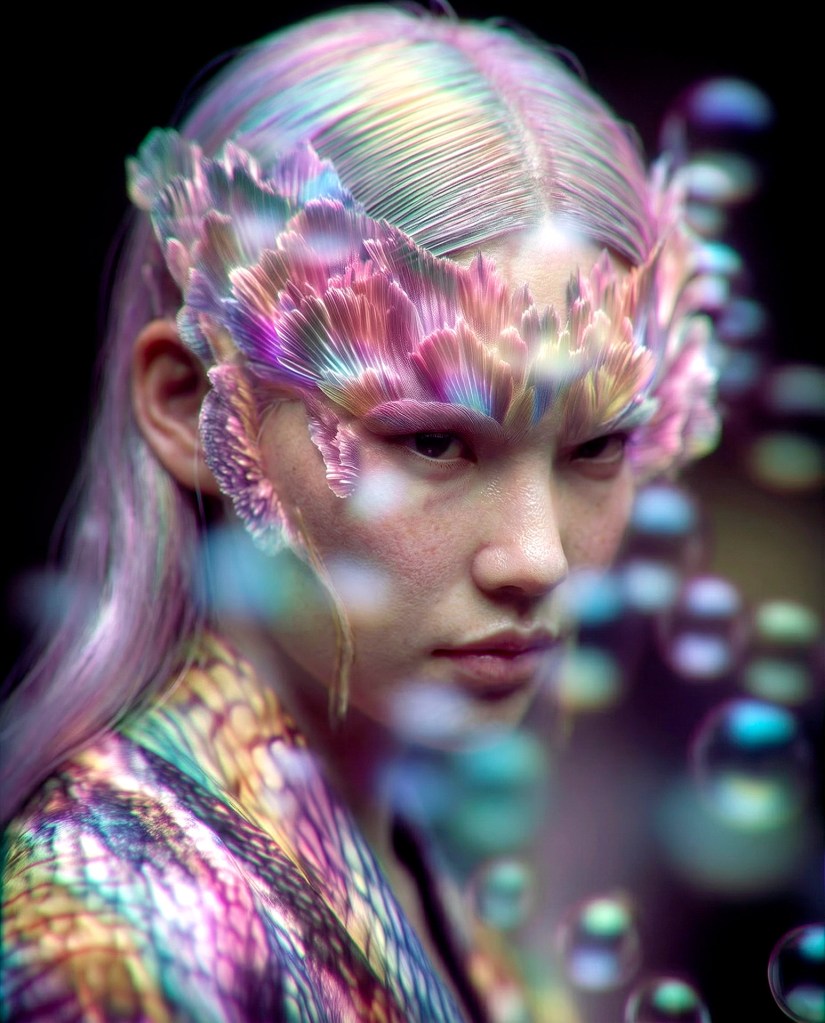
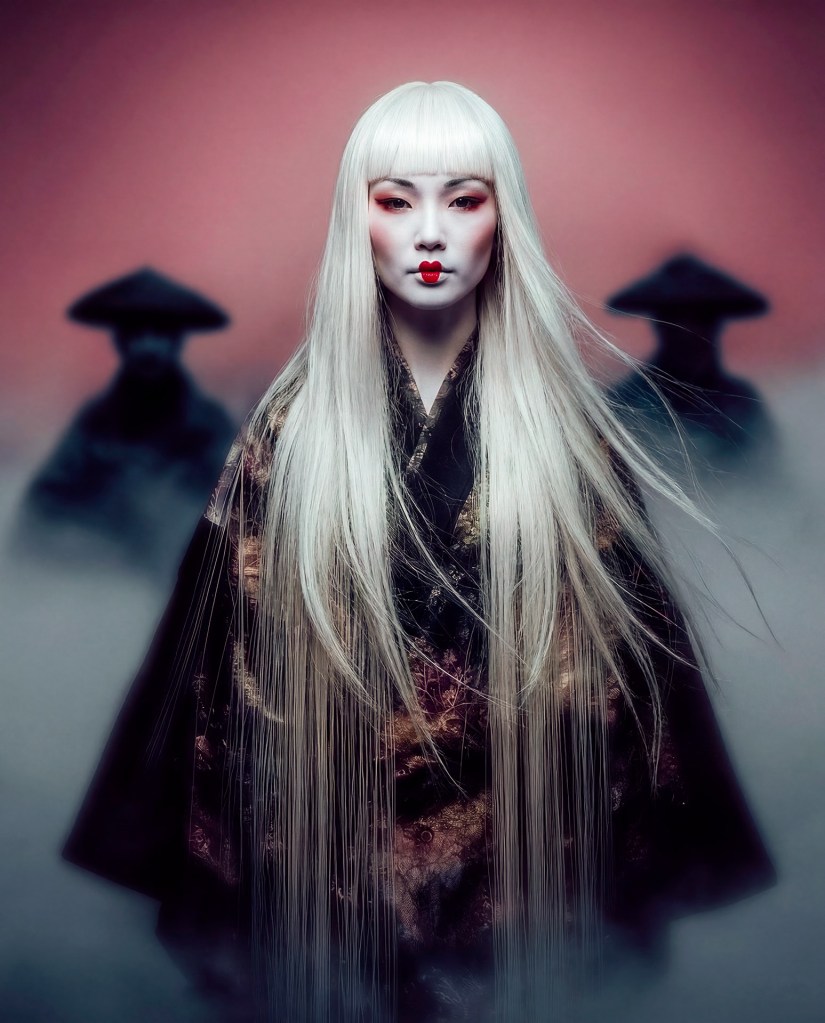
Positioned at the intersection of futuristic fashion imagery and cinematic composition, his visual universe explores the expressive potential of the human figure within digitally constructed environments. His images are defined by sculptural silhouettes, layered textures, and hyper-refined chromatic atmospheres that often emerge from dark, immersive backgrounds.
Rather than dissolving identity, artificiality becomes a tool for amplification. Faces carry presence. Postures suggest narrative. Light and material interact to create tension between realism and stylisation, a signature increasingly visible in forward-thinking AI fashion and digital portraiture.
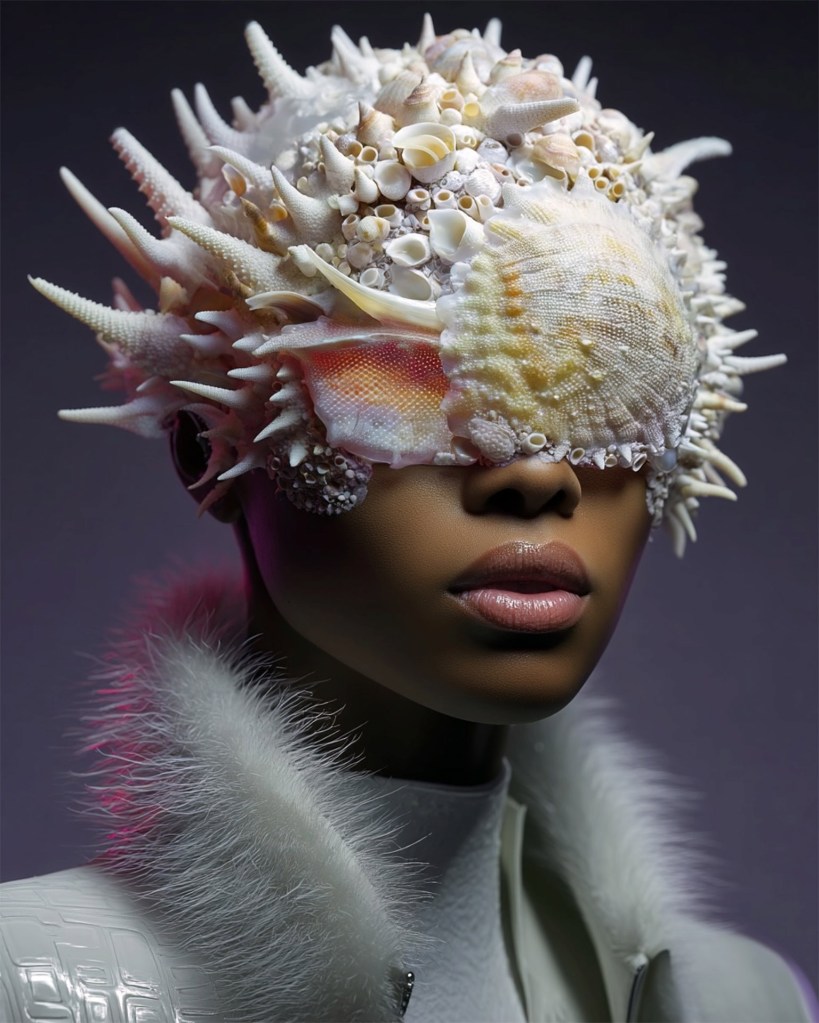
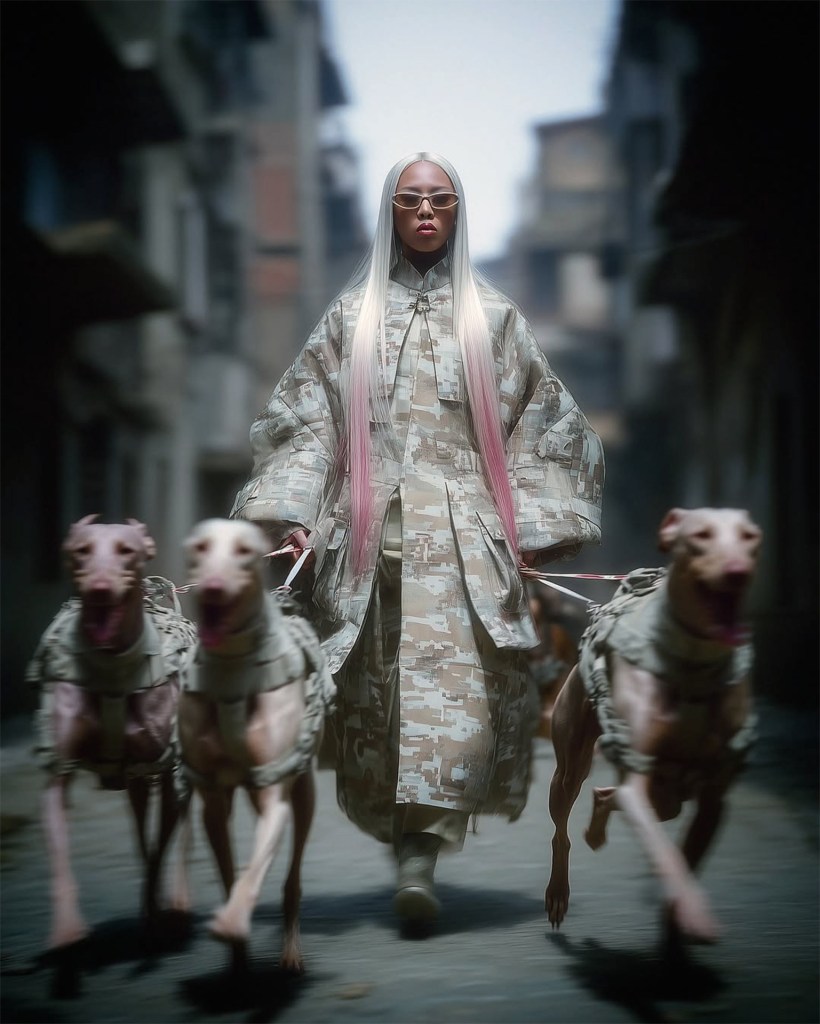
There is a distinctly filmic sensibility in his work. Each composition appears suspended between fashion editorial and speculative cinema, where aesthetic precision meets emotional restraint.
As part of its ongoing exploration of contemporary generative AI art practices, Partfaliaz presents a new conversation with Dreamprotocol.ai, an artist contributing to the evolving visual language of AI-driven image-making.
This interview offers insight into a practice where technology supports authorship, and where AI art becomes a medium for constructing impactful, future-facing visual identities.
Can you introduce yourself?
My name is Quentin Salmon, also known as Dreamprotocol. I studied fine art photography when I was younger and now work as an engineer in the large-format digital printing industry. I am a French visual artist deeply interested in the relationship between materiality and the body, often exploring this through fashion. I pay particular attention to the gaze and attitude of my subjects, as I see them as essential elements in giving a sense of realism to images that are, by nature, artificial.
How long have you been using generative AI?
I first experimented with generative AI around 2023, but at that time I was frustrated by the visual inconsistencies. The technology was promising, yet the results often felt unreliable. We all remember the six-fingered hands and five-legged cats. Since this summer, I returned to it and I believe the technology has now reached an impressive level of performance. The realism, detail, and creative possibilities have evolved significantly.
Today, I use generative AI professionally. In my work within the digital printing industry, I can create highly colorful and visually striking images to showcase the capabilities and performance of the machines we sell.
What is your biggest source of inspiration right now?
Cinema remains my greatest source of inspiration. The visual language and color palettes of Denis Villeneuve, as well as the dense, almost ritualistic atmosphere of Robert Eggers’ films, have deeply shaped my imagination. These images remain constantly embedded in my mind. Recently, I have been thinking a great deal about The Neon Demon by Nicolas Winding Refn, a highly aesthetic film that brilliantly confronts beauty and horror. That tension between attraction and unease is something I often explore in my own work. Beyond cinema, Japanese culture also plays an important role in shaping my artistic identity, as I have been passionate about manga since a very young age.
Which AI tools do you use the most?
I generate my images in Midjourney, using curated moodboards to establish a consistent visual identity. When Midjourney struggles to interpret a subtle or complex idea, I first generate visual references with ChatGPT or NanoBanana Pro, which is often more precise in translating nuanced concepts into coherent imagery. For upscaling, I use Topaz to enhance fine details, especially skin texture. For video generation, I primarily work with Kling, particularly for its strong slow-motion capabilities. Finally, Photoshop is essential in my process for color grading and maintaining overall visual coherence.
Any advice for those interested in getting into AI art?
To anyone passionate about imagery, AI is a powerful tool that can bring your boldest ideas to life. I have rarely had as much creative enjoyment as I do working with this technology. It opens the door to limitless experimentation and encourages thinking beyond traditional constraints. The AI art community, especially on Instagram, is incredibly supportive and driven by a positive energy. Surrounding yourself with that dynamic can be just as important as mastering the tools themselves.
 Partfaliaz
Leave a comment