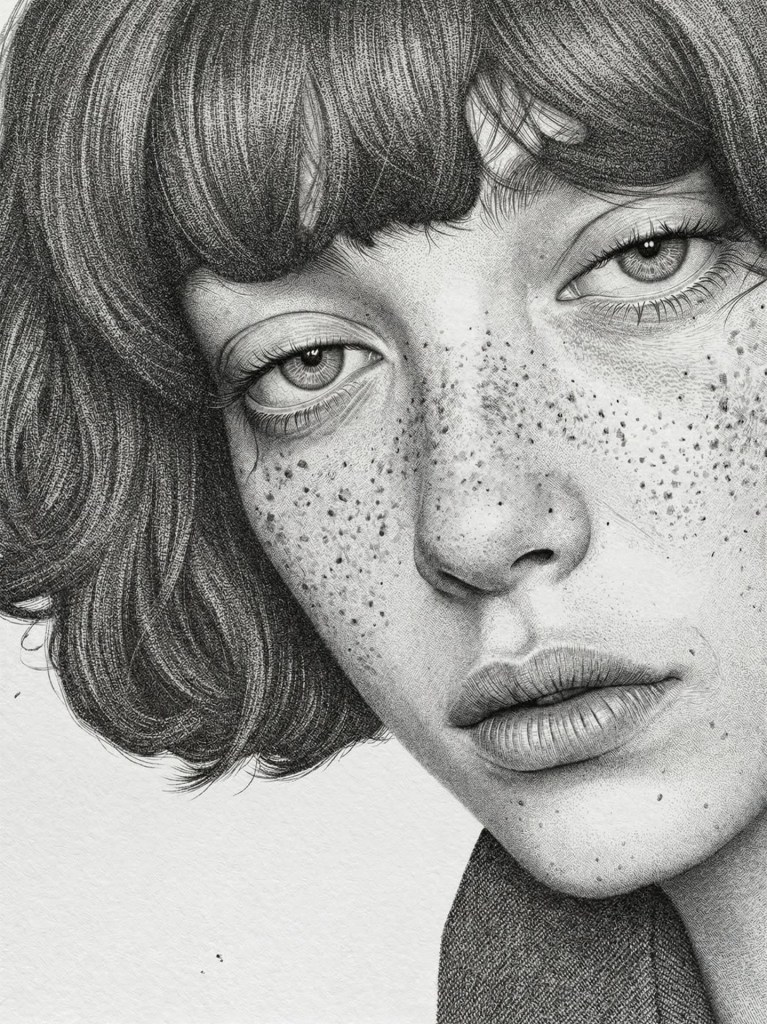
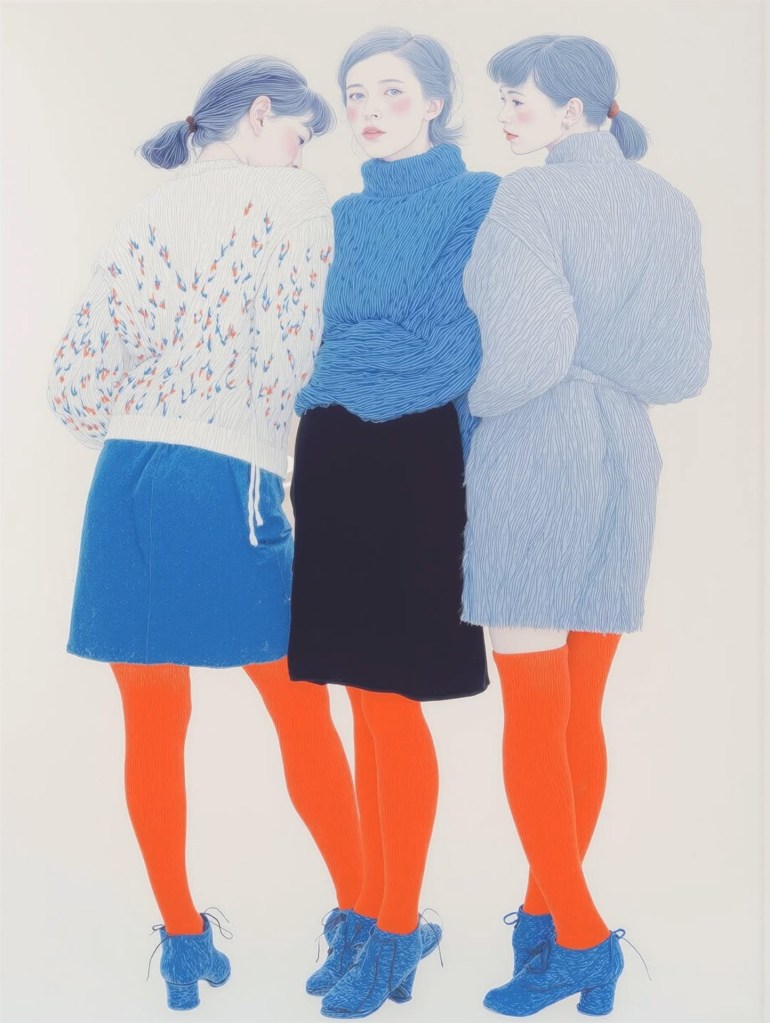
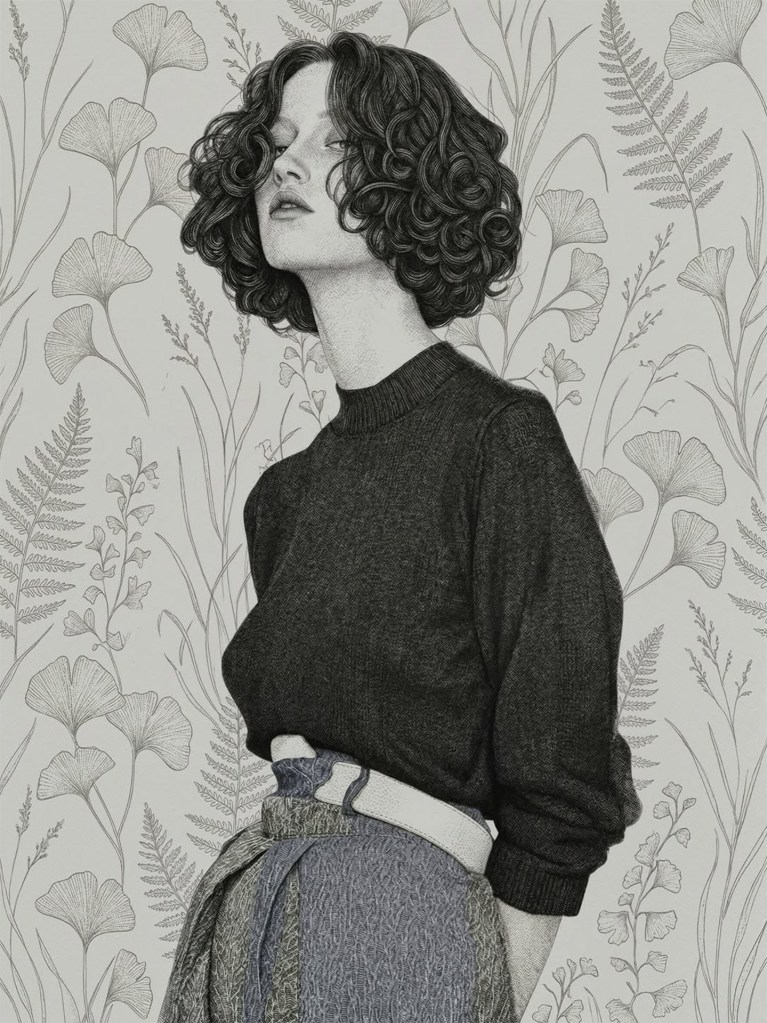
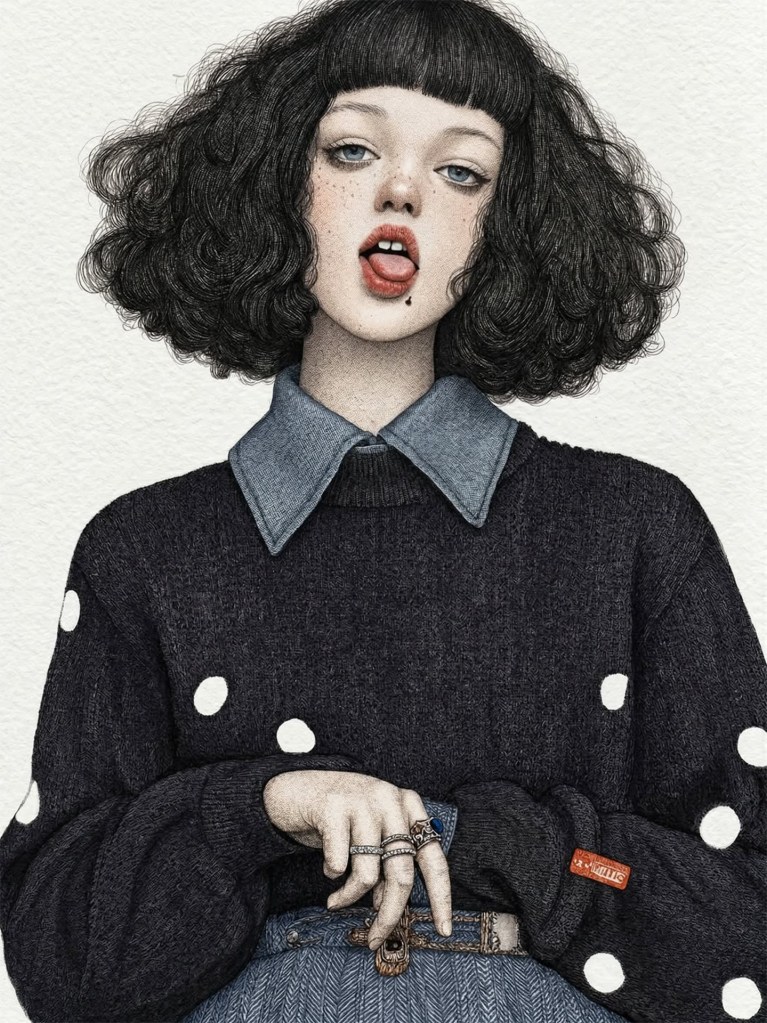
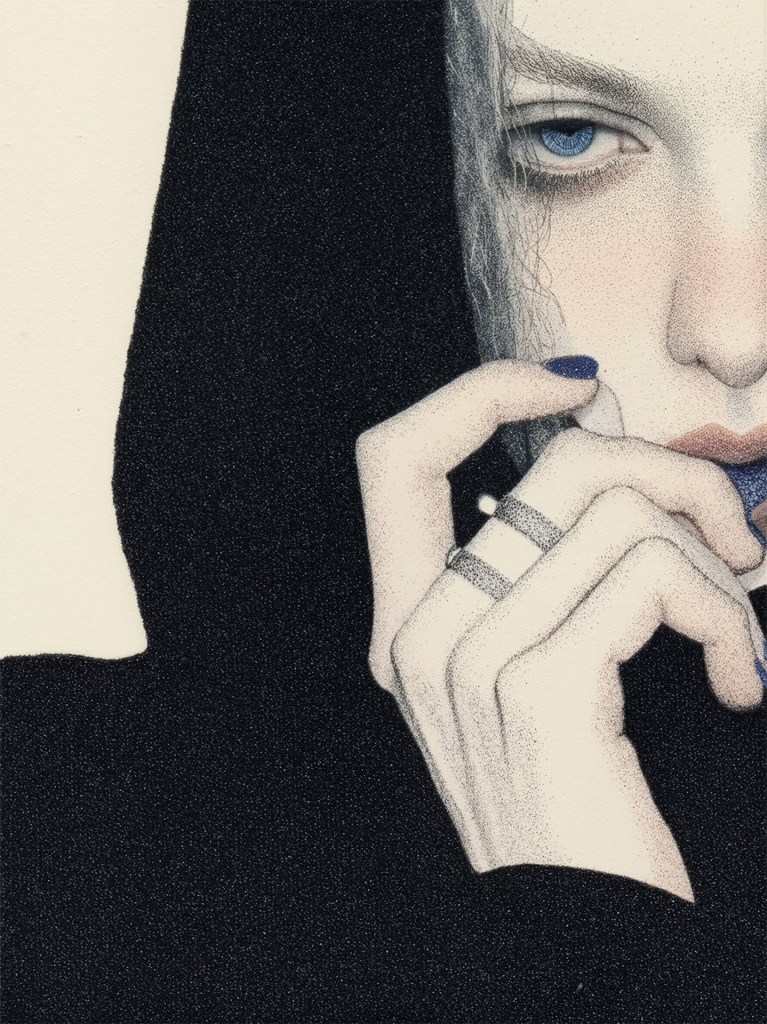
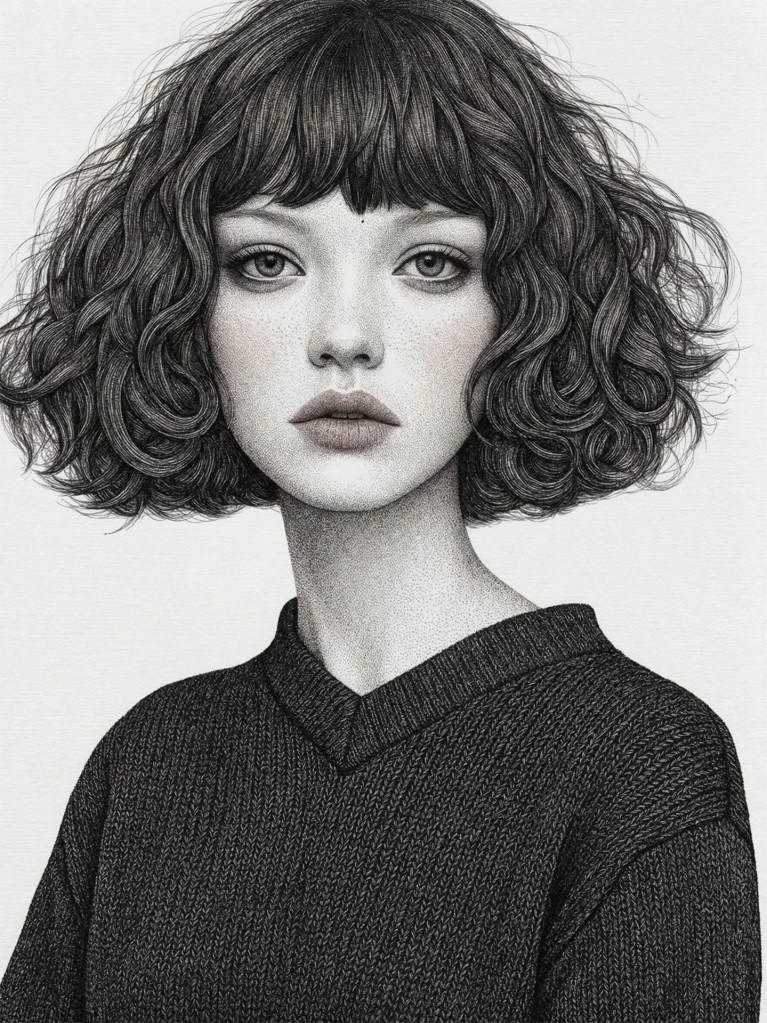
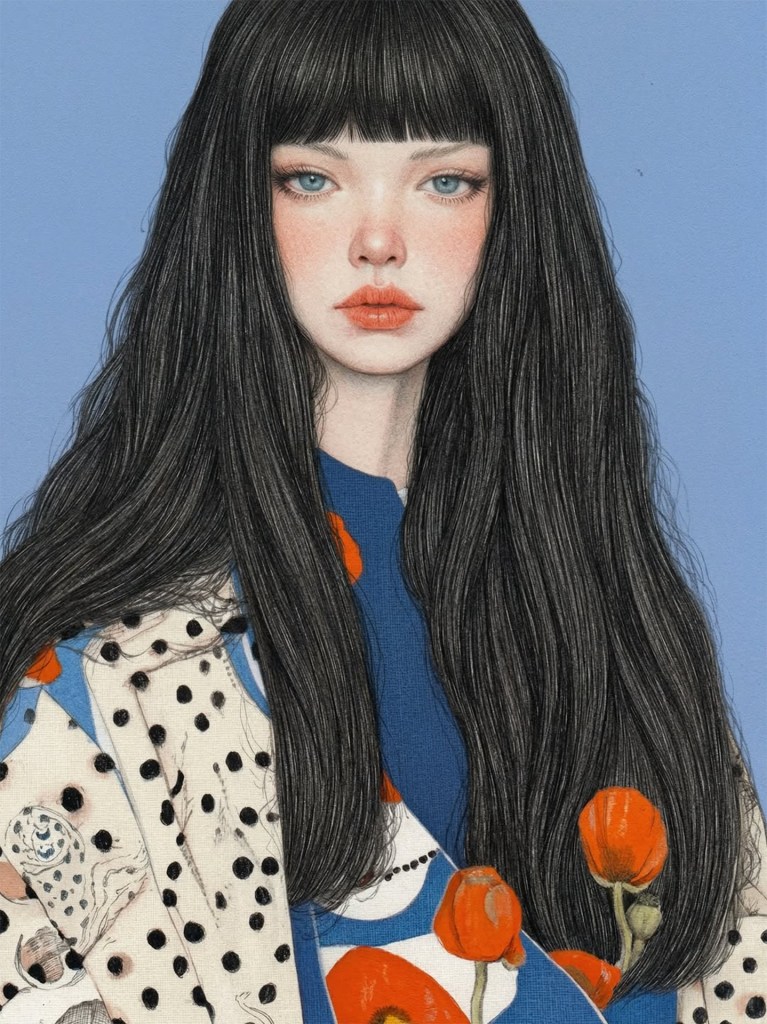
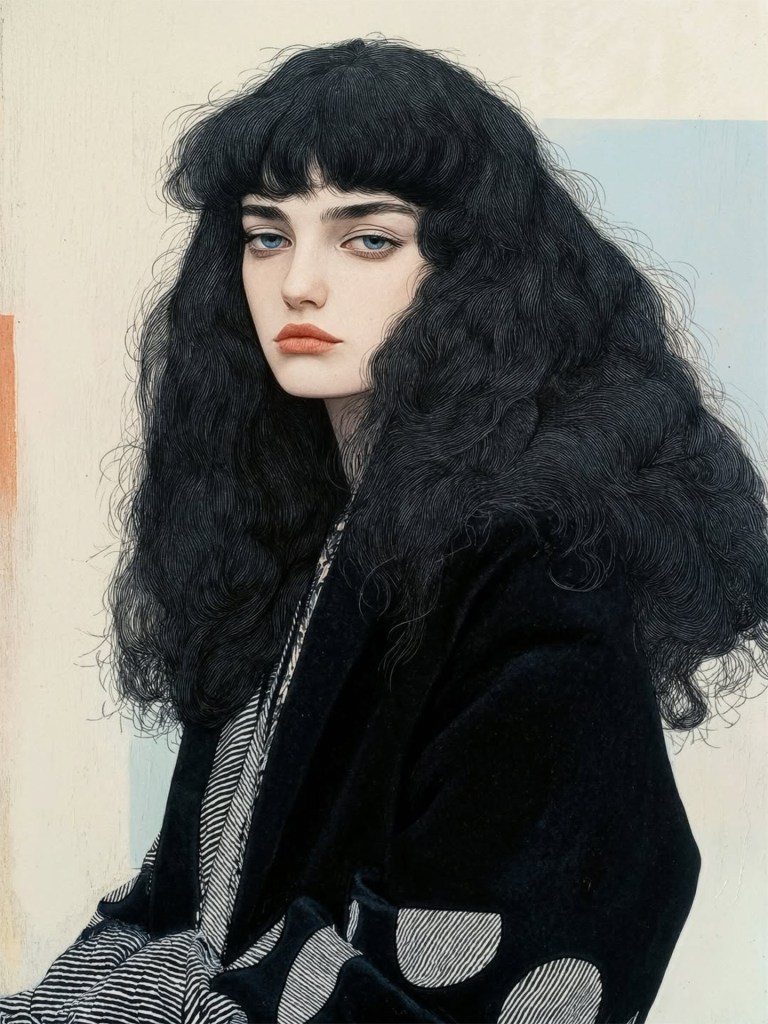
The field of AI art continues to evolve rapidly, but only a few artists manage to develop a truly distinctive visual voice. Among them is Korean AI artist Loh3n, whose recent series of illustrative AI portraits combines elegance, emotional depth and strong visual impact.
Working within the expanding territory of generative art, Loh3n approaches AI not simply as a technical tool but as a medium for artistic expression. His portraits often echo the visual language of fashion imagery, balancing refined compositions with striking simplicity. Some images explore monochrome atmospheres, while others introduce vibrant yet carefully limited color palettes, reinforcing a sense of visual clarity and restraint.
What distinguishes Loh3n’s work is the sensitivity embedded in each portrait. Rather than focusing solely on aesthetic spectacle, his images aim to convey subtle emotions through posture, light, and color relationships. The result is a body of work that feels both contemporary and deeply personal.
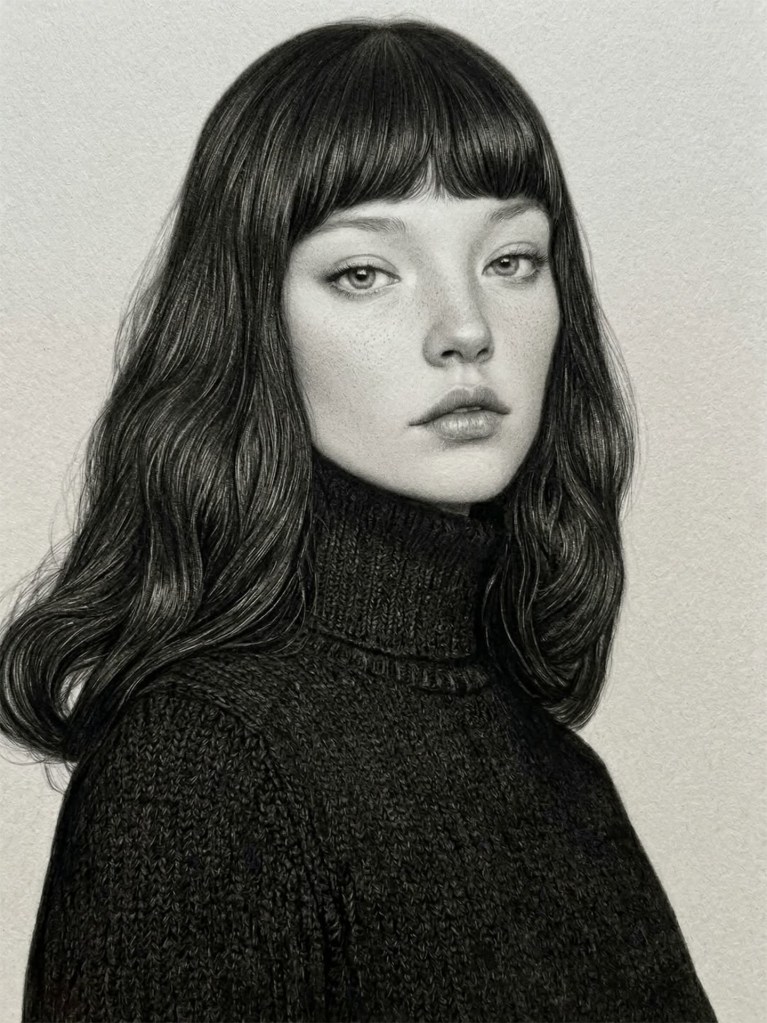
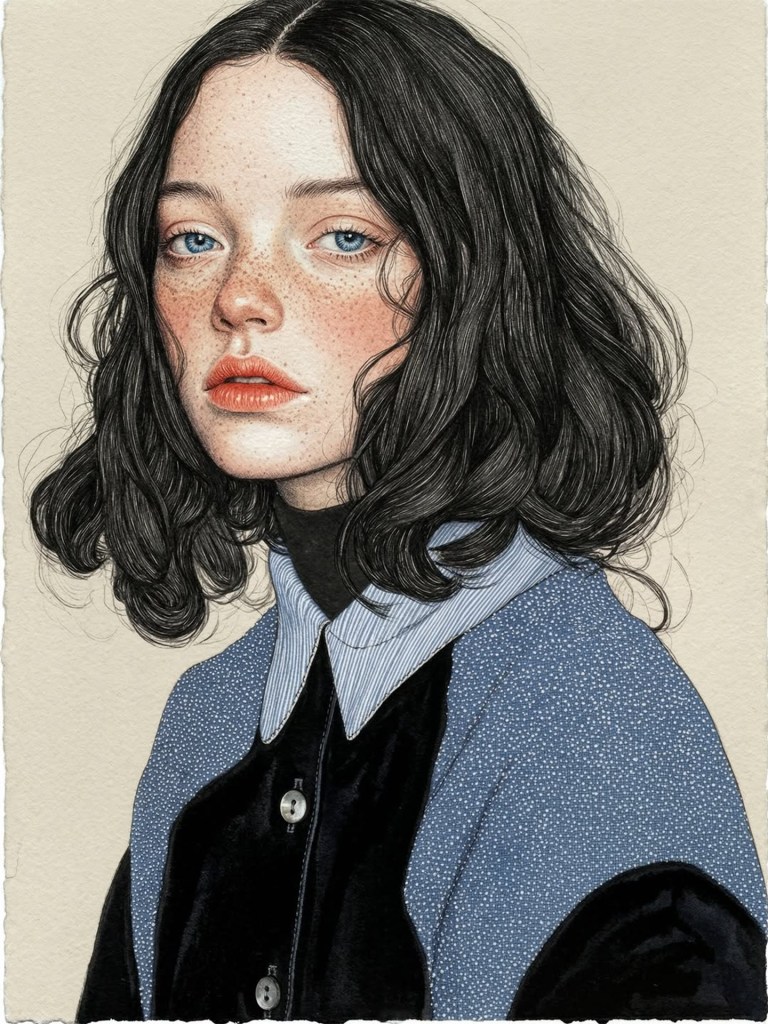
In his interview for Partfaliaz, the Korean AI artist discusses his artistic background, the development of his creative process, and the inspirations that shape his approach to AI-generated imagery. He also shares practical insights for emerging creators interested in exploring AI as a creative medium, highlighting the importance of experimentation, observation and cultivating a personal artistic vision.
As AI-generated art becomes increasingly visible across the creative industries, Loh3n’s work offers an important reminder: beyond algorithms and tools, the power of an image still comes from the artist’s perspective and emotional intent.
Can you introduce yourself in a few words?
I’m a visual artist based in Korea. With a background in motion design and visual direction, I’m currently focused on creating images through generative AI that carry emotion and a strong cinematic atmosphere.
How long have you been using generative AI?
I’ve been working with generative AI consistently for a little over a year now, and it has naturally become an important part of my practice. At first, I was drawn to it out of curiosity about a new technology, but as I kept working with it, I realized it was much more than just a tool for generating images quickly.
It became a medium that allowed me to bring out the moods, sensibilities, and cinematic scenes I had carried in my mind for a long time in a much more direct way. Now I actively use generative AI across different projects to shape concepts, build mood and emotional tone, and develop more striking visual outcomes.
What is your biggest source of inspiration currently?
I’m influenced by many things, including image references, films, and different forms of visual media, but my biggest source of inspiration comes from the atmosphere and emotion that emerge when reality meets imagination. I’m often more drawn to a scene after it has passed through the mind and been transformed into something more internal, rather than to the scene itself.
Which AI tools do you use?
The tools I use most depend on the direction of the work. For AI art, I mainly use Midjourney and Nano Banana. Midjourney is especially strong when it comes to building emotional mood, symbolism, and the kind of cinematic impression I’m drawn to, while Nano Banana feels interesting for exploring different image textures and new visual possibilities.
In professional projects, I use a wider range of tools, often centered around Freepik, combining them flexibly depending on the needs of the project. For me, what matters most is not the tool itself, but what kind of emotion, atmosphere, and convincing visual language it can help me create.
Do you have any advice for people who want to start with AI art?
One thing I think people should be careful about when starting with AI art is that the results can come so easily that it becomes possible to mistake output for artistic sensibility. AI is clearly a powerful tool, but it does not create meaningful work on its own. In the end, the more important question is not just what kind of image you want to make, but why you want to make it.
Rather than chasing trends, I think it’s more important to discover the kinds of scenes you want to keep looking at, the moods that draw you in even when you can’t fully explain them, and the emotional traces that stay with you. Once you begin to find your own perspective, the work gradually starts to become your own. AI art may begin with technology, but the work that lasts always comes from the artist’s eye and inner world.
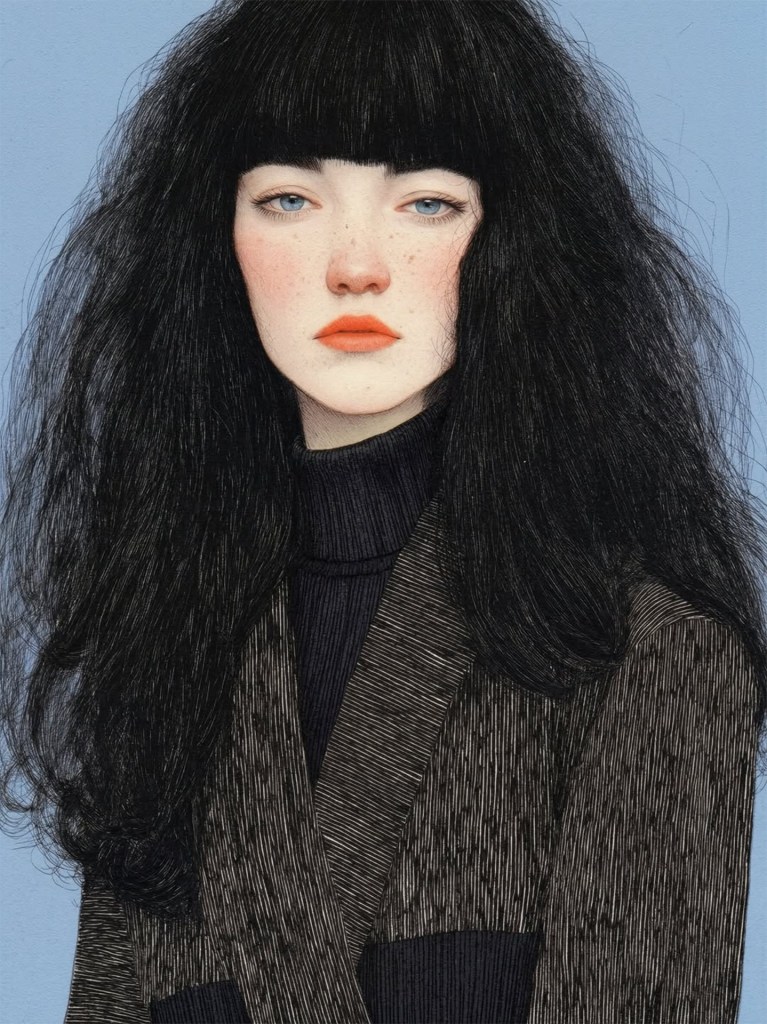
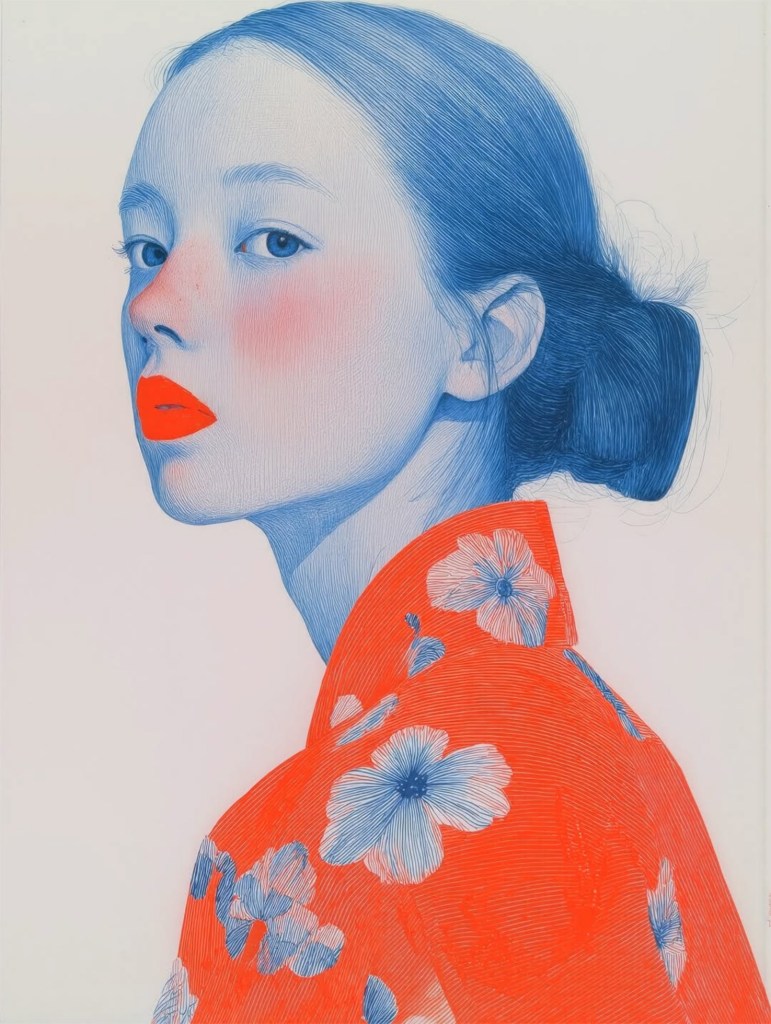
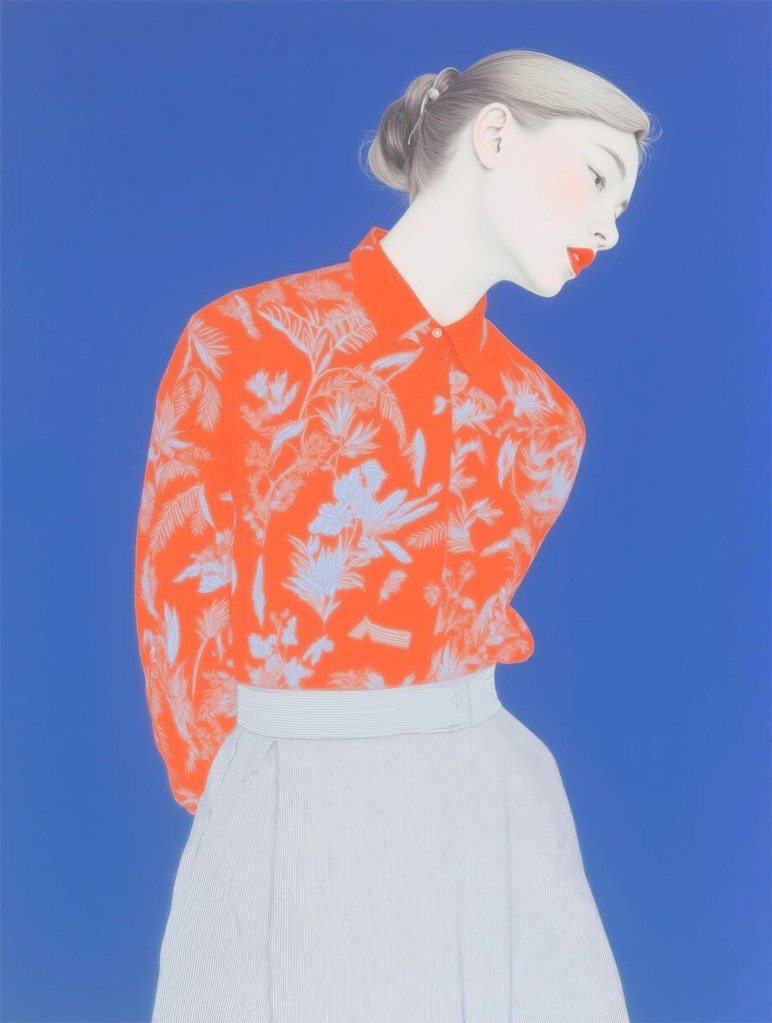
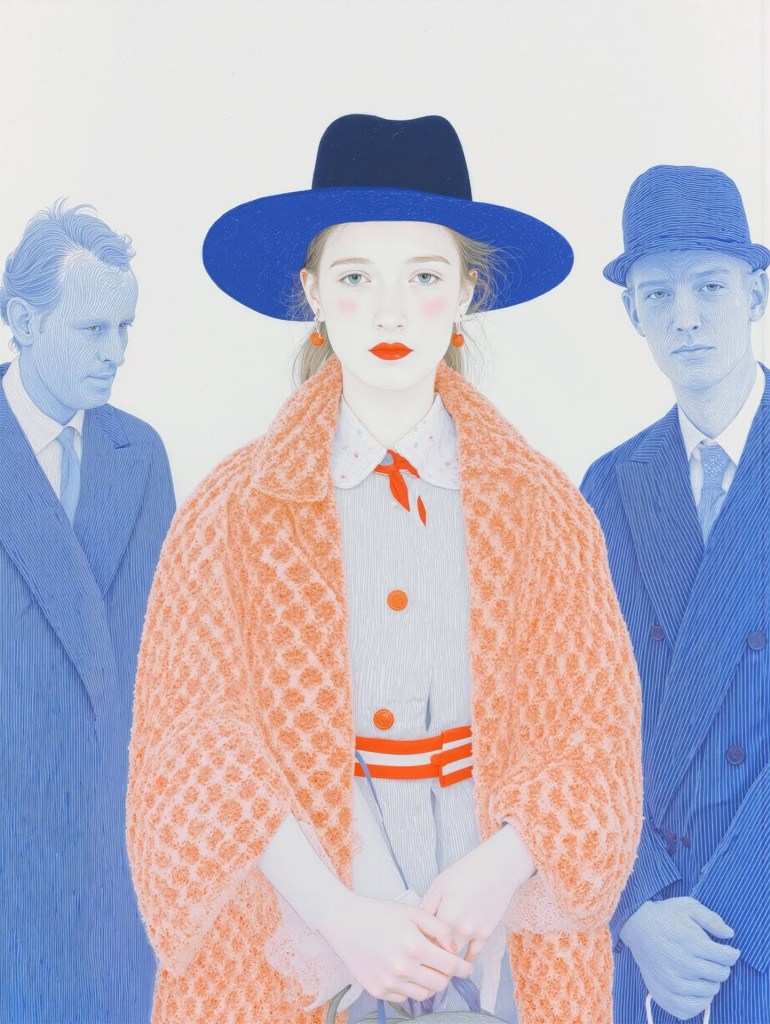
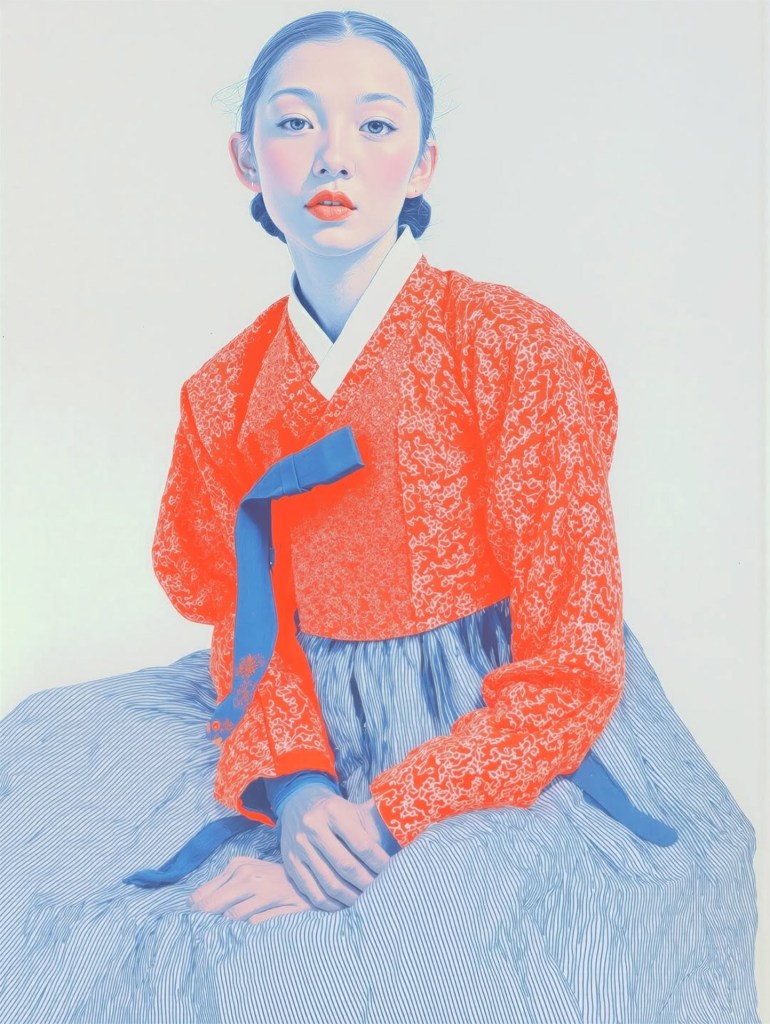
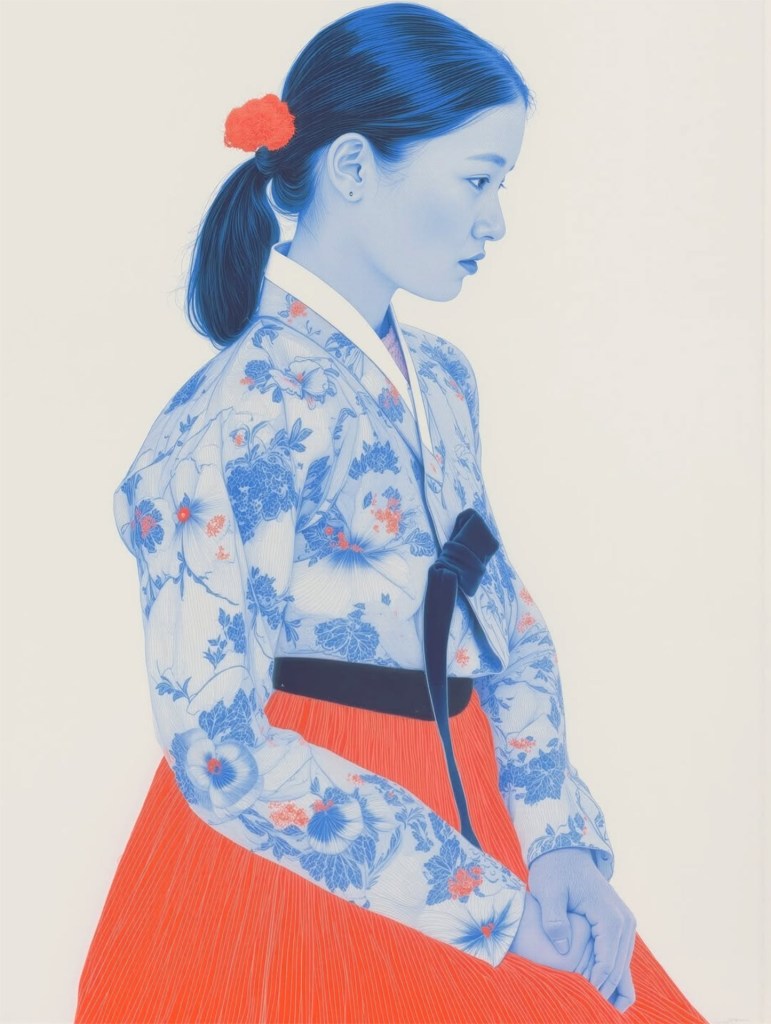
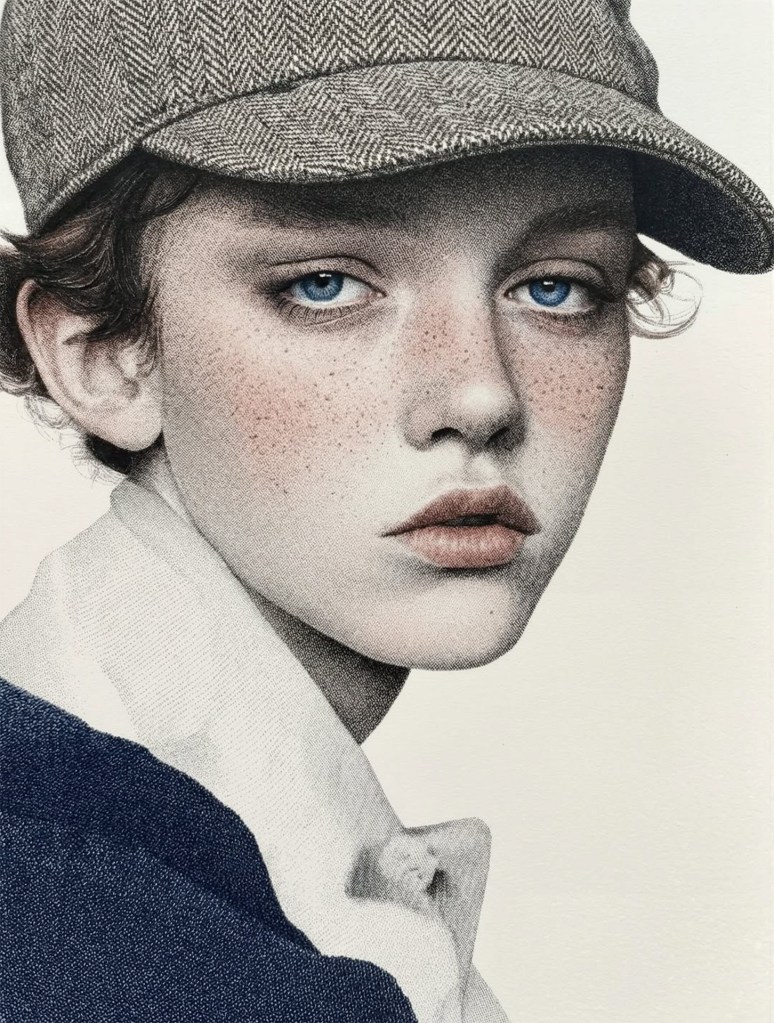
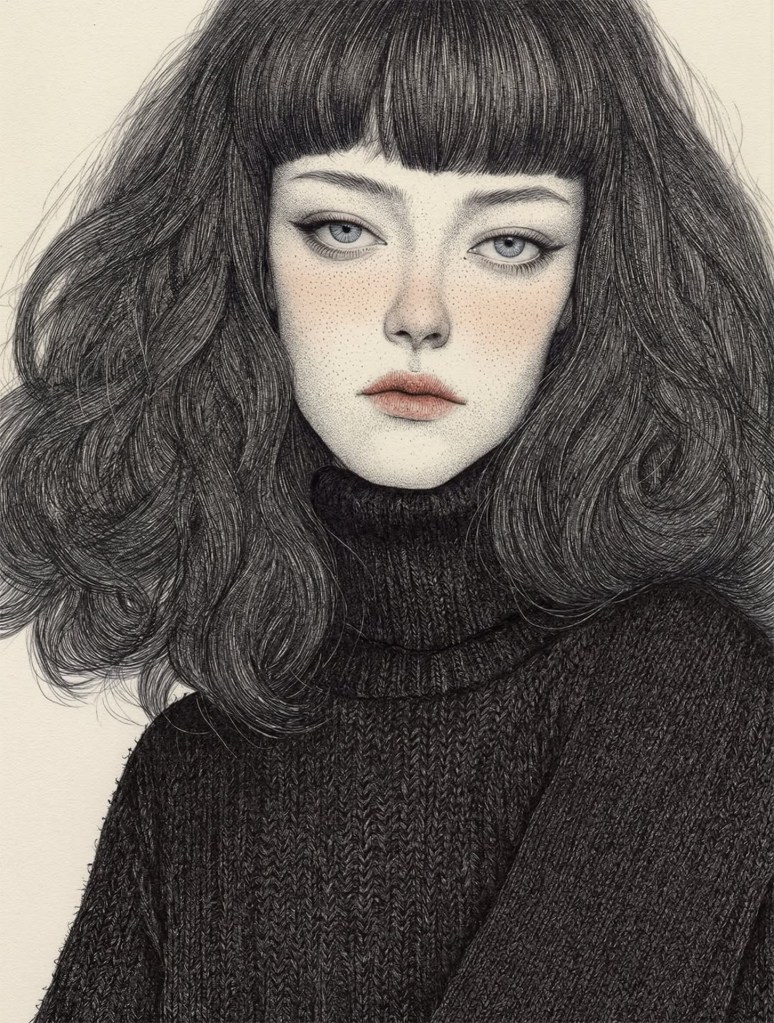
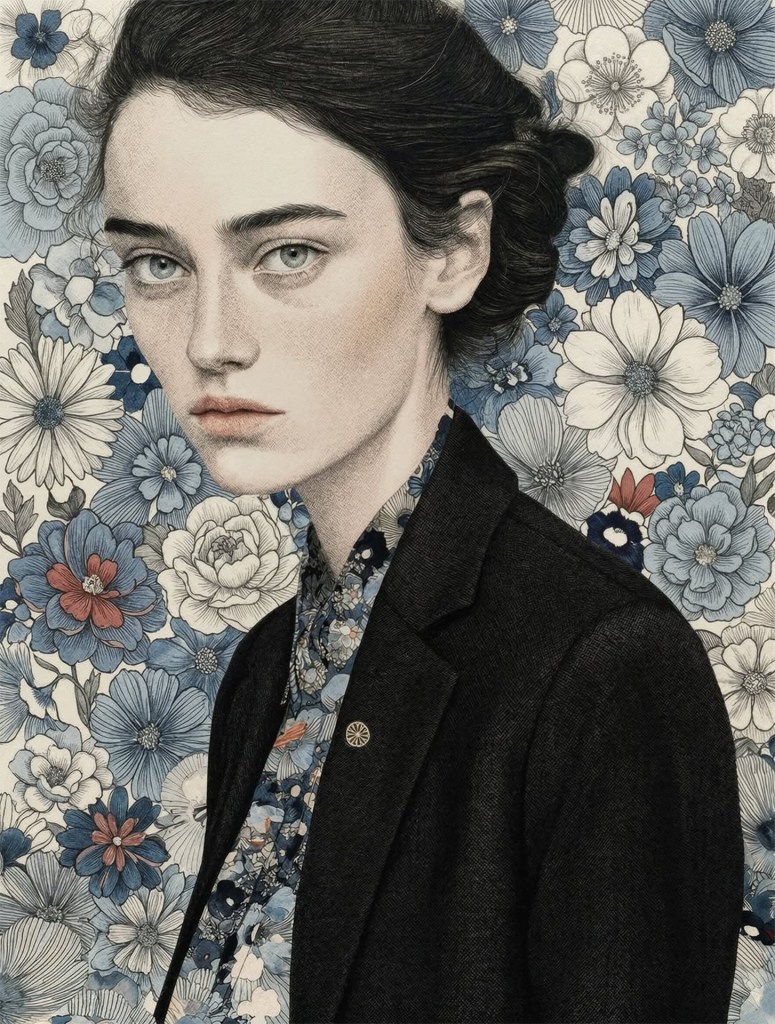
Images © loh3n 2026
 Partfaliaz
Leave a comment