CHAIPEAU is a German AI artist known for a refined approach to generative photography shaped by documentary aesthetics, cinematic atmosphere, and rigorous creative direction.
In this interview, he discusses how his background in design, digital products, and systems thinking informs his work in AI art today. Rather than relying on prompts alone, CHAIPEAU has built a structured creative framework designed to produce images with consistency, atmosphere, and authorship.
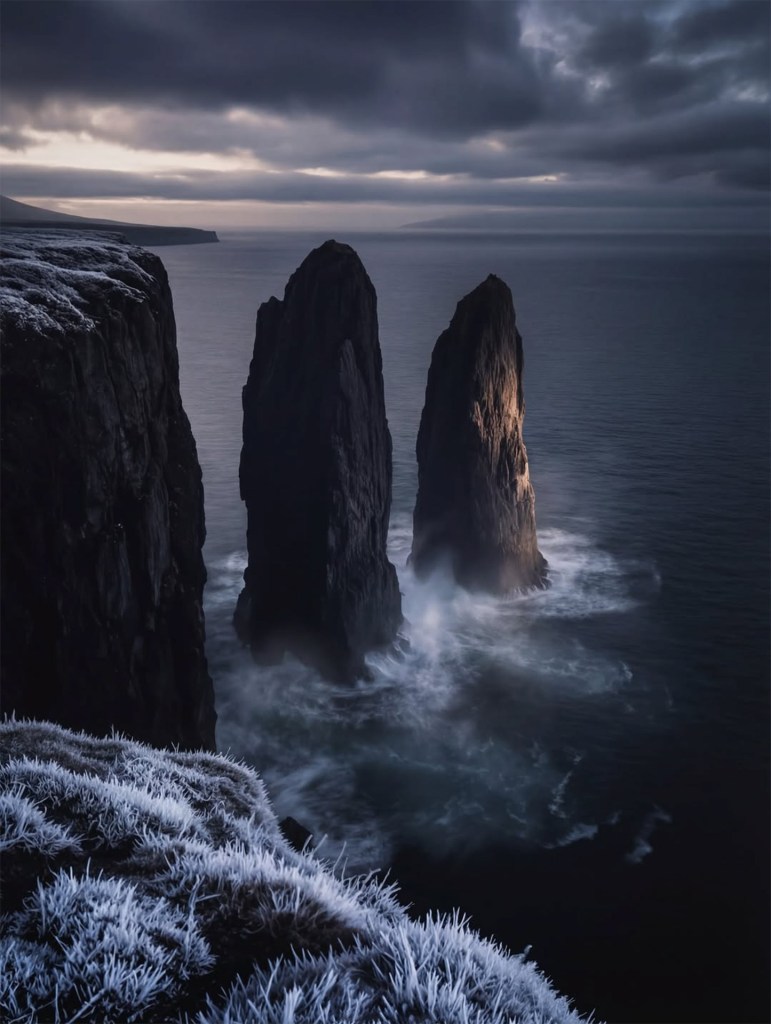
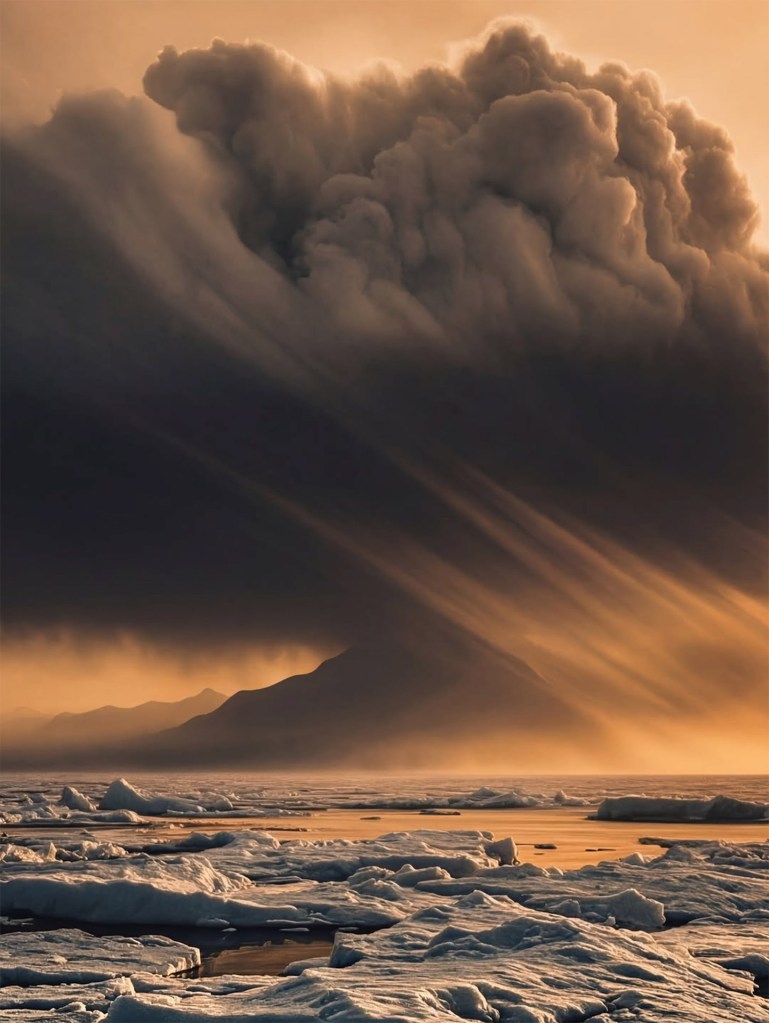
His practice connects generative AI, documentary photography, and visual storytelling in a way that feels both technically precise and artistically intentional. This conversation explores the foundations of that approach: his professional background, his visual language, and his belief that strong AI image-making begins long before generation itself.
Can you introduce yourself?
I go by CHAIPEAU — it’s both my artist name and the brand I’ve built around my professional AI work. I’m German, based in Munich. My career started over 20 years ago in user experience and interaction design — creating digital products, services, and business models. That evolved into building and running digital agencies, leading enterprise-scale transformations, and advising global brands across automotive, technology, and financial services.
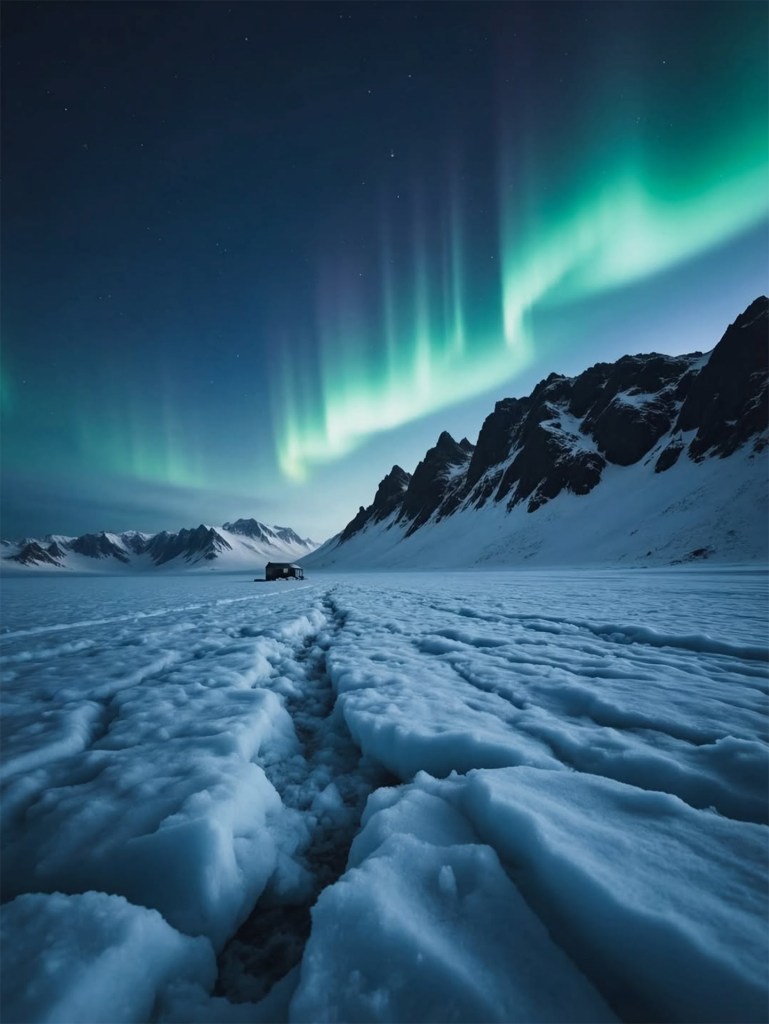
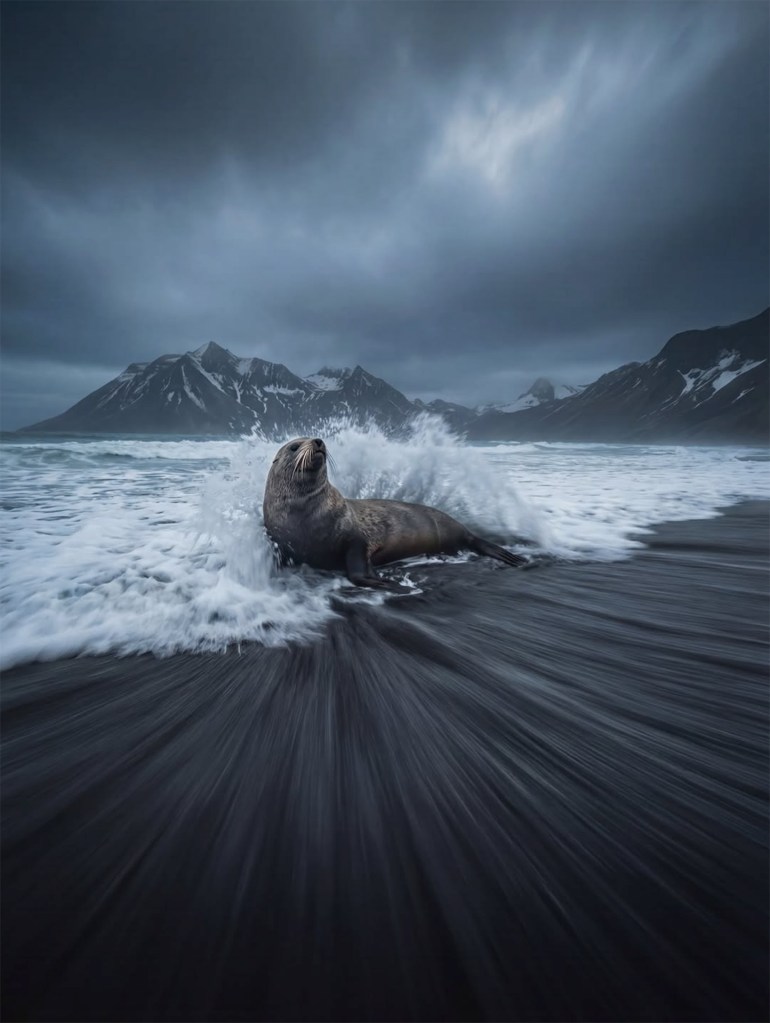
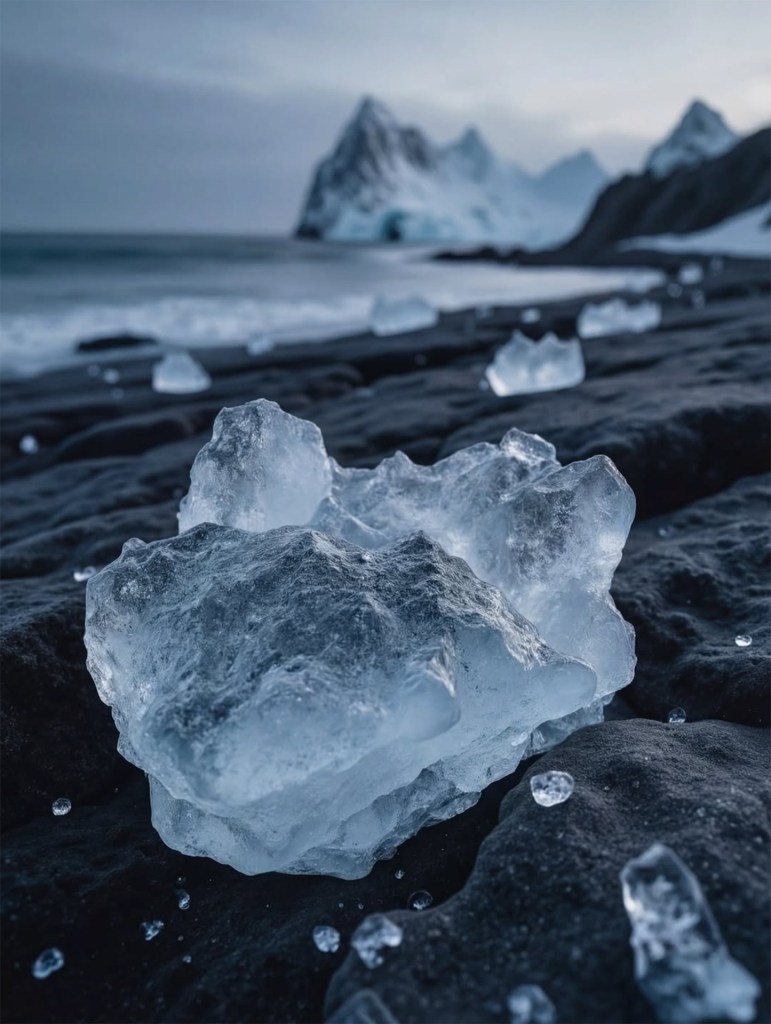
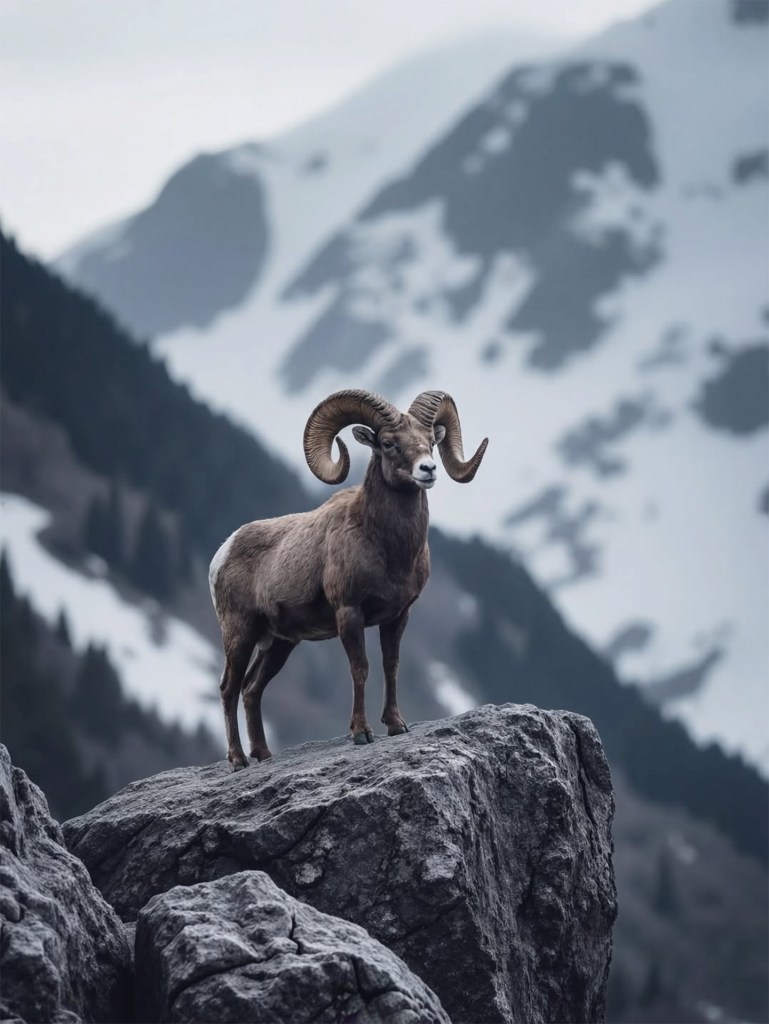
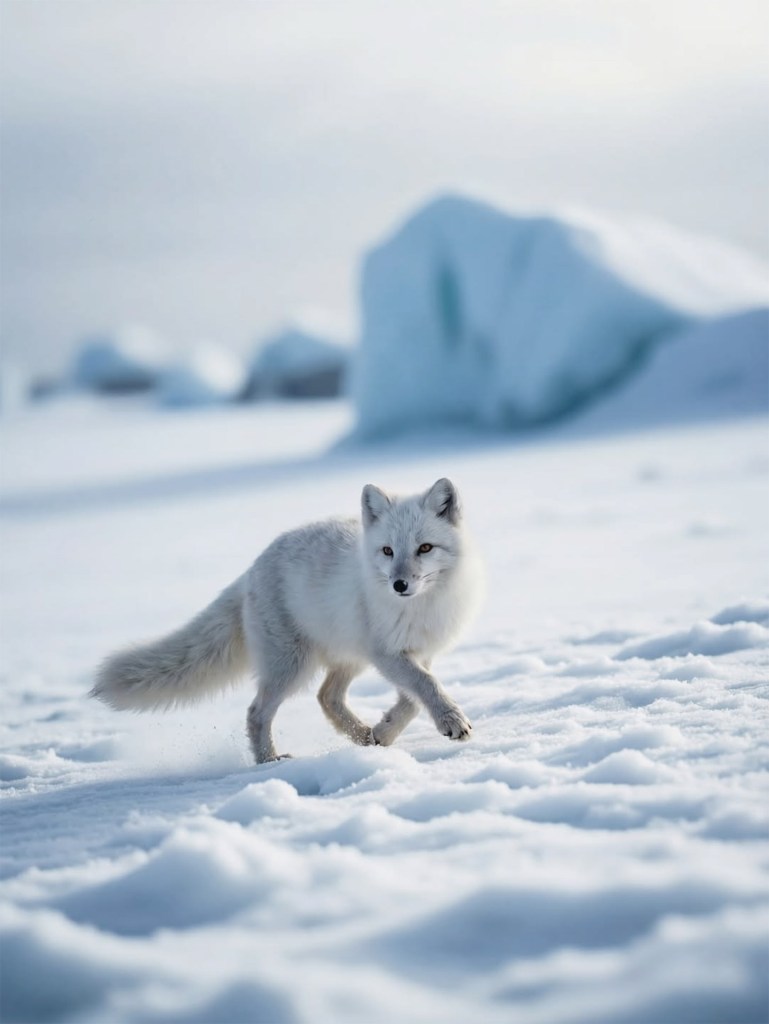
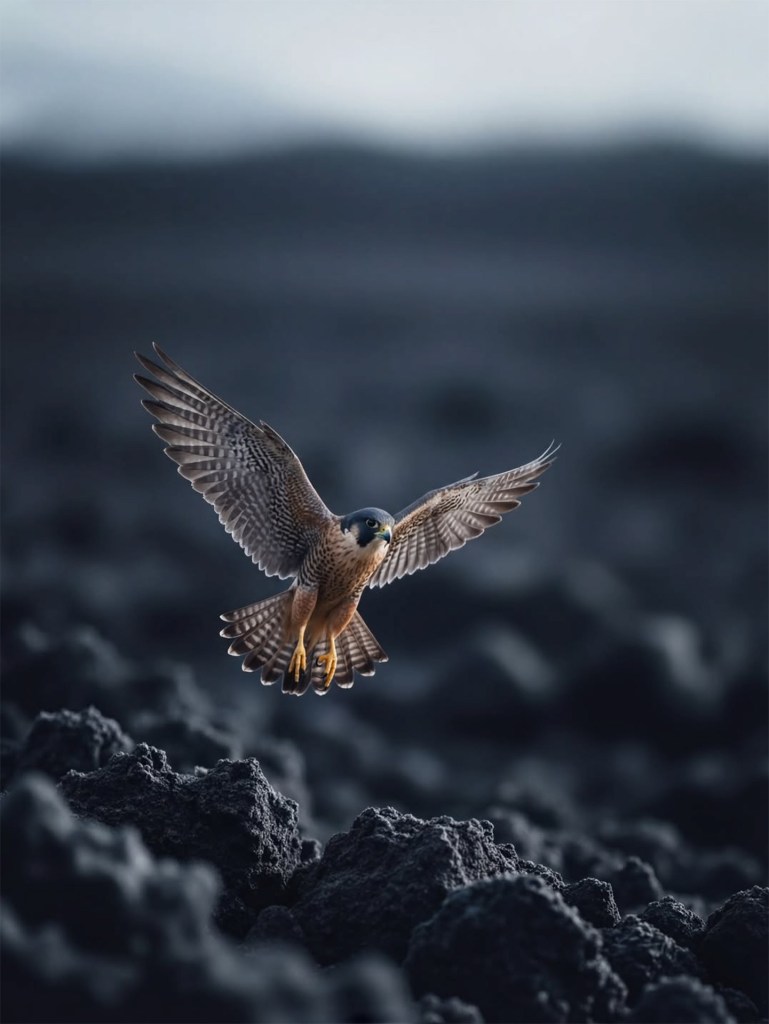
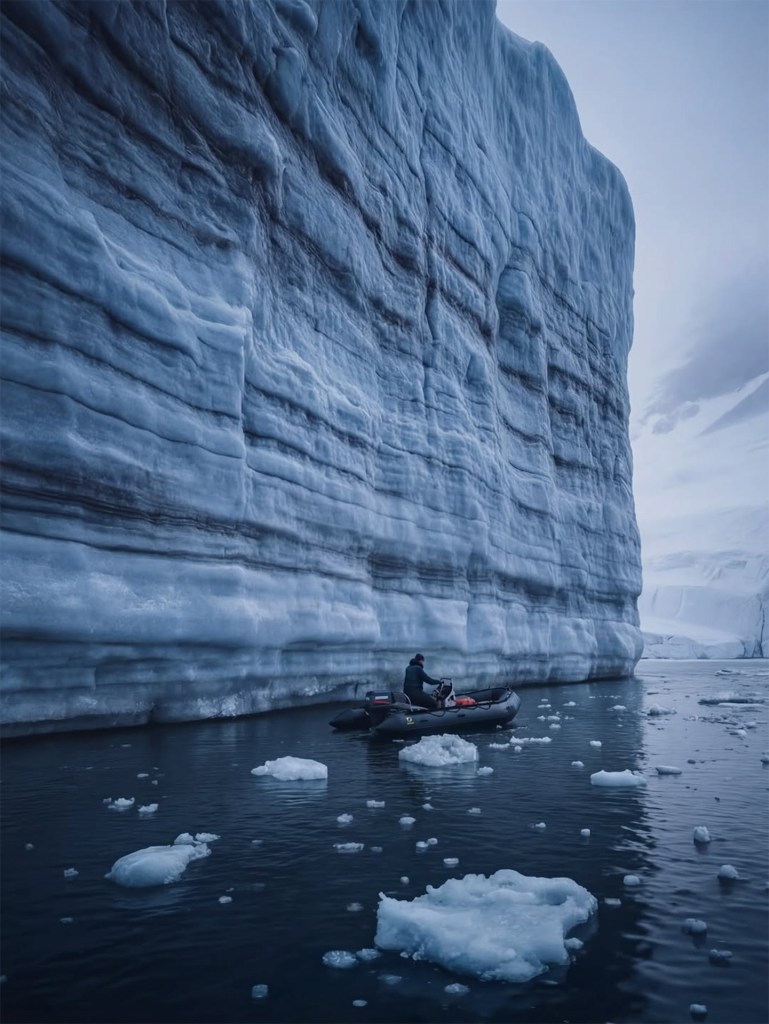
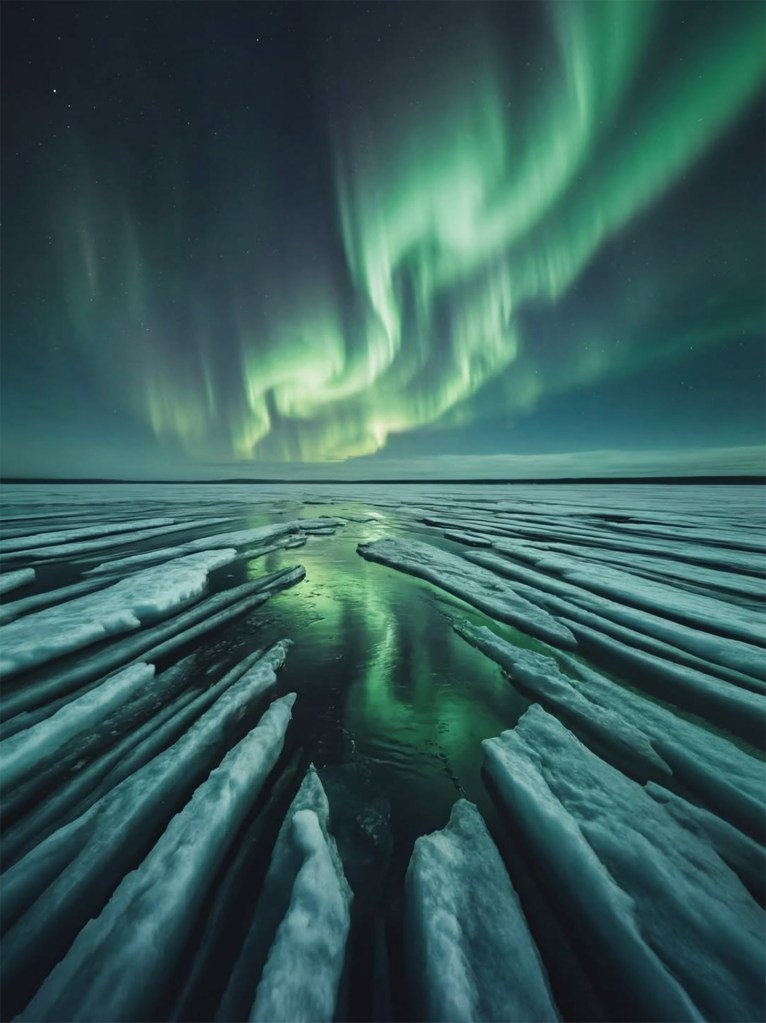
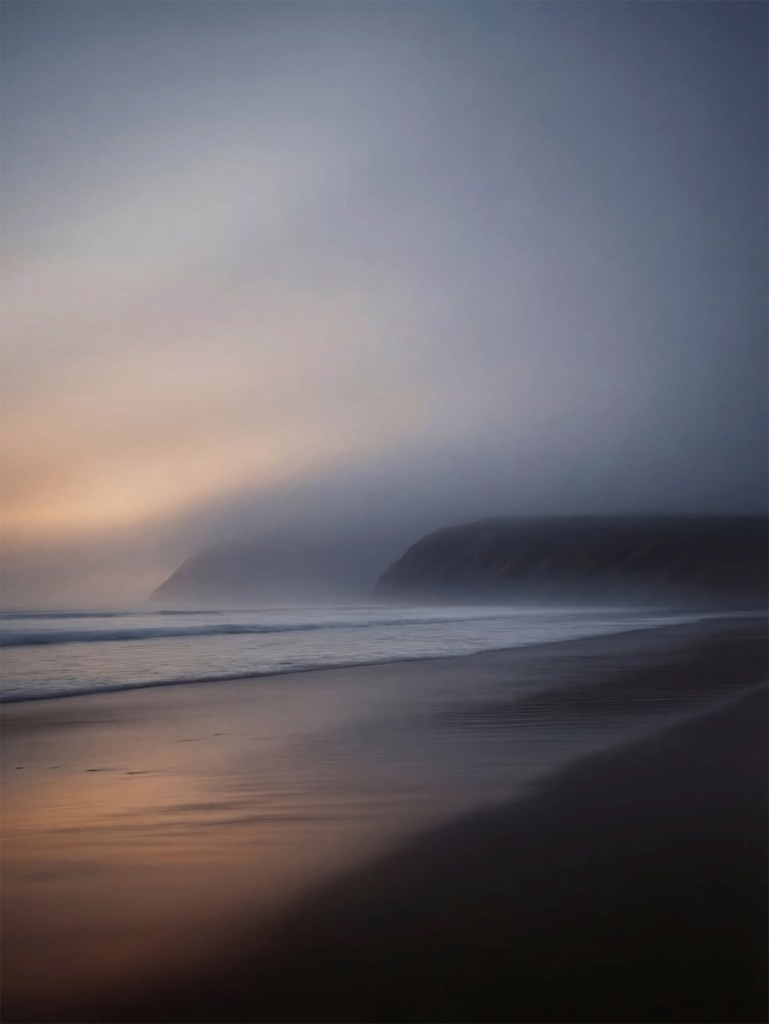
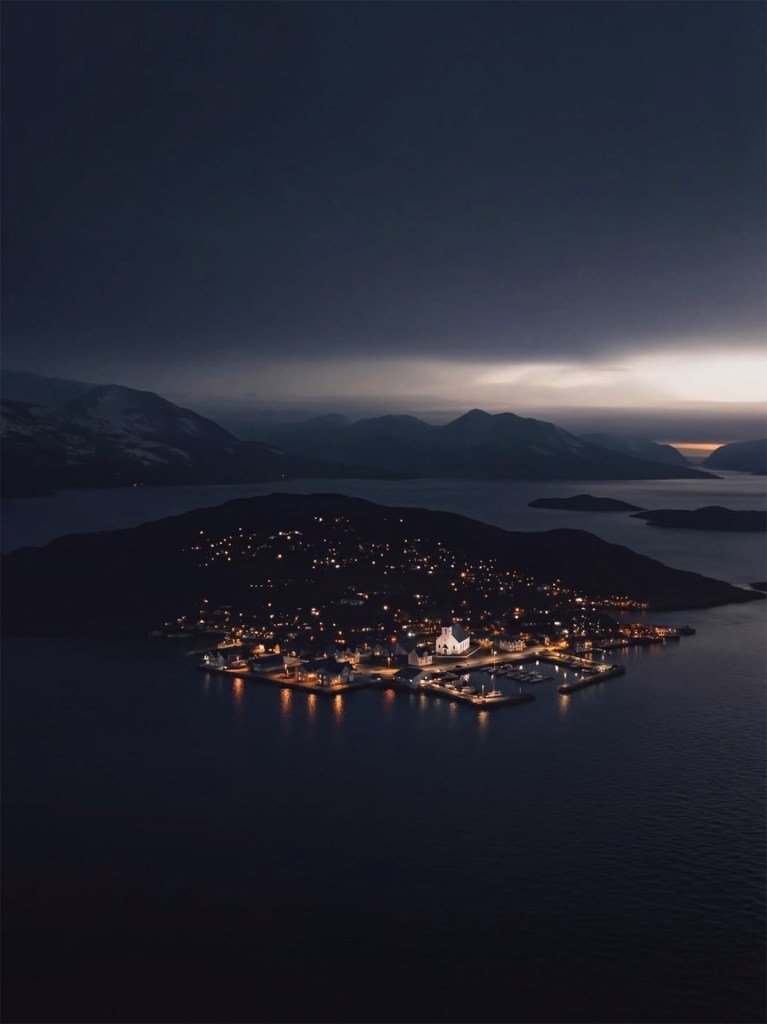
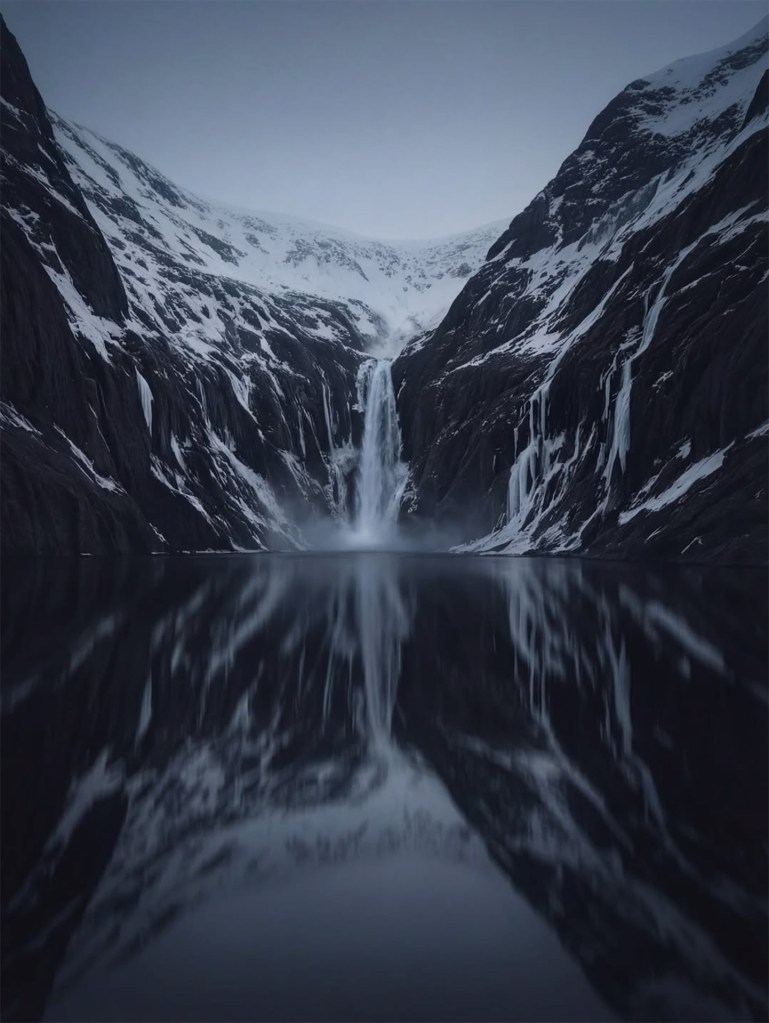
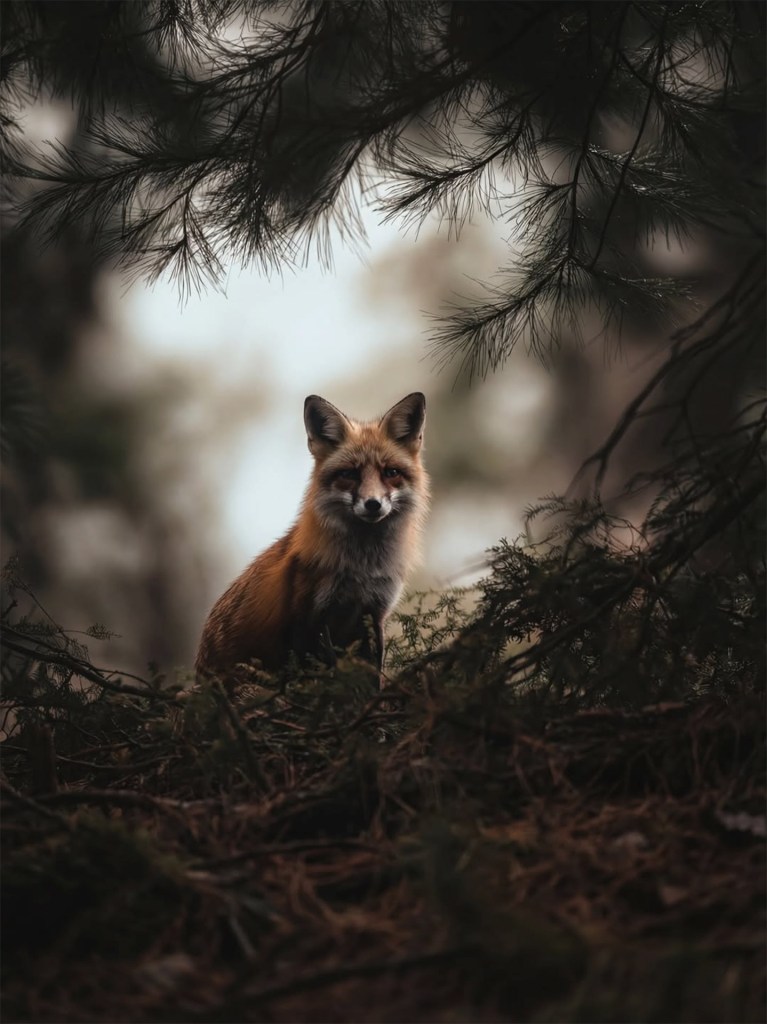
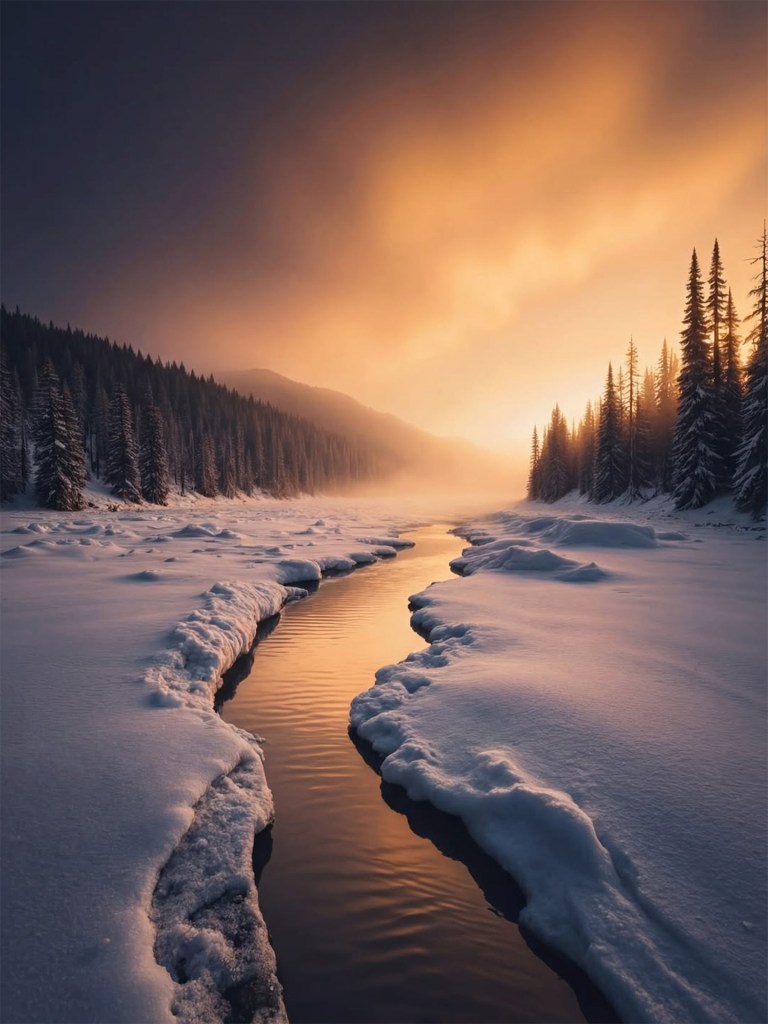
Today I split my time between two worlds. Professionally, I help organizations become what I call AI-native — building their own internal capabilities in strategy, marketing, and technology instead of depending on external agencies. And personally, CHAIPEAU is where all of that experience meets a deep need to create. It’s a generative AI documentary photography project — built on years of real photography experience — that blends cinematic storytelling with an engineering-grade AI production system. Think desaturated, atmospheric images with deep teals and warm ambers, film grain, natural light — every frame feels like it was shot on location with a medium format camera.
The work lives on Instagram and Pinterest for reach, engagement, and awareness — over 170,000 followers and more than 20 million impressions a year — largely because the production system behind it creates a visual consistency that people recognize before they even see the name. Selected works are available as museum-grade fine art prints produced with WhiteWall.
It’s the most honest creative work I’ve ever done.
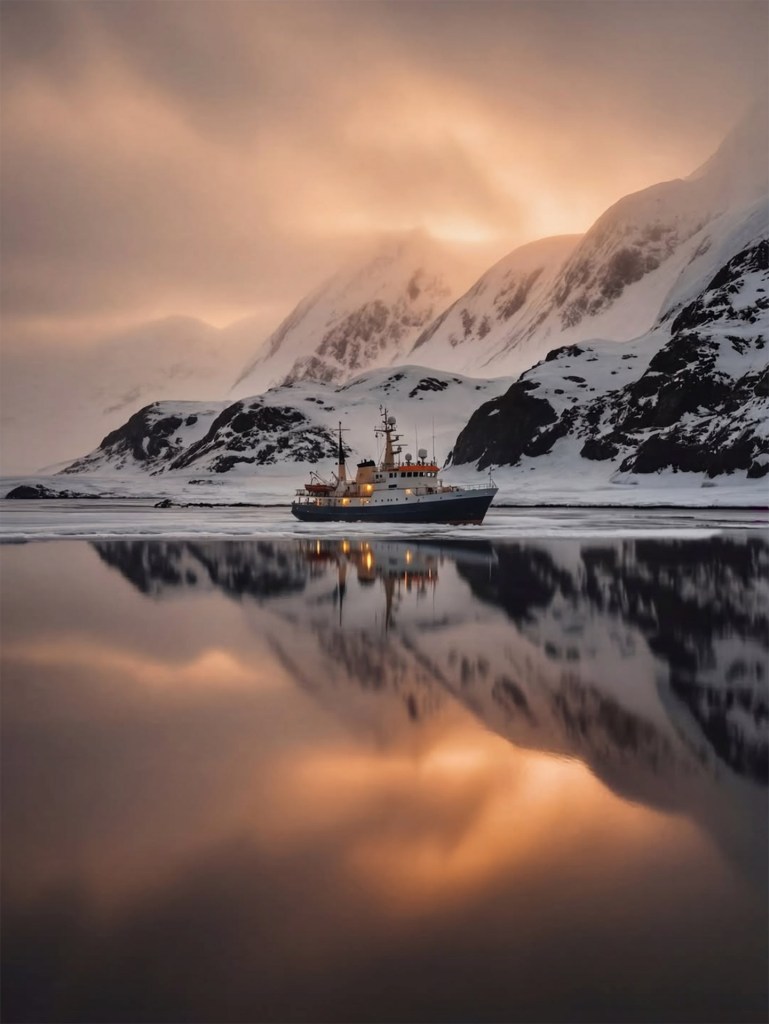
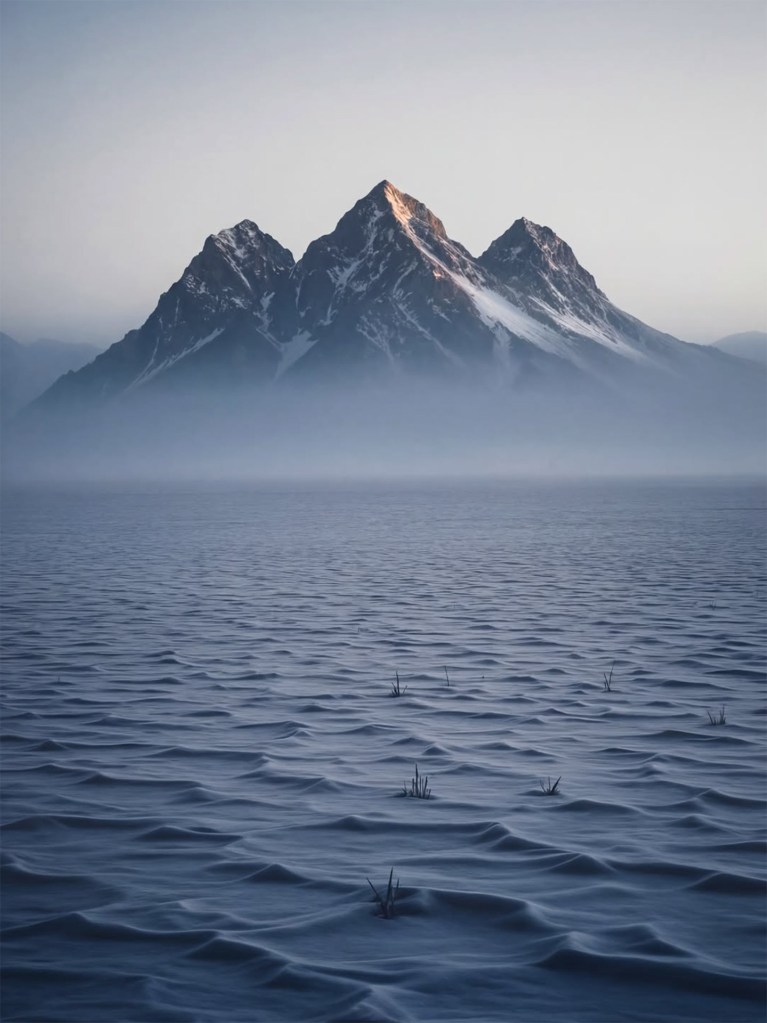
How long have you been using generative AI?
My first contact with generative AI goes back to 2018 — prototyping AI-driven visual generation before most people even had it on their radar. From there, it became a constant thread in my work. By 2022 it became the foundation of CHAIPEAU.
That professional side still runs — and it’s expanded into AI content production for leading fashion-, sports-, and other premium brands. I advise, design the production architectures, then transfer everything to client teams so they can run it themselves. What drives me is the same thing in every project: more doing, less talking. I believe in a culture of execution.
But CHAIPEAU is where the real depth lives. Over the past years I’ve engineered a complete virtual documentary production team, powered entirely by AI — with the same discipline you’d expect from a National Geographic field team planning an expedition. Nothing gets generated without thorough research and preparation first.
The system behind it is a proprietary production framework, now in its sixth major version. It covers everything from narrative architecture and color science to quality validation and diversity control. It’s version-controlled and changelog-driven, like software engineering — because that’s exactly what it is.
I’ve broken my own framework more times than I can count. Every production reveals something new — a rule that doesn’t hold, a constraint that was too loose, a visual pattern I hadn’t anticipated. Version 6 exists because versions 1 through 5 each taught me what I didn’t know yet. That cycle of building, breaking, and rebuilding is where the real creative growth happens.
So yes — I use generative AI professionally. But more than that, I’ve built an entire creative operating system around it. Everything I’ve learned feeds directly into my client work too — same methodology, same discipline. First, build the architecture, the rules, the quality systems. Then produce. The real hard work happens before a single image is ever generated. Most people skip that part. Shit in, shit out — that’s why most AI content looks the same.
What is your biggest source of inspiration currently?
Honestly? Solitude. The places where no one goes. The hours where no one works.
Long night walks are a big part of it — even just walking through the city at night resets my perspective. Movement clears the noise. Some of my best production ideas came not from the screen but from being outside, letting the subconscious do the work.
Music is a huge driver too — it sets the rhythm and emotional temperature before I even think about a scene. Right now I’m deep into French hip-hop — Fixpen Sill’s “Attial,” Alpha Wann’s “Pour Celle” — there’s a raw intensity and lyrical precision in that scene that translates directly into how I think about visual composition. There’s something about the right track at 2 AM that unlocks a visual clarity I can’t access during the day. The world gets quiet, and my focus becomes almost obsessive.
I’m also deeply inspired by the idea of being your own competition. Every new CHAIPEAU production has to make the previous one feel like a rough draft. I’m not interested in repeating what worked — I want to find where it falls apart and make it stronger. That restlessness is what keeps the work alive.
And then there are the places themselves. Each CHAIPEAU production is built around a specific location — Churchill in Canada, Namibia’s Skeleton Coast, Norway’s Lofoten Islands — and the research phase alone is deeply inspiring. Understanding the geology, the light conditions, the wildlife behavior, the human stories attached to a place — that research becomes the emotional fuel for every prompt in a production that needs to feel like one coherent expedition.
Which AI tools do you use the most?
My production system is built around three pillars, each handling a fundamentally different part of the creative process.
Weavy AI is the production backbone. It’s a powerful node-based AI platform and where the entire CHAIPEAU production comes to life. I’ve built sophisticated, multi-stage workflows within Weavy that handle the complete pipeline at production scale — integrating Flux 2 Dev as the core image generation engine alongside leading text, image, and video models, all enhanced by custom-trained LoRAs via fal.ai. Think of it as the equivalent of a full production house in traditional filmmaking, compressed into a single, highly automated node-based environment. Every phase, every prompt, every LoRA pass runs through Weavy.
Flux 2 Dev by Black Forest Labs is the image generation engine at the heart of those workflows. I chose it for its ability to handle complex, multi-layered prompts with photorealistic fidelity. I’ve trained custom LoRAs on it — built from over a thousand curated reference images — that encode the CHAIPEAU visual DNA: the desaturated color grading, the film grain, the atmospheric dampening, the specific way light interacts with landscape. The LoRA handles roughly 60-70% of the aesthetic automatically, which frees me to focus on storytelling rather than fighting the model.
Claude by Anthropic — specifically through its Cowork environment — has become my creative engine and strategic partner. Claude manages the entire CHAIPEAU framework ecosystem in real-time during production sessions — handling pre-production research, prompt generation, quality validation, and editorial sequencing. In practice, Claude functions as my creative director, research team, and quality assurance department — combined.
What ties it all together is the CHAIPEAU production framework — over 20 interconnected documents that I’ve engineered and iterated over the past years. Every production starts with rigorous pre-production research: a minimum of 15 web-verified sources per location, cataloging 30+ verified wildlife species, 20+ named locations, and specific light conditions based on latitude and month. From there, the framework takes over. A Single Source of Truth for all production constants. A Production Director that orchestrates the entire workflow. A 6-phase narrative architecture from Arrival to Departure. Diversity rules that have been through 88 iterations alone. A LoRA Registry with per-model compatibility matrices for each of our eight Colour Moods. Color Family Assignment Tables. A Positive Exclusions Baseline — a rulebook of what CHAIPEAU never does, formulated entirely as positive instructions. A 6-stage Validator Spec that every prompt passes through before it ever reaches image generation. Carousel Flow Harmony Rules that control color temperature transitions between slides — no Kelvin jump exceeding 2000K. A Golden Reference Prompt that serves as the binding quality benchmark. And a Framework Gap Audit that runs after every production to find what broke.
At the prompt level, I’ve designed a professional JSON prompt framework, iterated over multiple major versions. Each prompt opens with a prose hook — 15 to 30 words capturing the decisive emotional moment — followed by a structured JSON body that controls every production parameter. Scene, time of day, weather. Subject species, behavior, positioning. Camera body and lens down to f-stop and ISO. A three-color HEX palette drawn from eight custom Colour Moods. Lighting direction, quality, and Kelvin temperature. Composition rules including negative space percentages. Film grain, desaturated color grading. Nothing is left to chance. The final 20 images are then sequenced into a carousel with controlled color temperature transitions — creating a visual rhythm like a documentary film.
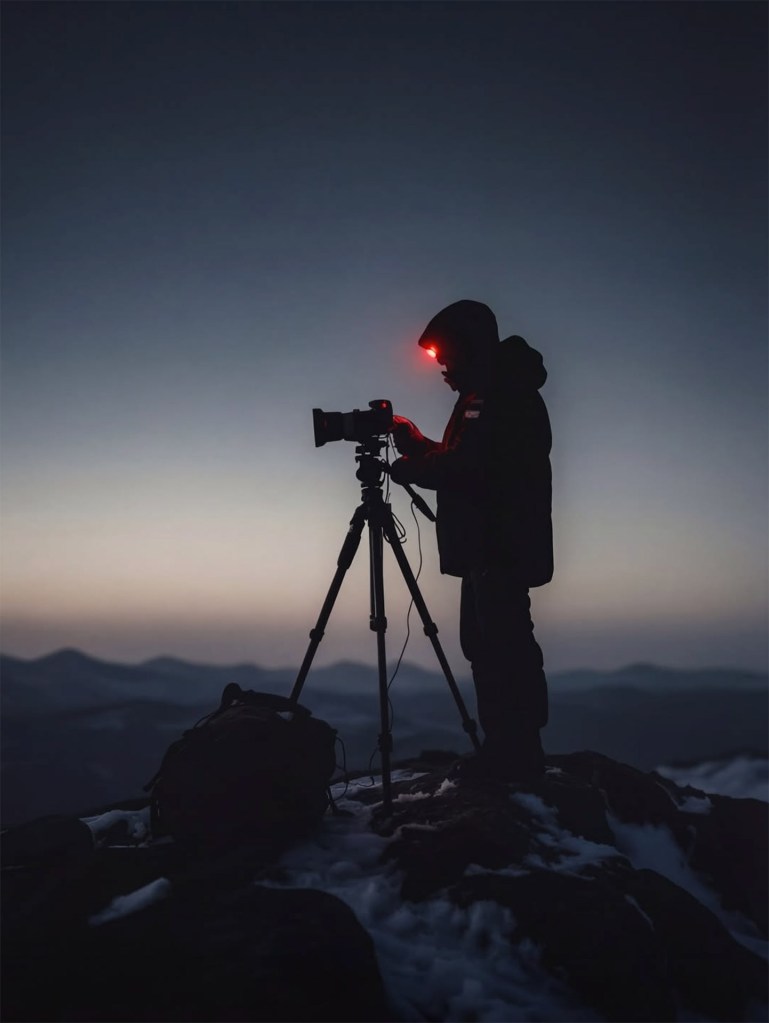
All of this is rooted in real photography experience. I’ve owned and shot with professional camera systems — Hasselblad X1D II, Nikon Z9 with pro-level Z-mount lenses — for architecture, wildlife, and landscape work. That understanding of optics, sensor behavior, and color science is what made it possible to engineer a system that emulates the behavior of actual camera systems with intention and precision.
I wanted an engineering-grade production system where every aesthetic decision is deliberate, documented, and reproducible. Not a workflow where I type a sentence and hope for the best.
Any advice for those who want to get started with AI art?
Start by forgetting the tool. Seriously.
The biggest misconception about AI art is that the magic lives in the software. It doesn’t. The magic lives in what you bring to it — your taste, your obsessions, your structural and conceptual strengths, how fast you learn, and your willingness to go deeper than everyone else. You also need toughness. Fail and restart. Fail and restart. The accountability to fix whatever is broken, no matter what it takes. The focus to stay with a problem until it’s solved. The willingness to outwork it when nothing else helps. The AI is just an instrument — and like any instrument, the output reflects the person playing it.
My concrete advice: First, know what you want to do. There’s a massive difference between creating images with a prompt and building a professional production system — whether that’s for social media assets, fashion campaigns, or complete documentaries about a topic. Think in real-world terms: how is a production planned in the real world, and how can you transfer that entire process into the AI world? That shift in thinking changes everything.
Second, study the craft you’re emulating. I spent years studying documentary photography, color science, composition theory, and cinematic storytelling — and I still love going out and shooting with my own systems. But I don’t use Lightroom or Photoshop for post-processing anymore. I’ve built my own AI system that handles editing on another level — it’s like having a custom LUT or Lightroom preset baked directly into the camera itself.
Third, build systems, not just images. The most important thing I ever did for CHAIPEAU was to stop creating individual pictures and start building a production framework. When you systematize your creative process, you move from being someone who uses AI to someone who creates with AI. There’s a massive difference.
And finally: be your own harshest critic. Delete more than you keep. Iterate relentlessly. The CHAIPEAU framework I use today looks nothing like the one I started with — six major versions, hundreds of micro-adjustments, thousands of discarded outputs. That discipline is what turns AI art from a novelty into a serious creative practice.
The barrier to entry in AI art is low. The barrier to excellence is exactly as high as it’s always been. If you’re serious about going deeper, I also offer expert sessions on intro.co — happy to help.
Online portfolio: CHAIPEAU
Instagram: @chaipeau
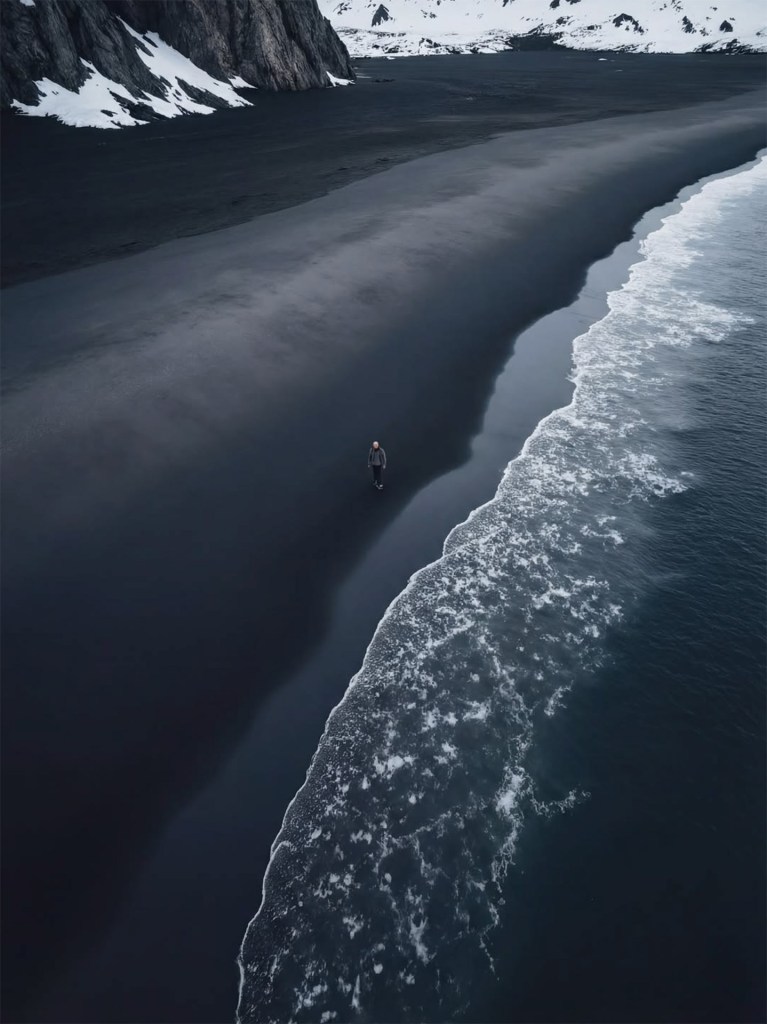
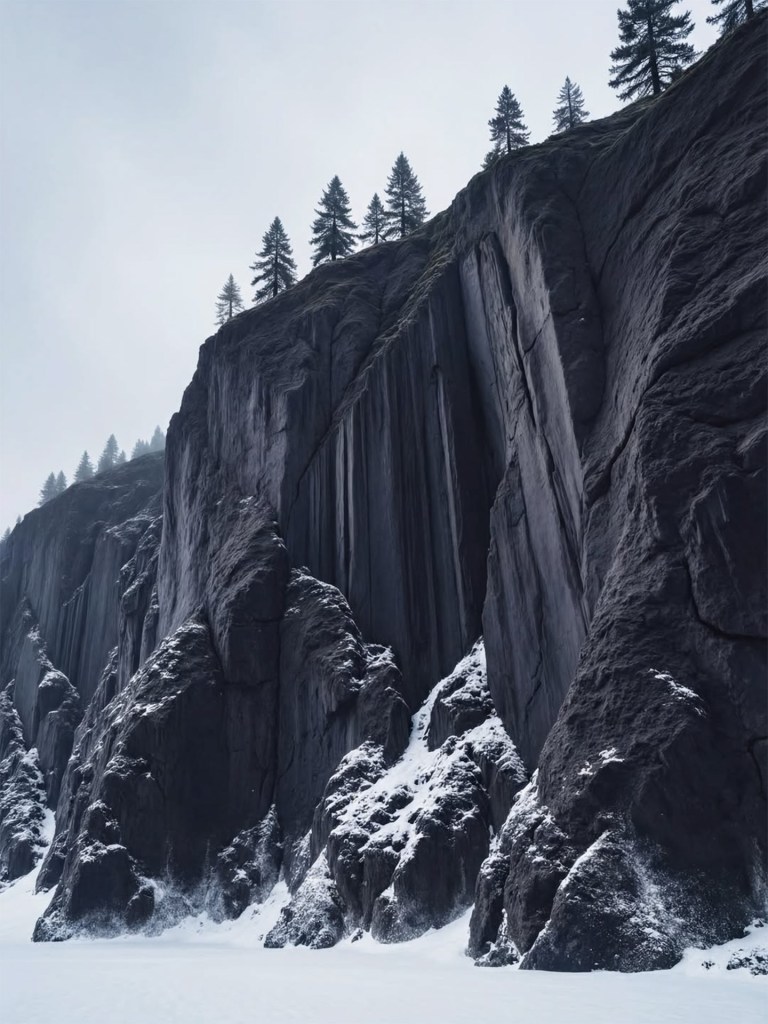
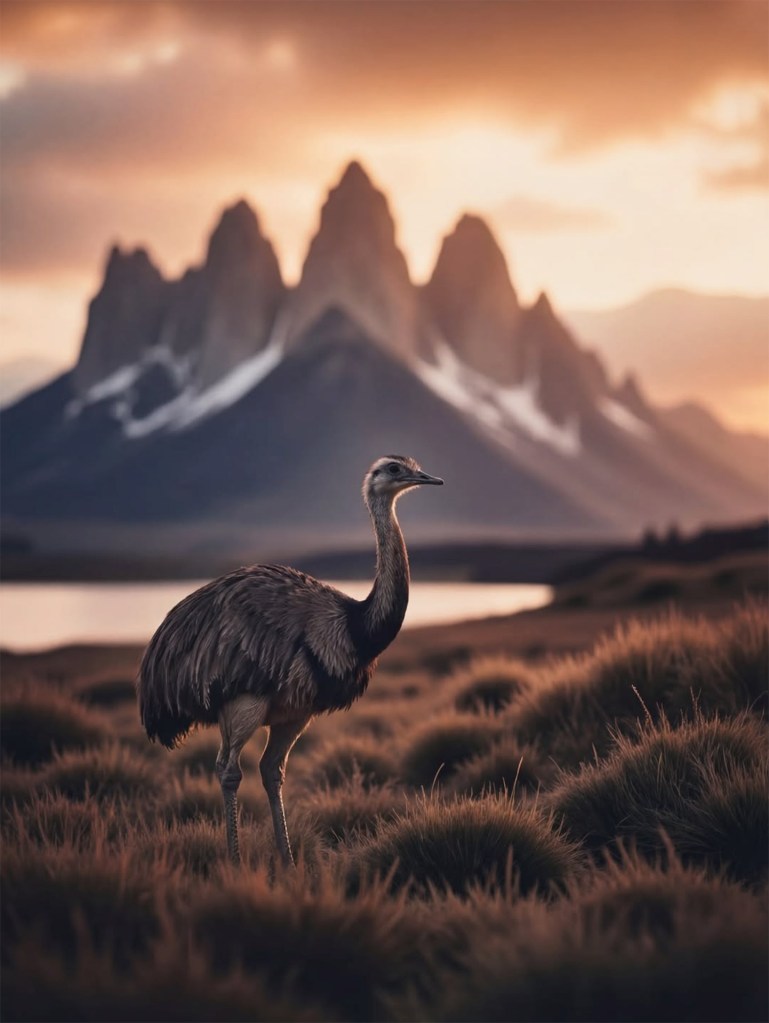
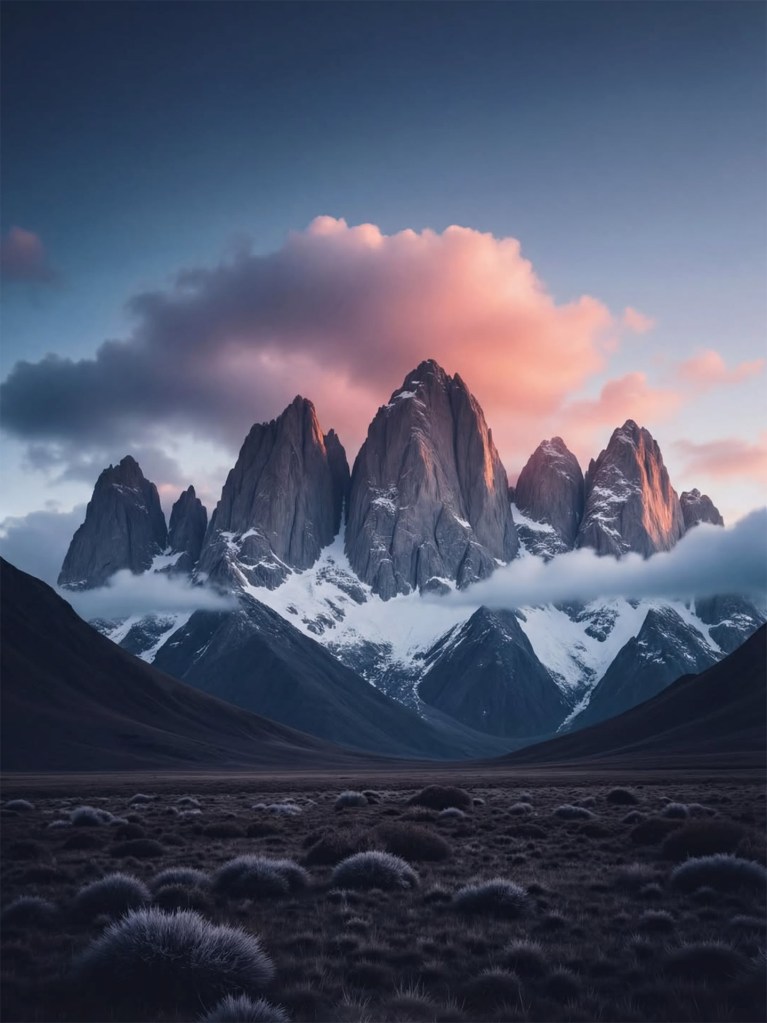
Images © CHAIPEAU 2026
 Partfaliaz
Leave a comment