At a time when AI-generated imagery often leans toward spectacle or technical demonstration, few artists manage to balance technology and emotion with the precision of Carole Tagliaferri. Through her projects on tagliaferri.art and tagli.ai, she has developed a distinctive visual language, one that feels less generated than remembered.
Tagliaferri’s work exists at the intersection of poetic AI imagery, cinematic photography, and visual storytelling. Her compositions, often in black and white or muted tones, explore softness, blur, contrast, and fragmentation. Rather than presenting the body, she suggests it: silhouettes, gestures, and partial forms become narrative devices. The result is an atmosphere that feels both intimate and distant, suspended somewhere between dream and memory.
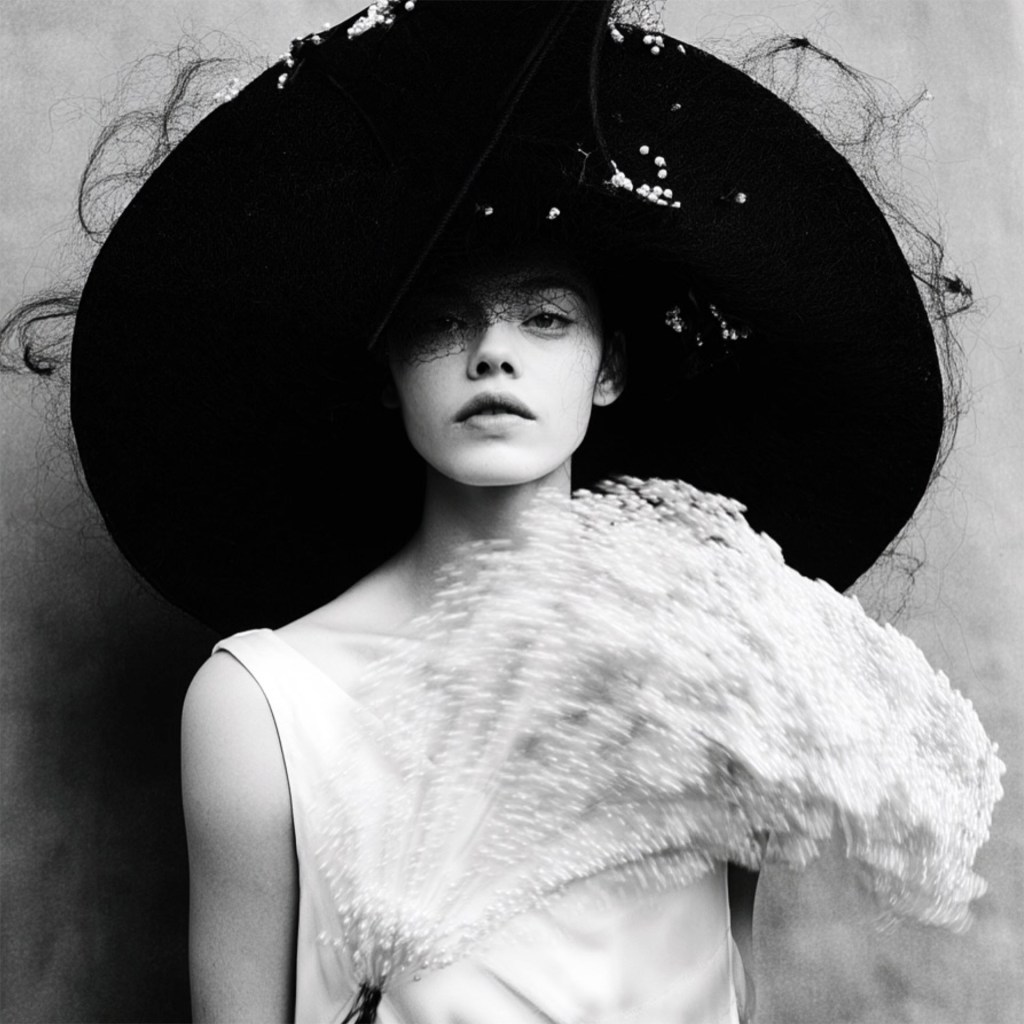
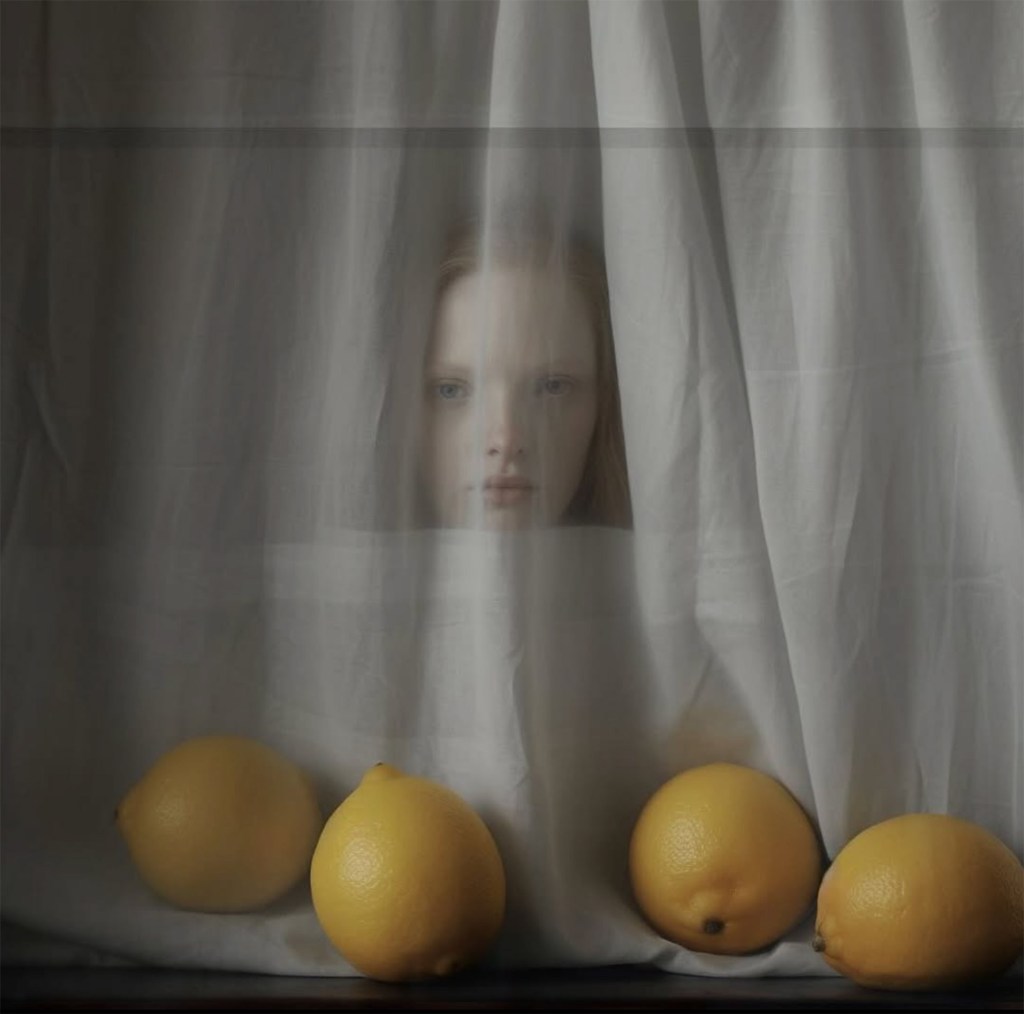
What makes her practice particularly compelling in today’s AI art landscape is her refusal to reduce the medium to technical performance. Instead, she uses artificial intelligence as a tool for emotional resonance, crafting images that evoke contemplation, nostalgia, and subtle tension. There is a quiet sophistication in her approach, reminiscent of editorial photography yet infused with something more elusive, an irrational, almost metaphysical dimension.
In this interview for Parfaliaz.com, we explore her artistic process, her relationship with AI as a medium, and how she constructs these suspended narratives that linger long after the image disappears.
Here are her bio.site and Instagram
Can you introduce yourself?
I’m a freelance art director and graphic designer, French, based in Provence. I work on branding and web design during the day, and at night — or whenever I can — I create female portraits using AI under the name Tagliaferri.art. Two practices, but in truth a single obsession: making emotion visible.
How long have you been using generative AI?
Since 2022. I first approached it as an artist, to explore, to question, and also to explain a tool that, at the time, was still largely undefined. I exhibited, I sold, I experimented without really knowing where it would lead. Then, gradually, something shifted. I understood that AI wasn’t just a way to produce images, but a way to construct visual worlds, to support a brand’s narrative with the same depth and precision as more traditional tools. Today, both practices coexist naturally. The artistic work feeds the professional one, and the professional framework, in return, gives structure and discipline to the artistic exploration.
What is your biggest source of inspiration right now?
Photography, in all its forms, remains my primary language. But literature has always been just as essential to me — Bobin, Gary, Zweig, Kundera. They all share this ability to express something deeply essential with clarity and restraint, without ever losing emotional intensity. That is exactly what I’m searching for when I create an image: something distilled, but never empty, something precise, but still alive. When I write a prompt, I don’t begin with the image itself. I begin with a sentence, or sometimes just a tone, and the image emerges from that.
Which AI tools do you use?
I mainly use Midjourney, not for its speed but for the quality of its rendering, especially when it comes to female portraiture, and for the way it responds to more nuanced, almost literary intentions in prompts. I’m not interested in producing quickly. What matters to me is the process, the friction even. I go through hundreds of iterations to arrive at something that feels exact — a gaze, a tension, a presence that holds. If the tool becomes too easy, it also becomes less interesting. I need it to resist, at least a little, for the work to exist.
Any piece of advice for those who want to start with AI art?
I would say: stop looking for the perfect prompt. It doesn’t exist, and more importantly, it misses the point. A prompt is not a shortcut to a beautiful image; it’s a way of amplifying what you already carry. If there is nothing behind it, the tool will simply generate emptiness at scale. So the real question comes before the prompt: what are you trying to bring into existence, what kind of emotion are you trying to make appear? Once that is clear, the words — and the images — will follow.
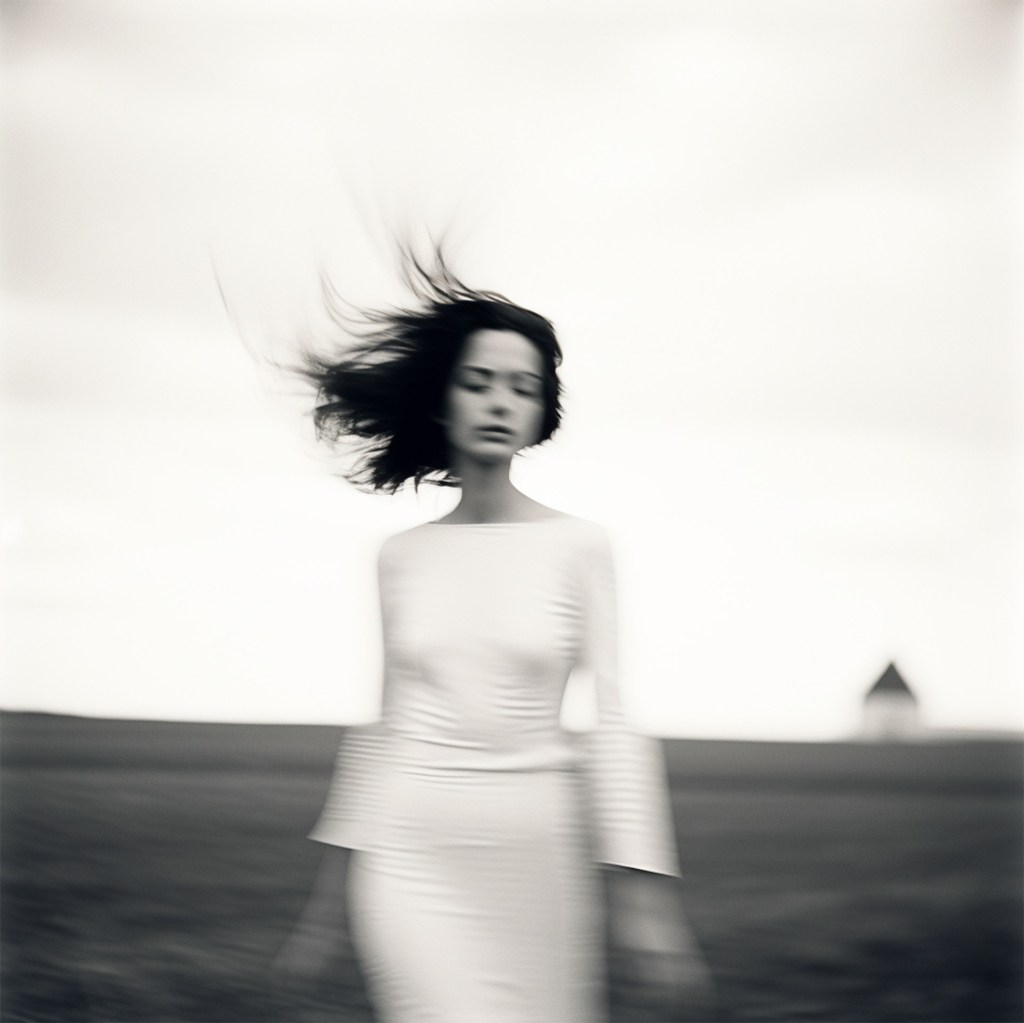
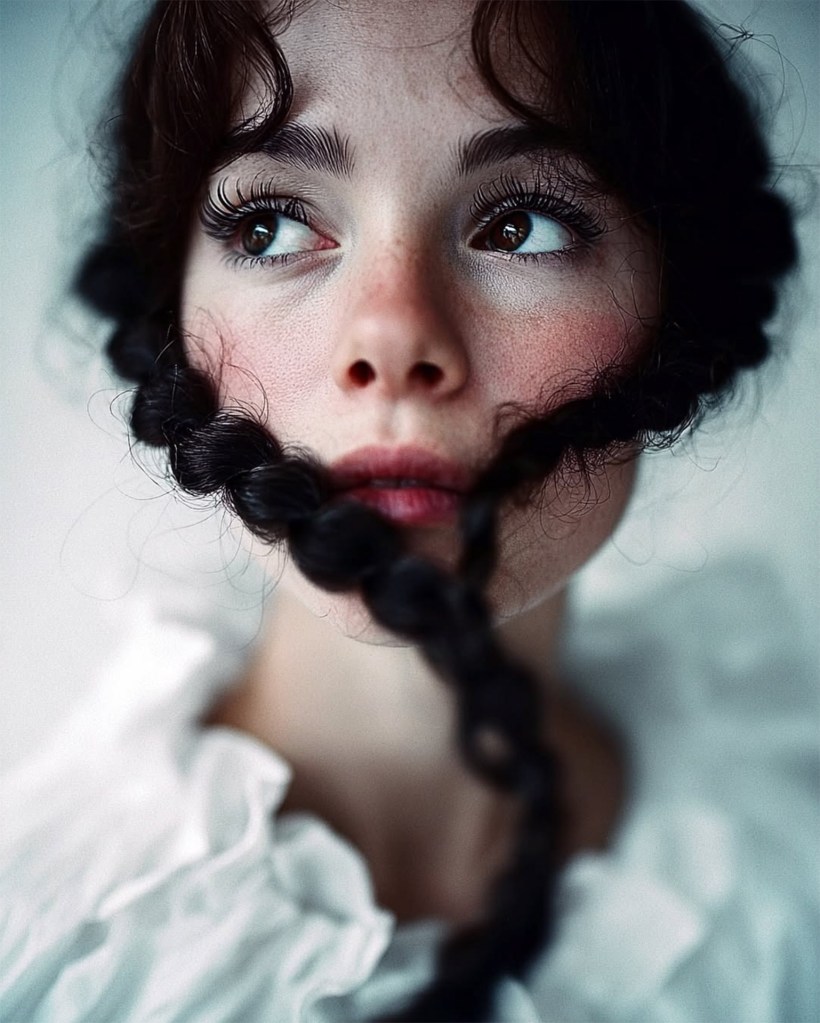
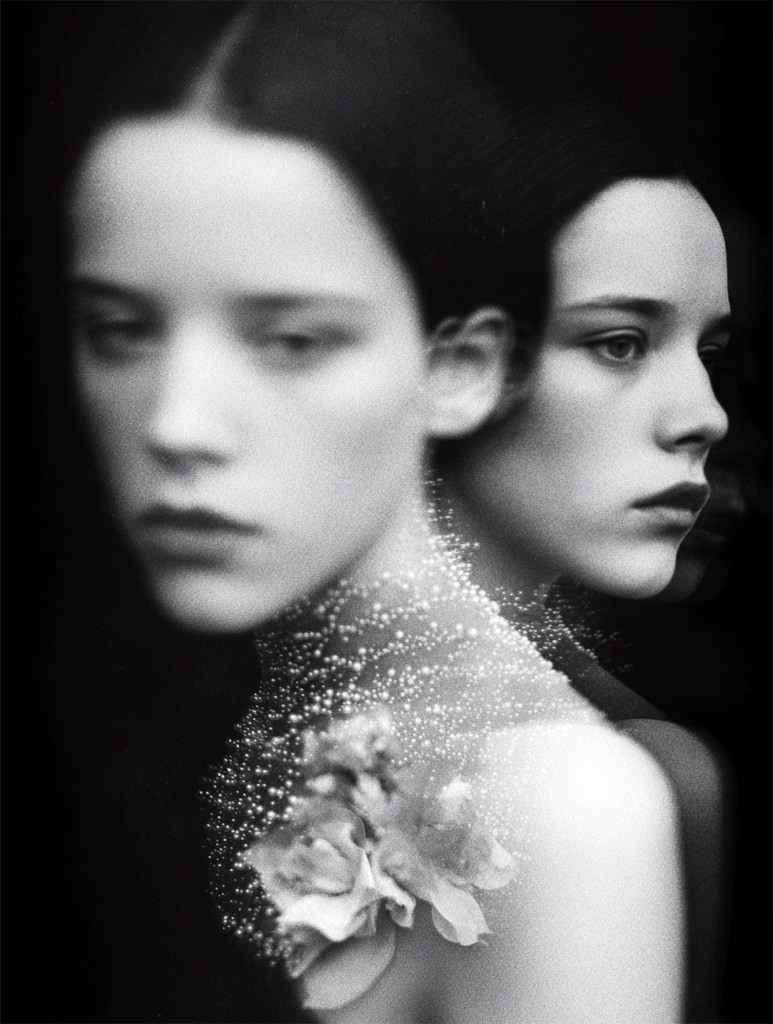
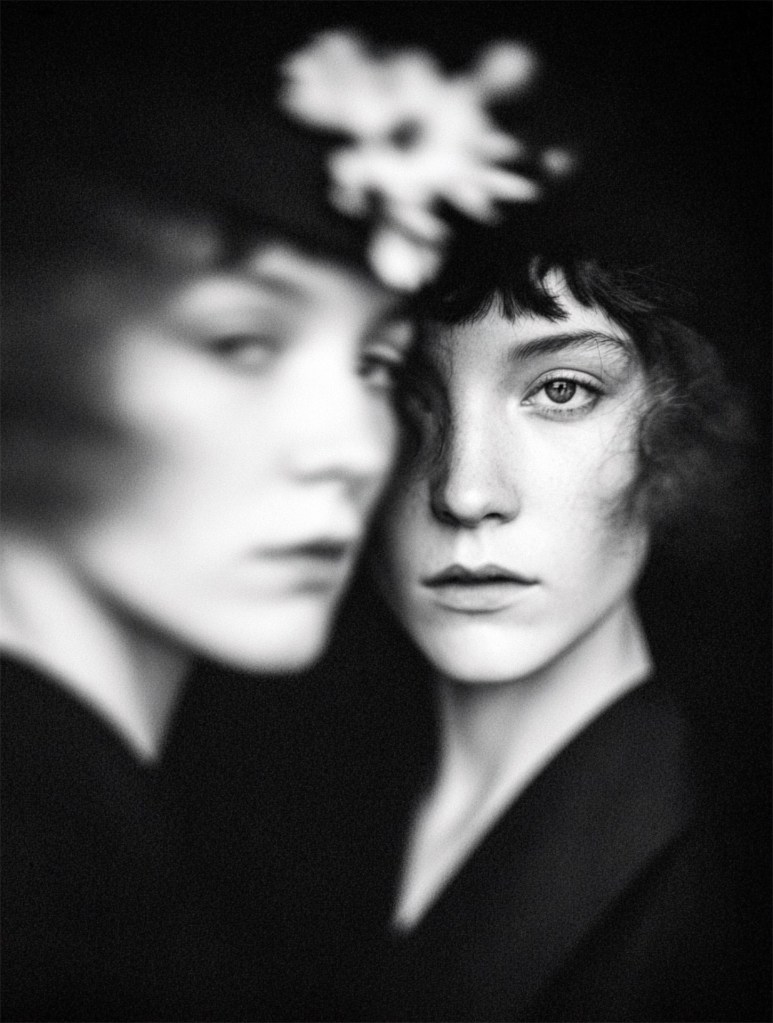
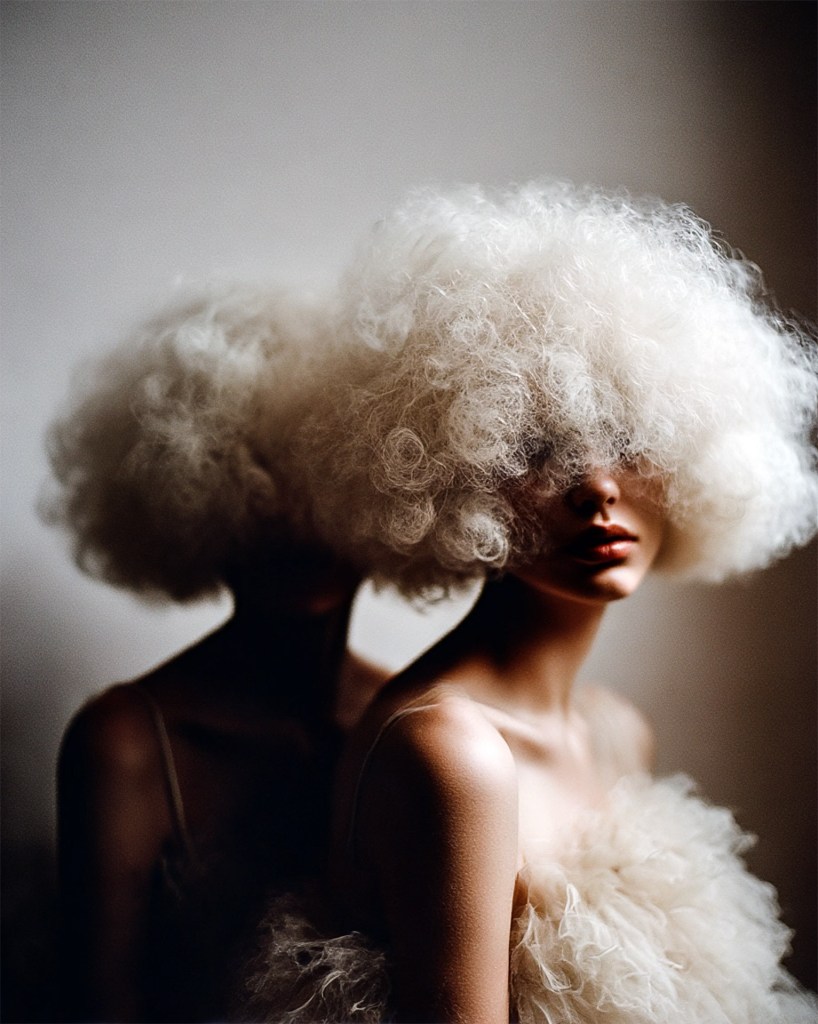
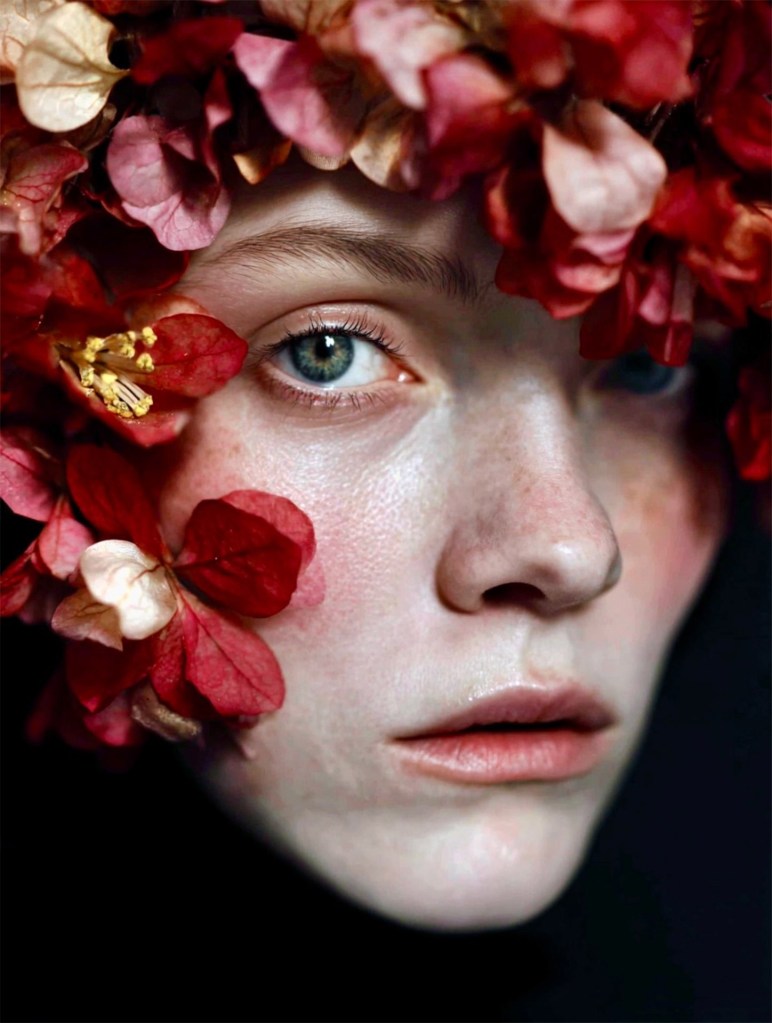
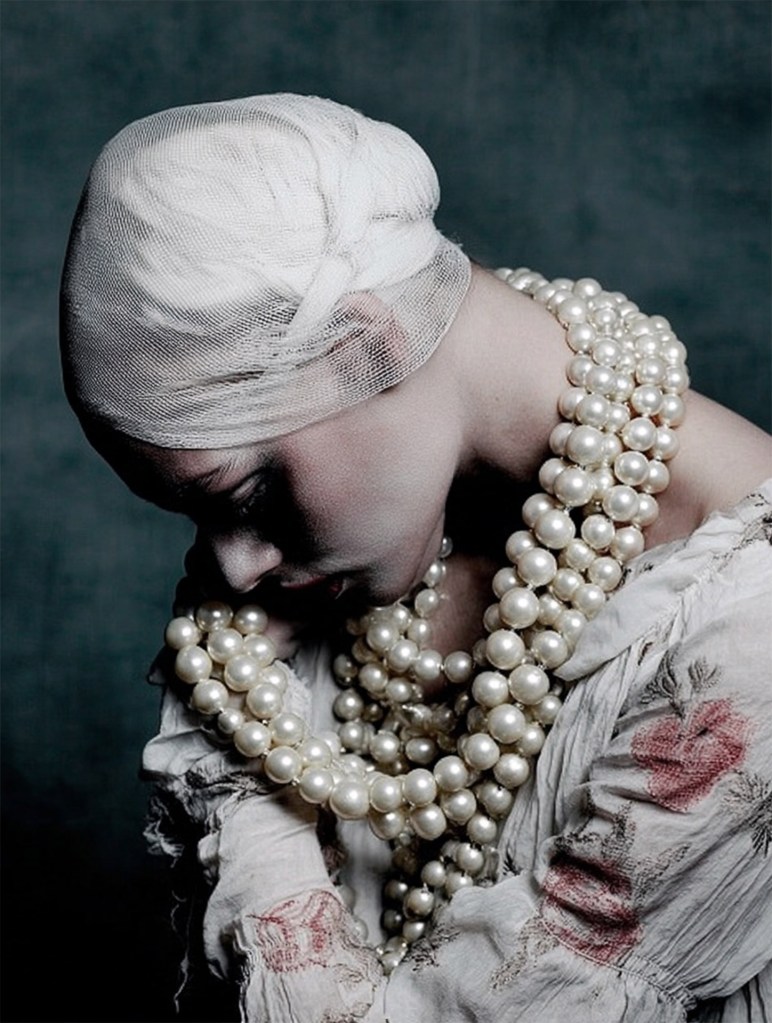
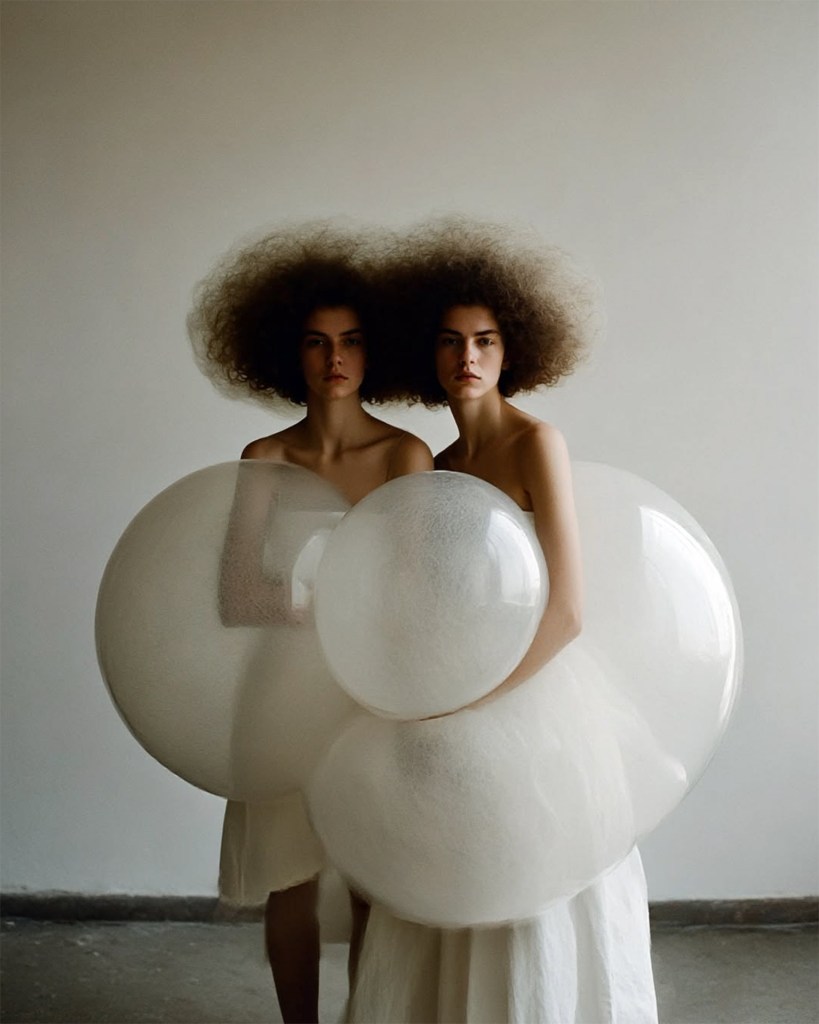
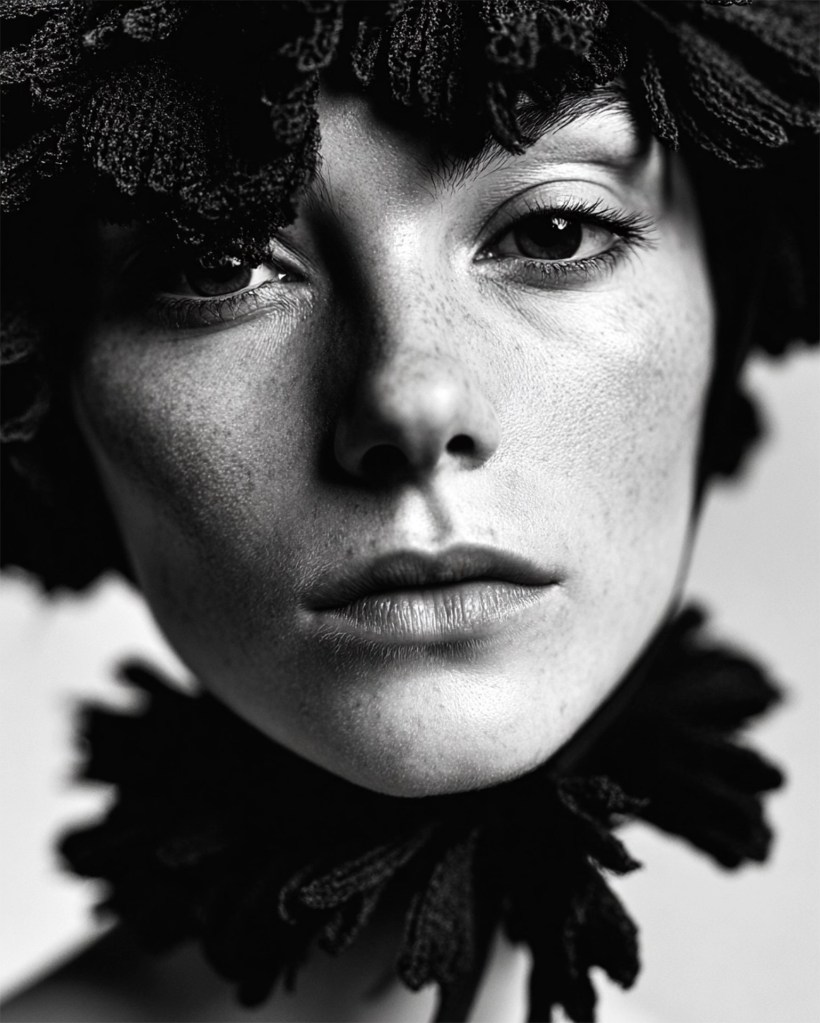
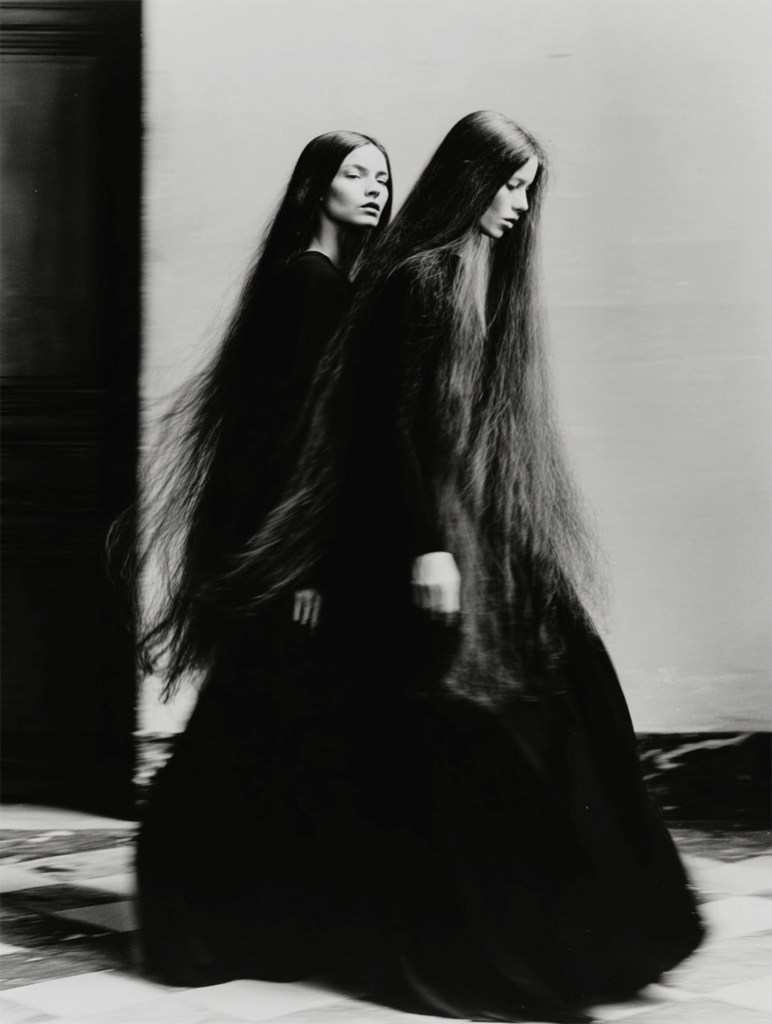
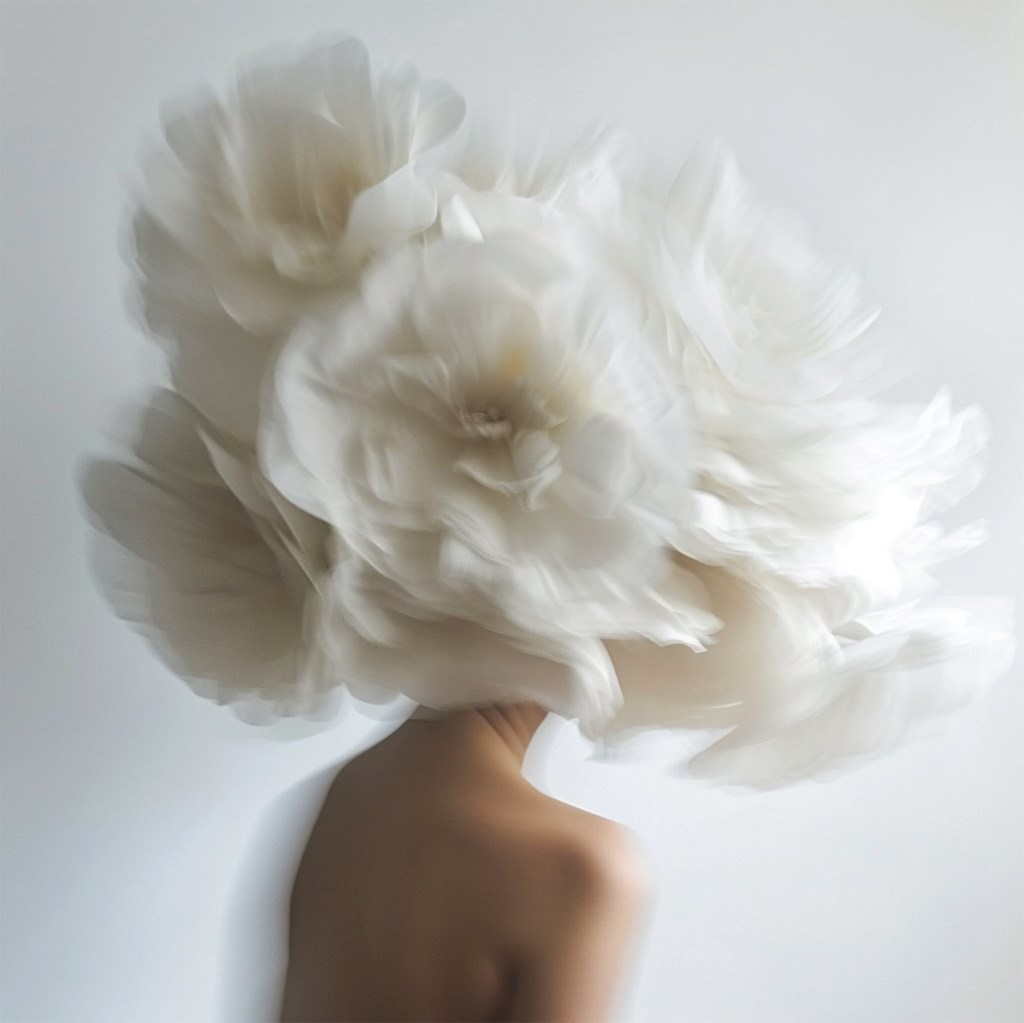
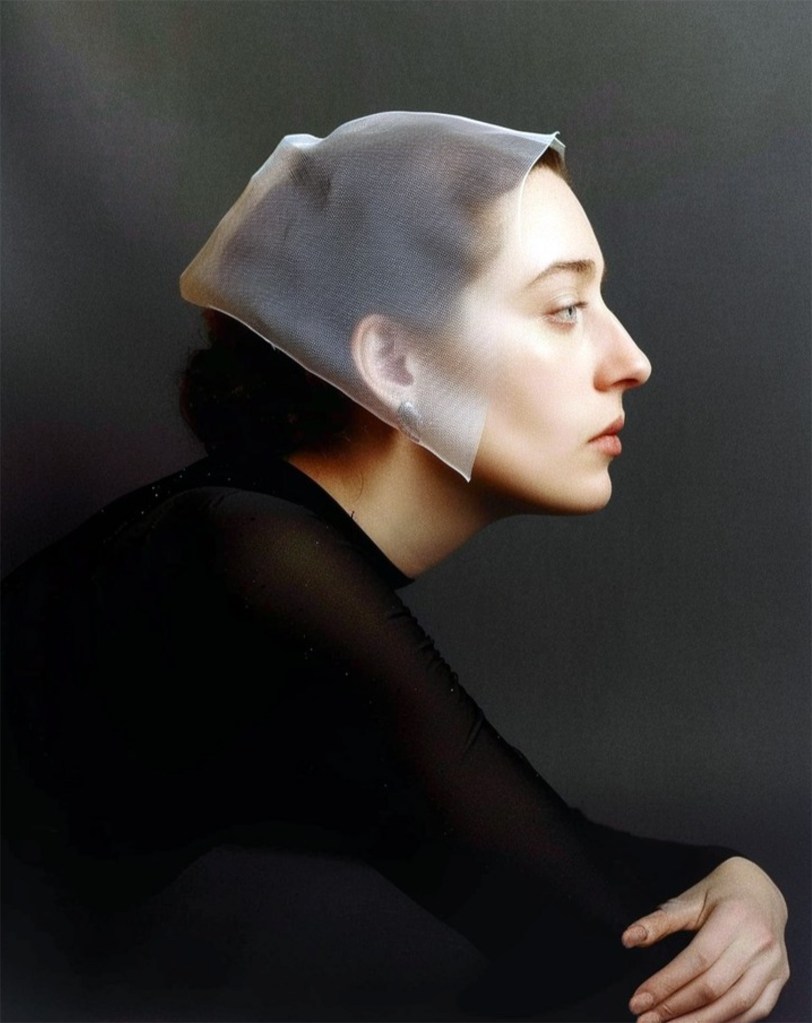
Images © Carole Tagliaferri 2026
 Partfaliaz
Leave a comment